
Best Budget Winter Jackets of 2026
Staying warm in winter doesn’t have to cost a lot. Many great winter jackets are available at budget-friendly prices. They keep you warm, dry, and comfortable in cold weather. Whether you need a jacket for walking, hiking, or daily use, there’s something for everyone. Good budget jackets offer warmth, wind protection, and water resistance. Some also have useful features like hoods and deep pockets. You don’t need to spend a fortune to stay cozy. This guide will help you find the best cheap jackets that are both warm and affordable. Let’s explore top choices that offer great value without breaking the bank. Stay warm and save money this winter!
1. REI Co-op 650 Down Jacket

-
Insulation: 650-fill-power down (minimum 80%, bluesign® approved)
-
Shell Fabric: Windproof, water-resistant recycled ripstop nylon with DWR coating
-
Weight: 10.9 ounces (Men’s size M)
-
Pockets: 2 zippered hand pockets, 2 interior drop-in pockets
The REI Co-op 650 Down Jacket is a budget-friendly layer designed for chilly days and active use. With 650-fill-power down insulation and a recycled nylon shell, it offers lightweight warmth without a heavy feel. It’s windproof and water-resistant, making it a solid pick for hikes or everyday wear. The eco-friendly bluesign® materials and REI’s Climate Label certification also make it a smart choice for those who care about sustainability. Features like a hem drawcord and snug cuffs help seal in warmth, while four pockets—two inside and two outside—offer decent storage.
In real-world use, the jacket performs well for moderate cold. It’s especially great for layering or indoor wear in cold climates. However, there have been quality control issues—some jackets are “seconds” with flawed stitching or misaligned linings. While these flaws don’t impact warmth, they’re worth noting. Despite this, many users report long-term durability and value. One user even wore a previous version for years indoors in Minnesota and found it cozy and dependable. If you can snag it on sale, the jacket delivers good function at a low price. Just inspect it carefully on arrival for minor defects.
Pros
- Lightweight yet warm
- Sustainable materials and eco certifications
- Good pocket layout for everyday use
- Excellent value, especially when on sale
Cons
- Some units have noticeable stitching flaws
- Not 100% down filled as implied
- No hood for added coverage
See the REI Co-op 650 Jacket See the Women’s 650 Jacket
2. Wantdo Mountain Jacket
-
Waterproof Rating: 10,000mm with PU membrane for effective water resistance
-
Wind Protection: Adjustable hem, snow skirt, and elastic cuffs block cold air
-
Insulation: Premium padding for warmth in extremely low temperatures
-
Pockets: 2 zippered hand pockets, multiple exterior pockets, and 1 interior pocket
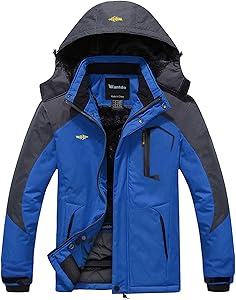
The Wantdo Mountain Jacket is built for harsh winter weather, offering solid performance in snow, wind, and rain. With a 10,000mm waterproof rating and a durable PU membrane, it keeps moisture out even during heavy downpours. The thick insulation traps heat well, making it ideal for skiing, hiking, or any winter adventure. Adjustable cuffs, a snow skirt, and an elastic hem help block icy winds, while the soft collar and zip-off hood add comfort and flexibility. Its multiple pockets, including one inside for valuables, are convenient for stashing essentials like phones and wallets.
Fit can be a bit snug, so sizing up is often recommended—especially if you plan to layer underneath. Some users noted it’s slightly shorter than older ski jackets, but the cut still offers good coverage and a flattering fit. Despite the fit quirks, the material quality and thoughtful features stand out. The zippers are sturdy, the collar feels soft, and the vibrant color options like cyan blue give it a stylish edge. Overall, it’s a high-performing jacket at a budget-friendly price, great for those who want winter protection without breaking the bank.
Pros
- Excellent waterproofing and wind resistance
- Warm insulation for cold weather
- Plenty of secure storage pockets
- Stylish design with adjustable features
Cons
- Runs small; consider sizing up
- Slightly shorter length than standard ski jackets
- May feel tight with heavy layering
See the Wantdo Mountain Jacket
3. Orolay Women’s Down Jacket
-
Material: High-density polyester (60% denser than average)
-
Insulation: Down-filled with fleece-lined hood for enhanced warmth
-
Design: Unique crumpled bottom hem with side zippers and 6 large pockets
-
Fit: Adjustable side snaps for flexible sizing and extra room for layering
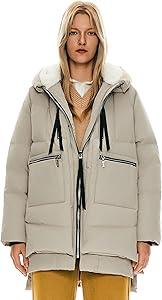
The Orolay Women’s Down Jacket blends warmth, function, and casual style for freezing winter days. Made with dense polyester and quality down fill, it offers excellent insulation against wind and damp cold. The jacket’s standout feature is its roomy, fleece-lined hood that stays upright without blocking your view. Six spacious pockets provide plenty of storage, and the side zippers help with mobility and ventilation. Its crumpled hem and oversized silhouette may not win fashion points from everyone, but they contribute to the jacket’s cozy, blanket-like feel—ideal for staying comfortable outdoors in harsh winter conditions.
Many users find this jacket runs large, but that adds to its comfort and allows for layering without feeling tight. The adjustable side snaps are a thoughtful touch if you wear thick sweaters underneath. Though the design includes a lot of zippers and pulls, which some may find excessive, the overall performance makes up for it. It excels on the coldest days and might even feel too warm in milder weather. With several color options—like a bold yet tasteful red—it adds personality to winter wear. If you’re prioritizing warmth and function over sleek styling, this coat is a strong choice for winter survival.
Pros
- Extremely warm and windproof
- Fleece-lined hood stays in place
- Roomy fit with side snaps for added flexibility
- Lots of pocket space for storage
Cons
- Runs large; may not flatter all body types
- Too warm for mild weather
- Busy design with many zippers and pulls
See the Orolay Women’s Down Jacket
4. REI Co-op Trailmade Insulated Hoodie

-
Fabric: Recycled polyester taffeta (bluesign approved) with durable water repellent (DWR) finish
-
Insulation: 80 g synthetic polyester (98% recycled; bluesign approved)
-
Hood: 3-panel hood with elastic binding for a secure fit
-
Weight & Length: 1 lb. 1.3 oz., hip-length back (28 inches on size M)
The REI Co-op Trailmade Insulated Hoodie is designed for hikers who don’t let dropping temperatures slow them down. With 80 g of recycled synthetic insulation, it delivers reliable warmth without adding bulk, making it perfect for layering under a rain shell. The bluesign-approved recycled polyester fabric features a durable water repellent (DWR) finish that efficiently beads off moisture, keeping you dry during damp hikes. Its hip-length cut and lightweight construction ensure it moves easily with your body, while zippered hand pockets provide secure storage for small essentials on the trail.
Fit and comfort are strong points for the Trailmade hoodie. The 3-panel hood with elastic binding sits comfortably and stays in place, and the elastic cuffs and adjustable hem help trap heat where you need it most. The hoodie also benefits from thoughtful design features like a locker loop and machine-washable fabric, making maintenance simple for regular adventurers. Overall, it’s a versatile, eco-friendly mid-layer that balances warmth, mobility, and environmental responsibility.
Pros:
-
Lightweight yet warm 3-season insulation
-
DWR finish without PFAS keeps moisture off
-
Secure zippered pockets and adjustable fit
-
Eco-conscious materials and construction
Cons:
-
Not heavily insulated for extreme cold
-
Limited color options for some preferences
See the REI Trailmade Insulated Hoodie See the Women’s Trailmade Insulated Hoodie
5. Eddie Bauer Down Jacket

-
Shell Material: 100% recycled nylon (solid colors) or 100% recycled polyester (printed); lining is recycled nylon
-
Water Resistance: StormRepel® DWR finish sheds light moisture and prevents soaking
-
Insulation: 650-fill-power Premium Down (RDS-certified, responsibly sourced)
-
Closure: Full-length front zipper with high collar for added warmth
The Eddie Bauer Down Jacket is a cheap, everyday puffer built for urban wear and light outdoor use. It’s made with recycled materials, including a nylon shell and responsibly sourced down insulation, making it a solid eco-friendly choice. The 650-fill down provides a surprising amount of warmth for its weight, and the high collar helps trap heat efficiently. Its StormRepel® DWR finish adds a layer of moisture resistance, enough to handle light rain or snow. This jacket is also impressively packable, easily fitting into a backpack or carry-on, making it a great option for travel.
While it’s warm and versatile, the jacket’s outer material isn’t particularly rugged. It’s more suitable for commuting or casual use than for rough outdoor adventures. Some users note that the shell fabric can feel delicate, so heavy wear like camping or backpacking may shorten its lifespan. That said, for its price and performance, it offers strong value—especially for those seeking warmth without bulk. Its minimalist style and practical warmth make it a solid pick for everyday winter wear, provided you’re not planning to bushwhack through the backcountry.
Pros
- Lightweight, warm, and highly packable
- Made with recycled and responsibly sourced materials
- Water-resistant finish for light moisture protection
- Comfortable, heat-retaining high collar
Cons
- Shell fabric is not very durable
- Better suited for urban wear than rugged use
- Minimalist features may not appeal to performance-focused users
See the Eddie Bauer Down Jacket See the Eddie Bauer Women’s Down Jacket
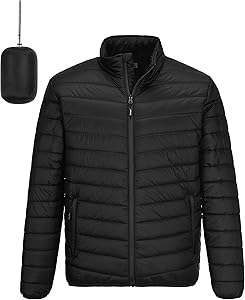
6. Outdoor Ventures Winter Puffer
-
Insulation: High-tech synthetic insulation for warmth and wind protection
-
Design: Elasticized cuffs and hem, plus zipper garage at chin for added comfort
-
Pockets: 2 external zippered pockets, 1 zippered chest pocket, and 1 large interior zippered pocket
-
Packability: Comes with a drawstring storage bag and clip for easy transport
The Outdoor Ventures Winter Puffer is a practical and lightweight jacket built for three-season comfort. With its synthetic insulation and water-resistant shell, it offers reliable warmth and light rain protection for fall, winter, and spring. Elastic cuffs and hem help seal out wind, and the front zipper includes a chin guard for extra comfort. Designed for daily use or travel, this jacket is warm enough for most cold-weather days without the bulk of a heavy parka. The fit is roomy and accommodating, making it easy to layer without feeling tight or constricted.
One of the standout features is the pocket layout. It includes two exterior zippered pockets, a chest pocket, and a large interior zippered pocket—perfect for storing essentials securely. The large inner pocket is especially useful for carrying your phone, wallet, and keys when on the go or passing through airport security. Another bonus is the included packable storage bag, which makes it a breeze to stash in a backpack. While the jacket may not handle extreme winter conditions, it’s a solid choice for everyday use, outdoor work, or casual hikes. With a great balance of warmth, portability, and thoughtful design, it’s a reliable option for those looking for affordable cold-weather jackets.
Pros
- Lightweight and highly packable with included storage bag
- Plenty of secure pockets, including a roomy internal zippered pocket
- Wind-resistant and water-resistant for mild winter days
- Comfortable fit with good mobility
Cons
- Not ideal for extreme cold or heavy rain
- Fit may be too roomy for those who prefer a tailored cut
- Lacks technical features for alpine or backcountry use
See the Outdoor Ventures Winter Puffer See the Women’s Winter Puffer
7. MAGCOMSEN Winter Coat

-
Windproofing: Adjustable cuffs, internal drawcord hem, and detachable storm hood keep wind out effectively
-
Water Resistance: Professional water-repellent outer shell keeps you dry in snow and rain
-
Insulation: Fleece-lined interior offers thermal warmth in cold weather
-
Storage: Includes 1 chest zipper pocket, 2 large zippered side pockets, and 1 deep inner pocket
The MAGCOMSEN Winter Coat is a surprisingly warm, functional, and inexpensive jacket. This makes it a great option for occasional winter use or outdoor chores like snow blowing. It’s windproof and water-repellent, with smart design touches like a removable hood, adjustable cuffs, and a high collar. The thermal fleece lining provides a cozy interior that holds heat well in frigid weather. One user noted that even at 10°F, the coat kept them comfortably warm. It’s roomy enough for layering, fits true to standard U.S. sizing, and includes helpful features like Velcro closures and a secure zippered front.
What stands out most is the comfort and practicality for everyday wear in winter, especially for outdoor activities like hiking, fishing, or skiing. The pockets are spacious and zippered, giving you room to carry essentials without worry. That said, the inner lining in the sleeves doesn’t have the same soft “fur” fleece as the body, which may be a letdown in terms of consistency. The front zipper also feels a bit small and could be a long-term durability concern. Still, given its warmth, style, and build quality at a budget-friendly price, this jacket offers solid value and versatility for cold-weather wear.
Pros
- Excellent warmth for its weight
- Windproof and water-resistant with removable hood
- Plenty of secure zippered storage
- Comfortable fleece lining in the body
Cons
- Sleeve lining lacks fleece softness
- Small front zipper may wear out over time
- Slightly bulky for those preferring a sleeker look
How to Choose a Budget Winter Jacket?

Choosing the cold-weather jacket can make all the difference when cold weather hits. Whether you’re commuting through the city, hiking snowy trails, or simply walking your dog in freezing temperatures, a quality winter jacket is essential. But with so many types, materials, and features available, selecting the perfect one can be overwhelming. This guide will walk you through the key factors to consider so you can make the best decision for your needs and climate.
1. Know Your Purpose
Start by considering how and where you’ll use your winter jacket. Are you looking for an everyday coat for commuting? Do you need something lightweight and packable for travel? Or are you preparing for outdoor adventures like skiing or snowshoeing?
-
Casual use: Look for warmth, comfort, and style. A down parka or insulated coat is ideal.
-
Active outdoor use: Choose jackets that offer breathability, mobility, and moisture resistance.
-
Extreme cold: Opt for high-fill-power down or synthetic insulation with longer coverage.
-
Wet climates: Waterproof shells or water-resistant coatings are a must.
2. Understand Insulation Types
Insulation determines how well your jacket traps body heat. There are two main types:
Down Insulation
Down is made from the soft feathers of ducks or geese. It’s incredibly warm and lightweight.
-
Pros: Excellent warmth-to-weight ratio, compressible, long-lasting if kept dry.
-
Cons: Loses warmth when wet, often more expensive, requires care to maintain loft.
Tip: Look for a high fill power (600–900). The higher the number, the better the insulation.
Synthetic Insulation
Synthetic materials like polyester mimic down’s ability to trap heat.
-
Pros: Performs better when wet, dries quickly, generally more affordable.
-
Cons: Heavier and less compressible than down, may degrade over time.
Choose synthetic if you expect damp or wet conditions or want a lower-maintenance jacket.
3. Check for Weather Resistance
A warm jacket isn’t enough if wind or water can get through. For full protection, consider the outer shell.
-
Water-resistant: Coated with DWR (durable water repellent) to handle light rain or snow.
-
Waterproof: Sealed seams and waterproof membranes like Gore-Tex provide full protection.
-
Windproof: Tightly woven or laminated fabric blocks cold air from penetrating the jacket.
For urban wear, water-resistant jackets may be fine. But for snow, rain, or high winds, go for waterproof and windproof options.
4. Choose the Right Fit and Length
Fit affects both performance and comfort.
-
Slim fit: Good for layering, retains heat well.
-
Regular fit: Offers a balance of mobility and warmth.
-
Relaxed fit: Allows for more layering but may let heat escape.
Length matters too:
-
Waist-length: Ideal for active use and better mobility.
-
Hip-length: Great for everyday wear with decent coverage.
-
Thigh- or knee-length: Provides extra warmth in very cold climates.
If you’re going to be sitting outdoors or standing in the cold for long periods, longer jackets are more effective at keeping you warm.
5. Evaluate Essential Features
Modern winter jackets come with a range of features designed to improve comfort and usability. Here are the most important ones to consider:
-
Hood: Insulated, adjustable hoods help retain heat. Some are detachable or have faux-fur trims for extra wind protection.
-
Cuffs: Elastic or Velcro cuffs prevent drafts from entering through the sleeves.
-
Hem Drawcords: Helps seal in warmth and improve fit around the waist.
-
Pockets: Handwarmer pockets, chest pockets, and internal stash pockets are all useful for storage and comfort.
-
Zippers and Closures: Look for wind flaps behind or over zippers to keep wind out.
-
Packability: Some jackets compress into small stuff sacks for travel convenience.
Choose features that align with your daily needs. If you’re always carrying items, prioritize storage. If you’re in windy conditions, look for adjustable cuffs and hems.
6. Material and Fabric Considerations
The shell and lining materials affect durability, weight, and comfort.
-
Nylon and polyester are the most common outer shell fabrics. They’re lightweight and durable.
-
Ripstop fabrics resist tearing, great for rugged use.
-
Softshell jackets offer stretch and breathability but are less warm.
-
Recycled materials are eco-friendly and increasingly used by brands for sustainability.
Check if the materials meet bluesign® or RDS (Responsible Down Standard) certifications, which ensure ethical sourcing and environmental responsibility.
7. Weight and Mobility
Depending on your activities, the weight of your jacket can be crucial.
-
Lightweight jackets are great for layering and travel.
-
Midweight options offer balance for everyday use.
-
Heavyweight parkas are best for extreme cold but can feel bulky.
If you’ll be moving a lot—hiking, skiing, or commuting by bike—go for a lightweight or flexible design that allows ease of movement.
8. Style and Color
While function should be the top priority, style still matters—especially for everyday use.
-
Neutral colors like black, navy, or grey are versatile and hide dirt.
-
Bright colors improve visibility and can add a pop to your winter outfit.
-
Faux-fur trims and quilted designs are popular for fashion-forward winter wear.
Choose a style you’ll be happy to wear regularly, and one that suits your lifestyle.
9. Try Before You Buy (If Possible)
When shopping in-store, try the jacket on with layers to check fit and comfort. Move your arms, zip it up fully, and test the hood. If buying online, read reviews about sizing—some jackets run small or large.
10. Budget Wisely
Winter jackets can cost anywhere from $50 to $500 or more. Set a budget based on your needs:
-
Under $100: Basic insulation, good for milder winters or layering.
-
$100–$200: Solid performance with added features and better materials.
-
$200 and up: High-end insulation, technical features, and premium fabrics for serious winter use.
Remember, a good winter jacket is an investment. Spending a little more for better warmth, durability, and comfort can save you in the long run.
Final Thoughts
Choosing a budget winter jacket isn’t just about picking the cheapest option. It’s about balancing warmth, weather protection, fit, features, and budget. Consider where you live, how active you’ll be, and the conditions you’ll face. With the right jacket, winter becomes a season to enjoy—not just survive. Stay warm out there!