

Best Snowshoes for Beginners of 2025
If you are new to winter hiking, snowshoeing is a fun and easy way to explore snowy trails. With the right pair of snowshoes, you can walk comfortably over deep snow without sinking, making your outdoor adventures more enjoyable and safe. Beginners often look for snowshoes that are lightweight, easy to strap on, and stable, so they can focus on enjoying the experience instead of struggling with equipment. The best snowshoes for beginners are designed to offer good balance, simple use, and reliable traction. In this guide, we’ll help you choose the perfect pair to start your snowshoeing journey.
1. MSR Evo Ascent

- Deck: Injection-molded plastic with steel traction rails
- Bindings: 3-strap, freeze-resistant bindings
- Heel Lifts: Included
- Tails: Add-on modular flotation tails (not included)
The MSR Evo Ascent snowshoes are a true workhorse designed to handle challenging mountain terrain with confidence. Unlike tubular frames, the injection-molded plastic deck provides a robust and secure foundation, giving you a solid feeling underfoot. The steel traction rails and brake bars are molded directly into the deck, ensuring an aggressive and reliable grip, especially on tough traverses. The three-strap bindings are not only easy to use, even with gloves on, but they’re also freeze-resistant, meaning you won’t have to wrestle with stiff straps in freezing temperatures. They accommodate a wide variety of boots, providing ample security for your foot. These snowshoes are built for those who aren’t afraid to go off the beaten path and need gear that can withstand abusive conditions.
A key feature of the Evo Ascent is the inclusion of heel lifts, which are a game-changer for steep climbs. They reduce calf fatigue and make ascending much more manageable, allowing you to save energy for the rest of your adventure. The unique torsional flex of the injection-molded deck provides a deeper purchase in the snow, adding to the sense of security. As with many MSR models, you can also add modular flotation tails to these snowshoes. This feature is incredibly versatile, letting you adapt to different snow conditions, from packed trails to deep powder, all with one pair of snowshoes. This makes the Evo Ascent a highly adaptable and durable option for serious winter hikers who need reliable performance in varied and demanding conditions.
Pros and Cons
- Pros: Excellent grip on varied terrain, durable injection-molded deck, easy-to-use and secure bindings, heel lifts for climbing.
- Cons: Flotation tails are not included and must be purchased separately, can be heavier than some ultralight models.
2. Odoland snowshoes
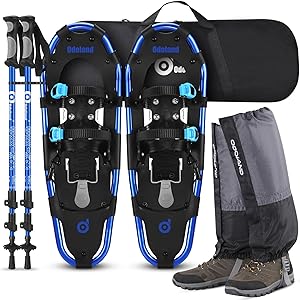
- Deck: Aluminum frame with large flat surface area
- Crampons: Two sets of reinforced, heavy-duty saw teeth
- Weight Capacity: 21″ for 80-120lbs, 25″ for 120-160lbs, 30″ for 160-250lbs
- Accessories: Includes trekking poles and waterproof leg gaiters
The Odoland snowshoes offer a fantastic, all-in-one package for anyone looking to get into winter hiking without a huge initial investment. Made from a strong yet lightweight aluminum frame, they’re designed with an ergonomic shape that makes walking in the snow feel natural and comfortable. The large, flat surface area of the frame provides excellent flotation, ensuring you stay on top of the snow rather than sinking with every step. The standout feature of this set is the inclusion of both adjustable trekking poles and waterproof leg gaiters. The poles are essential for balance and stability, especially on uneven terrain, and their telescoping design makes it easy to adjust their height, even with gloves on. The leg gaiters are a thoughtful addition, providing an extra layer of protection against snow getting into your boots, keeping your feet dry and warm.
In terms of traction, the Odoland snowshoes are equipped with two sets of reinforced, heavy-duty saw teeth. These crampons provide a strong and secure grip on icy or hard-packed surfaces, giving you the confidence to navigate a variety of conditions. The bindings are easy to use and secure your feet firmly to the shoes. This package is especially great for beginners or casual users who don’t want the hassle of buying multiple pieces of equipment separately. The different size options (21″, 25″, and 30″) accommodate a wide range of user weights, ensuring you can find the right fit for your needs. Overall, this set delivers a solid performance and exceptional value, making it a perfect gift for anyone eager to explore the snowy outdoors.
Pros and Cons
- Pros: Great value as a complete package with poles and gaiters, lightweight design, strong traction from saw tooth crampons, easy to use.
- Cons: May not be as durable as high-end models for aggressive, long-term use, traction might be less effective on very steep or technical terrain.
See the Odoland 21/25/30 Inch Snowshoes
3. Retrospec Drifter
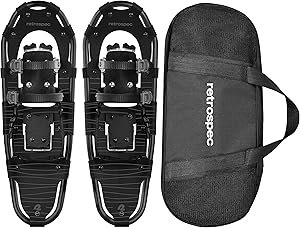
- Frame: Lightweight 6061-T6 alloy
- Deck: Tough polyethylene (HDPE)
- Bindings: Double-ratchet binding system
- Features: Heel lifters and full-floating pivot system
The Retrospec Drifter snowshoes are engineered for reliable winter performance, striking a nice balance between light weight and durability. The combination of a lightweight 6061-T6 alloy frame and tough polyethylene (HDPE) decks provides excellent support and flotation on the snow without weighing you down. This construction is designed to keep your steps light and controlled, making it easier to cover more ground. The double-ratchet binding system is a key feature, offering a fast and secure way to strap in and out of the snowshoes. This is especially convenient when you’re on the trail and need to make quick adjustments or take them off at a moment’s notice. The bindings are designed to be intuitive and reliable, ensuring your feet stay firmly in place throughout your entire adventure.
What sets the Drifter apart is its focus on enhanced mobility and reduced fatigue. The heel lifters are a great addition, as they significantly increase traction and reduce strain on your calves when climbing steep terrain. Paired with a full-floating pivot system, these snowshoes allow for a more natural stride, which further minimizes fatigue over long distances. The design ensures that the shoe can move more fluidly with your foot, improving stability and comfort. The Retrospec Drifter is an ideal choice for a wide range of users, from beginners to those who enjoy long treks, thanks to its durable build, efficient binding system, and thoughtful features that make snowshoeing a more enjoyable and less strenuous activity. The included vented carrying bag is a nice bonus, making storage and transport simple and convenient.
Pros and Cons
- Pros: Lightweight and durable construction, fast and secure double-ratchet bindings, heel lifters reduce fatigue, includes a carrying bag.
- Cons: May not have the aggressive traction of more technical snowshoes for icy conditions, limited size options might not fit all users.
4. Atlas Helium Trail

- Frame/Deck: Ultralight composite material
- Bindings: Wrapp™ Stretch with 2-buckle closure
- Heel Lifts: 12° easy-climb heel lifts
- Crampons: Forefoot-aligned tempered steel tangs and rails
The Atlas Helium Trail snowshoes are designed for those who want to hit the trails with minimal weight and maximum ease. Their defining feature is the ultralight composite construction, which makes them incredibly easy to lift and maneuver, perfect for beginners or anyone taking on less extreme hikes. The Wrapp™ Stretch bindings are a standout, providing a comfortable and secure fit that cradles your foot without creating pressure points. The simple and intuitive two-buckle closure system allows for quick and hassle-free entry and exit, so you can spend less time fumbling with straps and more time enjoying your hike. This user-friendly design makes the Helium Trail a great entry point into the world of winter hiking, blending convenience with performance.
Even though they are designed for trails, these snowshoes don’t compromise on grip. The forefoot-aligned tempered steel tangs and steel traction rails work together to provide the necessary bite for packed down or uneven trails. This ensures you have the stability and confidence needed to tackle a variety of conditions. The inclusion of 12° easy-climb heel lifts is another excellent feature, giving your calves a much-needed break on inclines. These lifts reduce fatigue and strain, allowing you to hike longer and more comfortably. The Atlas Helium Trail is a reliable and approachable option that combines a lightweight build, secure bindings, and effective traction for anyone looking to enjoy the beauty of winter trails with ease.
Pros and Cons
- Pros: Extremely lightweight, easy and fast to put on/take off, comfortable bindings, heel lifts for climbing.
- Cons: May not provide enough flotation or aggressive traction for deep powder or steep, technical terrain.
5. MSR Lightning Ascent

- Frame: 360° Traction frames
- Deck: Ballistic-grade decking
- Bindings: Paragon™ bindings with toe stops
- Crampons: Durable steel DTX crampons
The MSR Lightning Ascent snowshoes are built for serious adventurers who demand top-tier performance on all types of terrain. Their standout feature is the aggressive 360° Traction frames, which provide an unmatched edge-to-edge grip, ensuring you feel secure on everything from icy traverses to steep slopes. Complementing the frame are the durable steel DTX crampons, which deliver serious bite in the most challenging conditions. The ballistic-grade decking is a testament to their ruggedness, designed for long-lasting durability that can withstand heavy use. These snowshoes are engineered to be lightweight yet aggressive, offering a perfect blend of agility and power for tackling demanding winter landscapes.
Comfort and security are not overlooked, thanks to the advanced Paragon™ bindings. These bindings feature freeze-resistant mesh straps that wrap securely around a wide range of boots, offering ultimate foot security. The integrated toe stops ensure fast and precise foot alignment, so you can get a perfect fit every time. For added convenience on inclines, the Ergo™ Televators are an ergonomic design that reduces fatigue and boosts traction with a simple flick of a pole grip. Just like other MSR models, these snowshoes are compatible with modular flotation tails (sold separately), allowing you to easily adapt to different snow depths, from packed trails to deep powder. The Lightning Ascent is the ultimate choice for those who need a high-performance snowshoe that can handle anything a winter mountain can throw at them.
Pros and Cons
- Pros: Superior 360° traction, incredibly secure and comfortable bindings, durable and lightweight construction, heel lifts for climbing.
- Cons: Higher price point, flotation tails are a separate purchase.
See the MSR Lightning Ascent See the Women’s Lightning Ascent
6. G2 21/25/30/36 Inches Snowshoes
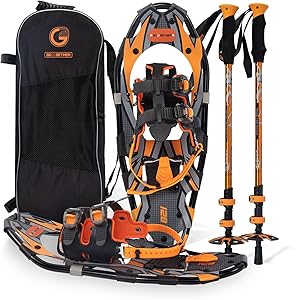
- Deck: High-quality & lightweight HDPE
- Bindings: Fast ratchet binding with one-pull buckle
- Crampons: High-quality aluminum
- Features: Padded with soft EVA foam, flex pivot bar and heel lift
The G2 snowshoes are crafted for comfort and functionality, making them a great choice for those who prioritize a smooth and enjoyable winter hike. The high-quality and lightweight HDPE deck provides excellent flotation, allowing you to glide over the snow more easily and conserve energy. The standout feature is the fast ratchet binding, designed specifically for low-temperature environments. It’s incredibly easy to fasten with a simple one-pull buckle, so you can secure your feet quickly and efficiently even when your hands are frozen or gloved. This design eliminates the struggle often associated with traditional bindings in the cold. Additionally, the interior of the snowshoe is padded with soft EVA foam, a unique touch that provides warmth and comfort, protecting your feet during long treks in cold weather.
Traction is handled by sharp, high-quality aluminum crampons that provide a solid grip on snow and ice, helping to keep you safe and stable. The special structure of the G2 snowshoes includes a flex pivot bar and heel lift. The flex pivot bar allows for a more natural feel and stride, whether you’re on a flat trail or an incline, reducing strain on your legs and feet. The heel lift is a crucial feature for uphill travel, supporting your calves and preventing fatigue. The combination of easy-to-use bindings, comfortable padding, and effective crampons makes these snowshoes a reliable and comfortable option for a wide range of winter activities, ensuring you can enjoy your adventure without worrying about your gear.
Pros and Cons
- Pros: Unique comfort features like EVA foam padding, easy-to-use ratchet bindings, effective heel lift, good flotation.
- Cons: Aluminum crampons may not be as durable or aggressive as steel ones, less established brand compared to others.
See the G2 21/25/30/36 Inches Snowshoes
7. MSR Evo Trail

- Deck: Molded plastic
- Bindings: ParaGlide bindings with 2 roller buckles
- Traction: Steel traction rails and brake bars
- Tails: Add-on modular flotation tails (not included)
The MSR Evo Trail snowshoes are the perfect companion for anyone who loves to wander through winter landscapes. Designed specifically for trails and rolling terrain, they excel by blending simplicity, comfort, and reliable performance. The molded plastic decks are not only durable enough to withstand harsh conditions but also provide a solid and stable platform. A key feature is the ParaGlide bindings, which are engineered for ease of use. With two roller buckles and a toe stop, getting your feet in and securing the straps is incredibly simple and intuitive, even when you’re wearing gloves. The bindings use a stretch mesh that comfortably hugs your feet without creating any pressure points, making them compatible with nearly any footwear you might choose for your hike.
Traction is a non-negotiable for any good snowshoe, and the Evo Trail delivers with steel traction rails and brake bars molded directly into the decks. This provides a secure and lasting grip on a variety of trail conditions, from packed snow to light ice. While these snowshoes are great for typical trail use, they also offer the versatility to handle deeper snow with the addition of modular flotation tails (sold separately). This allows you to adapt to changing conditions and heavier loads with a single pair of snowshoes. The Evo Trail is a dependable and fuss-free option for winter enthusiasts who want a snowshoe that’s easy to use, comfortable to wear, and built to last, all while providing the necessary performance for trail exploration.
Pros and Cons
- Pros: Extremely easy and intuitive bindings, durable molded plastic deck, strong traction for trails, versatile with optional flotation tails.
- Cons: Not ideal for very steep or technical terrain, flotation tails must be purchased separately.
8. Wildhorn Outfitters Sawtooth
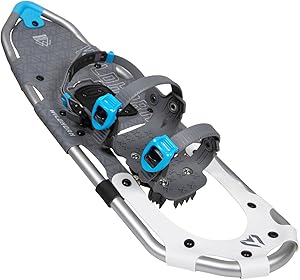
- Frame: Durable, lightweight aluminum
- Bindings: Reinforced ratchet with heavy-duty clips and auto-locking heel strap
- Crampons: Two sets of reinforced, heavy-duty grip teeth
- Features: Incline heel lift riser and boot grip pads
The Wildhorn Outfitters Sawtooth snowshoes are a testament to continuous improvement, with a design that directly addresses customer feedback to enhance performance and durability. Constructed with a lightweight aluminum frame, they provide optimal flotation in deep powder while keeping your steps light and manageable. The reinforced ratchet bindings are a notable upgrade, featuring heavy-duty spring-loaded clips and a new auto-locking heel strap system. These improvements ensure a secure and stable fit, so your feet stay locked in place even during active snowshoeing. The bindings also have boot grip, no-slip textured pads and an excess heel strap clip, which all work together to cradle your foot and prevent any sliding, providing a higher level of security and comfort on the trail.
Traction is a key priority with the Sawtooth model. Each snowshoe is equipped with two sets of reinforced, heavy-duty crampons that act like an extreme ice pick for your boots. These grip teeth ensure reliable traction on icy and hard-packed surfaces, giving you the confidence to navigate challenging conditions. Another excellent feature is the steep incline heel lift riser. This unique system supports your heel when climbing hills, providing a welcome break for your calves and improving your balance and traction. When you no longer need it, the riser easily lays flat. The combination of a lightweight frame, reinforced bindings, aggressive crampons, and a convenient heel lift makes the Wildhorn Outfitters Sawtooth a dependable and well-thought-out option for a variety of winter adventures.
Pros and Cons
- Pros: Improved and secure bindings, lightweight aluminum frame, effective heel lift, strong crampons for icy surfaces.
- Cons: May not have the same level of comfort or features as some premium brands, durability for long-term, aggressive use may vary.
See the Wildhorn Outfitters Sawtooth
9. Tubbs Flex TRK
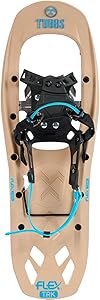
- Deck: Torsion Deck design
- Bindings: Quick-Fit binding with roller buckle heel strap
- Heel Lift: 16° Activelift
- Features: Flex Tail and Tubbs Toe Crampon and Traction Rails
The Tubbs Flex TRK snowshoes are engineered to provide a natural and comfortable gait, enhancing your experience on uneven terrain. The core of their design is the Torsion Deck, which allows the body of the snowshoe to articulate torsionally. This unique feature not only improves traction but also preserves your natural walking motion, making for a more comfortable and less fatiguing hike. The Quick-Fit bindings are another highlight, providing a fast and secure fit with easy-pull straps and a roller buckle heel strap. This means you can get your snowshoes on and off with minimal effort, which is a great convenience in cold conditions. The combination of easy-to-use bindings and an articulating deck makes these snowshoes highly responsive and adaptable to changing ground conditions.
The performance of the Flex TRK is further enhanced by its Tubbs Toe Crampon and Traction Rails, which provide ample grip on uphill, downhill, and sidehill terrain. This ensures you can maintain control and stability regardless of the slope. Another key feature is the Flex Tail, which allows the snowshoe to roll more naturally from heel to toe, further improving your gait and reducing the energy required for each step. Finally, the 16° Activelift heel lift is a game-changer for steep climbs. It reduces calf fatigue and Achilles tendon strain, and it’s incredibly easy to engage and disengage with a simple pull. The blend of innovative design features focused on natural movement and comfort makes the Tubbs Flex TRK an excellent choice for a variety of trail and trekking adventures.
Pros and Cons
- Pros: Unique deck design for a natural gait, easy and secure bindings, effective heel lift, good all-around traction.
- Cons: May not be as robust for extremely technical or aggressive terrain as some specialized models.
10. Cascade Mountain Tech Snowshoes
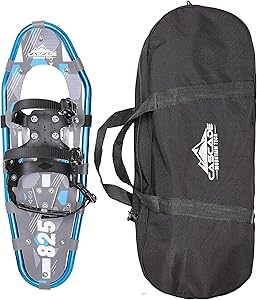
- Frame: Lightweight, high-strength aluminum
- Deck: Flexible decking material
- Crampons: Aggressive dual cleat
- Bindings: Ratchet bindings with reflexive articulating toe band
The Cascade Mountain Tech snowshoes are a solid, no-frills option that focuses on delivering key performance features at an accessible price. The high-strength aluminum frame is crafted to be lightweight yet durable, which makes a significant difference during long treks by reducing fatigue and allowing for easy maneuverability. The aggressive dual cleat crampons provide superior traction on a variety of surfaces, from icy patches to uneven ground, ensuring you have a secure grip. These snowshoes are designed for reliability, giving you the confidence to navigate challenging, snow-covered landscapes without a second thought about your equipment’s performance. The construction is geared toward providing a dependable platform for your winter adventures.
When it comes to comfort and ease of use, these snowshoes stand out with their ratchet bindings. They offer a quick, easy, and secure way to get a customized fit, ensuring your feet stay firmly in place throughout your entire hike. The reflexive articulating toe band is a thoughtful design element that allows the snowshoe to move with your natural stride. This minimizes strain on your feet and makes for a more efficient and comfortable snowshoeing experience. The flexible decking is built to withstand tough winter conditions and also provides excellent shock absorption, which is a big plus when traversing rugged terrain. The Cascade Mountain Tech snowshoes are a practical and effective choice for both men and women, delivering a great balance of durability, traction, and comfort for a wide range of users.
Pros and Cons
- Pros: Lightweight aluminum frame, strong dual cleat traction, easy-to-use ratchet bindings, good value for the price.
- Cons: May not have some of the advanced features or premium materials of higher-end brands.
See the Cascade Mountain Tech Snowshoes
Snowshoeing for Beginners: Your Guide to Choosing the Right Pair
Stepping out onto a snowy trail with a pair of snowshoes is an exhilarating way to experience the quiet beauty of winter. It’s a fantastic activity that’s accessible to almost anyone, from casual hikers to avid adventurers. But before you can enjoy that fresh powder, you need to choose the right gear, and for beginners, the world of snowshoes can seem a little daunting. With so many brands, types, and features, how do you know what to look for? This guide will walk you through the essential factors to consider, helping you select the perfect pair of snowshoes to start your winter journey.
The first and most important thing to understand is that not all snowshoes are created equal. The right pair for you depends on a few key variables: your body weight, the type of terrain you’ll be on, and the kind of snow you expect to encounter. By understanding these factors, you can make an informed decision and ensure your first snowshoeing experience is a comfortable and enjoyable one.
Understanding the Basics: Snowshoe Components
Before diving into the selection process, it helps to know the main parts of a snowshoe. Every snowshoe is made up of three primary components that work together to help you float on snow and get a grip on varied terrain.
The Deck
The deck is the main body of the snowshoe—the part that provides flotation. It’s the large surface area that keeps you from sinking too deep into the snow. Decks are typically made from a lightweight, durable material like aluminum, composite plastic, or a flexible fabric-like material. The bigger the deck, the more flotation you get, which is crucial in deep, fluffy powder. However, a larger deck can also be more cumbersome on packed trails. As a beginner, you’ll want to find a balance between flotation and maneuverability based on where you plan to hike.
The Crampons
Crampons are the metal teeth located on the underside of the snowshoe, usually at the toe and heel. Their job is to provide traction and grip on packed snow, ice, or steep terrain. Without good crampons, you would slip and slide on any firm surface. For beginners, a simple set of steel or aluminum crampons is usually sufficient for most rolling trails. More aggressive, technical snowshoes will have more robust crampon systems for tackling icy slopes and challenging conditions.
The Bindings
Bindings are what secure your boots to the snowshoes. This is a critical component, as a poor-fitting or uncomfortable binding can quickly ruin a hike. Bindings come in various styles, from simple straps and buckles to more intricate ratchet systems. For beginners, look for bindings that are easy to adjust and put on, especially with gloved hands. They should hold your boot securely without creating pressure points. A binding that pivots at the toe is a common feature, allowing the snowshoe to lift with your foot as you walk while dropping the tail to clear away snow.
Step 1: Determine Your Size and Weight
This is arguably the most important factor in choosing snowshoes. Snowshoe size is directly related to your weight—and not just your body weight, but your total weight with all your gear, including your winter clothing, backpack, and anything else you’re carrying. Snowshoe manufacturers provide a weight-capacity rating for each model, which is typically listed in pounds or kilograms. It’s essential to choose a snowshoe that can support your total weight to ensure adequate flotation.
If you are on the lighter side, a shorter snowshoe (e.g., 21-23 inches) will likely be all you need. If you’re heavier or plan to carry a large pack, a longer snowshoe (e.g., 25-30 inches) will provide the necessary flotation to keep you on top of the snow. When in doubt, it’s often better to go slightly larger than to risk not having enough flotation. Sinking too deep into the snow (a phenomenon known as “post-holing”) is tiring and can quickly turn a fun outing into a frustrating struggle.
Step 2: Consider the Terrain
The type of terrain you plan to explore will heavily influence the snowshoe model you choose. As a beginner, you’ll likely be sticking to flatter, rolling terrain and well-established trails, which is a great place to start. Snowshoes are often categorized by the type of terrain they’re built for:
Flat or Rolling Terrain Snowshoes
These are the best choice for beginners. They are typically smaller, lighter, and more maneuverable. Their bindings are simple and easy to use, and their crampons are designed for basic traction on packed snow and gentle slopes. They are perfect for walking in local parks, on golf courses, or on designated snowshoeing trails with minimal elevation gain. Brands like MSR, Tubbs, and Atlas all have excellent beginner models in this category.
Rolling to Mountainous Terrain Snowshoes
If you think you might venture onto more challenging trails with steeper climbs, you’ll want a snowshoe with more aggressive features. These models are built with more robust crampons for better grip on ice and hard snow. A key feature to look for here is a heel lift, also known as a televisator. This is a bar that flips up under your heel to reduce calf fatigue on steep ascents. While these are a step up from a basic model, many are still user-friendly enough for a motivated beginner to start with.
Mountainous or Technical Terrain Snowshoes
These are designed for experienced winter hikers and mountaineers who will be tackling steep, icy, and challenging backcountry terrain. They feature aggressive crampons, technical bindings, and lightweight, durable frames. As a beginner, it’s best to avoid these models. They are often more expensive and have features you don’t need, which can make them heavier and more complicated than necessary for your initial outings.
Step 3: Account for Snow Conditions
The type of snow you expect to encounter is another important variable. Snowshoes perform differently in various conditions. In deep, fresh powder, you’ll need maximum flotation, which comes from a larger deck. In hard-packed or icy conditions, flotation is less important, and a more aggressive crampon system is key. Many snowshoe brands offer the option to add “tails” to their snowshoes. These modular extensions attach to the back of the snowshoe to increase its surface area, providing extra flotation in deep powder. This is an excellent feature for beginners, as it allows you to adapt to changing conditions with a single pair of snowshoes. You can use a smaller, more nimble shoe for packed trails and then add the tails for a weekend trip after a big snowfall.
Additional Tips for Beginners
Here are a few more things to keep in mind as you make your decision:
- Try them on: If possible, try on the snowshoes with the boots you plan to wear. Your boots should fit snugly in the bindings without a lot of shifting.
- Get trekking poles: While not technically part of the snowshoe, a good pair of adjustable trekking poles will greatly improve your balance and stability, especially on uneven terrain or going uphill/downhill.
- Consider a kit: Some brands sell beginner kits that include snowshoes, poles, and a carrying bag, which can be a great value and take the guesswork out of buying everything separately.
- Don’t overthink it: As a beginner, the goal is to get out and enjoy the experience. A simple, well-fitting pair of all-purpose snowshoes will be perfect for most of your early adventures.
Choosing your first pair of snowshoes is an exciting step. By focusing on your total weight, the terrain you’ll explore, and the type of snow you’ll be on, you can confidently select a pair that will provide comfort, security, and a lot of fun. So, get ready to lace up your boots, strap on your snowshoes, and discover the serene beauty of winter, one step at a time.