Best Parkas for Extreme Cold of 2026
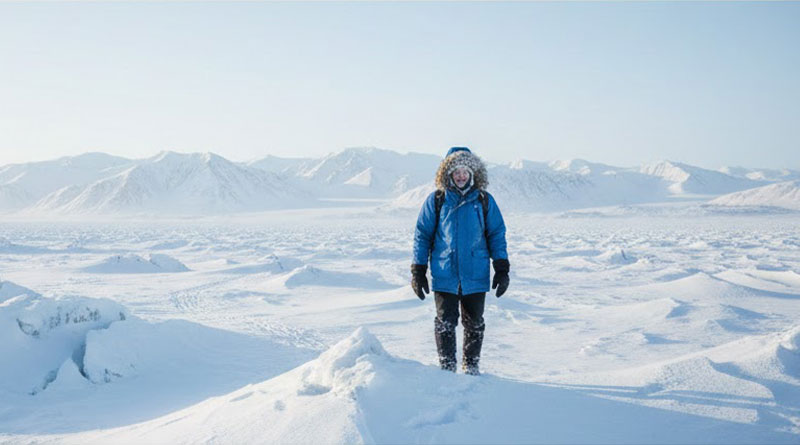
When temperatures drop far below freezing, the right parka can make all the difference. A good parka for extreme cold is designed to keep you warm, dry, and protected in harsh winter conditions. It uses thick insulation, windproof fabrics, and weather-resistant shells to lock in heat. Whether you are exploring snowy landscapes, working outdoors, or commuting in freezing weather, choosing the best parka helps you stay comfortable and safe during the coldest days of winter.
1. Speedo Parka Jacket
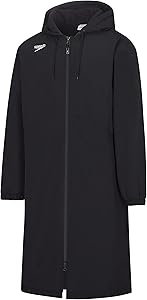
- Shell: Water-repellent laminated fabric
- Insulation: Plush fleece lining
- Closure: Two-way front zipper
- Design: Back vent for customization
The Speedo Parka Jacket is designed for cold, wet environments where warmth and comfort are essential. Originally popular with swim teams and outdoor athletes, this parka works just as well for everyday winter use. The laminated shell helps repel rain, snow, and wind, while the plush fleece liner adds immediate warmth when temperatures drop. It feels soft on the skin and is comfortable even when worn over lighter clothing.
Its two-way zipper makes movement easier, especially when sitting or walking long distances. The back vent is a practical touch, allowing team logos or personal designs without affecting comfort. This parka is ideal for people who need quick warmth before or after outdoor activities, training sessions, or cold-weather commutes. While it is not overly bulky, it still offers reliable insulation for chilly conditions.
- Pros: Warm fleece lining, water-repellent shell, easy movement, durable build
- Cons: Limited insulation for extreme sub-zero temperatures, simple styling
2. GOLDLADIES Women’s Long Coat
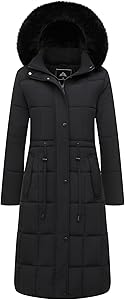
- Shell: Waterproof and windproof fabric
- Insulation: Down-alternative thermal filling
- Length: Full-length long parka
- Hood: Detachable faux fur trim
The GOLDLADIES Women’s Long Coat is built for women who want serious warmth without giving up style. Its long design provides excellent coverage, helping block cold air from head to knee. The waterproof and windproof outer shell keeps you dry in snow or rain, while the thick fleece lining adds a cozy feel throughout the day. This makes it a strong choice for winter commutes and outdoor activities.
An adjustable drawstring waist allows for a flattering fit, and the removable hood and faux fur trim let you customize your look. The down-alternative insulation traps heat effectively, making this parka suitable for extreme cold. Whether you are walking through snowy streets or heading out for a winter trip, this coat balances warmth, comfort, and everyday elegance.
- Pros: Excellent warmth, stylish long design, adjustable fit, weather protection
- Cons: Heavier than short parkas, limited breathability during active use
See the GOLDLADIES Women’s Long Coat
3. The North Face Women’s Arctic Parka
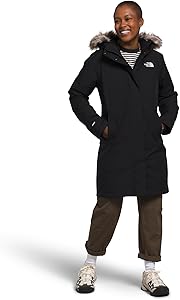
- Shell: DryVent 2L waterproof fabric
- Insulation: 600-fill recycled down
- Fit: Regular with adjustable waist
- Length: Above-the-knee coverage
The North Face Women’s Arctic Parka is designed for reliable warmth during harsh winter days. Inspired by expedition gear, it uses DryVent waterproof fabric to protect against snow and wet weather. The recycled down insulation provides strong heat retention while remaining lightweight and comfortable for daily wear.
This parka features a clean, practical design with an adjustable internal waist for a better fit. The removable faux fur hood adds extra protection in windy conditions, while secure zip pockets keep hands warm. Ideal for city life or winter travel, it delivers trusted performance without feeling bulky.
- Pros: Trusted insulation, waterproof shell, comfortable fit, durable quality
- Cons: Higher price point, not designed for high-intensity activities
See the The North Face Women’s Arctic Parka
4. Legendary Whitetails Anorak Parka

- Shell: Water-resistant outer fabric
- Insulation: 130g poly-fill insulation
- Lining: Sherpa and fleece lining
- Pockets: Seven roomy storage pockets
The Legendary Whitetails Anorak Parka is built for durability and everyday warmth. Its insulated construction and water-resistant shell make it a dependable choice for cold, damp weather. The fleece-lined collar and sherpa interior provide a soft, warm feel that stays comfortable throughout long winter days.
Designed with practicality in mind, this parka includes multiple pockets for storage and a removable faux fur hood for added protection. It offers a casual fit that allows easy layering underneath. This jacket works well for daily wear, outdoor chores, and relaxed winter outings.
- Pros: Durable build, lots of pockets, warm lining, versatile fit
- Cons: Slightly bulky, limited color options
See the Legendary Whitetails Anorak Parka
5. Fitouch Women’s Waukee Parka

- Insulation: 750+ fill power duck down
- Length: Mid-calf long coverage
- Shell: Durable polyester fabric
- Closure: Two-way zipper with storm flap
The Fitouch Women’s Waukee Parka is designed for extreme cold conditions where warmth matters most. Its high-fill down insulation offers excellent heat retention while remaining lightweight. The long mid-calf length provides added protection against wind and snow, making it ideal for freezing climates.
This parka includes thoughtful details like fleece-lined pockets, recessed knit cuffs, and a detachable hood with faux fur trim. The two-way zipper improves mobility, while the storm flap blocks cold air. It is a strong option for winter travel, long walks, and daily cold-weather use.
- Pros: Excellent insulation, long coverage, quality materials, practical features
- Cons: Higher cost, heavier than short parkas
See the Fitouch Women’s Waukee Parka
6. Levi’s Arctic Parka
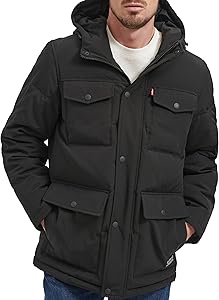
- Shell: Water-resistant Arctic cloth
- Insulation: Quilted padded lining
- Closure: Hidden zipper with snap buttons
- Hood: Adjustable drawcord hood
The Levi’s Arctic Parka offers classic winter protection with a clean, everyday look. Its water-resistant shell helps shield against snow and light rain, while the padded insulation delivers warmth without feeling overly bulky. This makes it comfortable for daily wear in cold conditions.
The adjustable hood and secure dual-closure system help lock in heat when temperatures drop. With a simple design and reliable performance, this parka works well for casual outings, commuting, and general winter use.
- Pros: Lightweight warmth, classic style, comfortable fit, easy layering
- Cons: Not ideal for extreme cold, limited advanced features
7. Steve Madden Women’s Winter Coat

- Insulation: Heavy quilted padding
- Lining: Plush faux sherpa interior
- Length: Mid-thigh coverage
- Shell: Water-resistant material
The Steve Madden Women’s Winter Coat blends fashion-forward style with practical warmth. Designed with heavy insulation and a soft sherpa lining, it keeps you cozy during cold winter days. The mid-length cut provides good coverage without restricting movement.
A detachable hood, adjustable waist, and multiple pockets add flexibility and function. This coat is ideal for everyday wear, commuting, or casual winter outings when you want warmth with a modern look.
- Pros: Stylish design, warm lining, versatile fit, good everyday comfort
- Cons: Not designed for extreme cold, lighter weather resistance
See the Steve Madden Women’s Winter Coat
8. JYG Winter Thicken Coat

- Shell: High-density polyester fabric
- Lining: Thick woolen cotton lining
- Hood: Detachable faux fur hood
- Pockets: Multiple secure storage pockets
The JYG Winter Thicken Coat is designed for reliable warmth in very cold weather. Its thick lining and insulated build help trap heat, while the durable outer shell resists wind and light snow. The plush hood adds extra comfort and protection for your head and ears.
This coat includes multiple pockets for convenience and a secure front closure to block cold air. Suitable for daily wear, office use, or outdoor activities, it offers both practicality and warmth throughout winter.
- Pros: Very warm, durable fabric, multiple pockets, good wind protection
- Cons: Heavier feel, less breathable during activity
See the JYG Winter Thicken Coat
How to Choose a Parka for Extreme Cold
When temperatures plummet far below freezing and the wind bites with a vengeance, your everyday winter coat simply won’t suffice. Venturing into extreme cold requires a dedicated fortress of insulation and weather protection: a true extreme-cold parka. Choosing the right one is not just about comfort; it’s a critical decision for safety and functionality. This guide will walk you through the key features and considerations to ensure you select a parka that will keep you warm and protected in the harshest conditions.
Understanding the Mission: Defining “Extreme Cold”
Before diving into features, it’s crucial to define your environment. “Extreme cold” can mean different things to different people and activities.
Climate and Activity Level
Are you facing dry, arctic cold of -40°C/F, or a damp, windy -10°C (14°F) in a coastal city? Will you be static (like waiting for a bus or watching an outdoor event) or active (like winter hiking or dog-sledding)? Static situations demand maximum, non-breathable insulation. High-output activities require a balance—extreme warmth can lead to sweat, which then chills you. Match the parka’s specification to your coldest static scenario.
Duration of Exposure
A 15-minute walk to work in a cold city has different requirements than a week-long winter camping expedition. Longer exposure times demand more robust features, better moisture management, and higher quality materials to maintain performance.
The Anatomy of an Extreme Cold Parka: Core Features
Every part of a serious parka plays a specific role in heat retention and protection.
1. Insulation: The Warmth Engine
This is the most critical component. You have two primary choices, each with pros and cons.
Down Insulation
Nature’s supreme insulator. Goose down (especially from mature birds) offers the best warmth-to-weight ratio, providing exceptional loft that traps warm air. Look for a high Fill Power (700 and above)—this indicates loftiness—and a high Fill Weight (the total amount of down, often 200g+ for extreme cold). It compresses well but loses virtually all insulating power when wet. Best for dry, cold climates.
Synthetic Insulation
Materials like PrimaLoft® Gold, Thermore®, or 3M Thinsulate™ mimic down’s loft with polyester fibers. They are heavier and less compressible than down for equivalent warmth, but they retain insulating power when damp and dry faster. They are also often more affordable. Best for damp, humid cold or variable conditions where getting wet is a risk.
Insulation Layout
Look for strategic placement: continuous insulation across the torso, high amounts in the sleeves, and generous coverage in the hood. Baffle-box construction (stitched-through boxes) prevents down from shifting and creating cold spots.
2. Weatherproof Shell: The First Line of Defense
The outer fabric must block wind and moisture. A high-quality, durable water repellent (DWR) finish is essential to make water bead up and roll off. The shell should be made of a tightly woven, rugged fabric like nylon or polyester, often with a denier rating of 70D or higher for durability. For the utmost protection, ensure the parka has fully taped seams throughout, which prevents water from seeping in through the stitch lines.
3. Hood: Your Personal Shelter
A non-negotiable feature for extreme cold. The hood must be insulated, adjustable, and large enough to fit over a beanie or fleece hat. Look for a stiffened, or “rigid,” brim that shields your face from falling snow and wind. A ruff of real or synthetic fur is highly functional—it disrupts wind flow around your face, prevents ice build-up from your breath, and protects the hood’s opening. Modern synthetic ruffs can perform very well and are often vegan-friendly.
4. Cuffs, Hem, and Closures: Sealing the Warmth In
Details make the difference between good and legendary warmth.
Cuffs: Should have adjustable Velcro® or snap closures to seal tightly over gloves, blocking wind from rushing up your sleeves.
Hem: A longer length that covers your hips and rear is key. It must have an adjustable drawcord to snug it against your body, preventing cold air from entering from below.
Zippers: A robust, two-way main zipper allows ventilation from the bottom. A wind flap or storm flap behind the zipper, preferably with snap or Velcro closures, is essential to stop wind penetration. Magnetic closures on flaps are a premium feature for easy use with gloves.
5. Pockets: Strategic Storage
Pockets are not just for storage; they are auxiliary warming chambers. Look for:
- Insulated hand-warmer pockets, preferably lined with fleece.
- A chest pocket, often with a fleece lining, for protecting electronics or goggles.
- Internal drop pockets for secure item storage.
- Napoleon-style (chest-height) pockets that are accessible while wearing a backpack hip belt.
Fit and Sizing: The Critical Interface
An extreme-cold parka should have a regular or relaxed fit. It is not meant to be slim. You need ample room underneath to layer effectively with a base layer, a mid-layer (like a fleece or sweater), and possibly an insulated vest. You should be able to move your arms freely without restriction. Always try the parka on with your intended layers. Consider length; a longer parka (thigh or knee-length) provides significantly more core warmth than a hip-length jacket.
Brands and Budget: Investing in Protection
Extreme cold parkas are a serious investment. Renowned brands like Canada Goose, Arc’teryx, Fjällräven, Patagonia, and The North Face have proven reputations for quality, rigorous testing, and ethical sourcing. However, they command premium prices. Excellent value can be found from brands like Outdoor Research, Marmot, or Rab. Set a realistic budget, but understand that with parkas, you often get what you pay for in terms of materials, durability, and warranty.
Final Checklist Before You Buy
- Temperature Rating: Does the manufacturer provide a reliable, tested comfort rating that matches your needs?
- Weight: Are you okay with a heavier parka for ultimate warmth, or do you prioritize mobility?
- Durability: Is the fabric robust enough for your use (city vs. backcountry)?
- Care Instructions: Can you easily wash and re-treat the DWR coating? Proper care is vital for longevity.
- Warranty: A strong warranty reflects the manufacturer’s confidence in their product.
Choosing a parka for extreme cold is a systematic process of matching technical specifications to your specific environmental and personal needs. By prioritizing high-quality insulation, a fully-featured design, and a proper fit for layering, you can invest in a piece of gear that transforms a hostile winter environment into a landscape of awe-inspiring beauty you can comfortably enjoy. Your perfect parka isn’t just a purchase; it’s your key to unlocking the silent, stark wonder of the world’s coldest places.