Best Small Hiking Backpacks of 2026
Looking for a small hiking backpack that’s just right for your day on the trail? You don’t need a giant, heavy bag for a short adventure. The best small packs are light, comfortable, and have enough space for your water, snacks, and jacket. This guide will help you find a simple, reliable backpack that makes your hike more fun and less fuss. Let’s find your perfect match!
1. REI Co-op Flash 22

- Frame Type: Frameless
- Weight: 14 ounces
- Gear Capacity: 22 liters
- Material: 70-denier recycled ripstop nylon
The REI Co-op Flash 22 is a masterclass in minimalist design, offering an ultralight solution for hikers who want to move fast without unnecessary bulk. Its frameless construction allows it to be incredibly lightweight and packable, making it an excellent choice for a summit pack or a dedicated day bag. The top-loading design is simple yet effective, and the inclusion of a hipbelt ensures the load stays secure during more technical maneuvers on the trail.
Despite its light weight, this pack does not skimp on essential features like reservoir compatibility and multiple exterior pockets for organization. The use of bluesign-approved recycled nylon reflects a commitment to sustainability without sacrificing durability. While it lacks a built-in raincover, the polyurethane coating provides a decent level of initial moisture resistance. This is a versatile, no-frills companion for those who prioritize a low-profile carrying experience and environmental consciousness during their outdoor adventures.
Pros: Extremely lightweight, eco-friendly materials, versatile for travel.
Cons: Lacks back support for heavy loads, no raincover included.
2. Teton Oasis/Trailrunner

- Hydration: 2-liter bladder included
- Capacity: 18L/22L options
- Shoulder Straps: High-density foam with mesh
- Protection: Weather-guarded zippers and rain cover
The Teton Oasis and Trailrunner series are built specifically for enthusiasts who demand hydration on the move. By including a high-quality 2-liter water bladder with a kink-free tube, Teton ensures you are ready for the trail right out of the box. The insulated pocket is a thoughtful addition that keeps your water cool even during scorching afternoon hikes. Its athletic cut and fully adjustable straps make it suitable for a wide range of body types, including youth and adults.
Beyond hydration, the pack is surprisingly rugged with weather-guarded zippers and a sewn-in rain cover to protect your gear from sudden downpours. The bungee cord system is perfect for stashing a discarded jacket or a bike helmet quickly. While it is designed to be low-profile, the organized storage compartments provide plenty of room for snacks and tools. It strikes a fine balance between a dedicated hydration vest and a traditional daypack, making it ideal for cycling and running.
Pros: Bladder included, built-in rain cover, very affordable.
Cons: Limited back ventilation, bladder can be difficult to dry.
See the Teton Oasis/Trailrunner
3. Osprey Daylite

- Gear Capacity: 13 liters
- Weight: 1 lb. 1 oz.
- Laptop Fit: 13-inch compartment
- Material: 300D/600D recycled polyester
The Osprey Daylite is perhaps one of the most iconic small daypacks on the market, known for its sleek profile and everyday utility. At 13 liters, it is compact but surprisingly capable, featuring a dedicated sleeve that can hold either a 13-inch laptop or a hydration reservoir. This dual-purpose design makes it a seamless transition piece from the office to the local trailhead. The build quality is exceptional, utilizing high-denier recycled fabrics that are both durable and sustainable.
The frameless design keeps the pack nimble, while the simple hipbelt helps stabilize the load when you are walking. It features three exterior pockets which are perfect for keeping small essentials like keys or a phone within reach. While it may be too small for all-day winter hikes requiring bulky layers, it excels as a commuter bag or a light summer daypack. Its reputation for longevity and Osprey’s attention to detail in the mesh-covered back panel ensure a comfortable carry for years to come.
Pros: Multi-functional for travel/office, highly durable, sustainable fabrics.
Cons: Small capacity, basic hipbelt offers little weight transfer.
4. HMG Elevate 22

- Material: Dyneema Composite Hybrid
- Weight: Approx. 1 lb. 1.7 oz. (Medium)
- Torso Sizes: S, M, L available
- Capacity: 22 liters
The Hyperlite Mountain Gear Elevate 22 is a premium option for those who live by the ultralight philosophy. Constructed from Dyneema Composite Hybrid, this pack is practically waterproof and incredibly resistant to abrasions despite its featherweight feel. Unlike many “one size fits all” daypacks, the Elevate comes in specific torso sizes to ensure a precise fit. This level of customization is rare for a 22-liter bag and significantly improves comfort during long, strenuous climbs in the backcountry.
The design is strikingly clean, featuring a top-loading roll-top style that allows you to compress the volume based on your load. The Dyneema stretch mesh on the exterior pockets is far more durable than standard mesh, resisting snags from branches and rocks. It is a highly specialized piece of gear intended for hikers who want the absolute best in material science. While it carries a higher price point, the combination of weight savings and extreme durability makes it a favorite for serious peak baggers.
Pros: High-end Dyneema fabric, waterproof material, multiple sizes.
Cons: Very expensive, minimalist design lacks internal organization.
5. Maelstrom Hiking Backpack

- Capacity: 40 liters
- Material: 210D rip-stop nylon
- Special Feature: Waterproof wet pocket
- Safety: Survival whistle and reflective signs
The Maelstrom 40L backpack is a robust, high-capacity solution for hikers who need to carry more than just the essentials. Its standout feature is the incredible organization, boasting a main compartment, a dedicated wet pocket for sweaty clothes, and multiple zipper pockets on the waist and front. The 210D nylon fabric is treated for water resistance, but the inclusion of a hidden rain cover ensures your electronics stay bone-dry during heavy storms. It is a versatile beast that works for camping and fishing.
Comfort is prioritized through an ergonomic breathable back design and thick padding on the shoulder straps. The adjustable chest buckle even doubles as a survival whistle, highlighting the brand’s focus on safety for outdoor enthusiasts. Unique touches like a headphone hole and trekking pole fasteners make it a modern choice for those who enjoy technology and utility on the trail. Despite its large 40L capacity, it remains lightweight enough to meet the size requirements for most major airline carry-ons.
Pros: Huge storage capacity, excellent organization, includes rain cover.
Cons: Can be bulky for short walks, nylon is thinner than premium brands.
See the Maelstrom Hiking Backpack
6. Osprey Talon 22

- Frame: Aluminum peripheral hoop
- Weight: 2 lbs. 6.1 oz.
- Access: Panel loading
- Pockets: 6 exterior + hipbelt pockets
The Osprey Talon 22 is widely regarded as one of the most comfortable daypacks ever made, thanks to its internal aluminum frame and highly adjustable torso length. Unlike frameless bags, the Talon uses a peripheral hoop to transfer weight effectively to your hips, making a 22-liter load feel significantly lighter. The panel-loading design provides easy access to all your gear without digging from the top. It is built from high-tenacity recycled nylon, ensuring it can handle rough terrain and frequent use.
What sets the Talon apart is the inclusion of functional hipbelt pockets, allowing you to grab snacks or a camera without taking the pack off. It also features a dedicated external reservoir sleeve, making refills much easier than internal designs. While it is heavier than some ultralight competitors, the trade-off is superior ventilation and support. This is the go-to pack for hikers who prioritize technical performance and a perfect fit over the absolute lightest weight possible for their day trips.
Pros: Superior weight distribution, adjustable torso, breathable back panel.
Cons: Heavier than frameless options, no included rain cover.
7. WATERFLY Small Backpack

- Capacity: 20 liters
- Weight: 10.2 ounces
- Design: Foldable and packable
- Zippers: Durable SBS zippers
The WATERFLY Small Backpack is the ultimate “just in case” accessory for travelers and casual hikers. Its most impressive feature is the ability to fold down into a tiny 8.7 by 6.3 inch pouch, allowing you to tuck it into a suitcase until you reach your destination. Weighing only 10.2 ounces, it is virtually unnoticeable when empty. Despite this packability, it unfolds into a full 20-liter daypack that is perfectly suited for city tours, theme parks, or light forest walks.
The use of recycled nylon and SBS zippers shows a surprising level of quality for a foldable bag. While it lacks the rigid structure and padding of a dedicated mountain pack, the polyester linings help mitigate shoulder stress for light loads. It includes several compartments, including a removable zipper pocket, which is rare for bags in this category. For those who need a versatile, space-saving bag that can handle spontaneous adventures or extra souvenirs, this is an incredibly practical and affordable choice.
Pros: Extremely packable, very low price, environmentally friendly.
Cons: No back support, shoulder padding is minimal.
See the WATERFLY Small Backpack
8. REI Co-op Trail 25

- Frame: HDPE framesheet
- Capacity: 25 liters
- Raincover: Included (70D nylon)
- Material: 210-denier ripstop nylon
The REI Co-op Trail 25 is a rugged, reliable workhorse designed for hikers who want a little extra room and a lot of protection. Featuring an HDPE framesheet, this pack provides excellent structure that prevents gear from poking into your back while maintaining a stable carry. The 25-liter capacity is the “Goldilocks” size for many, offering enough room for the ten essentials plus extra layers and food. It also features a hybrid top/panel access system for maximum convenience.
One of the best values in this pack is the included raincover, which is stashed in its own pocket and ready for a quick deploy. This saves you the extra expense and hassle of buying a separate cover. The Trail 25 is also available in an extended range of sizes, including 4XL, ensuring that hikers of all body shapes can find a comfortable and supportive fit. It is a no-nonsense, durable gear piece that performs consistently well across various climates and terrain types.
Pros: Includes raincover, great price-to-feature ratio, inclusive sizing.
Cons: A bit heavier than minimalist packs, styling is very traditional.
9. SKYSPER Small Hiking Backpack
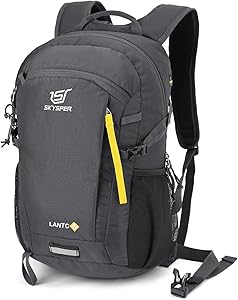
- Capacity: 20 liters
- Weight: 1.1 lbs.
- Material: 600D polyester and 210D nylon
- Safety: Anti-theft zippers and rescue guide
The SKYSPER 20L Hiking Backpack manages to blend fashion with high-level functionality for the modern outdoor enthusiast. Built from a tough combination of 600D polyester and nylon plaid, it is exceptionally resistant to tearing and water. The grooved carrying system on the back is a standout feature, designed specifically to encourage airflow and reduce sweating during high-intensity climbs. This makes it an excellent choice for summer day hikes or fast-paced city excursions where comfort is key.
Safety is a major theme for SKYSPER, as evidenced by the anti-theft zipper design and the unique emergency rescue guide printed inside. The pack is also highly customizable with detachable straps and a chest whistle. The trekking pole fixtures are well-placed, allowing you to secure your gear when not in use. With its contrasting embroidery and sleek profile, this bag looks just as good in a metropolitan setting as it does on a mountain trail, offering great versatility for travel.
Pros: High-density durable fabric, breathable back system, safety-focused.
Cons: Smaller volume for winter use, hip straps are thin.
See the SKYSPER Small Hiking Backpack
10. IX INOXTO Hiking Backpack

- Hydration: 3L bladder included
- Frame: Steel frame support
- Suspension: 3D touch suspension system
- Access: Bottom pocket for main compartment
The IX INOXTO Hiking Backpack is an feature-packed powerhouse designed for those who want a technical suspension system at an accessible price. It utilizes a 3D touch suspension system supported by a steel frame, which is rare for packs of this size. This structure ensures that the load is distributed evenly, significantly reducing muscle fatigue on long journeys. The inclusion of a large 3-liter hydration bladder makes it one of the best hydration values currently available for long-distance day hikers.
Organization is a breeze with this bag, featuring specialized hip pockets and a bottom access point that lets you reach items at the base of the pack without unpacking everything. It even includes a separate compartment for shoes or dirty laundry, making it an excellent travel companion. The reflective design and included rain cover add layers of safety and weather protection. It is a comprehensive package for anyone looking to step up their hiking game with a pack that offers serious back support.
Pros: Large 3L bladder, steel frame support, bottom access zipper.
Cons: Slightly heavier due to steel frame, bladder tube is quite long.
See the IX INOXTO Hiking Backpack
Your Complete Guide to Choosing the Perfect Small Hiking Backpack
Heading out for a day on the trail is one of life’s simplest joys. Whether you’re chasing a waterfall, climbing to a summit vista, or just exploring a local forest, having the right gear is key—and it all starts with your pack. A small hiking backpack, typically defined as having a capacity between 10 and 30 liters, is the unsung hero of day hiking. Unlike a heavy, bulky backpacking pack or a flimsy school bag, a dedicated daypack is designed for comfort, organization, and efficiency on the move. But with so many options, how do you choose the right one? This guide will walk you through the essential steps to find your perfect match.
Step 1: Define Your Adventure Style and Capacity Needs
Before looking at any specific packs, think about what you actually do on the trail. Your typical outing dictates the size and features you’ll need.
The Casual Day Walker (10-20 Liters)
If your hikes are shorter, on well-maintained trails, and in generally fair weather, a streamlined pack in this range is perfect. It comfortably holds the absolute essentials: water (1-2 liters), a light jacket, some snacks, a small first-aid kit, and your phone. This is a great size for fast-paced hikes where you want to feel unburdened.
The All-Day Explorer (20-30 Liters)
This is the sweet spot for most dedicated day hikers. It accommodates gear for longer distances, variable weather, and more remote destinations. You can pack extra layers (like a fleece and rain shell), a more substantial lunch, a headlamp, trekking poles, a basic emergency shelter, and perhaps a camera. If you hike with kids or a dog, this extra space is invaluable for carrying their supplies, too.
The Fast & Light Summit Seeker (15-25 Liters)
For trail runners, peak baggers, or anyone who values speed and agility, look for packs in this capacity that are designed specifically for “fast-packing” or mountain running. They often have a narrower, more anatomical fit to prevent bouncing and are made from ultra-lightweight materials.
Step 2: Prioritize Comfort and Fit Above All Else
A backpack that doesn’t fit well will ruin your hike faster than a rainstorm. Comfort comes from a design that matches your body and properly distributes weight.
Torso Length is Everything
Unlike clothing size, pack fit is based on your torso length, not your height. Measure from the bony bump at the base of your neck (the C7 vertebra) down to the top of your hip bones (the iliac crest). Many brands offer packs in specific sizes (Small, Medium, Large) based on this measurement. A properly sized pack will sit comfortably on your hips without hitting the back of your head or pulling on your shoulders.
Harness and Hipbelt: The Support System
For packs over 15 liters, a padded, contoured hipbelt is crucial. It transfers the weight from your shoulders to your stronger hip muscles. The shoulder straps should be S-shaped to follow your body’s contour, with ample padding that doesn’t dig in. Look for a sternum strap that slides vertically; this helps stabilize the load and takes pressure off your shoulders.
Ventilation: Stay Cool and Dry
Your back gets sweaty. Many modern packs feature a suspended mesh back panel. This design lifts the bulk of the pack away from your back, allowing air to circulate. This ventilation is a major upgrade in comfort, especially on warm days.
Step 3: Evaluate Key Features and Functionality
Once you know your size and capacity, it’s time to look at the features that make a pack useful on the trail.
Access: How Do You Get Your Gear?
Top-Loading: Traditional and simple, often with a drawstring closure and a floating lid. It’s durable but can mean digging for items at the bottom.
Panel-Loading (Front or Side): Features a zipper that opens the pack like a suitcase, giving you a clear view of all your contents. Excellent for organization.
Hybrid Access: Many daypacks now offer both a top lid and a front or side panel zipper, giving you the best of both worlds.
Hydration Compatibility
This is a near-essential feature. Look for a dedicated internal sleeve that holds a water reservoir (bladder), plus a port at the top for the hose to route through. Clips on the shoulder straps keep the drinking valve handy.
Pockets and Organization
Think about how you like to organize. Do you want a large, open main compartment, or lots of specific pockets?
– Lid Pocket: Perfect for small, frequently needed items like sunscreen, lip balm, or a map.
– Stretch Mesh Side Pockets: Ideal for water bottles you can grab without taking off your pack. Check if they’re angled for easier access.
– Hipbelt Pockets: Incredibly useful for snacks, a camera, or your phone—items you need constantly.
– Front Stretch Pocket: Great for stashing a wet jacket or layer you might need to access quickly.
Attachment Points
Look for gear loops (for trekking poles, ice axes, or carabiners), compression straps (to stabilize the load and shrink the pack when it’s not full), and perhaps a light loop for a headlamp. These features add versatility.
Step 4: Consider Materials, Weight, and Durability
A pack is an investment, and the materials determine how long it will last.
Fabric and Denier
Pack fabric is measured in denier (D), which refers to the thickness of the threads. A higher denier means a heavier, more durable fabric. For daypacks, you’ll commonly see:
– Robust (e.g., 300D-600D polyester/nylon): Heavier, highly resistant to abrasion from rocks and scrambling. Ideal for rough, off-trail use.
– Lightweight (e.g., 100D-210D ripstop nylon): Used in running or fast-hiking packs. Very light but less resistant to sharp punctures.
Many packs use a combination, placing tougher fabric on the high-wear bottom and sides.
Zippers, Buckles, and Stitching
Check the quality of the components. Zippers should be sturdy, ideally YKK brand. Buckles should feel solid, not flimsy. Stitching should be even and tight, with bar-tacking at stress points (like strap anchors). A lifetime warranty from the brand is a good sign of confidence in their construction.
Step 5: The Final Checklist and Fitting
You’ve done your research. Now, it’s time to make a decision.
Try It On (If Possible)
Visit an outdoor retailer with the gear you plan to carry. Load the pack with weight. Adjust all the straps—hipbelt first, then shoulder straps, then sternum strap. Walk around the store. Does it feel balanced? Does the hipbelt sit comfortably on your hip bones without sliding down? Can you reach the side water bottles easily? A good pack should feel like a natural extension of your body.
Ask the Final Questions
– Does it have all the non-negotiable features for my type of hiking?
– Is the weight of the empty pack acceptable for the durability it offers?
– Does the color/design appeal to me? (While subjective, you’re more likely to use a pack you like!)
– Does it fit within my budget? Remember, a well-made pack can last a decade or more.
Conclusion: Ready for the Trail
Choosing the right small hiking backpack isn’t about finding the pack with the most features or the flashiest look. It’s about finding the tool that best fits your body and your adventures. By carefully considering your needs, prioritizing fit and comfort, and understanding the utility of different features, you can select a pack that will reliably carry your essentials for countless miles. The perfect daypack becomes a trusted companion, quietly doing its job so you can focus on the beauty of the trail ahead. Now, get your gear, load up your new pack, and go explore.