Best Budget Hydration Packs of 2026
Looking for a handy way to carry water on your hike or bike ride without spending too much? A budget hydration pack is the perfect answer. These packs combine a water bladder with a comfortable backpack, keeping you hydrated on the go. You don’t need to break the bank for quality and convenience. Our guide rounds up the best affordable options, helping you find a reliable pack that fits your adventures and your wallet perfectly.
1. REI Co-op Trailmade 10

- Gear Capacity: 10 liters
- Liquid Capacity: 1.5 liters
- Weight: 9 ounces
- Material: 300-denier recycled polyester
The REI Co-op Trailmade 10 is an excellent entry-level hydration pack designed for those who value simplicity and sustainability. Its frameless design makes it incredibly lightweight at just 9 ounces, ensuring it won’t weigh you down during short day hikes or quick trail runs. The use of bluesign-approved recycled polyester reflects a commitment to eco-friendly manufacturing without sacrificing the durability needed for rugged outdoor environments.
Functionality is straightforward with a panel-access main compartment and a dedicated 1.5-liter reservoir. While it lacks a complex suspension system, the broad torso fit range makes it versatile for different body types. It is best suited for minimalists who only need to carry the essentials, such as a light shell and snacks. This pack provides a streamlined experience for casual adventurers looking for quality at a competitive price point.
Pros: Ultra-lightweight, eco-friendly materials, affordable price.
Cons: Low water capacity, minimal pocket organization.
See the REI Co-op Trailmade 10
2. N NEVO RHINO Hydration Backpack
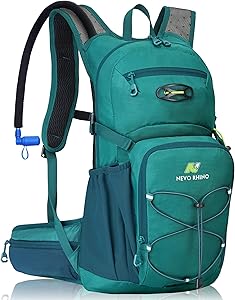
- Total Capacity: 18 liters
- Liquid Capacity: 3 liters
- Bladder Material: BPA-free PEVA
- Material: 100% Nylon
The N NEVO RHINO Hydration Backpack is a high-capacity option built for long days on the trail. Featuring an 18-liter gear capacity and a large 3-liter reservoir, it ensures you stay hydrated and prepared for changing weather conditions. The standout feature is the thermal insulated bladder compartment, which keeps water cold for up to five hours, making it a reliable companion for hot summer excursions or intense hiking trips.
Comfort is prioritized through ventilated mesh cushioning on the shoulder straps and back panel, promoting airflow to reduce sweat buildup. The pack is highly organized, offering three zippered compartments and convenient waist pouches on the belt for quick access to valuables. Reflective strips are included to enhance safety during low-light conditions. It is a robust, all-in-one solution for hikers who require significant storage and superior water insulation.
Pros: Excellent insulation, high water capacity, great organization.
Cons: Bulkier than minimalist packs, nylon can be stiff initially.
See the N NEVO RHINO Hydration Backpack
3. Gregory Nano 18 H2O

- Gear Capacity: 18 liters
- Liquid Capacity: 3 liters
- Weight: 1 lb. 2.9 oz.
- Access: Top-loading
The Gregory Nano 18 H2O is a versatile, high-performance pack that bridges the gap between a daily commuter and a serious trail bag. It features a top-loading design that allows for easy packing and access to the 18 liters of gear space. The included 3-liter reservoir utilizes a convenient bite valve with a shut-off switch, preventing annoying leaks while you are on the move. Its build quality is exceptional, utilizing high-density recycled nylon for durability.
The suspension system uses perforated foam to provide breathable support, while the removable hipbelt adds stability when the pack is fully loaded. With three exterior pockets and a dedicated hydration sleeve, organization is intuitive and efficient. This pack is ideal for users who want a multi-functional bag that performs just as well on a mountain summit as it does on a trip to the local park. It strikes a perfect balance of weight and utility.
Pros: Versatile design, leak-proof bite valve, comfortable suspension.
Cons: Top-loading can make reaching bottom items difficult, slightly heavier.
See the Gregory Nano 18 See the Gregory Nano 22
4. Osprey Skimmer 16 – Women’s

- Frame Type: Internal Frame (Atilon framesheet)
- Liquid Capacity: 2.5 liters
- Torso Fit: 15-18 inches
- Weight: 1 lb. 0.8 oz.
The Osprey Skimmer 16 is a women-specific hydration pack that emphasizes comfort and load stability. Unlike many small packs, it features an internal frame with an Atilon framesheet and EVA foam, which helps distribute weight evenly across the back. This makes it a great choice for hikers who carry a bit more gear but want to avoid shoulder strain. The 2.5-liter reservoir is a perfect middle ground for medium-length treks.
The top-access design is sleek and minimalist, yet the pack still offers essential features like a hipbelt and a bite valve shut-off switch. The recycled high-tenacity nylon construction ensures it can withstand scrapes against rock and brush. It fits smaller frames perfectly, providing a secure and ergonomic carry. For women seeking a reliable, technical pack with a refined fit and classic Osprey durability, the Skimmer 16 is a top-tier contender for any outdoor adventure.
Pros: Excellent weight distribution, women-specific fit, durable frame.
Cons: Fewer exterior pockets, limited torso adjustment.
See the Skimmer 16 See the Skimmer 20 See the Skimmer 28
5. Unigear Hydration Pack
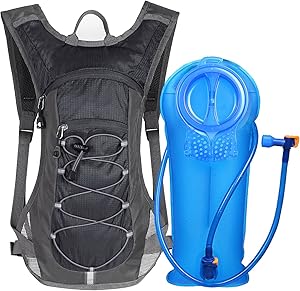
- Liquid Capacity: 2 liters
- Weight: 1.1 lbs (with bladder)
- Waist Fit: Up to 50 inches
- Material: Splash-resistant Nylon
The Unigear Hydration Pack is designed for high-intensity aerobic activities such as marathon training, cycling, and trail running. Its aerodynamic and compact profile minimizes wind drag, while the adjustable chest and waist straps ensure the pack remains bounce-free during vigorous movement. The inclusion of a 2-liter BPA-free bladder with a wide screw cap makes it easy to add ice cubes, keeping your water refreshing throughout your workout sessions.
While the pack is primarily focused on hydration, it includes a small front pocket for essentials like keys or energy bars. The splash-resistant nylon construction provides peace of mind when caught in light rain, protecting your belongings. This pack is a budget-friendly option for athletes who prioritize stability and a lightweight feel over large storage capacity. It is a reliable, no-frills performer that handles the rigors of daily training with ease and comfort.
Pros: Very stable during movement, fits many sizes, budget-friendly.
Cons: Very limited gear storage, simple back padding.
See the Unigear Hydration Pack
6. Osprey Manta 24

- Gear Capacity: 24 liters
- Frame: 4 mm LightWire internal
- Weight: 3 lbs. 5.28 oz.
- Raincover: Included
The Osprey Manta 24 is a premium, full-featured hydration pack designed for serious hikers who demand the best in ventilation and organization. It features a suspended mesh back panel that creates an air gap between the pack and your back, providing unmatched cooling on hot days. With a 24-liter gear capacity and a 2.5-liter reservoir, it is large enough for all-day excursions, including extra layers, food, and emergency gear.
This pack is loaded with technical features, including an adjustable torso length, five exterior pockets, and dedicated hipbelt pockets for easy access to snacks or a phone. It even includes an integrated raincover for unpredictable mountain weather. While it is the heaviest pack on this list, the advanced LightWire frame transfers weight so effectively to the hips that it feels lighter than it is. It is the ultimate choice for comfort and features on long trails.
Pros: Exceptional ventilation, highly adjustable, includes raincover.
Cons: Significantly heavier, higher price point.
See the Osprey Manta 24 See the Osprey Manta 34
7. KUYOU Hydration Vest
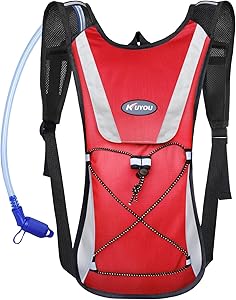
- Material: Lightweight breathable mesh/Nylon
- Safety: Reflective article design
- Bladder: Pressure-tolerant/Leak-proof
- Straps: Adjustable wide-webbed
The KUYOU Hydration Vest is a minimalist and affordable solution for runners and bikers who want to stay hydrated without the bulk of a traditional backpack. The vest-style design uses wide, webbed shoulder straps to distribute the load comfortably across the upper body, reducing shoulder fatigue. It features a breathable mesh back panel that excels at heat dissipation, making it very comfortable for high-output activities in warm weather.
Included with the vest is a durable water bladder featuring a simple pull-to-drink mouthpiece, eliminating the need for complex bite valves. The pack is organized into two layers: one specifically for the reservoir and another for small essentials like your phone, keys, or a compass. With its reflective safety accents and lightweight construction, it is a practical choice for those who need a low-profile hydration solution for shorter, fast-paced outdoor adventures.
Pros: Very breathable, vest-style comfort, low price.
Cons: Minimal storage space, basic adjustment system.
8. CamelBak Hydrobak

- Liquid Capacity: 1.5 liters (50 oz)
- Reservoir Type: Crux with ergonomic handle
- Back Panel: Ventilated air mesh
- Warranty: Got Your Bak Lifetime Guarantee
The CamelBak Hydrobak is the definitive minimalist hydration pack, perfect for cyclists or runners who want the smallest footprint possible. It is centered around the 1.5-liter Crux reservoir, which is designed to deliver 20% more water per sip compared to standard valves. The ergonomic handle makes refilling quick and easy, which is ideal during short breaks on a ride. Its slim profile ensures it stays out of the way of your movement.
Despite its small size, it includes a ventilated air mesh back panel and harness to keep you cool. There is a single small zippered pocket for your most essential items, such as a multi-tool or car keys. Backed by a lifetime guarantee, the Hydrobak is built for longevity and reliability. It is an excellent choice for those who want a light, high-quality pack for quick sessions where carrying gear isn’t a priority, only water.
Pros: Iconic reliability, high-flow bite valve, very compact.
Cons: Extremely limited storage, not for long trips.
How to Choose Budget Hydration Packs
Staying hydrated is the most critical aspect of any outdoor activity, whether you are mountain biking through rugged terrain, trail running in the heat, or embarking on a long-distance hike. While premium hydration packs can cost a small fortune, the market for budget-friendly alternatives has exploded, offering high-quality features without the steep price tag. Choosing a cheap hydration pack requires a balance between cost-efficiency and functional reliability.
Understanding Your Primary Activity
The first step in selecting a budget hydration pack is defining how you plan to use it. Not all packs are created equal, and a bag designed for a short jog will fail a hiker on an all-day trek. Budget packs are generally categorized by the activity they best support.
Running and Fast-Paced Activities
For runners, a hydration “vest” style is often preferred over a traditional backpack. Budget running packs focus on a snug, “bounce-free” fit. Look for packs that sit higher on the back and feature adjustable sternum straps. Since you are moving quickly, weight is your enemy; a pack that holds 1 to 1.5 liters of water is usually sufficient for these activities.
Hiking and Trekking
Hikers need more than just water; they need room for snacks, an extra layer of clothing, and perhaps a small first-aid kit. An inexpensive hiking hydration pack should offer a gear capacity of at least 10 to 20 liters in addition to the water reservoir. Look for wider shoulder straps and a basic waist belt to help distribute the weight of your gear across your hips rather than just your shoulders.
Cycling and Mountain Biking
Cyclists require a low-profile, aerodynamic design. A budget pack for biking should feature a stable fit that doesn’t shift when you lean forward over the handlebars. Ventilation is also key, as the physical exertion of climbing hills can lead to significant back sweat. Look for “air mesh” back panels that allow for airflow between the pack and your body.
Key Features to Evaluate in Cheaper Models
When you are shopping in the budget category, you must be discerning about which features are essential and which are marketing fluff. Here are the core components to inspect before making a purchase.
The Reservoir (The Bladder)
The reservoir is the most important part of the pack. In budget models, this is often where manufacturers cut corners. Ensure the bladder is made of BPA-free material, such as TPU or PEVA. Check the opening mechanism; a wide-mouth “slide” or “screw-cap” opening is much easier to clean and allows you to add ice cubes. A high-quality bite valve is also essential to prevent leaking while you walk.
Material and Durability
Most cheapest packs are made from nylon or polyester. Look for a “denier” rating (represented by a number followed by ‘D’, such as 210D or 600D). A higher denier indicates a thicker, more durable fabric. While you might not get the ultra-lightweight high-tech fabrics of premium brands, a 300D-600D polyester pack will offer excellent abrasion resistance for a fraction of the cost.
Adjustment and Fit
A pack is only useful if it fits correctly. Even on a budget, you should look for multiple points of adjustment. At a minimum, the pack should have adjustable shoulder straps and a sternum (chest) strap. If you plan on carrying more than 2 liters of water, a waist strap becomes vital for stability. Check the “torso length” specifications to ensure the pack matches your body dimensions.
Storage and Organization
Even on a budget, you shouldn’t have to throw all your gear into one giant “black hole” pocket. Effective organization helps you find what you need without emptying the entire bag.
Pocket Configuration
Look for at least one small zippered exterior pocket for valuables like keys, a phone, or a wallet. Mesh side pockets are a bonus for carrying items you need to grab quickly, such as sunscreen or a map. Some budget packs even include “bungee” cord systems on the back, which are perfect for stuffing a damp rain jacket or a hat.
Insulated Compartments
One feature that has become surprisingly common in budget packs is an insulated hydration sleeve. This is a layer of thermal material that sits between the water bladder and the rest of the pack. It can keep your water cool for 3 to 5 hours, which is a massive quality-of-life improvement during summer excursions.
What to Sacrifice (and What Not To)
To hit a lower price point, manufacturers have to make compromises. Knowing what you can live without will help you find the best value.
Weight vs. Price
Premium packs use expensive, thin materials to shave off every possible gram. Budget packs are often a few ounces heavier because they use standard polyester or nylon. Unless you are an elite athlete where every gram counts, the slight weight penalty of a budget pack is usually worth the 50% to 70% cost savings.
Advanced Suspension Systems
High-end packs feature complex internal frames and tensioned mesh back panels. Budget packs typically use simpler foam padding. While less “breathable,” simple foam is perfectly adequate for most 2- to 4-hour activities. However, never sacrifice the “bite valve shut-off” feature; a cheap valve that leaks all over your shirt will ruin your trip regardless of how much money you saved.
Maintenance for Budget Longevity
A budget pack can last for years if you treat the bladder with care. Because the materials might not have the same anti-microbial coatings as top-tier brands, cleaning is paramount.
Cleaning the Bladder
Always empty and hang your bladder to dry immediately after use. If you only drink water, a simple rinse is usually enough. If you use electrolyte powders, you must scrub the tube and the bladder with warm soapy water to prevent mold growth. Pro tip: Store your cleaned, dry bladder in the freezer to completely prevent any bacterial growth between trips.
Final Comparison Checklist
Before clicking “buy” on that affordable hydration pack, run through this final checklist to ensure you’re getting a tool, not a toy:
- Is the bladder capacity sufficient for my average trip duration (1L for 1 hour, 2L for 3+ hours)?
- Does the pack have a sternum strap to prevent shoulder slip?
- Is the material at least 200D-300D to ensure it won’t rip on the first branch it touches?
- Are the zippers sturdy? Look for brands that mention “YKK” or reinforced stitching.
- Does it have reflective elements if I plan to be out near sunset?
Conclusion
Choosing a budget hydration pack is about identifying your “must-have” features while letting go of unnecessary luxuries. By focusing on a reliable reservoir, durable fabric, and a stable fit, you can find a pack that performs 90% as well as its premium counterparts. Whether you choose a classic brand like CamelBak’s entry-level models or a highly-rated newcomer, the best pack is ultimately the one that gets you outside and keeps you moving safely.