Best Merino Wool Hiking Socks of 2026
Looking for the perfect socks to keep your feet happy on the trail? Merino wool socks are a top choice for hikers, and for good reason. They naturally manage moisture, fight off odors, and regulate temperature to keep your feet comfortable in any weather. In this guide, we break down the best merino wool hiking socks to help you find your ideal pair for the adventure ahead.
1. REI Co-op Crew Socks

- Fabric: 79% merino wool, 20% nylon, 1% LYCRA spandex
- Height: Crew
- Cushioning: Light
- Sustainability: Climate Label Certified brand
The REI Co-op Crew Socks are a reliable staple for hikers who prefer a streamlined fit without the bulk of traditional heavy wool socks. These socks excel in moderate conditions where breathability is just as important as insulation. The high merino wool content ensures excellent temperature regulation and odor resistance, making them ideal for multi-day trips where you might need to wear the same pair twice.
In terms of performance, the reinforced heel and toe areas provide durability against friction from hiking boots. The light cushioning offers enough impact protection for maintained trails while allowing your feet to remain cool and dry. Because they are unisex and stretch well, they provide a snug, supportive fit that prevents slipping or bunching inside your footwear during long ascents.
Pros: High wool percentage, sustainable certification, excellent moisture management.
Cons: Light cushioning may not be sufficient for very heavy packs.
2. Alvada Merino Wool Hiking Socks
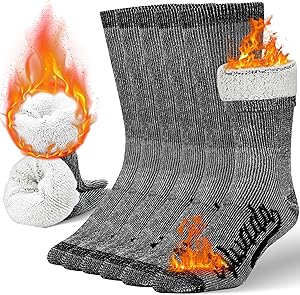
- Material: Merino wool and nylon blend
- Care: Machine washable on cold
- Design: Itch-free calf height
- Feature: Shaped footbed cushioning
Alvada focuses on delivering a comfortable trekking experience by prioritizing plushness and warmth. These socks are specifically engineered for rugged terrain, featuring a shaped cushioning system in the footbed that helps reduce foot fatigue and impact pain. The blend of merino wool and nylon creates a soft texture that eliminates the “itch factor” often associated with lower-quality wool products.
These socks are particularly effective for winter hiking or colder environments, as the thick construction traps heat while actively wicking away moisture. They are designed to stay in place without sliding down the calf, ensuring you do not have to stop to adjust your gear. Maintenance is straightforward, as they are built to withstand standard cold-water machine washing cycles without losing their shape.
Pros: Superior warmth for winter, very soft feel, budget-friendly multi-packs.
Cons: May be too thick for tight-fitting technical boots.
See the Alvada Merino Wool Hiking Socks
3. Darn Tough Hiker Crew

- Fabric: 61% merino wool, 36% nylon, 3% Lycra spandex
- Cushioning: Medium
- Height: Micro Crew
- Gender: Men’s
Darn Tough is legendary in the hiking community for producing socks that are nearly indestructible. The Hiker Crew model features a medium density cushion under the foot, providing a perfect balance of comfort and performance for long-distance backpackers. The high nylon content increases the structural integrity of the sock, ensuring it maintains its shape even after hundreds of miles on the trail.
The performance fit of these socks is exceptional; they are designed to stay put without bunching or causing blisters. With a significant amount of merino wool, they naturally wick sweat and resist bacteria, which keeps your boots smelling fresher. For those seeking a technical sock that offers a bit more protection than a lightweight liner, this is the gold standard for versatility.
Pros: Incredible durability, seamless feel, excellent arch support.
Cons: Premium price point compared to store brands.
4. REI Co-op Quarter Socks

- Height: Ankle / Quarter
- Fabric: 78% merino wool, 21% nylon, 1% LYCRA spandex
- Cushioning: Light
- Properties: Quick drying and moisture wicking
These quarter-height socks are the perfect companion for hikers who prefer low-cut trail runners or approach shoes. By ending just above the ankle, they provide enough coverage to protect against debris while maximizing airflow to the lower leg. The fabric blend is dominated by merino wool, which facilitates rapid drying—a crucial feature for hikers crossing streams or trekking in humid climates.
The light cushioning is strategically placed to protect high-impact zones without adding unnecessary volume. This makes them a great choice for fast-paced hiking or summer excursions where overheating is a concern. Like other REI Co-op wool products, they are produced by a Climate Label Certified brand, appealing to environmentally conscious outdoor enthusiasts who want quality performance gear.
Pros: Very breathable, fast drying time, great for low-cut shoes.
Cons: Does not provide protection against tall brush or ticks.
See the REI Co-op Quarter Socks
5. RUIXUE Hiking Socks

- Blend: 50% Merino Wool, 30% Nylon, 17% Acrylic, 3% Lycra
- Certification: OEKO-TEX and GRS Certified
- Toe Type: Seamless
- Packaging: 3-Pack value
The RUIXUE Hiking Socks offer a technical blend designed for maximum comfort across all four seasons. By combining merino wool with acrylic and nylon, these socks achieve high pill resistance and enhanced durability in the toe and heel. The inclusion of a terry cloth padded sole provides a cloud-like feel, which is specifically intended to prevent blisters during long shifts or intense outdoor activities.
A standout feature is the double certification, ensuring the materials are free from harmful chemicals and utilize recycled content. The mesh ventilation zones on the top of the foot allow for superior breathability, making them suitable for 12-hour shifts or summer trails. With a seamless toe design, users can say goodbye to the annoying friction and pinching that often leads to hot spots.
Pros: Great value 3-pack, eco-friendly materials, prevents pilling well.
Cons: Lower wool percentage than some premium competitors.
6. Smartwool Performance Hike Light

- Fabric: 56% Merino wool, 41% Nylon (inc. recycled), 3% Elastane
- Wool Type: ZQ-certified merino
- Cushioning: Light
- Gender: Men’s
Smartwool’s Performance Hike Light socks are designed for the serious hiker who values precision and sustainability. Featuring ZQ-certified merino wool, these socks guarantee that the wool was sourced with high animal welfare and environmental standards. The light cushioning is placed specifically in the areas that need it most, allowing for a technical fit that works harmoniously with modern, narrow-fitting hiking boots.
The use of recycled nylon in the construction adds a layer of eco-consciousness without sacrificing the sock’s lifespan. These socks are highly breathable and feature advanced moisture-wicking properties that keep feet dry during high-exertion climbs. The elastane ensures that the socks maintain a “second-skin” fit that doesn’t slip, even when wet, making them a top-tier choice for technical terrain and long summer days.
Pros: Ethically sourced wool, very secure fit, high recycled content.
Cons: May feel thin to those used to traditional wool socks.
See the Smartwool Performance Hike Light
7. REI Co-op Trailmade

- Fabric: 36% wool, 33% nylon, 30% recycled polyester, 1% LYCRA
- Height: Mini Crew
- Sustainability: Recycled materials and Climate Label Certified
- Cushioning: Light
The REI Co-op Trailmade socks are a versatile, entry-level option for those who want the benefits of wool at a more accessible price point. The fabric blend incorporates a significant amount of recycled polyester, which aids in durability and quick-drying capabilities. These socks are designed for general outdoor use, from casual walks in the park to weekend day hikes on established forest trails.
Because of the mini-crew height, they offer a bit more protection than an ankle sock while remaining cooler than a traditional crew. The light cushioning provides a comfortable buffer against the footbed without causing the shoe to feel tight. They are a great choice for hikers who prioritize sustainability and want a reliable, all-around sock that can handle various activities throughout the week.
Pros: Very affordable, fast drying, environmentally friendly.
Cons: Lower wool content means less natural odor resistance.
8. Darn Tough Hiker Quarter

- Fabric: 61% merino wool, 37% nylon, 2% spandex
- Height: Quarter / Ankle
- Cushioning: Medium
- Gender: Men’s
The Darn Tough Hiker Quarter is the shortened sibling of the famous crew version, offering the same legendary durability in a more compact package. The medium cushioning provides significant shock absorption, which is rare for a sock of this height. This makes it an excellent choice for rugged summer hiking where you want the protection of a thick sock without the heat of a full crew height.
Constructed with a high density of stitches, these socks resist wearing through at the heels and toes. The moisture-wicking properties of the merino wool are top-notch, keeping your feet comfortable even during high-intensity scrambles. They provide a secure, locked-in feel around the arch, which helps prevent the sock from sliding under the foot—a common complaint with many other quarter-height hiking socks on the market.
Pros: Extremely durable, high-density cushioning, doesn’t slip down.
Cons: Sits low, so it may not work with high-top boots.
See the Darn Tough Hiker Quarter
How to Choose the Perfect Merino Wool Hiking Socks
For many outdoor enthusiasts, the most important piece of gear isn’t the expensive technical shell or the carbon-fiber trekking poles—it is the humble sock. Specifically, the merino wool hiking sock has become the gold standard for trail comfort. Unlike traditional sheep’s wool, which can be scratchy and heavy, merino wool is a high-performance natural fiber that regulates temperature, manages moisture, and resists odors. However, walking into an outdoor retailer can be overwhelming. With various weights, heights, and blends available, choosing the right pair requires an understanding of your footwear, your terrain, and your personal physiology.
Understanding the Magic of Merino Wool
Before diving into the selection process, it is essential to understand why merino wool is favored over synthetic or cotton alternatives. Cotton is a hiker’s worst enemy; it absorbs water, loses its shape, and causes friction, which leads to blisters. Merino wool, however, is hydrophobic on the inside of the fiber and hydrophilic on the outside. This allows it to wick sweat away from your skin and release it as vapor before it even feels wet.
Furthermore, merino fibers are much finer than standard wool, which gives them their signature softness and “itch-free” feel. Because these fibers are naturally antimicrobial, they can be worn for multiple days without developing the pungent odors associated with polyester socks. This makes them a favorite for thru-hikers and backpackers looking to save weight in their packs.
Step 1: Determine the Right Sock Height
The height of your sock is primarily determined by the height of your footwear. The golden rule of hiking socks is that the sock must be taller than the collar of your boot or shoe to prevent the footwear from rubbing directly against your skin.
No-Show and Tab Socks
These are the shortest options, sitting below the ankle bone. They are designed for trail running shoes or low-cut hiking shoes. While they offer maximum breathability and the “coolest” feel, they provide zero protection against trail debris like pebbles, dirt, or tall grass.
Quarter and Ankle Socks
Quarter socks sit just above the ankle bone. They are a popular choice for hikers wearing mid-cut hiking shoes or approach shoes. They provide a bit of protection for the Achilles tendon and help keep dust out of the shoe without adding the warmth of a full crew sock.
Crew Socks
The crew height is the industry standard for hiking. It typically sits mid-calf, well above the top of a standard hiking boot. Crew socks provide protection against “boot rub” and shield your lower legs from brush, thorns, and insect bites. If you are unsure which height to choose, the crew is the safest bet for most traditional hiking scenarios.
Over-the-Calf Socks
These are generally reserved for mountaineering, skiing, or hiking in deep snow. They provide extra warmth for the lower leg and prevent snow from entering the boot. They are also useful in tick-heavy areas where you want to tuck your trousers into your socks for maximum protection.
Step 2: Choose Your Cushioning Level
Cushioning refers to the thickness of the knit, specifically the “terry loops” found on the inside of the sock. The right amount of cushion depends on the temperature of your environment and the ruggedness of the trail.
Ultralight / No Cushion
These socks are very thin and designed for high-intensity activities in hot weather. They provide minimal impact protection but offer maximum breathability. They are also excellent as “liner socks” to be worn under a thicker pair to reduce friction.
Light Cushion
Lightweight socks have cushioning in the high-impact areas—the heel and the ball of the foot—while the top of the foot remains thin for ventilation. These are ideal for day hikes in warm weather or for hikers using well-broken-in trail runners.
Medium Cushion
This is the most versatile weight. Medium cushion socks have loops throughout the entire footbed and often up the leg. They provide excellent shock absorption for long days with a heavy pack and offer enough insulation for three-season hiking (spring, summer, and fall).
Heavy / Full Cushion
Heavyweight socks are thick and dense. They are designed for cold-weather expeditions, winter camping, and mountaineering. The extra thickness also helps “fill out” high-volume leather boots, providing a snugger fit.
Step 3: Check the Fabric Blend
While the label might say “Merino Wool,” very few technical socks are 100% wool. A pure wool sock would lose its shape, sag when wet, and wear out quickly in the heel. Most high-quality hiking socks use a blend of materials to optimize performance.
- Merino Wool: Usually makes up 50% to 80% of the blend. It provides warmth and moisture management.
- Nylon: Adds durability and prevents the sock from wearing through in high-friction areas.
- Polyester: Sometimes added to increase the “wicking” speed and help the sock dry faster.
- Lycra / Spandex / Elastane: This is critical for fit. It gives the sock its stretch and ensures it snaps back into shape rather than bunching up at the toes.
Step 4: Assessing the Fit
A poorly fitting sock will cause blisters regardless of the material. When trying on a merino wool sock, look for a “performance fit.” The sock should feel snug but not restrictive. There should be no extra material at the toes or the heel. If the sock is too big, it will fold over itself inside your boot, creating a pressure point that will eventually lead to a blister. Conversely, if it is too small, it will pull tight against your toes and could slip down your heel during a climb.
The Importance of a Seamless Toe
Most premium merino hiking socks feature a “seamless” or “flat-stitch” toe. Traditional socks have a thick seam that runs across the top of the toes; under the pressure of a downhill descent, this seam can rub against your skin. Always check that the toe area is smooth to ensure long-term comfort.
Final Tips for Maintenance
To get the most out of your investment, you must care for your socks properly. Always wash your merino wool socks inside out to help the terry loops stay fluffy and clear of dead skin cells. While many modern blends are “wash and wear,” air-drying is the best way to prevent shrinkage and preserve the elasticity of the fibers. Avoid using fabric softeners, as they coat the wool fibers and inhibit their natural ability to wick moisture.
Choosing the right merino wool hiking sock is about balancing the needs of your feet with the demands of the trail. By matching the height to your boots, the cushioning to your pack weight, and the fit to your foot shape, you ensure that your focus remains on the scenery rather than your feet. A good pair of socks is an investment in miles of blister-free adventure.