Best Hiking Boots for Beginners of 2026
Starting your hiking journey is exciting, but having the right gear is key, starting with your boots. The perfect pair provides comfort, support, and grip, preventing blisters and slips on the trail. With so many options, finding the best hiking boots for beginners can feel tricky. This guide breaks down the top choices, focusing on durability and value, so you can hit the trails with confidence and happy feet.
1. Merrell Moab 3 Mid

- Waterproofing: Merrell DRY membrane
- Outsole: Vibram TC5+
- Upper: Pig suede and mesh
- Weight: 2 lbs. 2.9 oz. (pair)
The Merrell Moab 3 Mid continues its legacy as the ultimate out-of-the-box hiker. It balances a soft, comfortable feel with the ruggedness needed for moderate trails. The Super Rebound Compound in the midsole provides excellent shock absorption, making long treks feel less taxing on your joints. This boot is particularly well-suited for weekend hikers who prioritize a reliable fit and immediate comfort without a lengthy break-in period.
Its construction features high-quality pig suede and recycled mesh, ensuring a blend of durability and breathability. While it excels on well-maintained paths, the Vibram TC5+ outsole offers enough grip to handle slippery rocks or muddy sections. It remains a top choice for versatility and value in the hiking world.
Pros: Immediate comfort, excellent arch support, and reliable traction.
Cons: Slightly heavier than modern synthetic alternatives.
See the Merrell Moab 3 Mid See the Women’s Moab 3 Mid
2. NORTIV 8 Waterproof Hiking Boots
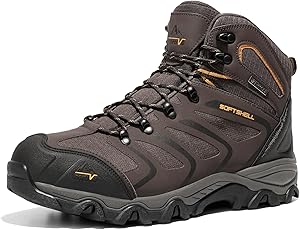
- Midsole: Lightweight flexible EVA
- Sole: Non-slip rubber
- Insole: Shock-absorbent cushioned
- Versatility: Multi-sport outdoor design
NORTIV 8 has crafted a budget-friendly powerhouse designed for the multi-sport enthusiast. These boots focus heavily on reducing foot fatigue through a highly flexible EVA midsole that provides high energy return. Whether you are backpacking or cycling, the lightweight build ensures you stay nimble on your feet throughout the day. The shock-absorbent insoles are a standout feature, offering a plush landing with every step you take on uneven ground.
The slip-proof rubber sole is engineered for stability, giving you confidence when navigating wet or muddy surfaces. While these are positioned as an entry-level option, the durable materials hold up surprisingly well across various activities. It is an ideal pick for those who need one boot for many different hobbies.
Pros: Very affordable, lightweight, and versatile for different sports.
Cons: Less ankle stiffness for heavy backpacking loads.
See the NORTIV 8 Hiking Boots See the Women’s NORTIV 8 Boots
3. Columbia Transverse
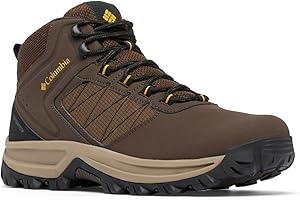
- Waterproofing: Omni-Tech seam-sealed
- Cushioning: Techlite lightweight midsole
- Traction: Omni-Grip non-marking rubber
- Upper Material: Leather and mesh
The Columbia Transverse is built for those who refuse to let the weather dictate their plans. Using the proprietary Omni-Tech membrane, these boots offer a breathable but waterproof shield against rain and snow. The multilayered construction ensures your feet stay dry while allowing internal moisture to escape. This makes them a great companion for high-output hikes in damp conditions where foot temperature regulation is essential for comfort.
Beyond weather protection, the Techlite midsole provides long-lasting cushioning and superior energy return. The Omni-Grip outsole is specifically formulated for stability on diverse terrains like gravel and loose dirt. With metal hardware and a cushioned collar, these boots feel secure and well-crafted for seasonal use in various environments.
Pros: Excellent breathability, lightweight impact absorption, and durable hardware.
Cons: Tread may wear faster on pavement compared to technical rock.
See the Columbia Transverse See the Women’s Transverse
4. Salomon X Ultra 5 Mid GORE-TEX

- Waterproofing: GORE-TEX
- Outsole: All Terrain Contagrip
- Midsole: EnergyCell
- Weight: 1 lb. 15 oz. (pair)
Salomon’s X Ultra 5 Mid GORE-TEX is a masterclass in combining trail runner agility with hiking boot stability. Weighing in at less than two pounds per pair, it is remarkably light for an over-the-ankle boot. The GORE-TEX membrane provides the industry standard in waterproof protection, ensuring you can tackle stream crossings and storms with confidence. The synthetic and textile upper provides a sleek, modern fit that feels fast and athletic.
The EnergyCell midsole offers responsive cushioning, while the All Terrain Contagrip outsole provides incredible bite on technical surfaces. This boot is designed for the fast-and-light hiker who wants to cover more miles without the bulk of a traditional leather boot. It provides great lateral support without sacrificing freedom of movement.
Pros: Exceptionally lightweight, superb grip, and very agile.
Cons: Narrower fit may not suit hikers with wide feet.
See the Salomon X Ultra 5 See the Women’s X Ultra 5
5. Altra Lone Peak Hiker 3

- Midsole: Altra EGO foam
- Outsole: MaxTrac rubber
- Upper: Suede
- Weight: 1 lb. 7.8 oz. (pair)
The Altra Lone Peak Hiker 3 is a unique offering for those who value natural foot movement and a wide toe box. As the lightest boot on this list, it feels more like a mid-top sneaker than a heavy-duty boot. The Altra EGO foam midsole provides a soft yet responsive ride, while the suede upper offers more durability and protection than a standard trail runner. It is a fantastic choice for dry-weather adventures.
Because it lacks a waterproof membrane, it excels in breathability and dries quickly if it does get wet. The MaxTrac rubber outsole provides the “claw-like” grip that the Lone Peak series is famous for. This boot is perfect for hikers transitioning from trail runners who want just a little more ankle coverage and durability.
Pros: Natural foot shape toe box, ultra-lightweight, and great ground feel.
Cons: Not waterproof; zero-drop platform requires a transition period.
See the Altra Lone Peak Hiker 3 See the Women’s Lone Peak Hiker 3
6. La Sportiva Nucleo High II GTX

- Waterproofing: ePE GORE-TEX SURROUND
- Outsole: Vibram Nano XS-Trek
- Upper: Nubuck leather
- Support: 2.5 mm polypropylene stiffener
The La Sportiva Nucleo High II GTX is a premium technical hiker that utilizes the innovative GORE-TEX SURROUND technology. This system allows for 360-degree breathability, even through the sole, making it one of the most advanced waterproof boots available. The nubuck leather upper provides a classic look and tough exterior, while the internal polypropylene stiffener offers the support needed for carrying heavier packs over rugged, uneven terrain.
Traction is handled by the Vibram Nano XS-Trek rubber, which is renowned for its grip on both wet and dry surfaces. A standout feature is that these boots can be resoled, extending their lifespan significantly for dedicated hikers. They offer a precise fit that caters well to those navigating steep or technical mountain trails.
Pros: Superior 360-degree breathability, resoleable design, and very supportive.
Cons: Higher price point; runs narrow in the European style.
See the La Sportiva Nucleo High II See the Women’s Nucleo High II
7. Asolo Falcon EVO GV

- Waterproofing: GORE-TEX Extended Comfort
- Outsole: Vibram Megagrip
- Support: AsoFlex TPU
- Weight: 2 lbs. (pair)
The Asolo Falcon EVO GV is a high-performance boot that strikes a perfect balance between weight and protection. Featuring a water-resistant suede and high-tenacity nylon upper, it is built to withstand the rigors of long-distance backpacking. The inclusion of the Vibram Megagrip outsole ensures that you have some of the best traction in the industry, particularly on wet and slippery rock faces where other boots might fail.
Inside, the GORE-TEX Extended Comfort membrane keeps your feet dry while allowing heat to escape during strenuous climbs. The dual-density molded EVA midsole provides a comfortable but firm platform, and the ability to resole these boots makes them a long-term investment for serious outdoor enthusiasts who spend significant time on the trail.
Pros: Incredible Megagrip traction, resoleable, and very durable construction.
Cons: Requires a short break-in period compared to softer boots.
See the Asolo Falcon EVO GV See the Women’s Falcon EVO GV
8. KEEN Targhee IV

- Waterproofing: KEEN.DRY membrane
- Midsole: Luftcell polyurethane
- Outsole: High-traction TPU
- Weight: 2 lbs. 8.6 oz. (pair)
The KEEN Targhee IV is a rugged workhorse known for its wide, comfortable fit and iconic rubber toe bumper. This iteration features the Luftcell polyurethane midsole, which provides a unique, air-infused cushioning that maintains its shape and support over hundreds of miles. The nubuck leather upper is robust, protecting against trail debris, while the KEEN.DRY membrane ensures your feet stay dry in through puddles and rainstorms.
With its high-traction TPU outsole and internal stability shank, this boot is designed for heavy-duty hiking. It offers a very secure, “locked-in” feel, making it a favorite for those with wider feet who often struggle with European-style boots. While it is the heaviest boot on this list, the added durability and foot protection are well worth the weight.
Pros: Spacious toe box, legendary toe protection, and very durable midsole.
Cons: The heaviest option; can feel bulky on fast-paced hikes.
See the KEEN Targhee IV See the Women’s Targhee IV
How to Choose Hiking Boots for Beginners: The Ultimate Guide
For a beginner, standing in front of a wall of hiking boots can be overwhelming. There are dozens of brands, various heights, and technical terms like GORE-TEX, Vibram, and EVA. However, your boots are the most critical piece of gear you will own. They are the interface between your body and the rugged terrain, and the right pair can mean the difference between a scenic adventure and a painful trek home with blisters.
Choosing the right footwear isn’t just about picking the most expensive or the best-looking pair. It is about matching the boot to the terrain you plan to hike, the weight of your pack, and—most importantly—the unique shape of your feet. This guide will break down everything a beginner needs to know to find the perfect fit.
Understanding the Types of Hiking Footwear
Not every trail requires a heavy-duty leather boot. Depending on your goals, you might prefer something lighter and more flexible. Footwear generally falls into three main categories.
Hiking Shoes
These are low-cut models with flexible midsoles. They are excellent for day hikes on well-maintained trails. Because they are lightweight, they cause less fatigue over short distances. However, they provide minimal ankle support and are less durable when carrying heavy loads.
Hiking Boots
These range from mid-to-high-cut models. They are designed for weekend backpacking or day hikes on rocky, uneven terrain. They provide better ankle protection against rolls and scrapes and usually feature stiffer midsoles to support the weight of a pack.
Backpacking Boots
These are the heavyweights of the trail. They are designed for multi-day trips deep into the wilderness while carrying heavy loads. They have high tops that wrap well above the ankles for maximum support and incredibly stiff midsoles. They are durable but require a significant break-in period.
Anatomy of a Hiking Boot
To make an informed decision, you need to understand what is happening inside and outside the boot. The materials used will determine the boot’s weight, breathability, and water resistance.
The Upper Materials
The “upper” is the part of the boot that covers your foot. Full-grain leather offers excellent durability and water resistance but is heavy and less breathable. Split-grain leather (often paired with nylon mesh) is lighter and more affordable but less water-resistant. Synthetic materials like polyester or nylon are easy to break in and lightweight, though they may show wear sooner than leather.
The Midsole
The midsole provides cushioning and determines the stiffness of the boot. Beginners should look for EVA (ethylene vinyl acetate) for a cushiony, lightweight feel. More advanced boots use Polyurethane (PU), which is firmer and lasts longer but feels “stiffer” underfoot.
The Outsole
This is the rubber bottom of the boot. Most high-quality boots use Vibram or proprietary rubber compounds. Look at the “lugs”—the bumps on the bottom. Deep, widely spaced lugs provide better traction in mud, while shallow lugs are better for gripping smooth rock.
The Importance of Fit
You can buy the most technologically advanced boot in the world, but if it doesn’t fit your foot shape, it will fail you. Here are the golden rules for fitting hiking boots.
Size Up
Feet swell during a long day of hiking. Additionally, you will likely be wearing thicker hiking socks. Most hikers find that they need a half-size or even a full size larger than their everyday street shoes. You should have enough room to wiggle your toes, but your heel should not lift when you walk.
The Finger Test
With the boot unlaced, slide your foot forward until your toes touch the front. You should be able to slide one finger between your heel and the back of the boot. If you can’t fit a finger, the boot is too small; if you can fit two, it is too large.
Shop in the Afternoon
Since your feet swell throughout the day, the best time to try on boots is in the late afternoon or evening. This mimics the state your feet will be in after a few miles on the trail.
Waterproof vs. Breathable
Many beginners instinctively reach for waterproof boots (often labeled GTX for GORE-TEX). While waterproof membranes are amazing for keeping rain and slush out, they also keep moisture in. If you are hiking in hot, desert climates, a waterproof boot will make your feet sweat profusely, which actually leads to blisters.
Choose waterproof boots if you live in a rainy climate or plan to hike through snow and shallow streams. Choose non-waterproof, mesh-heavy boots if you primarily hike in hot, dry conditions where breathability is the priority.
The Break-In Period
One of the biggest mistakes beginners make is taking a brand-new pair of boots straight to the trailhead. Even “comfortable” boots need time to mold to your feet.
- Wear them at home: Walk around your house in your hiking socks for a few hours.
- Short walks: Take them on a stroll around the block or to the grocery store.
- The incline test: Find a hill and walk up and down. This ensures your toes don’t hit the front on the descent (the leading cause of “black toenail”).
Matching Boots to Your Terrain
Before purchasing, ask yourself: Where am I actually going? If you are hiking the flat, sandy trails of a local park, a heavy leather backpacking boot is overkill and will only tire you out. Conversely, if you are headed to the White Mountains or the Rockies, a flimsy trail shoe might lead to a bruised sole from sharp rocks.
Conclusion
Choosing hiking boots for beginners doesn’t have to be a chore. Focus on the “Three Fs”: Function, Features, and Fit. Start by determining if you need a shoe or a boot, look for quality materials like EVA midsoles and Vibram outsoles, and never compromise on the fit. Once you find that perfect pair, give them the time they deserve to break in, and they will carry you through many miles of memories.