Best Hiking Boots for Mountains of 2026
Tackling a mountain trail requires footwear you can trust. The right hiking boots provide crucial ankle support and a sturdy grip on rocky, uneven ground. With so many options available, finding your perfect pair can feel overwhelming. This guide breaks down the best hiking boots for mountains, highlighting top choices for different terrains and budgets, so you can step onto the path with confidence and comfort.
1. Merrell Moab 3 Mid

- Upper: Pig suede leather and breathable mesh
- Outsole: Vibram TC5+ rubber for superior grip
- Midsole: Super Rebound Compound for shock absorption
- Waterproofing: Merrell DRY waterproof membrane
The Merrell Moab 3 Mid continues its legacy as the “Mother of All Boots” by offering out-of-the-box comfort that few competitors can match. This iteration features a more supportive insole and a cushioned midsole that excels on day hikes and light backpacking trips. The combination of suede and mesh provides a balanced feel of durability and ventilation.
While it is a reliable choice for various terrains, it leans toward the heavier side compared to modern synthetic hikers. The Vibram TC5+ outsole ensures you stay grounded on slick rock and loose dirt, making it a versatile companion for the trail. It remains a top pick for hikers prioritizing comfort and a proven track record over ultralight performance.
Pros: Excellent out-of-the-box comfort; Durable Vibram outsole; Great arch support.
Cons: Slightly heavy; Mesh can collect fine trail dust.
See the Merrell Moab 3 Mid See the Women’s Moab 3 Mid
2. NORTIV 8 Waterproof Hiking Boots
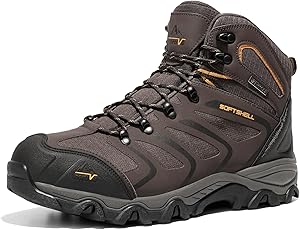
- Insole: Removable shock-absorbent cushioned insoles
- Midsole: Lightweight and flexible EVA
- Outsole: High-quality non-slip rubber
- Style: Versatile design for hiking and work
NORTIV 8 offers a budget-friendly entry into the world of outdoor footwear without sacrificing the essential features needed for a good day on the trail. These boots focus heavily on cushioning, utilizing an EVA midsole that reduces foot fatigue during long walks. The design is surprisingly lightweight, making them feel more like an athletic shoe than a traditional heavy boot.
The traction is designed to handle mud and wet surfaces effectively, providing a sense of stability for beginners. While they may not have the high-end technical membranes of more expensive brands, they serve as a fantastic multi-purpose option for camping, fishing, or daily outdoor labor. They are an accessible choice for those who need reliable protection for occasional adventures.
Pros: Very affordable; Highly flexible; Lightweight construction.
Cons: Lower breathability; Less specialized for technical terrain.
See the NORTIV 8 Hiking Boots See the Women’s NORTIV 8 Boots
3. Columbia Transverse
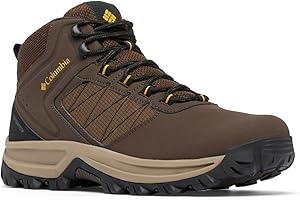
- Technology: Omni-Tech waterproof seam-sealed construction
- Cushioning: Techlite lightweight midsole
- Traction: Omni-Grip non-marking traction rubber
- Hardware: Durable leather upper with metal hardware
The Columbia Transverse is a rugged hiker built for those who find themselves in unpredictable weather. Utilizing the proprietary Omni-Tech system, the boot manages to keep moisture out while allowing internal heat to escape. This makes it a strong contender for moderate rain or snowy conditions. The leather and mesh upper offers a classic look with modern durability.
Comfort is maintained through the Techlite midsole, which provides high energy return and impact absorption. Whether you are navigating gravel paths or rocky inclines, the Omni-Grip outsole utilizes strategically blended lug patterns to ensure stability. It is a well-rounded boot that balances a professional aesthetic with the grit required for multi-terrain exploration and long-lasting seasonal wear.
Pros: Reliable waterproofing; Good energy return; High-quality metal hardware.
Cons: Stiffer break-in period; Lugs can be shallow for deep mud.
See the Columbia Transverse See the Women’s Transverse
4. Salomon X Ultra 5 Mid GORE-TEX

- Waterproofing: GORE-TEX membrane
- Outsole: All Terrain Contagrip rubber
- Midsole: EnergyCell high-performance EVA foam
- Weight: 1 lb. 15 oz. per pair
Salomon’s X Ultra 5 Mid GORE-TEX is designed for the fast-paced hiker who wants the agility of a trail runner with the support of a boot. It features a new chassis that protects sensitive articulations without compromising movement. The GORE-TEX lining ensures your feet stay dry in the soggiest conditions, while the synthetic upper keeps the overall weight impressively low.
The All Terrain Contagrip outsole is a standout feature, providing aggressive grip on both wet and dry surfaces. Inside, the EnergyCell midsole dampens vibrations, which is vital during long descents. This boot is ideal for technical trails where precision and speed are required. It offers a snug, secure fit that makes it feel like a natural extension of your foot.
Pros: Exceptionally lightweight; Top-tier grip; Fast and agile feel.
Cons: Narrow fit for some; Thinner upper materials.
See the Salomon X Ultra 5 See the Women’s X Ultra 5
5. Altra Lone Peak Hiker 3

- Midsole: Altra EGO foam
- Outsole: MaxTrac rubber for grip
- Upper: Stylish and durable Suede
- Weight: 1 lb. 7.8 oz. per pair
The Altra Lone Peak Hiker 3 is the ultimate choice for those who prioritize natural foot movement. Known for its signature FootShape toe box, this boot allows your toes to splay naturally, reducing the risk of blisters on long treks. The Altra EGO foam midsole provides a responsive yet soft ride, making it feel incredibly light on the trail.
Unlike many traditional boots, this model features a zero-drop platform, which aligns your heel and forefoot for better posture. While it lacks a waterproof membrane, the suede upper is durable and offers a more casual, “town-to-trail” aesthetic. It is perfect for dry-weather hiking and backpackers who want a lightweight, mid-height boot that won’t weigh them down during high-mileage days.
Pros: Roomy toe box; Very lightweight; Natural foot positioning.
Cons: Not waterproof; Zero-drop requires an adjustment period.
See the Altra Lone Peak Hiker 3 See the Women’s Lone Peak Hiker 3
6. La Sportiva Nucleo High II GTX

- Waterproofing: GORE-TEX SURROUND technology
- Upper: Premium Nubuck leather
- Outsole: Vibram Nano XS-Trek rubber
- Support: 2.5 mm polypropylene stiffener
The La Sportiva Nucleo High II GTX is a masterpiece of technical engineering, specifically designed for hikers who need maximum breathability. Featuring GORE-TEX SURROUND, this boot allows moisture and warmth to escape through the bottom of the footbed as well as the upper. The Nubuck leather construction provides the durability needed for rugged alpine environments while maintaining a sleek profile.
The Vibram Nano outsole ensures you have the necessary friction for steep climbs and rocky scrambles. Additionally, this is one of the few modern boots that can be resoled, significantly extending its lifespan. It provides stiff, reliable support for carrying heavy packs over uneven terrain. It is a high-performance tool for serious trekkers who demand both protection and climate control.
Pros: Best-in-class breathability; Resoleable; Excellent lateral stability.
Cons: Higher price point; May feel too stiff for casual walks.
See the La Sportiva Nucleo High II See the Women’s Nucleo High II
7. Asolo Falcon EVO GV

- Waterproofing: GORE-TEX Extended Comfort membrane
- Outsole: Vibram Megagrip rubber
- Midsole: Dual-density molded EVA
- Support: AsoFlex thermoplastic urethane
The Asolo Falcon EVO GV strikes a perfect balance between a lightweight hiker and a traditional mountain boot. It features a water-resistant suede and high-tenacity nylon upper that offers immediate comfort with very little break-in time. The GORE-TEX Extended Comfort lining provides reliable waterproof protection while being optimized for high-output activities in varied weather conditions.
What sets this boot apart is the Vibram Megagrip outsole, which is renowned for its industry-leading traction on wet surfaces. The dual-density EVA midsole offers a blend of support and cushioning that holds up well during long days. Furthermore, the ability to resole these boots makes them a sustainable investment for the dedicated hiker. It is a refined, reliable choice for trekking and summer hiking.
Pros: Superior Megagrip traction; Resoleable; High-tenacity construction.
Cons: Expensive; Fit can be narrow in the midfoot.
See the Asolo Falcon EVO GV See the Women’s Falcon EVO GV
8. KEEN Targhee IV

- Waterproofing: KEEN.DRY waterproof membrane
- Midsole: Luftcell polyurethane cushioning
- Outsole: Higher-traction TPU for durability
- Support: Integrated stability shank
The KEEN Targhee IV is a robust, wide-fitting boot built for durability and stability. It features a classic Nubuck leather upper that can take a beating on the trail. The Luftcell midsole is a standout, using micro-air bubbles to provide long-lasting cushioning that won’t compress over time like standard EVA. This makes it an excellent choice for hikers carrying heavier loads.
With the KEEN.DRY membrane, your feet stay protected from puddles and streams while remaining breathable. The iconic KEEN toe bumper provides extra protection against rocks and roots, a feature many hikers swear by. While it is the heaviest boot on this list, the stability and roominess it offers for wider feet are hard to beat. It is a workhorse designed for longevity and rugged exploration.
Pros: Wide, comfortable fit; Extremely durable; Excellent toe protection.
Cons: Heaviest option; Chunky aesthetic not for everyone.
See the KEEN Targhee IV Mid See the Women’s Targhee IV Mid
How to Choose Hiking Boots for Mountains: The Ultimate Guide
Heading into the mountains is an exhilarating experience, but your success and safety depend heavily on the gear between you and the terrain. Mountains present unique challenges: steep inclines, loose scree, jagged rocks, and unpredictable weather. Choosing the right hiking boots isn’t just about finding a pair that looks good; it’s about mechanical support, traction, and climate control.
This guide explores the intricate details of selecting footwear specifically designed for mountainous environments, ensuring your next summit push is comfortable and injury-free.
Understanding Mountain Terrain and Boot Categories
Not all trails are created equal. Before looking at specific boots, you must categorize the type of mountain hiking you intend to do. The more technical the terrain, the more specialized your footwear needs to be.
Day Hiking Boots
If your mountain adventures consist of well-maintained switchbacks and shorter durations, day hiking boots are ideal. These are often mid-cut models that provide a balance between weight and support. They are flexible, requiring little to no break-in time, but they may lack the stiffness required for carrying heavy multi-day packs or navigating off-trail rock fields.
Backpacking and Trekking Boots
For multi-day trips into the high country, you need boots built for the long haul. Backpacking boots are designed with stiffer midsoles to support the extra weight of a pack. They typically feature higher ankle cuffs to protect against rolls on uneven ground and are constructed from durable materials like full-grain leather to withstand abrasion from granite and shale.
Mountaineering Boots
When your “hike” turns into a climb involving glaciers, snowfields, or vertical rock, you move into the realm of mountaineering boots. These are exceptionally stiff, often featuring “welts” at the heel or toe to accept crampons. They are heavily insulated and waterproof, designed for sub-zero temperatures and high-altitude environments.
The Anatomy of a Mountain Hiking Boot
To make an informed choice, you must understand the components that make up a boot and how they react to mountain stressors.
The Upper: Your First Line of Defense
The “upper” is everything on the outside of the boot above the sole. For mountains, material choice is critical:
- Full-Grain Leather: Offers maximum durability and water resistance. It is the gold standard for rugged mountain boots but is heavier and less breathable.
- Nubuck Leather: Buffed leather that feels like suede. It is more flexible than full-grain but still very tough.
- Synthetic Materials: Nylon and polyester blends are lighter and dry faster, but they tend to wear out quicker when scraped against sharp rocks.
The Midsole: The Heart of Support
The midsole provides cushioning and determines the boot’s stiffness. In the mountains, stiffness is actually your friend. A stiff boot protects your feet from feeling every sharp pebble and provides a stable platform when “edging” on narrow rock ledges. Look for materials like EVA (Ethyl Vinyl Acetate) for more cushion, or PU (Polyurethane) for firmer, longer-lasting support.
Internal Support: Shanks and Plates
Hidden between the midsole and the outsole are shanks and plates. Shanks are 3–5mm thick inserts (made of plastic or steel) that add load-bearing stiffness. In mountain boots, you often want a full-length shank to prevent the foot from wrapping around rocks, which causes fatigue over several miles of climbing.
Traction: Outsoles and Lug Patterns
In the mountains, slipping isn’t just an inconvenience; it can be dangerous. The outsole is your primary interface with the earth.
Rubber Compounds
Most high-quality mountain boots use Vibram or proprietary high-friction rubber. You want a balance between “sticky” rubber (which grips rock well but wears down fast) and “hard” rubber (which lasts longer but can be slick on wet surfaces).
Lug Depth and Braking
Lugs are the bumps on the bottom of the boot. For mountains, look for deep, widely spaced lugs that shed mud easily. A critical feature for mountain descent is the “heel brake”—a distinct, steep section of the heel that helps prevent sliding on loose dirt or scree during downhill treks.
Waterproofing vs. Breathability
Mountain weather is notoriously fickle. You might start in a sun-drenched meadow and end in a sleet storm. Most mountain hikers opt for boots with a waterproof/breathable membrane, such as Gore-Tex (GTX).
When to Choose Waterproofing
If you will be crossing streams, hiking through snow patches, or trekking in rainy regions like the Pacific Northwest or the Scottish Highlands, a waterproof liner is essential. It keeps external moisture out while allowing sweat vapor to escape.
The Case for Non-Waterproof Boots
In extremely hot, arid mountain ranges (like parts of the Sierras in late summer), waterproof boots can lead to “swamp foot.” Without the membrane, boots breathe much better and dry out faster if they do get submerged. Evaluate your specific destination’s climate before deciding.
The Importance of Proper Fit
The best technical boot in the world will fail you if it doesn’t fit your specific foot shape. Mountain hiking involves significant “toe-bang” during descents and heel lift during ascents.
The Thumb Rule
When your toes are touching the front of the boot (unlaced), you should be able to slide one finger between your heel and the back of the boot. This ensures that when you lace up, your toes have enough “wiggle room” so they don’t hit the front of the boot while walking downhill.
The Incline Test
Most outdoor retailers have a ramp or inclined surface. Walk up it to ensure your heel doesn’t lift more than a few millimeters (which causes blisters). Walk down it to ensure your toes don’t jam into the front of the boot.
Final Tips for the Mountain Hiker
Before you head out on your first 14er or Alpine trek, keep these final considerations in mind:
- Socks Matter: Always try on boots with the specific wool or synthetic socks you plan to wear. Never use cotton, as it absorbs moisture and causes friction.
- Break Them In: Never take brand-new boots on a major mountain trip. Wear them around the house, then on short local trails, to allow the materials to soften and conform to your feet.
- After-Market Insoles: Many hikers swap factory insoles for specialized orthotics or high-volume insoles to provide better arch support and reduce foot movement inside the boot.
Choosing hiking boots for the mountains is an investment in your comfort and safety. By prioritizing support, traction, and fit over aesthetics, you’ll be well-equipped to handle whatever the high country throws your way. Happy trails!