Best Gore-Tex Hiking Boots of 2026
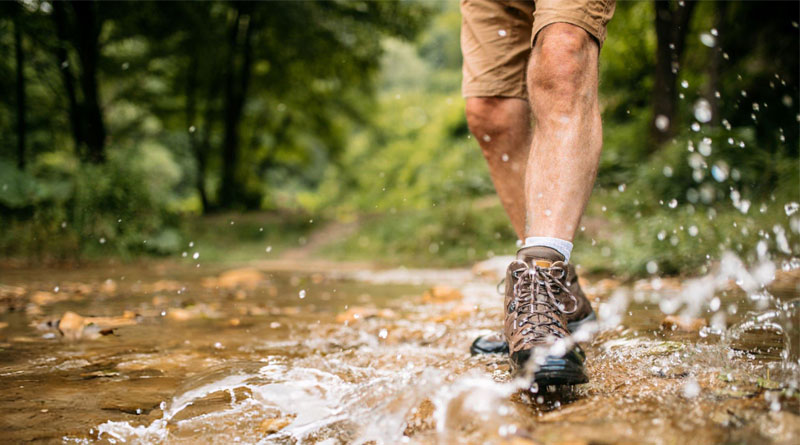
If you’re planning to hit the trails, your footwear is the most important piece of gear. Wet feet can ruin a hike fast, which is why waterproof boots matter. The best solution is Gore-Tex, a special fabric that keeps water out while letting your feet breathe. In this article, we review the top Gore-Tex hiking boots to keep you dry, comfortable, and steady on any adventure.
1. Salomon X Ultra 5 Mid

- Waterproofing: GORE-TEX
- Midsole: EnergyCell
- Outsole: All Terrain Contagrip rubber
- Weight: 1 lb. 15 oz.
The Salomon X Ultra 5 Mid continues the legacy of a boot that feels more like a trail runner than a traditional heavy hiker. It strikes a perfect balance for those who want to move quickly over technical terrain without sacrificing the stability provided by an over-the-ankle height. The synthetic upper is surprisingly durable and keeps the overall weight low enough for long mileage days.
Equipped with the EnergyCell midsole, the boot provides excellent energy return and cushioning on hard surfaces. The All Terrain Contagrip outsole is particularly impressive, offering reliable traction on both wet and dry trails. This boot is an ideal choice for hikers who prioritize agility and modern materials over the heavy feel of traditional leather boots.
Pros: Lightweight, excellent grip, agile feel.
Cons: Less ankle support than heavy-duty boots, synthetic upper may lack long-term durability of leather.
See the Salomon X Ultra 5 See the Women’s X Ultra 5
2. Lowa Renegade Evo GTX

- Upper: Heinen terracare nubuck leather
- Midsole: Double-injection DuraPU/DynaPU
- Support: MONOWRAP frame
- Weight: 2 lbs. 9.6 oz.
The Lowa Renegade Evo GTX is a refined version of a classic, known for its incredible comfort straight out of the box. Featuring a high-quality nubuck leather upper, it offers a premium feel and high resistance to abrasion. The MONOWRAP frame construction provides a supportive cradle for the foot, making it a reliable companion for backpacking with moderate loads.
The double-injection midsole ensures that the cushioning remains consistent throughout the life of the boot. While it is heavier than synthetic alternatives, the stability and protection offered by the Vibram Rene Trac rubber outsole are worth the extra ounces. It remains a top-tier choice for hikers who prefer the traditional leather aesthetic combined with modern internal engineering.
Pros: Short break-in period, high-quality leather, very stable.
Cons: Heavier than modern synthetics, leather requires more maintenance.
See the Lowa Renegade Evo See the Women’s Renegade Evo
3. La Sportiva Ultra Raptor 3

- Upper: Recycled ripstop mesh
- Outsole: FriXion XF 2.0
- Vegan: Yes
- Weight: 1 lb. 14.2 oz.
The La Sportiva Ultra Raptor 3 is a technical masterpiece designed for fast-moving hikers who need precision on rocky terrain. This vegan-friendly boot uses a high-tenacity ripstop mesh that is mostly recycled, proving that sustainability and performance can coexist. The boot fits snugly, providing a locked-in feel that is essential when navigating steep descents or uneven scree fields.
Underneath, the FriXion XF 2.0 rubber compound is exceptionally sticky, giving the wearer confidence on granite and slick surfaces alike. Despite its lightweight nature, the TPU transkinetic EVO heel stabilizer offers enough support to prevent ankle rolls. It is a fantastic option for peak baggers and those who frequent rugged, alpine environments where traction is the number one priority.
Pros: Exceptional grip, sustainable materials, very lightweight.
Cons: Narrow fit may not suit all feet, mesh is less protective against sharp rocks.
See the La Sportiva Ultra Raptor 3 See the Women’s Ultra Raptor 3
4. Salomon Quest 5

- Upper: Nubuck leather/ripstop fabric
- Support: 4D Advanced Chassis
- Waterproofing: GORE-TEX
- Weight: 2 lbs. 9.3 oz.
The Salomon Quest 5 is built for the serious backpacker carrying heavy loads over difficult terrain. It features a robust 4D Advanced Chassis that guides the foot and reduces fatigue on long trail days. The combination of nubuck leather and ripstop fabric creates an upper that is both protective and flexible, ensuring that the boot moves with you rather than against you.
Inside, the GORE-TEX lining provides a dependable barrier against the elements, while the EnergyCell midsole absorbs the impact of a heavy pack. The All Terrain Contagrip outsole features deep lugs that bite into mud and loose dirt effectively. This boot is best suited for multi-day expeditions where foot protection and structural support are the most critical factors for success.
Pros: Outstanding support, durable construction, great for heavy packs.
Cons: Bulky for light day hikes, longer break-in time required.
See the Salomon Quest 5 See the Women’s Quest 4
5. Asolo Fugitive GTX

- Upper: Split-grain leather; nylon
- Midsole: Polyurethane
- Resoleable: Yes
- Weight: 3 lbs. 1 oz.
The Asolo Fugitive GTX is a legendary boot known for its stiff, protective feel and longevity. It is one of the heavier options on the list, but it justifies its weight with unmatched durability and the ability to be resoled. The split-grain leather and nylon upper offer a classic look that can withstand years of abuse on the trail without falling apart.
Featuring a polyurethane midsole and thermoplastic urethane support, this boot is designed for stability on the most uneven surfaces. It doesn’t flex as much as modern light hikers, which is a benefit when navigating talus or using the edge of the boot on narrow ledges. This is a “buy it for life” style boot for the dedicated mountain trekker.
Pros: Highly durable, resoleable, excellent foot protection.
Cons: Heavy, very stiff feel, requires significant break-in period.
See the Asolo Fugitive GTX See the Women’s Acadia GTX
6. Altra Timp 6 Hiker

- Midsole: Altra EGO MAX
- Outsole: Vibram Megagrip
- Weight: 1 lb. 7.6 oz.
- Waterproofing: GORE-TEX Invisible Fit
The Altra Timp 6 Hiker is a unique entry that caters to fans of zero-drop footwear and wide toe boxes. It is the lightest boot in this selection, making it feel incredibly nimble and fast. The GORE-TEX Invisible Fit technology provides waterproofing without the bulk or stiffness often associated with traditional membranes, maintaining the shoe’s flexibility and natural feel.
The Altra EGO MAX midsole delivers a plush, cushioned ride that is perfect for high-mileage days on groomed trails. Combined with a Vibram Megagrip outsole, it offers top-tier traction on varied surfaces. For hikers who want to maintain a natural foot shape and stride while enjoying the benefits of ankle protection and waterproofing, this hiker is a standout choice.
Pros: Extremely lightweight, natural toe splay, very comfortable cushioning.
Cons: Zero-drop requires transition time, less ankle stability for heavy loads.
See the Altra Timp 6 Hiker See the Women’s Timp 6 Hiker
7. La Sportiva Nucleo High II GTX

- Waterproofing: ePE GORE-TEX SURROUND
- Upper: Nubuck leather
- Resoleable: Yes
- Weight: 2 lbs. 1.6 oz.
The La Sportiva Nucleo High II GTX is a highly breathable leather boot that utilizes GORE-TEX SURROUND technology. This system allows for 360-degree breathability, including through the sole, making it one of the best waterproof boots for warmer climates. The nubuck leather upper provides a soft yet durable exterior that conforms well to the foot over time.
With a Vibram Nano XS-Trek outsole, the traction is reliable on both steep ascents and muddy descents. It also features a resoleable design, which adds significant value for long-term users. This boot is perfect for hikers who want the classic look and protection of leather but struggle with the “swampy” feeling that often comes with traditional waterproof membranes.
Pros: Superior breathability for a waterproof boot, resoleable, soft leather upper.
Cons: Midsole can feel thin on sharp rocks, narrow Italian fit.
See the La Sportiva Nucleo High II See the Women’s Nucleo High II
8. Asolo Falcon EVO GV

- Upper: Suede and high-tenacity nylon
- Midsole: Dual-density molded EVA
- Outsole: Vibram Megagrip
- Weight: 2 lbs.
The Asolo Falcon EVO GV is a sleek, modern hiker that bridges the gap between lightweight trail shoes and heavy mountaineering boots. The suede and nylon upper is tough enough to handle abrasive brush while remaining flexible enough for a comfortable stride. At exactly two pounds per pair, it offers a surprisingly light feel for such a ruggedly built boot.
The dual-density EVA midsole provides targeted cushioning, and the AsoFlex TPU support ensures that the boot doesn’t twist on uneven ground. Featuring a Vibram Megagrip outsole, it excels in wet conditions where other boots might slip. This is an excellent all-arounder for day hikers and light backpackers who want Italian craftsmanship in a package that won’t weigh them down.
Pros: Great balance of weight and durability, excellent wet-weather grip, resoleable.
Cons: Suede can be harder to clean, relatively expensive.
See the Asolo Falcon EVO GV See the Women’s Falcon EVO GV
How to Choose the Perfect GORE-TEX Hiking Boots
Choosing the right footwear is arguably the most critical decision a hiker can make. Whether you are planning a weekend trek through the damp forests of the Pacific Northwest or a high-alpine scramble in the Rockies, your boots are the primary interface between your body and the terrain. GORE-TEX (GTX) technology has become the industry standard for high-performance hiking footwear, offering a unique blend of waterproof protection and breathability. However, simply seeing the “GORE-TEX” tag on a boot is not enough; you must understand how different constructions, materials, and fits interact with your specific hiking style.
The core appeal of GORE-TEX is its membrane—a thin layer of expanded polytetrafluoroethylene (ePTFE) that contains over 9 billion pores per square inch. Each pore is 20,000 times smaller than a water droplet but 700 times larger than a water vapor molecule. This allows sweat to escape while preventing rain and puddles from soaking your socks. This article will guide you through the nuances of selecting the best GORE-TEX boots for your next adventure.
Understand the Different GORE-TEX Technologies
Not all GORE-TEX linings are created equal. Manufacturers utilize different versions of the membrane depending on the intended activity and climate. Understanding these variations will help you avoid boots that are either too warm or not protective enough.
GORE-TEX Extended Comfort
This is designed for moderate to warm conditions and high-output activities. These boots lack the extra insulation layers found in colder-weather models, prioritizing maximum breathability. If you primarily hike in the summer or engage in “fast-packing,” look for this designation. It is common in lightweight trail hikers and mid-cut synthetic boots.
GORE-TEX Performance Comfort
This is the “all-rounder” of the family. It is designed for a wide range of outdoor activities and changing weather conditions. It provides a moderate layer of insulation, making it suitable for year-round use in temperate climates. You will typically find this in mid-weight leather and textile boots intended for backpacking.
GORE-TEX Insulated Comfort
Specifically engineered for winter conditions, rain, and snow. These boots include an integrated layer of insulation to keep toes warm in sub-zero temperatures. These are usually found in heavy-duty mountaineering boots or specialized winter hiking footwear.
GORE-TEX Surround
This is a specialized construction that allows for 360-degree breathability. Unlike traditional boots where the waterproof membrane stops at the footbed, Surround technology allows moisture and heat to escape through the bottom of the boot via specialized side vents or a spacer layer in the sole. This is ideal for hikers who suffer from extremely sweaty feet in waterproof footwear.
Evaluating Boot Height and Support
Once you’ve selected the right membrane type, you must consider the physical structure of the boot. The height of the boot dictates how much ankle support you receive and how much debris is kept out.
Low-Cut Hiking Shoes
These resemble rugged sneakers and offer the most flexibility. They are excellent for well-maintained trails and hikers who prefer agility over stability. While they feature GORE-TEX, keep in mind that water can easily splash over the ankle collar, rendering the waterproof lining less effective in deep puddles.
Mid-Cut Boots
Mid-cuts are the most popular choice for the average hiker. They wrap around the ankle, providing a balance of support and flexibility. They are high enough to prevent most trail debris and water from entering the top of the boot while providing enough stability for a 20-30 pound pack.
High-Cut Boots
These are designed for off-trail travel and heavy backpacking. The high collar provides maximum support against ankle rolls on uneven terrain and keeps your feet dry when crossing shallow streams or trudging through snow. If you are carrying a pack over 40 pounds, a high-cut GORE-TEX boot is often a necessity.
Upper Materials: Leather vs. Synthetic
The material covering the GORE-TEX membrane affects the boot’s durability, weight, and “break-in” time. The membrane is always on the inside, so the outer material is your first line of defense.
Full-Grain Leather
This offers the best durability and abrasion resistance. It is naturally water-repellent and pairs excellently with GORE-TEX for extreme conditions. However, full-grain leather is heavy and requires a significant break-in period before it feels comfortable. It is the preferred choice for long-distance trekkers.
Nubuck and Suede
Nubuck is full-grain leather that has been buffed to look like suede. It is more flexible than standard leather but still very durable. Suede is lighter and more breathable but less resistant to water and scuffs. Many modern GORE-TEX boots use a combination of nubuck and synthetic mesh to balance weight and toughness.
Synthetic (Nylon and Polyester)
Synthetic uppers are lighter, dry faster, and usually cost less. Most importantly, they require almost zero break-in time. The downside is that they wear out faster than leather and can be punctured by sharp rocks or ice. If you are a casual weekend hiker, a synthetic GORE-TEX boot is usually the most practical choice.
The Importance of Fit and Volume
A GORE-TEX boot is only as good as its fit. Because the membrane does not stretch significantly, a boot that feels tight in the store will likely remain tight on the trail, potentially causing hot spots or blisters.
The Thumb Rule
When trying on boots, slide your foot forward until your toes touch the front. You should be able to fit your index finger comfortably between your heel and the back of the boot. If you can’t, the boot is too small; if you can fit two fingers, it is too large.
Consider Foot Swell
Feet naturally swell during a long hike due to increased blood flow and gravity. Always try on hiking boots in the afternoon or evening when your feet are at their largest. Additionally, wear the specific socks you plan to use on the trail—thick wool socks can change your shoe size by half a grade.
Heel Lock
When the boot is laced up, your heel should feel “locked” in place. If your heel lifts significantly when you walk, you will develop friction blisters. Many GORE-TEX boots feature specialized lacing hooks (like Salomon’s lace lockers or Lowa’s I-Lock) to help customize the tension between the forefoot and the ankle.
Outsoles and Midsoles: The Foundation
The GORE-TEX membrane keeps you dry, but the sole keeps you upright. Look for high-quality rubber compounds like Vibram or proprietary rubbers like Salomon’s Contagrip. The “lugs” (the bumps on the bottom) should be deep and widely spaced for muddy trails to allow for “self-cleaning,” or shallower and stickier for rocky, scrambling terrain.
For the midsole, you generally choose between EVA (Ethylene Vinyl Acetate) and PU (Polyurethane). EVA is lighter and more cushioned, feeling like a running shoe, but it compresses over time. PU is firmer and heavier but can last for years without losing its shape. Long-distance backpackers generally prefer PU for its longevity and support under heavy loads.
Maintenance for Longevity
To keep your GORE-TEX boots performing at their peak, you must maintain the DWR (Durable Water Repellent) coating on the outer fabric. When water stops “beading” on the surface and starts soaking into the leather or fabric (known as “wetting out”), the breathability of the GORE-TEX membrane is compromised. Clean your boots after every muddy hike and periodically apply a specialized waterproofing spray or wax to maintain that outer barrier.
Choosing the right GORE-TEX hiking boot is a balance of science and personal preference. By identifying your typical trail conditions, matching the GORE-TEX type to the climate, and ensuring a precise fit, you can invest in footwear that keeps you comfortable and dry for hundreds of miles.
Would you like me to create a comparison table of the top GORE-TEX boot brands or provide a checklist for your next boot-fitting session?