Best 20L Hiking Backpacks of 2026
Searching for the perfect 20-liter backpack for your hiking adventures? This size is a fantastic choice for day trips, offering enough space for your essentials without being too heavy. Our guide cuts through the noise and reviews the top options on the market. We help you find a comfortable, durable, and practical pack that fits your needs, so you can focus on enjoying the trail ahead.
1. Osprey Daylite Plus

- Gear Capacity: 20 liters
- Weight: 1 lb. 5 oz.
- Laptop Compartment: Fits 14-inch devices
- Material: Recycled ripstop polyester
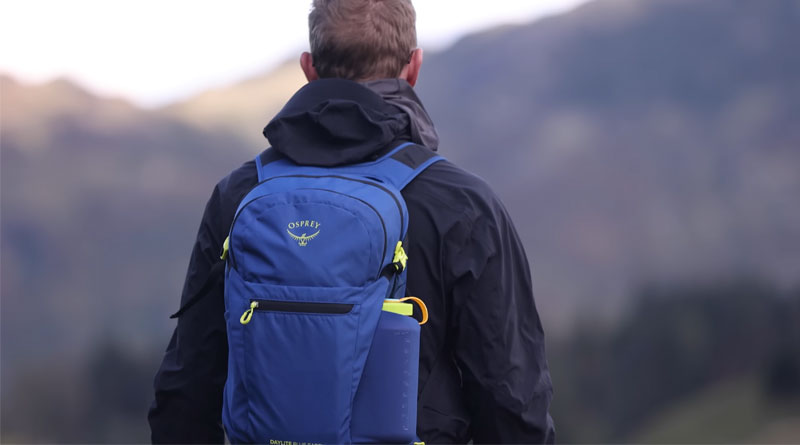
The Osprey Daylite Plus is a versatile and sustainable daypack designed for everything from local trails to daily commutes. Its recycled polyester construction is bluesign approved, ensuring a lower environmental impact while remaining durable. The integrated laptop sleeve and hydration-compatible design make it a true hybrid for the modern adventurer who needs one bag for various tasks.
Comfort is prioritized with a simple yet effective hipbelt and a mesh-covered foam backpanel that provides decent ventilation. While it lacks an included raincover, its carry-on size and lightweight frame make it a favorite for travelers. The five exterior pockets allow for quick access to essentials, making it an organized companion for short outdoor excursions or city exploration.
Pros: Lightweight, laptop sleeve, sustainable materials.
Cons: No raincover included, limited torso adjustability.
2. SKYSPER Small Hiking Pack
- Material: 600D polyester and 210D nylon
- Weight: 1.1 lbs.
- Dimensions: 10.3 x 7.4 x 16.9 inches
- Safety Features: Anti-theft zipper and emergency guide
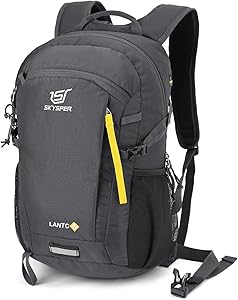
The SKYSPER LANTC20 stands out as a budget-friendly yet feature-rich option for day hikers. It utilizes a high-density polyester and nylon blend that offers impressive water resistance and tear strength. The ergonomic design focuses on a grooved carrying system that promotes airflow, keeping the user cool during more intense physical activity or humid conditions.
This pack is particularly notable for its safety-conscious design, featuring reflective elements for night visibility and a built-in safety whistle. The inclusion of trekking pole fixtures and removable straps adds a level of customization rarely seen at this price point. It is a stylish choice that transitions easily from a rugged forest trail to a casual urban commute.
Pros: Durable material, safety whistle, breathable back.
Cons: Smaller frame may not suit taller users.
See the SKYSPER Small Hiking Pack
3. Gregory Maya – Women’s

- Frame Type: Frameless
- Adjustable Torso: 14-19 inches
- Weight: 1 lb. 14.4 oz.
- Hipbelt: Yes, with pockets
The Gregory Maya 20 is a women’s specific pack engineered for a dynamic fit. Its adjustable torso length ensures that the weight is distributed correctly across the back, providing a customized feel that many unisex bags lack. The frameless design keeps the pack flexible, allowing it to move with your body during technical scrambles or fast-paced hiking.
In terms of storage, the Maya is highly efficient with five exterior pockets and dedicated hipbelt pockets for snacks or small electronics. While it does not include a raincover, it is fully reservoir compatible, making hydration management effortless on long days. The combination of high-density nylon and recycled materials provides a sturdy build that can withstand frequent trail abuse.
Pros: Women-specific fit, adjustable torso, hipbelt pockets.
Cons: Heavier than some 20L rivals, no raincover.
See the Gregory Maya – Women’s
4. Osprey Sportlite

- Weight: 9.6 ounces
- Material: Ocean-sourced recycled nylon
- Frame Type: Frameless
- Torso Range: 15-20 inches
The Osprey Sportlite is the ultimate choice for the minimalist hiker who prioritizes weight above all else. At under 10 ounces, it is remarkably light, yet it doesn’t sacrifice technical performance. It is constructed from ocean-sourced recycled nylon, treated with a PFAS-free DWR coating, providing a sustainable way to keep your gear dry during light drizzles.
This pack features a clean panel-loading design that makes accessing your gear straightforward. Despite its ultra-lightweight profile, it still includes a functional hipbelt and reservoir compatibility, ensuring you stay stable and hydrated. It is best suited for fast-and-light adventures where every gram counts and the load is kept relatively light to match its frameless structure.
Pros: Extremely lightweight, eco-friendly materials, sleek design.
Cons: Lacks hipbelt pockets, minimal cushioning.
5. Black Diamond Trail Vista

- Frame Type: Internal Steel Frame
- Raincover Included: Yes
- Exterior Pockets: 6 + main compartment
- Weight: 2 lbs. (M/L)
The Black Diamond Trail Vista 20 is a robust technical pack designed for hikers who need superior load support. Unlike many 20-liter bags, it features a full internal steel frame, allowing you to carry heavier gear without straining your shoulders. This makes it an excellent choice for photographers or those carrying extra water and technical equipment on steep terrain.
It is one of the few options in this size class to include a dedicated raincover, providing peace of mind in unpredictable alpine weather. The dual access via the top and panel provides versatility in how you pack and retrieve items. With an adjustable torso and generous hipbelt pockets, it offers the features of a full-sized trekking pack in a compact 20-liter volume.
Pros: Internal frame support, raincover included, high pocket count.
Cons: Heaviest option on the list.
See the Black Diamond Trail Vista
6. Gregory Miko

- Torso Adjustment: 15-21 inches
- Weight: 2 pounds
- Material: High-density recycled nylon
- Access: Top / Panel
The Gregory Miko 20 is designed for men or those with longer torsos, offering a fit range up to 21 inches. It utilizes a dynamic suspension system that keeps the pack snug against your back while allowing for a full range of motion. The high-density nylon construction ensures that the pack remains durable against abrasions from rocks and branches.
Storage is well-managed with dual-access points and five exterior pockets, including large hipbelt pockets for immediate needs. Although it lacks an included raincover, its reservoir-compatible design and ergonomic straps make it a reliable partner for high-mileage day hikes. It provides a balanced blend of comfort and utility for hikers who value a bag that stays stable during active movement.
Pros: Wide torso adjustability, dynamic suspension, durable build.
Cons: No raincover, slightly heavy for a frameless pack.
7. Osprey Tempest Velocity – Women’s

- Gear Capacity: 18L (XS/S) or 20L (M/L)
- Exterior Pockets: 8 + main compartment
- Weight: 1 lb. 14.2 oz. (M/L)
- Access: Top loading
The Osprey Tempest Velocity is a specialized pack designed for fast-paced mountain athletes and speed hikers. Borrowing design cues from trail running vests, it features a unique harness that provides exceptional stability during high-intensity movement. With a staggering eight exterior pockets, users can organize gear efficiently and access essentials without ever taking the pack off.
This women’s specific model features an adjustable torso to ensure a perfect fit across different body types. While the top-only access might be a drawback for some, it helps keep the pack lightweight and streamlined. It is the ideal choice for women who want to bridge the gap between a traditional daypack and a running vest for rapid ascents.
Pros: Vest-style harness, many pockets, very stable.
Cons: Top access only, complex strap system.
See the Osprey Tempest Velocity – Women’s
8. Osprey Talon Pro

- Frame Type: Internal Aluminum Frame
- Material: UHMWPE EXT ripstop nylon
- Weight: 2 lbs. 4 oz.
- Torso Length: 17-22 inches
The Osprey Talon Pro 20 is the heavy-duty sibling of the standard Talon series, utilizing ultra-high-molecular-weight polyethylene (UHMWPE) reinforcement for extreme durability. This pack is built to withstand the most rugged conditions, from sharp granite to thorny brush. Its aluminum peripheral hoop frame provides the best weight transfer in this list for serious technical hiking.
Despite its toughness, it remains highly functional with six exterior pockets and large hipbelt pockets. The panel-loading design allows for quick access to the main compartment, while the adjustable torso caters to taller users. This is a “pro” level pack for those who demand the highest performance and longevity from their gear in demanding environments.
Pros: Exceptional durability, superior frame support, adjustable fit.
Cons: Highest weight and price point.
9. Osprey Talon Velocity

- Gear Capacity: 20L (S/M) or 22L (L/XL)
- Weight: 1 lb. 14.6 oz. (S/M)
- Torso Range: 17-23 inches
- Exterior Pockets: 8 + main compartment
The Osprey Talon Velocity is the men’s counterpart to the Tempest Velocity, catering to fast-packers who need a bit more volume. The L/XL size extends the capacity to 22 liters, making it one of the roomier options in this category. Its vest-inspired harness system is designed to hug the body, eliminating pack bounce while running or moving quickly over uneven ground.
With eight pockets located strategically on the harness and exterior, it keeps snacks, soft flasks, and phones within reach. The top-loading design is simple and effective for stuffing gear in quickly. It is an excellent hybrid for those who find traditional packs too bulky and running vests too small for a full day of mountain exploration.
Pros: Large capacity options, stable harness, great organization.
Cons: No raincover, top-loading only.
10. WATERFLY Small Backpack

- Weight: 10.2 oz.
- Folded Size: 8.7 x 6.3 inches
- Material: Recycled nylon with SBS zippers
- Capacity: 20L
The WATERFLY Small Backpack is the most portable option on this list, featuring a clever foldable design. It can be tucked into its own pocket, making it a perfect secondary bag for travelers to keep in their luggage. Despite its packability, it still offers a full 20-liter capacity and multiple compartments, including a zipper-removable pocket for better organization.
Constructed from lightweight recycled nylon, it prioritizes ease of carry and environmental friendliness. While it lacks the structured support or hipbelts of more technical hiking packs, it excels in casual settings like day trips, city walks, or light trail use. For the price and convenience, it is a hard-to-beat option for those who need a functional “just in case” backpack.
Pros: Highly packable, very affordable, extremely lightweight.
Cons: No back support or hipbelt, limited durability for heavy loads.
See the WATERFLY Small Backpack
How to Choose the Perfect 20L Hiking Backpack
Choosing a hiking backpack is a personal decision, and when it comes to the popular 20-liter size, getting the right fit and features is key to a great day on the trail. A 20L pack is the quintessential daypack, ideal for everything from a short morning hike to a full-day adventure with varying weather. It’s large enough to carry your essentials—water, food, layers, and a first-aid kit—but compact enough to remain lightweight and agile. This guide will walk you through the critical factors to consider, ensuring your next 20L backpack becomes a trusted companion on every hike.
Understanding Your Hiking Needs
Before looking at specific packs, take a moment to consider what kind of hiking you do. Your personal style directly influences which features will be most important.
Trail Type and Trip Duration
Are you tackling well-maintained local loops or venturing into rugged, off-trail terrain? Longer, more remote day hikes demand more gear (like extra water, a comprehensive first-aid kit, and emergency shelter), pushing a 20L pack to its limit. For casual, shorter hikes, you might prioritize simplicity and lighter weight.
Season and Weather
Your local climate is a huge factor. Hikers in changeable mountain environments will need to pack more insulating layers, a rain shell, and perhaps traction devices, requiring efficient organization. In consistently dry, warm climates, your load might be lighter, focusing more on water carriage and sun protection.
Beyond Hiking: Versatility
Many people use their daypack for travel, commuting, or biking. If you want one bag for multiple activities, look for sleek designs, laptop sleeves, or more urban-friendly aesthetics alongside the hiking must-haves.
Essential Fit and Comfort Features
A pack that doesn’t carry well can ruin a hike. For a 20L bag, the suspension system might be simpler than on a massive expedition pack, but it’s no less important.
Torso Length and Adjustability
This is the most critical factor for comfort. Packs are designed for a range of torso lengths. Many 20L packs come in one-size-fits-most with adjustable shoulder straps, but some offer specific small/medium/large sizes based on torso measurement. Your backpack should sit comfortably on your hips, not your shoulders.
Shoulder Straps and Hipbelt
Look for padded, contoured shoulder straps that won’t dig in. For a 20L pack, a hipbelt is crucial for stability, especially on uneven ground. It doesn’t need to be heavily padded like on a large pack, but a simple webbing belt helps transfer load and keeps the pack from bouncing.
Ventilation
A sweaty back is inevitable, but some packs manage it better. Look for designs with mesh padding on the back panel that creates an air channel between you and the pack. This feature greatly increases comfort on strenuous or hot-weather hikes.
Key Design and Organizational Elements
How a pack organizes your gear is what turns a bag of items into an accessible, efficient system. Thoughtful design saves you from constantly taking the pack off to rummage around.
Access: Top-Loader vs. Panel-Loader
Top-Loading packs (with a drawstring and lid) are classic, simple, and often lighter. They can be more weather-resistant but require you to unpack from the top to reach items at the bottom. Panel-Loading packs (with a full-length front zipper) offer suitcase-like access to all your gear instantly. Many packs now offer a hybrid design, combining a top lid with a front or side zipper for versatility.
Pockets and Compartments
Think about how you like to organize. Do you want a dedicated hydration sleeve and port for a water reservoir? Are side pockets stretchy for water bottles or secure with zippers? A front shove-it pocket is perfect for stashing a wet jacket or quick-grab items. Internal organization might include a key clip, small zippered mesh pockets, or a separate laptop/tablet sleeve.
Lid and Attachment Points
A removable lid can sometimes convert to a minimalist fanny pack. External daisy chains, ice axe loops, and gear loops provide places to securely lash trekking poles, carabiners, or other gear you need to access quickly without opening the main compartment.
Material, Durability, and Weight
The fabric of your pack determines how long it will last and how much abuse it can take, all while affecting the overall weight you carry.
Fabric Type and Denier
Backpacks are typically made from nylon or polyester. Nylon is generally more durable and abrasion-resistant for the same weight. Denier (D) refers to the thickness of the thread. A higher denier (e.g., 420D, 1000D) is heavier and more durable, ideal for the pack’s bottom and high-wear areas. Lighter deniers (e.g., 210D) are used for the body to save weight. For most day hiking, a pack made of 100-420D nylon offers a great balance.
Weather Resistance
Most packs are made from water-resistant fabric, but they are not fully waterproof in a downpour. A built-in rain cover (often stored in a small zippered compartment) is a valuable feature. Alternatively, you can use a pack liner (a simple trash bag works) or a separate cover to keep your gear dry.
Striking the Weight Balance
Every extra feature adds weight. A minimalist 20L pack with few pockets can weigh under a pound (450g), while a feature-rich, durable model might be over 2.5 lbs (1.1kg). Consider what’s worth the carry. For long miles, an ultra-light pack can be a joy, but don’t sacrifice essential comfort or durability just to save a few ounces.
Putting It All Together: A Final Checklist
When you’re ready to make a decision, either online or in a store, run through this final checklist.
Try It On (If Possible)
If you can, visit a store. Adjust all the straps. Load the pack with weight (many stores have sandbags). Walk around. Feel how it sits on your hips and shoulders. Does it bounce? Does it pull you backward? The right pack should feel stable and balanced.
Match Features to Your Priority List
Refer back to your hiking needs. Is your top priority ventilation? Then focus on packs with advanced back panels. Is it organization? Prioritize panel-loaders with multiple pockets. No single pack is perfect for everyone; the best pack is the one that best matches your specific checklist.
Consider the Details
Check the quality of the zippers (YKK is a trusted brand). Are the seams well-stitched? Do the buckles feel robust? Is the color/style to your liking? These small details contribute to long-term satisfaction.
Choosing the right 20L hiking backpack is an investment in your comfort and enjoyment on the trail. By thoughtfully considering your needs, prioritizing fit, and selecting the organizational features that match your style, you’ll find a pack that doesn’t just carry your gear—it enhances your entire hiking experience. Happy trails!