Best 25L Hiking Backpacks of 2026
Looking for the perfect hiking backpack? If you need around 25 liters of space for day hikes or short overnight trips, you’re in the right place. This size is ideal for carrying your water, snacks, layers, and essential gear without being too bulky. We’ve tested and compared the top options to help you find a comfortable, durable, and well-organized pack. Let’s explore the best 25L backpacks to match your next adventure.
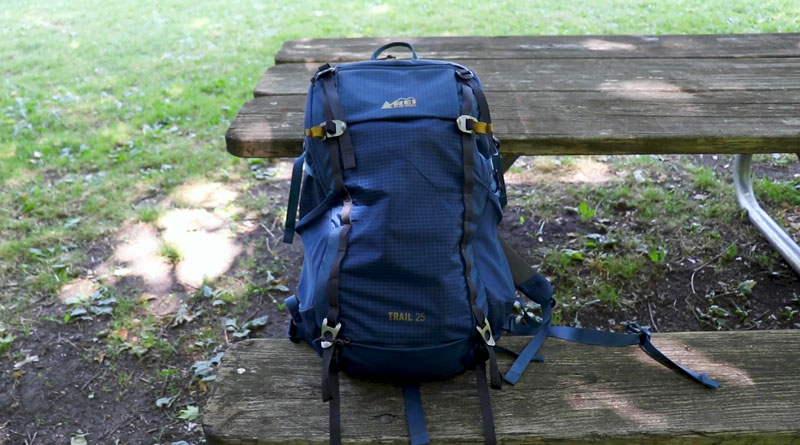
1. REI Co-op Trail

- Frame Type: Internal Frame (HDPE framesheet)
- Gear Capacity: 25 liters (1,526 cu. in.)
- Weight: 1 lb. 13 oz. (XS – XL)
- Materials: 210-denier ripstop nylon (bluesign approved)
The REI Co-op Trail 25 is a versatile workhorse designed for hikers who prioritize organization and durability. Its internal HDPE framesheet provides a structured carry that handles heavier loads better than most daypacks in its class. With multiple access points including a top and panel design, reaching your gear at the bottom of the bag is incredibly easy during a quick trail break.
Beyond its storage, the inclusion of a dedicated raincover and reservoir compatibility makes it ready for unpredictable mountain weather. The recycled polyester lining and bluesign-approved materials reflect a commitment to sustainability without sacrificing performance. It fits a wide range of torso lengths and waist sizes, making it an inclusive choice for various body types seeking a reliable day-trip companion.
Pros: Includes raincover, durable ripstop fabric, excellent size inclusivity.
Cons: Slightly heavier than ultralight alternatives, fixed torso length.
2. SKYSPER Lantc 25L
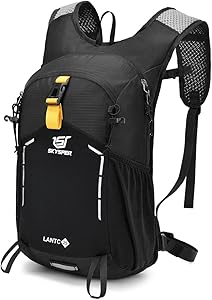
- Capacity: 25 liters
- Zippers: High-quality SBS zippers
- Safety: Integrated reflective spots and whistle
- Straps: Removable chest and waist straps
The SKYSPER Lantc 25L is a feature-rich daypack that bridges the gap between technical hiking and casual travel. Its multi-slot breathable back panel is a standout feature, engineered to promote airflow and prevent the dreaded sweaty back during intense uphill climbs. The design focuses heavily on ergonomic weight distribution, ensuring that even when fully loaded with a water bladder, the pressure on your shoulders remains minimal.
This pack is particularly attractive for those who need versatility, as the waist and chest straps are completely removable for a cleaner look during airline travel. The water-resistant and tear-resistant fabric provides peace of mind in light rain or rugged brush. Whether you are navigating an airport terminal or a rocky trail, the organized compartments keep your essentials accessible and secure throughout your entire journey.
Pros: Highly breathable back panel, versatile removable straps, budget-friendly.
Cons: Lacks a rigid internal frame, water resistance is limited to light rain.
3. NEMO Resolve

- Frame Type: Internal Spring-steel loop
- Weight: 2 lbs. 6 oz.
- Torso Fit: Adjustable (17-21 inches)
- Sustainability: 100% recycled polyester
The NEMO Resolve 25L stands out for its premium build quality and innovative “Endless Promise” design, which emphasizes full recyclability. The spring-steel loop frame offers a sophisticated suspension system that moves with your body while providing significant support for full-day excursions. Unlike many fixed-size daypacks, the Resolve features an adjustable torso length, allowing for a truly customized fit that improves overall comfort on long miles.
Storage is generous with five exterior pockets plus the main compartment, offering ample space for snacks, layers, and navigation tools. While it is the heaviest pack on this list, the weight is justified by the robust materials and superior carry system. It is a top-tier choice for serious hikers who want a pack that combines high-end technical performance with an environmentally conscious manufacturing philosophy.
Pros: Adjustable torso length, very supportive steel frame, eco-friendly materials.
Cons: Heaviest option in the category, raincover not included.
View Men’s at REI View Women’s at REI
4. WATERFLY Hiking Daypack
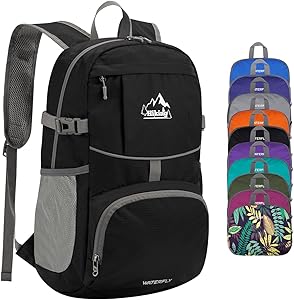
- Weight: 0.6 lbs (Ultralight)
- Dimensions: 18.5 x 12.2 x 6.7 inches
- Storage: 2 interior compartments, 4 exterior pockets
- Material: Water-resistant recyclable nylon
The WATERFLY Hiking Daypack is the ultimate solution for travelers and hikers who value portability above all else. This pack is uniquely designed to fold down into the size of a small wallet, making it an ideal “extra” bag to toss into a larger suitcase for day trips at your destination. Despite its minimal weight of just 0.6 lbs, it offers a full 25-liter capacity and features breathable mesh padding to enhance user comfort.
Functionality remains high with smart organizational features like side buckles and a chest strap that includes a built-in safety whistle. The reflective pattern is a nice touch for visibility, and the dual mesh side pockets are perfect for quick access to water bottles or umbrellas. It is a fantastic gift for casual adventurers who need a lightweight, sustainable, and space-saving bag for light trails or urban exploration.
Pros: Extremely lightweight and packable, sustainable nylon, includes safety whistle.
Cons: No frame or structural support, not suitable for heavy loads.
See the WATERFLY Hiking Daypack
5. Osprey Sportlite

- Frame Type: Frameless
- Weight: 1 lb. 0.32 oz. (One Size)
- Pockets: 6 exterior pockets + hipbelt pockets
- Material: 210D high-tenacity ocean-sourced nylon
The Osprey Sportlite 25 is a minimalist’s dream, offering Osprey’s legendary quality in a lightweight, frameless package. Built with ocean-sourced recycled nylon, this pack is as environmentally friendly as it is functional. The panel-loading design provides easy access to the main compartment, while the inclusion of hipbelt pockets—a rarity in many light daypacks—allows for quick access to snacks or small electronics without removing the bag.
This pack shines for fast-and-light hikers who want a streamlined profile. It includes an “Extended Fit” (EF) option, catering to a wide range of body shapes with waist measurements up to 70 inches. While it lacks a rigid frame, the ergonomic design ensures the load stays close to your center of gravity. It is a specialized tool for those who have their kit dialed in and want to move quickly through the backcountry.
Pros: Very lightweight, dedicated hipbelt pockets, excellent Extended Fit options.
Cons: Frameless design lacks heavy-load support, no included raincover.
6. Mountain Hardwear Scrambler

- Material: 400D TPU-coated nylon ripstop
- Frame: CLPE framesheet
- Weight: 1 lb. 13.9 oz.
- Access: Top loading
The Mountain Hardwear Scrambler 25 is built for the rugged conditions of technical approaches and alpine environments. The 400-denier TPU-coated fabric is exceptionally tough, providing superior abrasion resistance against rocks and ice. Unlike standard daypacks, this bag uses a CLPE framesheet for structure, allowing it to maintain its shape while remaining relatively lightweight. The top-loading design ensures gear stays secure even during vertical movement.
With its tall and slim profile, the Scrambler is designed not to interfere with your range of motion while climbing or scrambling. It is reservoir compatible and features a high-tenacity build that can survive seasons of abuse. This is the ideal choice for the mountain athlete who needs a pack that is more “armor” than “luggage,” specifically designed to handle the friction and grit of technical terrain.
Pros: Extremely durable TPU-coated fabric, great for climbing, sleek profile.
Cons: Fewer exterior pockets for organization, top-loading access only.
See the Mountain Hardwear Scrambler 25
7. Deuter Speed Lite Pro

- Frame: 3D-molded panel with Delrin hoop
- Weight: 1 lb. 6 oz.
- Pockets: 6 exterior + hipbelt pockets
- Material: 120D/100D recycled polyamide
The Deuter Speed Lite Pro 25 is an exceptional balance of weight and technical support. The secret lies in the Delrin peripheral hoop frame, which provides a flexible yet stable structure that transfers weight efficiently to the hips. Weighing only 1 lb. 6 oz., it manages to include a full 3D-molded back panel and padded hipbelt pockets, features usually reserved for much heavier packs. This makes it a favorite for hikers who move fast but still want support.
Access is managed through a panel-loading system, complemented by six exterior pockets for maximum organization. The use of high-tenacity recycled polyamide ensures the pack is durable enough for tight trails and rocky outcroppings. For hikers who demand a professional-grade suspension system without the bulk of a traditional hiking pack, the Speed Lite Pro is a top contender in the 25-liter category.
Pros: Excellent weight-to-support ratio, very breathable back panel, high pocket count.
Cons: Narrower fit may not suit all body types, no raincover.
8. ZOMAKE Ultralight Backpack

- Weight: 0.64 lbs
- Folded Size: 5.5 x 6.7 x 2 inches
- Hardware: Two-way SBS metal zippers
- Capacity: 25 liters
The ZOMAKE Ultralight Backpack is a masterclass in portable design, weighing roughly as much as a large apple. It is specifically engineered to be folded into a compact “sandwich size” pouch, making it the perfect emergency bag for shopping, travel, or light day hikes. Despite its small storage footprint, it unfolds into a surprisingly organized 25-liter bag with internal partitions and multiple front and side pockets to keep your items orderly.
Constructed with high-tear nylon and reinforced sutures, this pack is designed to resist the wear and tear of daily use. While it is not designed for heavy trekking, its water-resistant fabric and comfortable shoulder straps make it more than capable for casual outings. It is a highly affordable, versatile option for anyone from students to seniors who needs a reliable, lightweight bag that can be stored anywhere when not in use.
Pros: Incredibly compact when folded, very affordable, decent organization for a packable bag.
Cons: No back ventilation, minimal padding for heavy items.
See the ZOMAKE Ultralight Backpack
How to Choose the Perfect 25L Hiking Backpack
Choosing the right 25-liter hiking backpack might seem straightforward, but it’s a decision that can make or break your day on the trail. This Goldilocks size—not too big, not too small—is the quintessential daypack. It’s designed to carry everything you need for a safe and enjoyable hike: water, food, layers, first-aid, and those little extras that provide comfort. However, with so many models on the market, selecting the one that fits you and your hiking style requires some thoughtful consideration. This guide will walk you through the key features, fit, and functionality to look for, ensuring your next pack is a trusted companion, not a burden.
Understanding the 25L Backpack’s Role
First, it’s crucial to understand what a 25-liter backpack is and isn’t. It is the workhorse for day hiking, from short local loops to ambitious full-day treks. It can also serve brilliantly as a summit pack, a travel day bag, or a commuter pack for cyclists. It is not designed for overnight backpacking unless you are an ultra-light minimalist. Knowing this purpose helps set expectations. The goal is efficient organization and comfortable carry for loads typically under 20 pounds, allowing you to move freely and enjoy the scenery.
1. The Foundation: Fit and Suspension System
This is the single most important factor. An ill-fitting pack will lead to sore shoulders, an aching back, and a miserable hike.
Torso Length, Not Your Height
Packs are sized by torso length, measured from your C7 vertebra (the bony bump at the base of your neck) to the top of your hip bones (the iliac crest). Most brands offer packs in Small, Medium, and Large ranges. Many packs now feature an adjustable harness, allowing you to fine-tune the fit. Always try the pack on with some weight in it to assess the fit properly.
Hipbelt and Shoulder Straps
A good 25L pack should have a structured, padded hipbelt. This isn’t just for big loads; it transfers weight from your shoulders to your powerful hip muscles, improving balance and comfort. The hipbelt should sit snugly on top of your hip bones. Shoulder straps should be contoured and padded without pinching. Look for a sternum strap, which helps stabilize the load and is often adjustable in height.
Back Panel Comfort
You have two main choices here: Padded Mesh Panels and Frame Sheets. Padded mesh (like Osprey’s AirScape™) creates a gap between your back and the pack, promoting excellent airflow and reducing sweaty-back syndrome. A light internal frame sheet or stiffened foam panel provides structure, helps transfer weight to the hips, and prevents lumpy contents from poking you. Many packs combine both technologies for a cool, comfortable, and stable carry.
2. Key Features for Functionality
Once fit is secured, examine the features that will affect your hike’s organization and ease.
Access: How Do You Get to Your Gear?
Think about how you like to pack and unpack.
Top-Loading designs are classic, simple, and often lighter. They can be harder to access items at the bottom without unpacking everything.
Front Panel/Zipper Access (sometimes called “clamshell” or “U-zip”) opens the pack like a suitcase, offering superb visibility and access to all your contents. This is a hugely popular and convenient feature for daypacks.
Many packs also offer side or bottom access for grabbing a water bottle or jacket without opening the main compartment.
Hydration Compatibility
Staying hydrated is non-negotiable. Almost all modern hiking packs are “hydration ready.” This means they have a dedicated internal sleeve to hold a water reservoir (like a CamelBak or Platypus), a port at the top for the hose to exit, and often loops on the shoulder straps to clip the hose in place. Even if you prefer bottles, this system is good to have as an option.
Pockets, Pockets, Pockets
Strategic pocketing keeps you organized. Essentials should be reachable without stopping.
Hipbelt Pockets: Absolutely invaluable for snacks, sunscreen, lip balm, your phone, or a small camera. You can access them without taking the pack off.
Stretch Mesh Side Pockets: Perfect for water bottles. Ensure they are deep and angled for secure carry.
Front Stretch Pocket: Great for stashing a wet layer, a map, or items you need to grab quickly.
Lid Pocket: Often convertible into a fanny pack on higher-end models, this is ideal for small, frequently needed items like keys, a headlamp, or sunglasses.
Internal Organization: Look for a key clip, small zippered dividers, or pen slots to prevent small items from disappearing into the abyss.
3. Material, Durability, and Weight
The fabric of your pack determines its lifespan and weather resistance.
Denier and Coatings
Pack material is measured in denier (D), which refers to the thickness of the threads. A higher denier means a heavier, more durable fabric. For 25L daypacks, you’ll commonly see:
100D-210D Nylon: A great balance of light weight and durability for general day hiking.
400D+ Nylon or Polyester: Used in high-wear areas like the bottom panel for extra abrasion resistance.
Many packs also feature a DWR (Durable Water Repellent) coating, which causes water to bead up and roll off. Remember, this is water *resistant*, not waterproof. For true waterproof protection in sustained rain, you’ll need to use a pack cover or a waterproof pack liner (a simple trash bag works perfectly).
Striking the Weight Balance
There’s always a trade-off between features, durability, and weight. A minimalist, stripped-down 25L pack can weigh under a pound (450g), while a feature-rich model with a robust suspension might weigh over 3 pounds (1.4kg). Consider your typical hike: For fast-and-light missions on good trails, go lighter. For rugged, all-day adventures where comfort is paramount, the extra weight of a better suspension and more features is usually worth it.
4. Matching the Pack to Your Hiking Style
Your personal needs should dictate your final choice.
The Classic Day Hiker
You want a versatile, feature-rich pack with excellent organization, hydration compatibility, and a comfortable suspension for all-day comfort. Look for models with good pocketing, panel access, and ventilated back panels.
The Fastpacker or Trail Runner
Weight and stability are king. You’ll want an ultra-light pack, often with less structured suspension, made from lighter denier fabrics. Look for packs designed to “hug” the body and minimize bounce, with easy-access pockets for gels and water flasks.
The Scrambler or Off-Trail Adventurer
Durability and a low profile are critical. You need a pack with a tough, abrasion-resistant fabric (higher denier), a slim design that won’t snag on rocks, and secure, close-to-the-body carry. Some models offer gear attachment loops for trekking poles or ice axes.
Final Checklist Before You Buy
- Get Measured: Know your torso length.
- Try It On: Load the pack with 10-15 lbs of weight in the store. Adjust all straps.
- Test the Fit: The hipbelt should sit on your hips, bearing most of the weight. Shoulder straps should wrap comfortably without gaps or digging in.
- Move Around: Bend, twist, and mimic hiking motions. The pack should feel stable and move with you.
- Check Access: Imagine accessing your water, snacks, and jacket. Are the pockets intuitive for you?
- Consider Future Needs: Will this pack serve for your weekend adventures, travel, or cycling too?
Investing time in choosing the right 25L hiking backpack pays dividends in comfort and enjoyment on every single hike. It’s not just a bag; it’s your mobile basecamp, your preparedness kit, and your constant trail companion. By prioritizing fit first, then selecting the features that match your adventures, you’ll find a pack that feels like a natural extension of yourself, leaving you free to focus on the path ahead and the beauty around you.