Best 30L Hiking Backpacks of 2026
Looking for the perfect hiking backpack? If you need a pack big enough for day trips or weekend adventures, 30 liters is an ideal size. It’s not too big and not too small, offering just the right space for your essentials. This guide will show you the best 30L backpacks for hikers. We’ll help you find one that’s comfortable, tough, and has the features you need to hit the trail with confidence.
1. REI Co-op Ruckpack

- Gear Capacity: 30 liters
- Weight: 1 lb. 13 oz.
- Laptop Size: 15 inches
- Material: Bluesign-approved recycled nylon/polyester
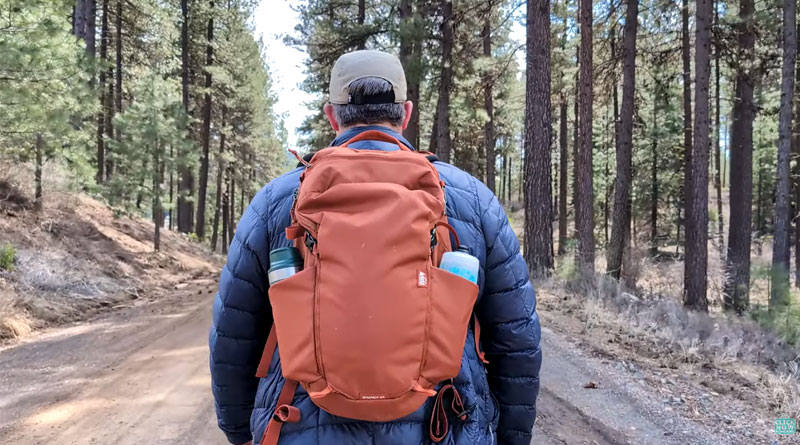
The REI Co-op Ruckpack 30 strikes a perfect balance between a technical trail bag and a travel-friendly commuter pack. Its 30-liter capacity is generous enough for all-day adventures, while the inclusion of a 15-inch laptop sleeve and carry-on sizing makes it a versatile companion for weekend getaways or daily office trips.
Sustainability is a core focus here, featuring bluesign-approved recycled materials throughout the shell and lining. The pack includes a hidden raincover and a supportive hipbelt, ensuring comfort during long hauls in unpredictable weather. It is a rugged, reliable choice for those who want one bag to handle both the mountains and the airport terminal.
Pros: Includes raincover, sustainable materials, and travel-ready carry-on dimensions.
Cons: Laptop sleeve might take up internal space when the pack is fully loaded.
2. Columbia Zigzag II
- Gear Capacity: 30 liters
- Laptop Size: 15 inches
- Compartments: Two main compartments
- Bottom: Flat padded base
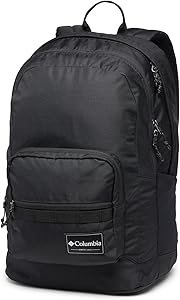
The Columbia Zigzag II is designed for the modern commuter who needs a reliable, high-capacity daypack for urban life. With two main compartments and two front accessory pockets, organization is effortless. The dedicated internal sleeve keeps a 15-inch laptop secure, while the flat padded bottom allows the bag to stand upright for easy access.
While it leans more toward everyday use than technical hiking, its durable coated textile construction ensures it can handle the occasional light trail. The dual water bottle pockets and breathable design make it a functional choice for students or professionals who are always on the move between the city and the park.
Pros: Excellent organization with dual compartments and stands upright on its own.
Cons: Lacks a technical hipbelt for heavy trekking and advanced trail features.
3. Osprey Proxima
- Weight: 1.89 lbs.
- Laptop Size: 16 inches
- Backpanel: AirScape mesh-covered foam
- Dimensions: 18.9 x 13 x 10.6 inches
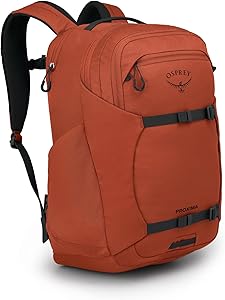
Osprey Proxima is a masterclass in blending technical comfort with daily utility. Featuring the renowned AirScape backpanel, it provides a stable and breathable fit that stays close to the body. The dedicated 16-inch laptop compartment and tablet sleeve make it a powerhouse for tech-heavy users who still want a bag capable of outdoor adventures.
The external compression straps are a standout feature, allowing you to secure bulky items like a yoga mat or a jacket on the outside. Built responsibly with 100% recycled polyester, this pack is as durable as it is environmentally conscious, making it a dependable choice for anyone needing a high-performance daily driver.
Pros: Superior AirScape ventilation and fits larger 16-inch laptops securely.
Cons: The technical look might be too sporty for formal office environments.
4. Deuter Trail

- Frame Type: Delrin internal hoop
- Weight: 2 lbs. 8 oz.
- Pack Access: Top and Panel
- Gear Capacity: 30 liters
The Deuter Trail 30 is a rugged, mountain-ready pack designed for hikers who prioritize load stability and gear access. Featuring a Delrin internal frame, it transfers weight efficiently to the hips, making 30-liter loads feel much lighter. The dual-access design is a major benefit, allowing you to enter the pack from the top or through the front panel.
This pack is fully equipped for technical terrain, including reservoir compatibility and integrated hipbelt pockets for easy access to snacks or navigation. With an included raincover and specialized attachment points for trekking poles, it is an ideal companion for via ferratas or demanding day hikes in alpine environments.
Pros: Dual access points for easy gear retrieval and excellent frame support.
Cons: Heavier than most daypacks in its class due to the internal frame.
5. Osprey Talon Velocity

- Frame Type: Frameless
- Weight: 2 lbs. 2.4 oz. (S/M)
- Exterior Pockets: 8 + main compartment
- Adjustable Torso: Yes
The Osprey Talon Velocity 30 is built for fast-moving enthusiasts who want the features of a backpacking pack with the weight of a vest. It features a unique harness system with vest-style pockets for easy access to hydration and fuel on the go. The adjustable torso ensures a precise fit for a wide range of body types.
With eight exterior pockets, organization is unmatched, allowing you to stash gear without ever taking the pack off. While it lacks a raincover, the high-tenacity recycled nylon is durable enough for aggressive use. This is the ultimate choice for speed hikers and peak baggers who value accessibility and a streamlined, frameless design.
Pros: Vest-style harness for on-the-go access and highly adjustable fit.
Cons: Frameless design requires careful packing to avoid items poking your back.
6. Gregory Zulu 30

- Frame Material: Alloy steel
- Weight: 3 lbs. 0.6 oz. (S/M)
- Back Panel: Suspended Mesh
- Torso Range: 15-22 inches (across sizes)
The Gregory Zulu 30 is a premium hiking pack that focuses heavily on ventilation and comfort. Its alloy steel frame and suspended mesh back panel create a gap between your back and the bag, allowing for maximum airflow. This makes it a standout performer for hiking in hot climates where back sweat is a major concern.
Despite being the heaviest pack on this list, the weight is justified by the incredible suspension system and Lifespan EVA foam. The dual-access design and oversized hipbelt pockets provide excellent utility on the trail. It is a robust, high-performance pack for those who prioritize a plush, ventilated carry over ultralight weight savings.
Pros: Exceptional ventilation and very comfortable suspension for heavy loads.
Cons: Heaviest option among comparable 30L packs; raincover not included.
7. Black Diamond Beta Light

- Weight: 1 lb. 10.4 oz. (M)
- Material: Ultra 200/400
- Waterproof: Yes
- Pack Access: Top
The Black Diamond Beta Light 30 is a minimalist’s dream, engineered for ultralight backpacking and fast-packing. Utilizing cutting-edge Ultra 200 fabric, this pack is incredibly durable for its weight and completely waterproof. The frameless construction keeps the weight under 2 lbs, catering to hikers who have their kit dialed in for efficiency.
The pack features 4-way stretch mesh pockets for quick gear storage and a secure hipbelt with integrated pockets. Because it is waterproof, you can ditch the raincover and feel confident in wet conditions. It is a specialized, high-durability tool for those who want to move fast without being weighed down by unnecessary features.
Pros: Fully waterproof and extremely lightweight using high-end Ultra fabrics.
Cons: Minimalist design offers less organization than traditional daypacks.
See the Black Diamond Beta Light
8. Osprey Tempest Velocity – Women’s

- Gender: Women’s specific fit
- Weight: 2 lbs. 1.9 oz. (M/L)
- Adjustable Torso: Yes
- Gear Capacity: 28-30 liters
The Osprey Tempest Velocity is the women’s specific counterpart to the Talon Velocity, designed with a harness shaped to accommodate different body frames. Like the Talon, it features the hybrid vest-style harness that allows for instant access to snacks and water. It is an ideal choice for high-intensity activities like speed hiking or trail running.
The pack includes eight exterior pockets and an adjustable torso length to ensure the weight remains stable against your back. Built with sustainable materials and featuring a top-loading design, it combines the reliability of the Tempest line with a new focus on speed and accessibility for female adventurers.
Pros: Ergonomic women’s fit with highly accessible vest-style storage.
Cons: Lacks a raincover and the frameless build requires thoughtful packing.
See the Osprey Tempest Velocity – Women’s
9. Osprey Skarab

- Reservoir Included: 2.5 liters
- Weight: 1 lb. 10.2 oz.
- Frame Type: Atilon framesheet with EVA foam
- Torso Range: 17-22 inches
The Osprey Skarab 30 is a value-packed hydration specialist. Unlike most other packs, it includes a high-quality 2.5L reservoir, saving you money and hassle. The design is straightforward and functional, utilizing a top-loading main compartment and an Atilon framesheet that provides a rigid structure for carrying water and gear.
It is surprisingly lightweight at under 2 lbs, yet includes a full hipbelt with pockets for better weight distribution. The wide bucket-style opening makes it easy to load, while the internal framesheet ensures it doesn’t sag when full. This is a great “ready-to-go” pack for hikers who want a simple, effective hydration solution.
Pros: Incredible value with an included 2.5L reservoir and lightweight frame.
Cons: Fewer external organization pockets compared to other technical Osprey models.
10. WATERFLY Hiking Backpack
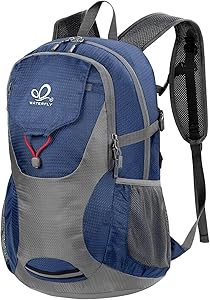
- Weight: 0.92 lbs.
- Folded Size: 7.5 x 7.9 x 1.97 inches
- Feature: Internal wet pocket
- Material: Water-resistant nylon
The WATERFLY Hiking Backpack is the ultimate travel-ready daypack. Its biggest selling point is its packability; it can fold into its own sandwich-sized pocket, making it perfect for stashing in a suitcase. Despite its light weight, it features a smart wet pocket design to keep sweaty clothes or towels separate from your dry gear.
This backpack also includes thoughtful modern features like a cable hole for power banks and s-shaped breathable shoulder straps. While it lacks the heavy-duty suspension of a dedicated trekking pack, it is an excellent, budget-friendly companion for casual hikes, vacations, or daily errands where portability is the top priority.
Pros: Extremely lightweight, packable, and includes a waterproof wet pocket.
Cons: No internal frame or structured hipbelt for heavy loads.
See the WATERFLY Hiking Backpack
The Ultimate Guide to Choosing a 30L Hiking Backpack
For many hikers, the 30-liter backpack represents the “Goldilocks” of gear. It is large enough to carry all the essentials for a demanding day in the mountains, yet compact enough to avoid the bulk of a multi-day trekking pack. Whether you are tackling a strenuous summit or taking a leisurely stroll through the woods, choosing the right 30L pack can be the difference between a day of comfort and a day of sore shoulders.
In this guide, we will break down the essential components of 30L backpacks, from suspension systems to technical features, to help you find the perfect match for your adventures.
Understanding Your Needs: Why 30 Liters?
A 30L pack typically sits in the “Daypack” category, but it pushes into the “Technical Daypack” territory. This size is ideal for hikers who carry “the ten essentials,” extra layers for changing weather, and significant amounts of water. It is also a popular choice for minimalist overnight hikers or those who participate in winter hiking where bulkier clothing is required.
The Core Components of a Backpack
Frame Types: Structured vs. Frameless
The frame is the skeleton of your pack. In 30L models, you will generally find three styles:
- Internal Frames: These use aluminum stays or plastic framesheets to transfer weight to your hips. They are best for carrying heavier loads (15-25 lbs).
- Perimeter Frames: A wire or plastic hoop runs the edge of the back panel, providing tension—often seen in ventilated mesh packs.
- Frameless: These rely on your packing skills to create structure. They are ultralight but can become uncomfortable if overloaded.
Suspension and Support
The suspension system consists of the shoulder straps, hipbelt, and back panel. For a 30L pack, a padded hipbelt is highly recommended. Unlike a school backpack where the weight hangs off the shoulders, a hiking pack should place 70% to 80% of the weight on your hips. Look for “load lifters”—small straps on top of the shoulder pads—that pull the pack closer to your body to prevent swaying.
Back Panel Ventilation
One of the biggest complaints among hikers is “sweaty back syndrome.” Manufacturers have developed several ways to combat this:
Suspended Mesh Design
This design features a trampoline-style mesh that creates a physical gap between your back and the pack. This allows for maximum airflow. It is excellent for hot climates but can slightly shift the center of gravity away from your back.
Molded Foam with Air Channels
These back panels use ridges of foam with mesh overlays. While they offer less airflow than suspended mesh, they keep the load closer to your spine, providing better balance on technical or rocky terrain.
Material and Durability
The longevity of your pack depends on the “Denier” (D) of the fabric, which measures the thickness of the fibers. Most 30L packs use a mix of materials:
- Nylon and Polyester: Standard for most packs. Look for “Ripstop” patterns, which prevent small snags from turning into large tears.
- High-Tenacity Fabrics: These are reinforced versions of nylon designed to withstand abrasion against rocks.
- Ultra/Dyneema: Found in high-end ultralight packs, these are incredibly strong and naturally water-resistant but come at a premium price.
Organizational Features and Access
How you get into your bag is just as important as what you put in it. There are three primary access styles for 30L packs:
Top-Loading Packs
These typically have a drawstring closure covered by a “lid” or “brain.” They are great for overstuffing and offer excellent protection from rain, but finding items at the bottom can be a chore.
Panel-Loading Packs
These use a U-shaped zipper that allows the pack to open like a suitcase. This is the most convenient style for organization, though zippers can be a potential point of failure under extreme stress.
Roll-Top Access
Common in ultralight and waterproof packs, roll-tops allow you to compress the volume of the bag depending on how much gear you are carrying. They are highly weather-resistant but lack the quick access of a zipper.
Technical Add-ons to Look For
When comparing 30L models, look for these specific features that enhance trail performance:
- Hydration Compatibility: An internal sleeve and a port for a drinking tube are standard in most modern packs.
- Hipbelt Pockets: Essential for storing snacks, a compass, or a phone without having to take the pack off.
- Trekking Pole Attachments: Loops or bungees that allow you to stow your poles when they aren’t in use.
- Stretch Side Pockets: These should be deep enough to hold a 1-liter water bottle securely.
- Integrated Raincover: Some packs include a dedicated pocket at the bottom with a removable waterproof cover.
Fit and Sizing: The Most Important Step
A 30L pack that doesn’t fit your torso is a recipe for pain. It is a common misconception that pack size is based on your height; it is actually based on your torso length.
How to Measure Your Torso
To find your torso length, measure from the C7 vertebra (the bony bump at the base of your neck) down the curve of your spine to the iliac crest (the top of your hip bones). Most brands offer small, medium, and large sizes, or adjustable torso harnesses that allow you to slide the shoulder straps up or down.
The Hipbelt Fit
The hipbelt should sit on the top of your hip bones, not your waist. When tightened, there should be a 3-to-6-inch gap between the padded ends of the belt. If the padding wraps all the way around and touches, the pack is too large for you.
Gender-Specific Designs
Many manufacturers offer women-specific versions of their 30L packs. These are not just about color; they feature:
- Shorter torso ranges.
- S-shaped shoulder straps that curve away from the chest.
- Conically shaped hipbelts that sit better on wider hips.
Conclusion: Making the Final Choice
To choose the best 30L hiking backpack, start by defining your environment. If you hike in the desert, prioritize a suspended mesh back panel. If you hike in the Pacific Northwest, prioritize a roll-top or a pack with an included raincover. Finally, always try the pack on with weight inside before committing. A pack that feels great empty might feel completely different with 15 pounds of gear inside.
By focusing on fit, ventilation, and the specific technical features you need, your 30L pack will become a reliable extension of your body, allowing you to focus on the trail ahead rather than the weight on your back.