Best 45L Hiking Backpacks of 2026
Looking for the perfect hiking backpack? If you need one that can handle multi-day trips without being too bulky, a 45-liter size is an excellent choice. It’s the sweet spot—big enough for all your gear, but still manageable on the trail. We’ve tested and compared the top options to help you find your ideal pack. Get ready to discover the best 45L hiking backpacks for your next adventure.
1. Osprey Kestrel LT

- Gear Capacity: 45 liters
- Weight: 4 lbs. 0.32 oz.
- Frame Type: Internal (LightWire steel)
- Material: 100% recycled 300-denier polyester
The Osprey Kestrel LT is a rugged workhorse designed for hikers who prioritize durability and a precise fit. Built with a LightWire steel peripheral frame, it transfers weight efficiently to the hips, making it ideal for carrying heavier loads over technical terrain. The inclusion of a raincover and its bluesign-approved recycled materials reflect Osprey’s commitment to both functionality and environmental responsibility.
Accessing your gear is simple thanks to the dual top and side entry points, ensuring you never have to dig to the bottom for a stray layer. The adjustable torso length and expansive hipbelt range accommodate a wide variety of body shapes. While it is one of the heavier options in its class, the robust construction and padded support provide a stable carry that justifies the extra ounces for long-distance treks.
Pros:
- Highly durable ripstop fabric
- Includes integrated raincover
Cons:
- Heavier than many competitors
- Side access can be narrow
See the Osprey Kestrel LT See the Women’s Kyte LT
2. Teton Scout 45L
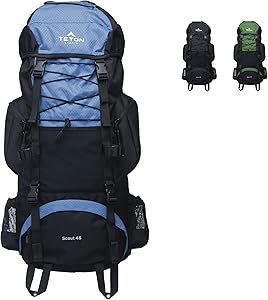
- Gear Capacity: 45 liters
- Torso Adjustment: Multi-position
- Comfort Features: Open-cell foam lumbar pad
- Special Compartment: Large sleeping bag pocket
The Teton Scout 45L is widely regarded as an excellent entry-level backpack for those venturing into the backcountry without wanting to break the bank. It offers a surprisingly feature-rich experience, including a dedicated sleeping bag compartment and multi-directional compression straps. The adjustable torso system allows the pack to grow with younger hikers or be shared between different users with ease.
Comfort is managed through thick open-cell foam padding and molded airflow channels, which help mitigate heat buildup during summer excursions. While it may lack the high-tech, ultralight materials found in premium brands, its “Teton Tough” construction ensures it can handle the bumps and scrapes of a typical trail. It is a reliable, balanced choice for beginners who need a spacious and organized gear hauler.
Pros:
- Excellent value for the price
- Highly adjustable for various sizes
Cons:
- Bulkier design than premium models
- Foam can feel stiff initially
3. Gregory Zulu

- Gear Capacity: 45 liters (M/L)
- Weight: 3 lbs. 11.4 oz.
- Back Panel: Suspended mesh for airflow
- Access: Top and front panel
The Gregory Zulu 45 stands out for its exceptional ventilation and ergonomic suspension system. Utilizing a suspended mesh back panel, it keeps the pack body off your back to maximize airflow, making it a favorite for hikers in warm climates. The alloy steel frame provides a flexible yet supportive structure that moves with your body, reducing fatigue during long days of vertical gain.
Storage is intelligently organized with six exterior pockets and a convenient U-zip front opening that allows the pack to open like a suitcase. This makes finding specific items incredibly fast without disturbing your entire packing system. Although it does not include a raincover, the premium materials and refined fit adjustments offer a high-end experience for serious backpackers who demand comfort and accessibility.
Pros:
- Outstanding back ventilation
- Easy access via U-zip panel
Cons:
- Raincover not included
- Higher price point
See the Gregory Zulu See the Women’s Facet
4. NEMO Persist Endless Promise

- Gear Capacity: 44 liters
- Weight: 3 lbs. 11 oz.
- Materials: 100% recycled polyester
- Pockets: 8 exterior + main
The NEMO Persist 45 is a standout for environmentally conscious adventurers, part of the “Endless Promise” line designed to be fully recyclable at the end of its life. Beyond its green credentials, it is a highly capable technical pack featuring a spring steel loop frame for consistent support. With eight exterior pockets, it offers more organizational options than almost any other pack in its weight class.
The top and panel access points provide versatility for packing, while the 100% recycled polyester construction feels robust and ready for rough use. The fit is highly customizable with an adjustable torso, ensuring the load stays centered and comfortable. While it lacks an included raincover, its innovative design and focus on sustainability make it a forward-thinking choice for modern hikers who value organization.
Pros:
- Superior organization with 8 pockets
- Fully recyclable materials
Cons:
- No included rain protection
- Aesthetics may be polarizing
See the NEMO Persist See the Women’s Persist
5. Naturehike Hiking Backpack

- Weight: 2.73 lbs.
- Material: 420D Nylon
- Capacity: 40+5 liters
- Extra Feature: DIY windrope system
Naturehike’s Rock Series is designed for the gram-counting hiker who needs a lightweight setup without sacrificing essential features. At just 2.73 lbs, it is significantly lighter than many traditional internal frame packs, yet it still uses durable 420D nylon to resist tears and abrasions. The “40+5” design provides a flexible capacity, allowing for extra gear when needed for overnight stays.
The ergonomic back pad and mesh structure prioritize breathability, while the included raincover adds value for those trekking in unpredictable weather. A unique DIY windrope system and multiple compression points allow you to lash bulky items like sleeping pads or trekking poles to the exterior easily. It is an impressive balance of weight, price, and durability for those who prefer a minimalist approach to their mountain adventures.
Pros:
- Impressively lightweight for the size
- Reinforced 420D nylon fabric
Cons:
- Less padding for very heavy loads
- Limited torso adjustment range
See the Naturehike Hiking Backpack
6. Black Diamond Beta Light

- Weight: Approx. 2 lbs. (Medium)
- Material: Ultra 200 and Ultra 400
- Frame: Aluminum
- Special Feature: Fully waterproof
The Black Diamond Beta Light 45 is a high-performance, ultralight pack designed for fast-and-light missions where every ounce is scrutinized. Constructed using cutting-edge Ultra 200 fabric, this pack is not only incredibly light but also naturally waterproof and highly resistant to abrasion. The minimalist design features a simple top-loading access point and a streamlined aluminum frame to keep the weight near the 2-pound mark.
Despite its low weight, it doesn’t skimp on essential trail features like hipbelt pockets and reservoir compatibility. The use of Ultra 400 in high-wear areas ensures that the pack can survive contact with rock and brush. This is a specialized tool for experienced hikers who have dialed in their gear list and want a pack that offers maximum protection with minimum weight penalty.
Pros:
- Ultralight and waterproof construction
- High-tech, abrasion-resistant fabrics
Cons:
- Lacks internal organization pockets
- Very expensive compared to others
See the Black Diamond Beta Light
7. Gregory Stout

- Weight: 2 lbs. 15.2 oz.
- Frame Material: Alloy steel
- Access: Top and Bottom
- Special Feature: Sleeping bag compartment
The Gregory Stout 45 is a versatile all-rounder that bridges the gap between ultralight bags and heavy-duty trekking packs. It features an adjustable torso and a supportive alloy steel frame that makes carrying 45 liters feel effortless. One of its best features is the dual access system, allowing you to enter the pack from the top or through a dedicated bottom sleeping bag compartment.
The Stout uses a mix of 210-denier and 420-denier nylon, providing strength where it’s needed while keeping the total weight under three pounds. It is a highly practical choice for weekend warriors who need a pack that is easy to organize and comfortable for long miles. While it doesn’t include a raincover, its robust build and thoughtful suspension make it a reliable partner for various trail conditions.
Pros:
- Dedicated sleeping bag access
- Great weight-to-support ratio
Cons:
- No included raincover
- Hipbelt pockets are slightly small
See the Gregory Stout See the Women’s Maven
8. G4Free 45L Hiking Backpack

- Weight: 0.97 kg (approx. 2.14 lbs.)
- Material: Water-resistant Nylon
- Dimensions: 21.7 x 12.99 x 9.84 inches
- Included: Waterproof rain cover
The G4Free 45L is an ultra-budget-friendly option that packs a surprising amount of utility into a lightweight frame. Weighing in at less than one kilogram, it is exceptionally easy to carry for day hikes or light overnight trips. The pack features a 2cm thick padded back and shoulder strap system with open-cell foam, ensuring that air can circulate even when the pack is fully loaded.
Organization is a strong suit for this model, featuring multiple zipped compartments and a specific bottom pocket for quick-access items. It even includes a dedicated water bladder exit and an integrated rain cover, features often missing from more expensive minimalist packs. While it may not have the heavy-duty internal frame of a technical mountaineering pack, it is a perfect multipurpose choice for trekking, traveling, and casual camping.
Pros:
- Extremely lightweight and portable
- Includes rain cover and bladder exit
Cons:
- Lacks a rigid internal frame
- Lower weight capacity for heavy gear
See the G4Free 45L Hiking Backpack
The Ultimate Guide to Choosing a 45L Hiking Backpack
Selecting the right backpack is perhaps the most critical decision a hiker can make. A 45L backpack sits in the “Goldilocks zone” of outdoor gear—large enough for a well-planned multi-day trek, yet compact and light enough to serve as a spacious day pack for winter excursions or technical climbs. Unlike smaller daypacks, a 45L bag requires a sophisticated suspension system to manage weight, but it avoids the cumbersome bulk of 65L+ expedition packs.
To choose the perfect companion for your adventures, you must look beyond the color and price tag. You need to evaluate how the pack interacts with your anatomy, the specific requirements of your gear list, and the environments where you spend your time. This guide breaks down the essential factors to ensure your next 45L pack feels like an extension of your body rather than a burden on your back.
Understanding Volume and Capacity
While “45L” is the standard label, not all 45-liter packs provide the same usable space. Manufacturers often calculate volume differently—some include the side mesh pockets and hipbelt pouches in the total count, while others only measure the main internal compartment. Before purchasing, verify if the 45L capacity fits your specific gear needs.
Is 45L Right for Your Trip?
A 45L pack is generally suited for:
- Ultralight Thru-Hiking: If your base weight is under 10 lbs, 45L is plenty for a 5-day trip.
- Weekend Warrior Trips: For a standard 2-night trip with modern, compact gear.
- Technical Day Hikes: Carrying ropes, helmets, or cold-weather layers.
The Suspension System: The Backbone of Comfort
The suspension system is what differentiates a high-quality hiking pack from a standard school bag. It is responsible for transferring the weight from your shoulders to your hips—the strongest part of your body. In a 45L pack, you will typically encounter three types of frame designs.
Internal Frame Packs
Most modern 45L packs use internal frames consisting of aluminum stays or a plastic framesheet. These keep the pack close to your back, providing excellent balance on uneven terrain. They are streamlined and move with your body, making them the preferred choice for most hikers.
Perimeter Frames and Tensioned Mesh
Some brands, like Osprey and Gregory, use a perimeter wire frame that supports a suspended mesh back panel. This creates a gap between your back and the pack, allowing for maximum ventilation. If you hike in hot, humid climates, this “trampoline” style back panel is a game-changer for reducing sweat.
Frameless and Minimalist Designs
Ultralight 45L packs may forgo a frame entirely to save weight. These rely on the hiker’s packing skills—specifically using a folded foam sleeping pad as a makeshift frame—to provide structure. These are only recommended if your total pack weight stays under 20–25 lbs.
Achieving the Perfect Fit
A pack that doesn’t fit correctly will cause hot spots, shoulder strain, and bruised hips. Because 45L packs carry significant weight, fit is non-negotiable. You must measure two key metrics: your torso length and your waist circumference.
Torso Length vs. Height
It is a common mistake to choose a pack based on height. A tall person can have a short torso, and vice versa. To find your torso length, measure from the C7 vertebra (the bump at the base of your neck) down to the iliac crest (the top of your hip bones). Many 45L packs now feature adjustable torso harnesses, allowing you to slide the shoulder straps up or down to match your measurement exactly.
The Role of the Hipbelt
Approximately 70% to 80% of the pack’s weight should rest on your hips. The hipbelt should wrap around the top of your iliac crest, not your waist. Look for dual-density foam padding that provides cushion without collapsing under load. Many premium packs also offer “pull-forward” adjustments, which make it easier to cinched the belt tightly.
Materials and Durability
The fabric of your pack determines its weight and how well it stands up to granite scrapes or thick brush. Materials are usually measured in “Denier” (D), which indicates the thickness of the fibers.
Nylon and Polyester
Most 45L packs use high-tenacity nylon (ranging from 100D to 420D). It is durable, relatively light, and water-resistant when treated with a DWR (Durable Water Repellent) coating. Ripstop weaves are common, which use a grid of thicker threads to prevent small punctures from turning into long tears.
Specialty Ultralight Fabrics
If you are looking for the absolute lightest 45L pack, you might encounter materials like Ultra 200 or Dyneema Composite Fabric (DCF). These materials are incredibly strong and naturally waterproof but come at a much higher price point. They are ideal for hikers who prioritize weight savings over long-term plush comfort.
Access Points and Organization
How you get into your pack is just as important as how much it holds. A 45L pack is deep enough that finding a small item at the bottom can be frustrating if you only have top access.
Top Loading vs. Panel Loading
Classic top-loaders use a drawstring closure, often protected by a “lid” or “brain.” These are great for overstuffing and offer excellent weather protection. Panel loaders, or U-zip packs, open like a suitcase. This allows you to see all your gear at once—perfect for those who struggle with organization.
External Pockets
Look for a large stretch-mesh front pocket (often called a “shove-it” pocket) for wet rain shells or snacks. Side water bottle pockets should be reachable while wearing the pack. Additionally, hipbelt pockets are essential for storing small items like lip balm, a phone, or a GPS device.
Essential Features to Look For
While minimalist packs are trending, certain features provide enough utility to justify their weight:
- Load Lifters: Small straps on top of the shoulders that pull the pack’s weight closer to your back to prevent sagging.
- Hydration Sleeve: An internal pocket for a water bladder with a port for the drinking tube.
- Compression Straps: These allow you to pull the load tight against the frame, preventing gear from shifting while you walk.
- Rain Cover: Some packs include a dedicated rain cover in a bottom pocket; if not, you’ll need to purchase a separate one or use an internal waterproof liner.
Final Considerations: Weight vs. Comfort
The “weight of the pack” is a trade-off. A 4 lbs pack usually has thick padding and a robust frame that makes 30 lbs feel like 20 lbs. A 2 lbs pack saves you weight upfront but may feel uncomfortable if you overload it. Always test your pack with weight inside before hitting the trail. Most outdoor retailers will provide weighted sandbags to simulate a real-world load.
By focusing on torso fit, suspension quality, and the specific access points that match your hiking style, you will find a 45L backpack that doesn’t just carry your gear, but enhances your entire outdoor experience.