
Best Backpacking Tents in the UK 2026
Backpacking in the UK means unpredictable weather, rough trails, and unforgettable views. So your tent needs to handle all three. Whether you’re wild camping in the Highlands or trekking through Wales, the right shelter matters. We’ve picked the best backpacking tents for UK conditions—tested for wind, rain, and long hikes. No fluff, just reliable picks. If you want a tent that won’t let you down, keep reading.
1. Vango Orion 200

- Water-resistance: ProTex 70D 5000mm flysheet
- Structure: Tunnel design with TBSII Tension Band System
- Weight: 2.62 Kilograms
- Dimensions: 3.15L x 1.5W x 1H metres
The Vango Orion 200 is a specialized trekking tent designed for those who prioritize stability in unpredictable environments. Its tunnel structure provides an excellent space-to-weight ratio, making it a reliable companion for wild camping. The inclusion of the TBSII Tension Band System ensures that the tent maintains its shape and performance even when facing adverse wind conditions.
One of the standout features is the versatility of the pitching process, allowing for flysheet-first or all-in-one setup to keep the inner dry during rain. The removable porch groundsheet is a thoughtful addition, providing a dedicated clean space for muddy boots and gear. This year-round tent offers a robust 5000mm waterproof rating, ensuring you stay dry during multi-day backpacking adventures.
Pros:
- High waterproof rating with 7011-T6 alloy poles
- Excellent wind resistance via TBSII system
- Flexible pitching options
Cons:
- Tunnel design can be less spacious overhead
- Slightly heavier than ultralight alternatives
2. Naturehike Ultralight 1

- Dimensions (L x W x H): 205 x 155 x 110 cm
- Weight: 1.5 kg
- Waterproof rating: PU 3000mm (210T polyester with B3 mesh)
- Included components: 8 pegs, 2 ropes, 1 aluminum pole, and carry bag
The Naturehike Ultralight 1 is a lightweight, reliable solo tent ideal for budget-conscious hikers and bikepackers. With a packed weight of just 1.5 kg and a freestanding design, it’s easy to carry and even easier to pitch—taking under 10 minutes to fully set up. The PU3000mm-rated polyester fabric and quality aluminum poles held up well in wet and windy conditions. One user reported staying completely dry inside even after a damp, foggy night camping on the South West Coast Path. The interior is just roomy enough to sleep and sort gear, and the double D-shaped doors and mesh panels allow for good airflow.
The build quality of the tent exceeds expectations for its price, offering performance on par with more expensive models. It’s breathable in hot weather, yet protective in rain and wind. The only real flaw noted is that the head and foot panels can flap in strong winds—easily fixed with extra guy lines or clips. For under £100, it’s hard to beat the value here. Whether you’re hiking, fishing, or on a cycle tour, the Naturehike Ultralight 1 offers a practical, trustworthy shelter that doesn’t weigh you down. It’s especially well-suited to solo adventurers wanting minimal fuss without sacrificing comfort or protection.
Pros:
- Ultralight and compact for backpacking
- Excellent waterproof performance
- Easy to set up and freestanding
Cons:
- Narrow space at head and foot
- Panels can flap in wind
See the Naturehike Ultralight 1
3. Underwood Aggregator 1

- Dimensions (L x W x H): 220 x 81 x 91 cm
- Packed size: 38.1 x 13 cm
- Weight: 1.9 kg
- Waterproof rating: PU 5000MM rainfly with 210T ripstop groundsheet
The Underwood Aggregator is a compact, no-nonsense backpacking tent designed for solo adventurers tackling rough UK weather. Weighing just 1.9 kg, it fits easily into a 50+L pack and sets up in minutes with two simple cross poles. The double-layer design prevents condensation buildup, while the mesh inner door boosts airflow. It’s small, yes—but the space is just enough to sleep and sit up on a mat. The vestibule is tight but holds your pack, though don’t count on cooking inside during storms.
Where the Aggregator truly shines is its weatherproofing. After surviving 40 mph winds and sideways rain during Storm Darragh, it kept one camper completely dry—even while sitting in a pool of water. The PU 5000MM rainfly, reinforced seams, and solid aluminum poles held up without a hitch. It’s not luxurious, but for wild camping and minimalist hikes, it’s a solid, reliable option. The included gear (stakes, poles, ropes) is basic but functional, and the hook inside for hanging lights is a thoughtful touch. For anyone looking for a tough, lightweight, and affordable solo shelter, the Aggregator gets the job done.
Pros:
- Extremely weather-resistant
- Lightweight and compact
- Quick and easy setup
Cons:
- Very limited space inside
- Vestibule too small for cooking
4. Night Cat 1-Person Tent

- Inner dimensions (L x W x H): 220 x 120 x 110 cm
- Packed size: 43 x 13 x 13 cm
- Weight: 2 kg
- Waterproof rating: 3000mm with heat-sealed seams
The Night Cat 1-Person Tent offers great value for solo campers seeking a budget-friendly and weatherproof shelter. With a 3000mm waterproof fabric and heat-sealed seams, it held up well through heavy rain and strong winds during a two-night trip. Despite its low price—around £45 on sale—it doesn’t feel flimsy. The single-layer, single-door design keeps weight down, while the inner mesh door boosts ventilation and blocks insects. The outer flap forms a small vestibule to keep shoes or gear dry. Setup and pack-down are quick and easy, even solo, and it takes less than five minutes to pitch without hassle.
The tent is roomy for one person and a backpack, though it’s a tight fit for two adults. At 5’11″, the reviewer found the space just right for sleeping alone with extra kit, but sharing would be a squeeze. Still, the extra space in the 2-person version makes solo camping more comfortable without adding too much bulk. The tent is lightweight and compact enough for bikepacking or light hiking. It’s quiet in wind, holds its shape well, and looks decent too. For casual weekend trips or anyone new to wild camping, the Night Cat is a reliable, no-fuss option that punches well above its price.
Pros:
- Excellent waterproofing for the price
- Quick and easy solo setup
- Lightweight and compact
Cons:
- Tight fit for two people
- No vestibule large enough for cooking
See the Night Cat 1-Person Tent
5. Naturehike Cloud Up 2

- Inner dimensions (L x W x H): 210 x 125 x 100 cm
- Packed size: 40 x 13 cm
- Weight: 1.75 kg
- Waterproof rating: 4000mm (20D silicone-coated nylon fly and floor)
The Naturehike Cloud Up 2 is a solid ultralight tent option for serious beginners who want quality without spending a fortune. Weighing just 1.75 kg, it’s one of the lightest two-person tents in its class, yet still offers a porch for cooking and enough headroom to sit up comfortably. The freestanding design and upgraded Y-frame structure allow for easy setup without pegs, and the improved rear vent helps reduce condensation. While space is tight for two adults, it’s manageable if you keep gear in the vestibule or pack light. The tent feels reliable and well-made, and is perfect for spring and summer adventures across the UK.
In testing, it held up well during early spring camping in the Cairngorms and other high-elevation spots in Scotland. Though it’s not designed for extreme weather, it can handle a good amount of wind and rain if pitched carefully. One downside is the high cut on the lower sides, which can let in drafts—especially in colder conditions. A simple trick is pegging the sides directly to the ground with extra stakes. The tent can also flap noisily in strong winds, but this is a minor tradeoff for such a lightweight design. Overall, the Cloud Up 2 offers a near-perfect balance of weight, build, and cost, making it an excellent choice for hillwalkers and weekend backpackers looking to step up their kit.
Pros:
- Ultralight and compact
- Freestanding and easy to pitch
- High waterproof rating
Cons:
- Can be drafty in cold, windy conditions
- Tight fit for two people
6. Vango Nevis 200

- Flysheet: ProTex 70D Polyester, 3000mm HH waterproof rating
- Groundsheet: ProTex 70D Polyester, 6000mm HH waterproof rating
- Poles: PowerLite 7001-T6 Alloy
- Pitch time: Approx. 5 minutes (flysheet-first or all-in-one setup)
The Vango Nevis 200 is a compact and reliable tunnel tent that’s become a go-to for solo backpackers and Duke of Edinburgh expeditions. Its flysheet-first or all-in-one pitching system means you can get shelter up fast, even in bad weather. The PowerLite alloy poles and TBSII tension band system help the tent stay stable in strong winds, and despite a snug fit, the interior feels spacious for one person with a full backpack. The vestibule is big enough for boots and gear, while vents at both ends and a part-mesh door help reduce condensation—though a little still forms on colder nights.
This tent really shines in value and durability. The ProTex materials and taped seams offer excellent weather protection, and the construction feels solid despite the lightweight design. It pitches in around five minutes, though getting the end poles into their grommets can take a bit of effort—nothing major, just part of the secure design. It’s marketed as a 2-person tent, but it’s more realistically a roomy solo shelter. Ideal for wild camping, the Nevis 200 is discreet, packs down well, and delivers far more than you’d expect at this price point. For new campers or solo hikers looking for something lightweight yet tough, this is a strong contender.
Pros:
- Strong, weatherproof materials
- Fast and simple to pitch
- Excellent stability in high winds
Cons:
- Tight for two people
- End poles can be tricky to fit
7. OneTigris Stella 2

- Setup size (L x W x H): 210 x 125 x 115 cm
- Packed size: 50 x 15 cm
- Weight: 2 kg
- Waterproof rating: 3000mm (20D nylon with silicone coating outer, 40D nylon floor)
The OneTigris Stella 2 is a lightweight, versatile 4-season tent that strikes a solid balance between weight, weather resistance, and thoughtful design. At just 2 kg, it’s easy to carry and quick to pitch thanks to its simple cross-pole setup. The 3000mm waterproof-rated fabric and blackout outer provide excellent protection from wind and rain, while the mesh inner offers great airflow without feeling drafty. Even in cold, windy conditions—with a wind chill of -4°C—the tent stayed warm and dry when paired with a proper sleeping system. Two doors with vestibules make storage easy, and small touches like zip-cover flaps and internal hooks for drying gear show the attention to detail.
The Stella 2 is advertised as a two-person tent, though it’s best suited for solo campers or smaller pairs due to the snug interior. There’s room for gear in the vestibules, but larger individuals may find it a tight squeeze. Inside, you get corner pockets for small items, a ceiling hook, and four internal tags for rigging a drying line—useful for longer hikes. The only real downside is that the tent only comes with 10 stakes, though 12 are needed to fully stake it out—so bring a couple of extras. The floor is also quite thin, so using a separate footprint is a smart move. Overall, it’s a high-quality tent that delivers excellent performance for the price.
Pros:
- Lightweight and compact
- Great weather protection and ventilation
- Two vestibules and doors for easy access
Cons:
- Only includes 10 pegs; needs 12
- Tight fit for two larger people
8. Vango Talas 200

- Flysheet: Protex 70D polyester, 3000mm HH waterproof rating
- Groundsheet: PE material, 10,000mm HH waterproof rating
- Inner fabric: Breathable polyester
- Packed size: 51 x 14 cm
The Vango Talas 200 is a dependable and budget-friendly option for solo campers or festival goers looking for a compact, waterproof tent. The Protex 70D flysheet and factory-taped seams provide excellent protection from rain, while the 10,000mm groundsheet keeps moisture at bay even on soggy ground. Inner-first pitching makes setup quick and easy—especially useful if you’re arriving late or setting up in fair weather. The breathable inner helps reduce condensation, and the pack size is compact enough to easily fit in most rucksacks, making it a solid choice for weekend hikes and wild camping.
Although it’s officially a two-person tent, space is very limited for two adults, especially with gear inside. It’s much more comfortable for solo use, giving just enough room for a sleeping mat and pack. There’s no vestibule, so all gear needs to come inside, which adds to the squeeze if you’re sharing. Despite its tight quarters, the Talas 200 performs well in poor weather, keeping the interior dry and free of condensation during use. If you value simplicity, waterproofing, and a reliable build over comfort and space, this tent ticks all the right boxes for a great price.
Pros:
- Excellent waterproof protection from both ground and rain
- Lightweight and compact when packed
- Fast and simple inner-first pitching
Cons:
- Cramped for two people with gear
- No vestibule for external storage
9. Forceatt Camping Tent

- Occupancy: 2-3 Person capacity
- Material: 68D polyester with 220T waterproof coating
- Weight: 2.5 Kilograms
- Setup Time: Approximately 3 minutes
The Forceatt Camping Tent is a user-friendly option tailored for hikers who value quick assembly and breathability. Featuring a dual-door design with two vestibules, it offers convenient access and extra storage for two people, despite being marketed with a three-person occupancy. The welded floor design is a significant benefit, elevating the bottom to prevent water seepage from wet ground during 4-season use.
Ventilation is a core strength of this model, utilizing a high-density micro-mesh fabric that promotes airflow while remaining tear-resistant. The inclusion of two ceiling vents and a large mesh window helps minimize condensation during the night. With its lightweight aluminum poles and snag-free zippers, this tent represents a balanced choice for casual camping trips where ease of use is the primary concern.
Pros:
- Dual D-shaped doors for easy entry
- Highly breathable mesh construction
- Very fast and simple assembly
Cons:
- Shape is listed as round which may affect wind shedding
- Internal space may be tight for three adults
10. Voyager 2 Man Tent

- Shape: Dome structure
- Materials: Aluminum poles and Polyester fabric
- Weight: 2.7 Kilograms
- Dimensions: 225L x 135W x 110H centimetres
The Voyager 2 Man Tent is built for durability and ease, catering to outdoor enthusiasts who need a reliable shelter for varied conditions. Its dome shape is a classic choice for camping, providing a stable interior that is both windproof and waterproof. The aluminum and polyester construction ensures that the tent remains sturdy over many uses while keeping the total carry weight manageable for backpacking.
Inside, the tent offers generous dimensions that comfortably accommodate two adults along with their essential gear. The quick-setup design is perfect for those who want to spend more time exploring and less time wrestling with poles. Because it is engineered for multi-season use, it provides a consistent level of protection and comfort, making it a versatile asset for any weekend getaway or extended hiking excursion.
Pros:
- Durable aluminum pole construction
- Spacious interior for two people
- Lightweight enough for backpacking
Cons:
- No included components like pegs listed
- Basic waterproof coating compared to specialized trekking tents
How to Choose a Backpacking Tent in the UK?
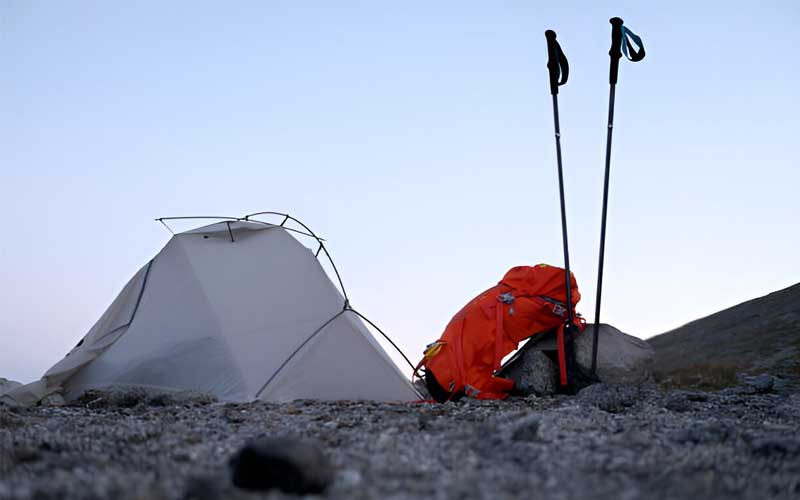
Choosing the right backpacking tent in the UK can make or break your adventure. From the Highlands of Scotland to the rolling hills of the Lake District, the British outdoors offers stunning but often challenging conditions. A good tent must be more than just a shelter—it should be light to carry, quick to pitch, and able to stand firm against wind and rain.
1. Understand Your Needs
Before diving into technical specs, think about how and where you’ll use the tent.
-
Solo or group camping? Solo hikers will benefit from ultralight one-person tents, while duos or small groups might need a bit more space.
-
Time of year? For spring and summer trips, a 3-season tent is usually enough. If you’re heading out in winter or to higher altitudes, look for a 4-season option.
-
Terrain and stealth? Wild camping in the UK often means pitching on uneven or remote ground, so a tent that performs well in exposed or rugged areas is ideal. Low-profile tents are great for stealth camping.
2. Weight and Packed Size
When backpacking, every gram matters. The ideal weight depends on your hiking style:
-
Ultralight tents (under 1.5 kg) are best for solo hikers aiming to keep things minimal.
-
Lightweight tents (1.5 – 2.5 kg) offer a good balance of weight and comfort, especially for two people.
-
Packed size is just as important—make sure the tent fits easily in or on your backpack.
Tip: Consider the “trail weight” (just the tent, poles, and flysheet) rather than the total packaged weight.
3. Weather Protection (Waterproofing and Wind Resistance)
UK weather is famously unpredictable. A tent that performs well in wind and rain is non-negotiable.
-
Hydrostatic Head (HH): This measures waterproofing. A 3000mm HH rating is the minimum recommended for UK use, especially in wet climates like Wales or the Scottish Highlands.
-
Seam taping: Look for factory-taped seams to prevent water ingress.
-
Tent shape: Low-profile tunnel or dome designs resist wind better than taller, upright tents.
-
Rainfly and bathtub floors: A full-coverage fly and high bathtub floor edge are essential for heavy rain.
4. Ease of Setup
When you’re exhausted and it’s getting dark, you’ll be grateful for a tent that’s quick and simple to pitch.
-
Freestanding tents can be pitched anywhere, even on hard or rocky ground, and often take under 10 minutes to set up.
-
Non-freestanding tents (often lighter) may require pegging and guy-lining, which can be tricky on uneven terrain.
-
Inner-first vs. flysheet-first: In the UK’s wet climate, flysheet-first or all-in-one pitching designs are preferable so the inner doesn’t get soaked during setup.
5. Space and Comfort
While you’ll mostly be sleeping in your tent, having a bit of breathing room is nice—especially on long trips.
-
Floor dimensions: Make sure the tent is long and wide enough to sleep comfortably with your gear.
-
Vestibule/porch area: Crucial for storing wet boots and bags or even cooking if the weather’s bad.
-
Headroom: Look for a peak height that lets you sit up. It makes changing clothes or riding out a storm much more comfortable.
-
Ventilation: Mesh panels, vents, or dual doors help reduce condensation, which is a common issue in damp UK conditions.
6. Durability and Materials
Backpacking tents must be tough enough to handle UK terrain without being too heavy.
-
Tent fly and floor: Look for ripstop nylon or polyester with PU or silicone coatings.
-
Pole material: Aluminium poles (e.g. 7001 series) are lightweight and strong—better than cheaper fiberglass poles.
-
Zippers, clips, and pegs: These small parts can fail in bad conditions. Check for solid zips and lightweight but sturdy stakes. Bring a few spares just in case.
7. Season Rating
-
3-season tents are the most common. They handle UK spring through autumn well, with ventilation and weather protection.
-
4-season tents are heavier and more robust, built for snow and extreme winds. Unless you’re camping in the Cairngorms in winter, most UK hikers don’t need a full 4-season tent.
-
Convertible tents allow you to strip down or reinforce depending on the weather.
8. Price and Value
You don’t need to spend a fortune to get a solid backpacking tent, but quality matters. Here’s a rough guide:
-
£80–£150: Budget tents like the Vango Nevis 200 or Naturehike Cloud Up offer great performance and value for solo or duo hikers.
-
£150–£300: Mid-range tents in this bracket often have better materials, lower weight, and added features like dual doors or larger vestibules.
-
£300+: Premium options like MSR, Big Agnes, or Hilleberg are lighter, stronger, and more durable—great for experienced hikers or frequent use.
Always read real-world reviews to see how the tent performs in actual UK conditions, not just on paper.
9. Recommended Features for UK Backpacking
- Fly-first or all-in-one pitching
- 3000mm+ waterproof flysheet and 5000mm+ groundsheet
- Double doors and vestibules for gear storage
- Low profile for wind resistance
- Good ventilation to prevent condensation
- Compact packed size
10. Popular Backpacking Tent Picks in the UK
-
Vango Nevis 200: Great value and reliable for solo campers.
-
Naturehike Cloud Up 2: Ultralight, compact, and waterproof—perfect for solo wild camping.
-
MSR Hubba NX Solo: Lightweight premium option for serious backpackers.
-
OEX Phoxx 2: DofE-recommended and very affordable.
-
Big Agnes Copper Spur HV UL2: Excellent comfort-to-weight ratio, though on the pricier side.
Conclusion
Choosing the best backpacking tent for UK adventures means balancing weight, weather protection, durability, and comfort. Think about the kind of trips you’ll take, your preferred season, and how much gear you carry. In the often-wet and windy UK climate, waterproofing and stability are just as important as weight and space.
Don’t rush your decision. Try pitching the tent at home before heading out, and always bring a few extra pegs and guylines for windy nights. With the right tent, you’ll sleep well, stay dry, and enjoy everything the British outdoors has to offer.
Happy hiking—and may your tent always stay dry!