Best Baselayers for Extreme Cold of 2026
When temperatures drop to extreme cold, the right baselayer can make a huge difference. A good baselayer helps keep your body warm, dry, and comfortable by trapping heat and moving sweat away from your skin. Whether you are hiking, skiing, camping, or working outdoors, wearing the proper baselayer is essential for staying safe in freezing conditions. In this article, we look at the best baselayers for extreme cold that offer warmth, comfort, and reliable performance.
“`html
1. Iguana Merino Wool Base Layer
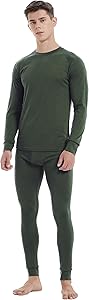
- Material: 100% merino wool, 190 g/m²
- Fit: Lightweight and elastic knit
- Comfort: Itch-free, anti-static
- Care: Machine washable, low tumble dry
The Iguana Merino Wool Base Layer is a strong choice for extreme cold when comfort matters most. Made from super fine 190 g/m² merino wool, it feels soft against the skin while still providing reliable warmth. The fabric stretches naturally with your movement, making it ideal for skiing, hiking, or long days outdoors. Unlike synthetic layers, merino wool regulates body temperature well, helping you stay warm without overheating.
This base layer also excels at moisture control. It pulls sweat away from the skin as vapor, keeping you dry during active use. The natural anti-static properties reduce cling and discomfort, which is helpful for layering. Another benefit is its itch-free feel, making it suitable for all-day wear or even as thermal underwear for daily use. Easy care instructions add to its appeal, as it can be machine washed without special treatment.
- Pros: Soft and itch-free, excellent moisture control, natural warmth, odor resistant
- Cons: Higher price than synthetics, takes longer to dry
See the Iguana Merino Wool Base Layer
2. TELALEO 2 Set Thermal Underwear

- Material: 85% polyester, 15% spandex
- Lining: Fleece-lined interior
- Stretch: Four-way stretch fabric
- Design: Flatlock seams, snug fit
The TELALEO 2 Set Thermal Underwear is built for serious warmth and everyday comfort. The fleece-lined fabric traps heat efficiently, making it suitable for extreme cold conditions both indoors and outdoors. The snug fit helps reduce heat loss while avoiding uncomfortable bunching around the waist or sleeves. Whether worn under work clothes or winter gear, it feels smooth and supportive.
This thermal set also performs well during movement. The four-way stretch fabric allows full freedom of motion, which is useful for skiing, cycling, or running. Moisture-wicking properties keep sweat away from the skin, helping you stay dry during active use. Flatlock seams prevent chafing, adding to the overall comfort for long wear. Its versatility makes it useful as both a base layer and cozy sleepwear.
- Pros: Very warm, soft fleece lining, flexible fit, good value
- Cons: Thicker feel, less breathable than merino
See the TELALEO 2 Set Thermal Underwear
3. WEERTI Thermal Underwear

- Material: Polyester fleece blend
- Fit: Four-way stretch
- Warmth: Heat-locking design
- Use: Base layer or sleepwear
The WEERTI Thermal Underwear set is designed to provide all-day warmth during cold weather. Its fleece-lined interior locks in body heat, making it a dependable base layer for winter use. The fabric feels soft on the skin and remains comfortable from morning to night, whether you are outdoors or relaxing indoors.
Breathability is another strong point. The moisture-wicking fabric helps control sweat and odor, keeping you dry during activities like walking, gym sessions, or outdoor work. The four-way stretch design allows natural movement without restriction or bunching. This makes the set practical for layering under everyday clothing or wearing alone as pajamas during cold nights.
- Pros: Soft fleece feel, good warmth, flexible fit, versatile use
- Cons: Basic styling, not ideal for high-output sports
See the WEERTI Thermal Underwear
4. CL Convallaria Long Johns Set

- Material: 90% polyester, 10% spandex
- Lining: Warm fleece interior
- Stretch: Four-way stretch
- Design: Tagless, elastic waistband
The CL Convallaria Long Johns Set is built to handle extreme cold with ease. The fleece-lined fabric provides strong insulation while remaining soft and comfortable against the skin. Its durable construction helps reduce pilling and shrinkage, making it a reliable option for long-term winter use.
This base layer is designed for movement and moisture control. The four-way stretch fabric supports squatting, reaching, and active motion without losing shape. Breathable fibers wick moisture away to prevent a clammy feeling during snow sports or workdays outdoors. The tagless design and elastic waistband add comfort, making it easy to wear all day or layer under heavy winter clothing.
- Pros: Very warm, durable fabric, good mobility, easy care
- Cons: Slightly bulky, limited color options
See the CL Convallaria Long Johns Set
5. Cuddl Duds Women’s Base Layer Set

- Fabric: Heavyweight brushed fleece
- Stretch: Spandex blend
- Protection: UPF 50+
- Design: Thumbhole sleeves, tag-free
The Cuddl Duds Women’s Base Layer Set is made for comfort in cold conditions without added bulk. The brushed fleece interior provides dependable warmth, while the smooth outer fabric layers easily under jackets or sweaters. It is well suited for winter travel, outdoor walks, or daily wear.
This set offers excellent flexibility thanks to its spandex stretch, allowing easy movement throughout the day. Moisture-wicking fabric helps manage sweat, keeping you dry and comfortable. Added features like thumbhole sleeves and UPF 50+ protection enhance its practicality. The sleek design also allows it to be worn on its own for lounging or light activities.
- Pros: Warm without bulk, soft feel, stylish design, UV protection
- Cons: Premium price, limited extreme-sport use
See the Cuddl Duds Women’s Base Layer Set
6. UNIQUEBELLA Thermal Underwear Sets

- Material: 90% polyester, 10% spandex
- Lining: Windproof fleece
- Stitching: Flatlock seams
- Fit: Compression style
The UNIQUEBELLA Thermal Underwear Set is designed for active use in cold and windy conditions. The fleece-lined interior provides strong heat retention, making it suitable for running, hiking, or winter training. Its wind-resistant design adds extra protection during early morning or outdoor workouts.
This set also focuses on breathability and durability. Moisture-wicking fabric dries quickly and helps reduce odor buildup. The four-way stretch and compression fit support muscle movement while preventing chafing. Flatlock seams improve comfort during extended wear, making this a solid option for sports or layered winter use.
- Pros: Warm and windproof, athletic fit, good moisture control
- Cons: Tight fit may not suit everyone, sporty look
See the UNIQUEBELLA Thermal Underwear Sets
7. HEROBIKER Long Johns

- Lining: Silky soft fleece
- Stretch: Four-way compression
- Weight: Lightweight warmth
- Use: Indoor and outdoor activities
The HEROBIKER Long Johns are made for warmth without added weight. The silky soft fleece lining feels comfortable against the skin and provides steady insulation during cold weather. The material remains breathable, making it suitable for winter sports like skiing or snowboarding.
Designed with flexibility in mind, the four-way stretch compression fabric supports full movement while maintaining a slim fit. Flatlock seams prevent irritation during activity. The top and bottom fit easily under everyday clothing, making this set useful for both outdoor adventures and daily wear.
- Pros: Lightweight warmth, soft feel, good mobility
- Cons: Less insulation for extreme cold, snug fit
8. ViCherub Thermal Underwear

- Fabric: Lightweight fleece-lined knit
- Fit: Four-way stretch, snug design
- Comfort: No static, smooth seams
- Use: Indoor and outdoor wear
The ViCherub Thermal Underwear is designed for women who want warmth without bulk. The lightweight fleece lining provides insulation while maintaining a sleek and streamlined look. The fabric feels smooth and breathable, making it comfortable for long wear in cold conditions.
This set offers excellent moisture-wicking performance, helping regulate body temperature during activity. The four-way stretch fit follows body curves without feeling tight, while smooth seams prevent irritation. Suitable for sports, casual wear, or sleep, it delivers reliable warmth with a refined feel.
- Pros: Lightweight and warm, elegant fit, breathable
- Cons: Less insulation for extreme exposure, thinner fabric
See the ViCherub Thermal Underwear
How to Choose Baselayers for Extreme Cold
Venturing into extreme cold is a battle against the environment, and your first line of defense is the layer you put on first: your baselayer. In sub-zero temperatures, a poor choice here isn’t just uncomfortable—it can be dangerous. The right baselayer manages moisture, regulates temperature, and provides a crucial comfort foundation, while the wrong one can leave you wet, cold, and at risk. This guide will walk you through the critical considerations for selecting baselayers that will keep you safe and active in the harshest conditions.
The Core Function: Moisture Management, Not Just Warmth
A common misconception is that a thick, warm baselayer is best for cold weather. In reality, its primary job is not to insulate, but to transport moisture (sweat) away from your skin to the outer layers where it can evaporate. In extreme cold, trapped moisture cools rapidly against your skin, leading to dramatic heat loss, chills, and even frostbite in severe cases. Therefore, your first rule is: prioritize wicking over warmth.
The Fabric Trinity: Merino, Synthetic, and Silk
Your choice of material is the single most important decision. For extreme cold, you’ll generally focus on two main contenders, each with distinct advantages.
Merino Wool
Merino is the gold standard for many cold-weather enthusiasts. Sourced from Merino sheep, its fibers are exceptionally fine and soft, unlike traditional itchy wool. Its strengths are unparalleled: it wicks moisture efficiently, possesses natural odor resistance due to lanolin, and retains significant insulating properties even when damp. For multi-day expeditions or low-to-moderate output activities in dry cold, Merino is often the preferred choice. Its main drawbacks are cost and slightly slower drying times compared to synthetics.
Synthetic Fabrics
Typically made from polyester blends, synthetics like Polypropylene, Polyester, or branded fabrics (e.g., Capilene, Thermolite) are engineered for performance. They excel at rapid moisture wicking and dry incredibly fast. They are also durable, affordable, and lightweight. For high-output activities (like ski touring or winter running) where you expect to sweat profusely, a synthetic baselayer will move sweat away fastest. The trade-off is odor retention; they tend to hold smells more than Merino and can feel less “breathable” to some.
Material Blends
Many modern baselayers use blends (e.g., 80% Merino/20% Polyester) to try to capture the best of both worlds: the odor resistance and warmth of Merino with the durability and drying speed of synthetic. These are excellent all-around choices for variable conditions.
Weight and Thickness: Matching Your Activity Level
Baselayers come in different weights, usually categorized as Lightweight, Midweight, and Expedition/Heavyweight. Your activity level dictates your choice.
Lightweight
Best for high-intensity activities or as a true base under multiple heavy layers in the coldest dry climates. It provides minimal insulation but maximum moisture transfer. Think: winter running, intense ski mountaineering.
Midweight
The most versatile choice for a wide range of cold-weather activities. It offers a balance of moisture management and added warmth. Ideal for activities with mixed exertion like backcountry skiing, winter hiking, or ice fishing with movement.
Expedition/Heavyweight
Reserved for low-activity scenarios or static periods in extreme cold. This provides substantial insulation but can overwhelm with moisture during high output. Use for minimal-output activities like standing guard, sitting in a ice shack, or as a standalone sleep layer in a cold tent.
Fit and Construction: Your Second Skin
For a baselayer to work effectively, its fit is non-negotiable.
The Rule: Snug, Not Tight
The garment must make full contact with your skin to efficiently wick moisture. A loose baselayer will trap cold air and fail to move sweat. However, it should not be so tight that it restricts circulation or movement. Look for a “second skin” feel with flatlock seams that lie flat to prevent chafing under your other layers—a critical detail for long days in the cold.
The Layering System: The Baselayer’s Role
A baselayer never works in isolation. It is the first part of the classic three-layer system:
- Baselayer (Moisture Management): Wicks sweat.
- Mid-Layer (Insulation): Traps warm air (e.g., fleece, down jacket).
- Outer Shell (Protection): Shields from wind, rain, and snow (hardshell or softshell).
In extreme cold, you may use multiple mid-layers, but your baselayer’s job remains constant. Ensure your chosen baselayer fits seamlessly under your mid-layers without bunching.
Special Considerations for Extreme Cold
Two-Piece vs. One-Piece Union Suit
While two-piece sets (top and bottom) offer versatility for ventilation, a one-piece union suit eliminates any gap at the waist, providing uninterrupted warmth. This can be a major advantage in windy, severe cold to prevent cold air ingress when bending or reaching.
Zoned Construction
Many technical baselayers feature zoned fabrics—with more breathable, lighter material under the arms and on the sides (where you sweat most) and warmer, more insulating fabric on the core. This smart design optimizes both temperature regulation and moisture management.
Neck and Wrist Cuffs
A baselayer top with a higher neck (crew or zip-neck) protects your neck and provides a better seal. Thumbholes or longer sleeves that tuck into gloves prevent the dreaded wrist gap when reaching.
Final Selection Checklist
- Activity: High-output? Choose synthetic or light/midweight Merino. Low-output? Consider heavyweight or Merino blends.
- Climate: Wet cold? Prioritize fast-drying synthetic. Dry, expeditionary cold? Lean into Merino’s odor resistance.
- Fit: Is it snug against the skin with no bagginess, but allows full range of motion?
- Seams: Are they flatlock or welded to prevent chafing?
- Features: Does it have the right neck style, thumbholes, or length for your needs?
- Budget: Synthetics offer performance for less. Merino is an investment in comfort and multi-day use.
Choosing the right baselayer for extreme cold is a deliberate process. By understanding the critical role of moisture management, selecting the appropriate fabric and weight for your activity, and ensuring a precise fit, you build a foundation that turns a fight for warmth into a confident, comfortable experience. Your baselayer is the unsung hero of your layering system—choose wisely, and the cold will never touch you.