Best Hiking Boots for Flat Feet of 2026
Finding the right hiking boots can be a struggle when you have flat feet. Without proper support, a beautiful trail can quickly lead to aching arches and tired legs. This guide reviews the best hiking boots designed specifically for flat feet. We have focused on models offering superior arch support, maximum stability, and a comfortable fit, ensuring your next adventure is memorable for the right reasons.
1. Merrell Moab 3 Mid

- Waterproofing: Merrell DRY membrane
- Upper Material: Pig suede leather and mesh
- Outsole: Vibram TC5+ rubber
- Weight: 2 lbs. 2.9 oz. per pair
The Merrell Moab 3 Mid continues the legacy of the Mother of All Boots by providing immediate comfort right out of the box. This version features a new, more supportive insole and a softer, more cushioned midsole that utilizes the Super Rebound Compound for excellent shock absorption. The over-the-ankle height provides the necessary stability for moderate trails while the mesh lining ensures your feet stay cool during strenuous climbs.
Durability remains a hallmark of this series thanks to the rugged pig suede upper and the reliable Vibram TC5+ outsole. The Merrell DRY membrane effectively blocks water while allowing moisture to escape, making it a dependable choice for hikers who face unpredictable weather. It balances a traditional hiking aesthetic with modern performance features, ensuring it remains a favorite for weekend warriors and seasoned trekkers alike.
Pros: Excellent out-of-the-box comfort, superior arch support, and reliable traction on various surfaces.
Cons: Slightly heavier than modern synthetic competitors and suede requires more maintenance when muddy.
See the Merrell Moab 3 Mid See the Women’s Moab 3 Mid
2. NORTIV 8 Waterproof Hiking Boots
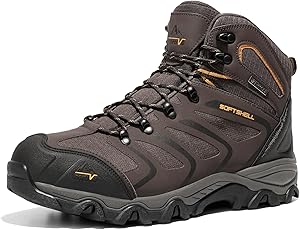
- Midsole: Lightweight and flexible EVA
- Insole: Removable shock-absorbent cushioned
- Outsole: High-quality non-slip rubber
- Style: Versatile outdoor and work design
The NORTIV 8 Waterproof Hiking Boots are engineered for those who prioritize value and versatility in their outdoor gear. These boots excel in providing all-day comfort through a combination of shock-absorbent insoles and a flexible EVA midsole. This design reduces foot fatigue significantly, making them ideal for long-distance trekking or demanding work shifts that require being on your feet for extended periods.
Safety is a priority with the high-quality rubber soles that offer advanced traction on challenging terrains like mud or wet rock. Beyond the trails, the rugged styling fits in perfectly for hunting, cycling, or even daily labor. The lightweight construction ensures high energy return with every step, allowing you to navigate various environments without feeling weighed down by your footwear.
Pros: Very affordable price point, highly flexible midsole, and suitable for multiple outdoor activities.
Cons: May lack the long-term durability of premium brands and the waterproofing is best for light moisture.
See the NORTIV 8 Hiking Boots See the Women’s NORTIV 8 Boots
3. Columbia Transverse
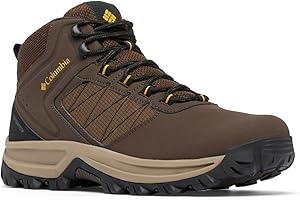
- Waterproofing: Omni-Tech seam-sealed construction
- Cushioning: Techlite lightweight midsole
- Traction: Omni-Grip non-marking rubber
- Upper: Durable leather and mesh
The Columbia Transverse is a powerhouse of proprietary technology designed to keep you moving comfortably through rain or snow. The Omni-Tech multilayered system provides a breathable waterproof barrier that is essential for high-output activities in damp conditions. Featuring a classic leather and mesh upper, these boots offer a blend of traditional durability and modern ventilation, further enhanced by a comfortable cushioned collar.
Underfoot, the Techlite midsole provides superior impact absorption and high energy return, which is vital for maintaining pace on rocky trails. The Omni-Grip outsole is specifically formulated to handle diverse environments, from loose gravel to slick dirt. Columbia’s focus on craftsmanship and quality materials ensures that these boots are built to last through multiple seasons of rigorous adventure and outdoor exploration.
Pros: Exceptional breathability for a waterproof boot, lightweight impact protection, and stylish hardware.
Cons: Narrower fit than some other brands and the lugs may wear down quickly on asphalt.
See the Columbia Transverse See the Women’s Transverse
4. Salomon X Ultra 5 Mid GORE-TEX

- Waterproofing: GORE-TEX membrane
- Outsole: All Terrain Contagrip
- Midsole: EnergyCell technology
- Weight: 1 lb. 15 oz. per pair
The Salomon X Ultra 5 Mid GORE-TEX is a masterclass in agility, offering the feel of a trail running shoe with the protection of a hiking boot. It features an updated chassis that provides even better stability while maintaining great freedom of movement. The EnergyCell midsole offers high-performance EVA foam for shock attenuation, making those steep descents much easier on your joints and muscles.
Equipped with a GORE-TEX membrane, this boot ensures your feet stay dry in the soggiest conditions without sacrificing internal breathability. The All Terrain Contagrip outsole is designed to grab onto any surface, whether wet, dry, hard, or loose. It is an ideal choice for fast-packers and hikers who want to maintain a quick tempo on technical terrain without the bulk of a traditional leather boot.
Pros: Extremely lightweight and agile, top-tier waterproof performance, and excellent stability on uneven ground.
Cons: Synthetic upper may feel less “broken-in” initially and the fit is quite snug for wide feet.
See the Salomon X Ultra 5 See the Women’s X Ultra 5
5. Altra Lone Peak Hiker 3

- Upper: Suede construction
- Midsole: Altra EGO foam
- Outsole: MaxTrac rubber
- Weight: 1 lb. 7.8 oz. per pair
The Altra Lone Peak Hiker 3 is the ultimate choice for hikers who value natural foot movement and a generous toe box. Built on Altra’s signature zero-drop platform, these boots encourage a more natural stride and better alignment. The Altra EGO foam midsole provides a responsive yet soft feel underfoot, striking a perfect balance between trail feel and protective cushioning for long miles.
The suede upper offers a refined look that transitions easily from the backcountry to the brewery, while the MaxTrac outsole provides the “sticky” grip needed for rocky ascents. At under one and a half pounds, these are some of the lightest over-the-ankle boots available today. They are perfect for those who want the ankle coverage of a boot but the weight and flexibility of a trail runner.
Pros: Very wide toe box for natural toe splay, incredibly lightweight, and excellent responsive cushioning.
Cons: Not waterproof, and the zero-drop design requires an adjustment period for those used to traditional heels.
See the Altra Lone Peak Hiker 3 See the Women’s Lone Peak Hiker 3
6. La Sportiva Nucleo High II GTX

- Waterproofing: GORE-TEX SURROUND
- Upper: Nubuck leather
- Outsole: Vibram Nano XS-Trek
- Support: 2.5 mm polypropylene stiffener
The La Sportiva Nucleo High II GTX is a premium boot designed for serious backpackers who demand technical performance. Its standout feature is the GORE-TEX SURROUND technology, which allows the boot to breathe 360 degrees—even through the bottom of the foot—while remaining completely waterproof. This makes it one of the most breathable leather boots on the market, perfect for high-altitude treks where temperatures vary.
The nubuck leather upper provides a high level of abrasion resistance against rocks and scree, while the Vibram Nano outsole ensures you never lose your footing. A polypropylene stiffener in the midsole offers the support needed when carrying heavy packs over uneven terrain. Best of all, these boots are designed to be resoled, extending their life and making them a sustainable investment for the dedicated hiker.
Pros: Industry-leading breathability, very high-quality leather, and can be resoled for long-term use.
Cons: Higher price point and can feel quite stiff until they are fully broken in.
See the La Sportiva Nucleo High II See the Women’s Nucleo High II
7. Asolo Falcon EVO GV

- Waterproofing: GORE-TEX Extended Comfort
- Upper: Suede and high-tenacity nylon
- Outsole: Vibram Megagrip
- Weight: 2 lbs. per pair
The Asolo Falcon EVO GV strikes an impressive balance between traditional Italian craftsmanship and modern technical materials. Utilizing a combination of water-resistant suede and high-tenacity nylon, the upper is both durable and surprisingly light. The GORE-TEX Extended Comfort lining ensures that moisture stays out while allowing heat to escape during warm-weather hikes, making it a versatile three-season choice.
One of the highlights of this boot is the Vibram Megagrip outsole, which is renowned for its traction on both wet and dry surfaces. The dual-density EVA midsole provides targeted cushioning, while the TPU support frame offers lateral stability without the bulk. Like other high-end European boots, these can be resoled, ensuring that you can keep your favorite pair of hikers in service for many years to come.
Pros: Exceptional grip on wet rock, sleek and lightweight design, and high-quality European construction.
Cons: The narrow Italian fit may not suit all foot shapes and the price reflects its premium status.
See the Asolo Falcon EVO GV See the Women’s Falcon EVO GV
8. KEEN Targhee IV

- Waterproofing: KEEN.DRY membrane
- Midsole: Luftcell polyurethane
- Outsole: Higher-traction TPU
- Weight: 2 lbs. 8.6 oz. per pair
The KEEN Targhee IV is built for the hiker who needs maximum protection and a spacious fit. Known for its iconic wide toe box, this boot allows your toes to spread naturally, reducing the risk of blisters on long descents. The new Luftcell polyurethane midsole provides durable cushioning that doesn’t compress over time, while the internal stability shank offers the rigidity needed for rugged trail work.
Waterproofing is handled by the proprietary KEEN.DRY membrane, which works alongside the nubuck leather upper to keep your feet dry in muddy or snowy conditions. The TPU outsole features aggressive lugs for high traction on loose soil and gravel. This boot is a heavy-duty option that prioritizes longevity and foot health, making it a reliable partner for those carrying heavy loads into the backcountry.
Pros: Famous wide toe box for comfort, very durable midsole, and excellent toe protection.
Cons: Heaviest boot on this list and the bulky design can feel less precise on technical rock.
See the KEEN Targhee IV Mid See the Women’s Targhee IV Mid
How to Choose Hiking Boots for Flat Feet
Flat feet, also known as fallen arches or pes planus, shouldn’t be a barrier to enjoying the great outdoors. However, hitting the trail with the wrong footwear can quickly lead to plantar fasciitis, bunions, and general fatigue in the ankles and knees. When your arches collapse, your feet tend to roll inward—a process called overpronation. This movement places undue stress on the entire kinetic chain of your body.
Choosing the right hiking boots for flat feet is about more than just finding a comfortable fit; it is about finding a mechanical solution to a structural challenge. This guide will walk you through the essential features, technologies, and fit strategies to ensure your next hike is pain-free.
Understanding the Mechanics of Flat Feet
Before diving into boot specs, it is helpful to understand what happens to a flat foot during a hike. In a neutral foot, the arch acts as a natural shock absorber. In a flat foot, that “spring” is missing. As the foot hits the ground, the arch flattens completely, causing the ankle to tilt inward. This misalignment travels up the leg, often resulting in shin splints or lower back pain.
To combat this, hikers with flat feet need boots that offer two primary things: stability and support. While a person with high arches might look for maximum cushioning, a person with flat feet should look for structural integrity that prevents the foot from collapsing inward.
Key Features to Look For
1. Medial Support and Stability
The most critical feature for flat feet is medial support. Many manufacturers include a “multi-density” midsole, where the foam on the inner side of the boot (the medial side) is firmer than the foam on the outside. This firmer foam acts as a “post” that resists the inward rolling of the foot. Look for boots categorized under “stability” or “motion control.”
2. Arch Shanks
A shank is a thin, stiff piece of material (nylon or steel) sandwiched between the midsole and the outsole. For flat-footed hikers, a full-length or three-quarter shank is a godsend. It provides a rigid platform that prevents the boot from twisting or folding under the weight of your pack, effectively doing the work your arch cannot do on its own.
3. Torsional Rigidity
Torsional rigidity refers to how much a boot resists twisting. You can test this by grabbing a boot at the heel and the toe and trying to wring it like a towel. If it twists easily, it likely won’t provide enough support for flat feet. A boot that remains stiff during this test will keep your foot on a level plane, reducing the strain on your tendons.
4. Deep Heel Cups
A deep, snug heel cup is essential for “locking” the foot into place. If your heel slides around, your foot is more likely to overpronate. A well-designed heel cup centers the fatty pad under your heel bone, providing natural cushioning and keeping your foot aligned with the boot’s supportive features.
The Importance of the Last
In shoemaking, the “last” is the 3D mold upon which the boot is built. Boots built on a “straight last” are generally better for flat feet. Unlike “curved lasts” found in racing flats or aggressive climbing shoes, a straight last provides more surface area and volume on the medial side, accommodating the collapsed arch without pinching or causing hot spots.
Boot Height: Mid vs. High
Mid-Cut Boots
Mid-cut boots are popular for day hikes with light loads. They offer more protection than a trail runner but maintain a degree of flexibility. For someone with mildly flat feet, a mid-cut boot with a stiff sole might be sufficient.
High-Cut Boots
If you have severely flat feet or are planning a multi-day backpacking trip, high-cut boots are recommended. The extra material wrapping around the ankle provides a secondary layer of stability, helping to keep the entire ankle-foot complex in a neutral position when the terrain becomes uneven.
The Role of Aftermarket Insoles
It is a common industry secret that the factory insoles (the removable foam liners) in most hiking boots are flimsy and offer little to no structural support. For those with flat feet, replacing these with high-quality aftermarket orthotics is often a necessity.
- Rigid Orthotics: These provide a firm “shelf” for the arch to rest on.
- Semi-Rigid Orthotics: These offer a balance of support and flexibility, often better for long-distance hiking where some foot expansion is expected.
When shopping for boots, always bring your orthotics with you. They take up volume inside the shoe, and you may need to size up or look for a boot with more “depth” to accommodate the insert without squishing the top of your foot.
How to Test the Fit
Never buy hiking boots based on the size of your dress shoes. Follow these steps to ensure a proper fit for flat feet:
- Shop in the afternoon: Your feet naturally swell throughout the day. By shopping later, you are fitting your feet at their largest.
- Wear hiking socks: The thickness of your socks significantly changes how a boot feels.
- The Finger Test: With your toes pushed all the way to the front, you should be able to slide one finger behind your heel.
- The Incline Ramp: Most outdoor retailers have a small wooden ramp. Walk up and down it. Your toes should not hit the front of the boot on the way down, and your heel should not lift more than a quarter-inch on the way up.
Material Matters: Leather vs. Synthetic
Full-Grain Leather
Leather is naturally stiffer and more supportive. While it takes longer to break in, a leather boot will eventually mold to the shape of your foot while maintaining excellent torsional rigidity. For flat feet, the structural “memory” of leather is a huge plus.
Synthetic and Mesh
Synthetic boots are lighter and breathe better, but they tend to be softer. If you choose a synthetic boot, ensure it has a robust TPU (thermoplastic polyurethane) frame or “exoskeleton” to provide the support that the fabric lacks.
Common Mistakes to Avoid
Buying for Cushioning Alone
It is tempting to choose the softest, “pillowy” boot available. However, for flat feet, too much cushioning without support is like walking on a marshmallow—it provides no stability and can actually increase the rate of overpronation and fatigue.
Ignoring the Break-in Period
Supportive boots are naturally stiffer. Don’t take them out for a 10-mile hike immediately. Wear them around the house, then on short walks, to allow the materials to soften slightly while your feet adjust to the new support structure.
Conclusion
Finding the best hiking boots for flat feet requires a shift in perspective: you are looking for a piece of equipment that provides the structure your body lacks. Focus on torsional rigidity, medial support, and a straight last. When you combine a well-built boot with a supportive aftermarket insole, you create a foundation that allows you to hike further, climb higher, and return home without the debilitating foot pain that often plagues flat-footed adventurers.
The right boot is out there; it just takes a bit of technical knowledge and patience to find the one that fits your unique footprint.
Would you like me to recommend specific boot models known for their stability, or perhaps provide a guide on how to perform a home “wet test” to determine exactly how flat your arches are?
“`