
Best Hiking Boots For High Arches 2026
Arch support comes from the insoles, not the boot itself. Most padded hiking boots provide built-in great arch support and if the padding works for you, you do not need to do anything else. The only thing you can do is to find a pair of boots that you love and fit you perfectly. You can then augment them with a super-supportive after-market insole designed for high arches. Since most hiking boots come with a flimsy footbed, they are not suitable for people with high arches. These after-market insoles not only provide arch support but also enhance the overall comfort of the boots. Two of my favorites for high arches are Sole’s Active Insoles and Superfeet Premium Green. They both provide excellent arch support for high arches.
Below we’ve reviewed some of the best hiking boots for men and women. You can use any of them with an after-market insole if you have a high arch.
1. Salomon X Ultra 5 Mid

- Waterproofing: GORE-TEX
- Midsole: EnergyCell
- Outsole: All Terrain Contagrip
- Weight (Pair): 1 lb. 15 oz.
The Salomon X Ultra 5 Mid continues the legacy of being one of the most agile hiking boots on the market. It feels more like a trail runner than a traditional boot, offering incredible speed and flexibility for fast-packers. The EnergyCell midsole provides a responsive ride that absorbs shock without feeling mushy on rocky descents.
Stability is a standout feature thanks to the updated chassis that wraps the foot securely. The GORE-TEX membrane ensures your feet stay dry during stream crossings, while the Contagrip outsole bites into everything from loose dirt to wet slabs. It is an ideal choice for hikers who want protection without the bulk of a heavy leather boot.
Pros: Lightweight, excellent traction, short break-in period.
Cons: Narrow fit for some, less ankle support than heavy-duty boots.
See the Salomon X Ultra 5 See the Women’s X Ultra 5
2. NORTIV 8 Hiking Boots
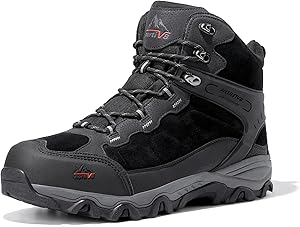
- Outer Material: Suede Leather
- Midsole: Shock-absorbent MD
- Outsole: Multi-directional traction (MDT)
- Shaft Height: Ankle
NORTIV 8 offers a budget-friendly powerhouse designed for versatility across various outdoor activities. The suede leather upper provides a surprising level of durability for the price point, and the rubber toe cap is a welcome addition for protecting against accidental stubs on technical trails. It is a reliable entry-level option for casual hikers.
The interior features a removable insole and a MD midsole that focuses on softer landings. While it excels in comfort for day trips, the multi-directional traction lugs ensure you maintain grip on slippery surfaces. Whether you are camping, fishing, or trekking, these boots provide a stable platform and consistent performance for the price-conscious adventurer.
Pros: Very affordable, comfortable out of the box, versatile.
Cons: Breathability is average, suede requires more maintenance.
See the NORTIV 8 Hiking Boots See the Women’s NORTIV 8 Boots
3. Merrell Moab 3 Mid

- Waterproofing: Merrell DRY membrane
- Outsole: Vibram TC5+
- Support: Molded nylon arch shank
- Weight (Pair): 2 lbs. 2.9 oz.
The Merrell Moab 3 Mid remains the “Mother of All Boots” for a reason. This latest iteration improves on the cushioning with the Super Rebound Compound, making long miles on hard-packed trails feel significantly easier on the joints. The pig suede and mesh upper offer a classic look with a proven track record for longevity.
Performance-wise, the Vibram TC5+ outsole provides confidence-inspiring grip on both wet and dry terrain. The internal nylon shank adds just enough stiffness to prevent foot fatigue without making the boot feel rigid. It is a dependable, high-volume boot that fits a wide variety of foot shapes, making it a staple for many hikers.
Pros: Extremely comfortable, durable Vibram sole, great for wide feet.
Cons: Slightly heavy, mesh can trap fine dust over time.
See the Merrell Moab 3 Mid See the Women’s Moab 3 Mid
4. KEEN Targhee IV

- Upper Material: Nubuck leather
- Midsole: Luftcell polyurethane
- Outsole: Higher-traction TPU
- Weight (Pair): 2 lbs. 8.6 oz.
The KEEN Targhee IV is built for the long haul, featuring a rugged nubuck leather construction that stands up to abrasive brush and rocks. KEEN’s signature wide toe box remains a highlight, allowing for natural toe splay which is vital for comfort during long-distance backpacking trips. The stability shank provides a solid foundation under heavy loads.
Equipped with a Luftcell midsole, the boot offers persistent cushioning that doesn’t compress over time. The TPU outsole is specifically designed for high traction, ensuring you stay upright on muddy inclines. This is a workhorse boot for hikers who prioritize durability and internal room over weight savings, making it a reliable companion for difficult trails.
Pros: Roomy toe box, very durable leather, excellent stability.
Cons: Heavier than competitors, long drying time if soaked.
See the KEEN Targhee IV Mid See the Women’s Targhee IV Mid
5. Columbia Transverse
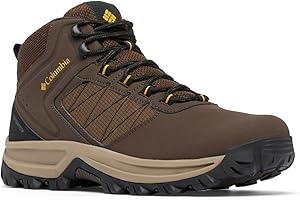
- Waterproofing: Omni-Tech seam-sealed
- Midsole: Techlite energy return
- Outsole: Omni-Grip non-marking
- Upper: Leather and mesh
The Columbia Transverse is a versatile hiker that blends urban style with trail-ready tech. The Omni-Tech waterproof construction is highly effective at keeping moisture out while remaining breathable during high-output activities. The Techlite midsole is the star here, providing a “bouncy” feel that keeps your legs fresh throughout the day.
Out on the trail, the Omni-Grip outsole utilizes a dual-zone tread pattern that handles rock and dirt with ease. The addition of metal hardware for the laces ensures a secure lock-down, while the cushioned collar prevents irritation around the ankle. It is an excellent choice for those who need a boot that can transition from a morning hike to a casual afternoon.
Pros: High energy return, waterproof yet breathable, stylish design.
Cons: Laces can feel thin, limited ankle stiffness for technical terrain.
See the Columbia Transverse See the Women’s Transverse
6. Columbia Newton Ridge Plus II

- Upper: Full-grain leather and mesh
- Midsole: Lightweight Techlite
- Outsole: Omni-Grip traction rubber
- Closure: Lace-up with metal hardware
Columbia’s Newton Ridge Plus II is a classic leather boot that offers immediate comfort. The combination of full-grain leather and a mesh bootie construction provides a great balance between rugged protection and internal airflow. It feels remarkably light on the foot, making it less fatiguing for beginners or those tackling moderate terrain.
The Omni-Grip system is particularly impressive on winter trails, as the tread pattern is designed to bite into ice and snow. The Techlite midsole provides consistent cushioning that holds up well over time. With its classic mountaineering aesthetic and reliable waterproof performance, it remains one of the most popular choices for hikers looking for value and style.
Pros: Classic leather look, very lightweight, excellent winter grip.
Cons: Requires break-in for the leather, midsole is quite soft.
See the Columbia Newton Ridge Plus II See the Women’s Newton Ridge Plus
7. La Sportiva Ultra Raptor 3

- Waterproofing: ePE GORE-TEX Extended Comfort
- Upper: High-tenacity ripstop mesh
- Outsole: FriXion XF 2.0
- Weight (Pair): 1 lb. 14.2 oz.
The La Sportiva Ultra Raptor 3 is a technical masterpiece designed for those who move fast in the mountains. This vegan-friendly boot uses a high-tenacity ripstop mesh that is incredibly durable despite its light weight. The TPU transkinetic heel stabilizer offers excellent lateral support, preventing ankle rolls on uneven, rocky surfaces.
Underfoot, the FriXion XF 2.0 rubber compound is legendary for its “sticky” quality, providing confidence on steep alpine scrambles. The GORE-TEX lining used here is the newer ePE version, which is more environmentally friendly while maintaining top-tier waterproof performance. This is the ultimate choice for hikers who demand precision and technical capability in a lightweight package.
Pros: Exceptional grip, vegan-friendly, very lightweight.
Cons: Technical fit (runs small/narrow), expensive.
See the La Sportiva Ultra Raptor 3 See the Women’s Ultra Raptor 3
8. Salomon Quest 5

- Waterproofing: GORE-TEX
- Support: 4D Advanced Chassis
- Outsole: All Terrain Contagrip
- Weight (Pair): 2 lbs. 9.3 oz.
The Salomon Quest 5 is built for heavy backpacking and the most demanding terrain. It features the 4D Advanced Chassis, which guides the foot even on the most uneven ground, reducing fatigue during long days with a heavy pack. The combination of nubuck leather and ripstop fabric creates an upper that is both protective and flexible.
Inside, the EnergyCell midsole offers high-rebound cushioning that remains consistent even under significant weight. The Contagrip outsole is deep and aggressive, ensuring you have traction in deep mud or loose scree. While it is one of the heavier boots in this lineup, the level of support and protection it offers is nearly unmatched for multi-day expeditions.
Pros: Unbeatable ankle support, extremely rugged, great for heavy packs.
Cons: Quite heavy, overkill for easy trails.
See the Salomon Quest 5 See the Women’s Quest 4
9. Asolo Fugitive GTX

- Waterproofing: GORE-TEX liner
- Upper: Split-grain leather and nylon
- Special Feature: Can be resoled
- Weight (Pair): 3 lbs. 1 oz.
Asolo’s Fugitive GTX is a classic Italian-designed boot that prioritizes stiffness and longevity. The split-grain leather upper is paired with high-tenacity nylon to offer a mix of abrasion resistance and breathability. It is a stiff boot, which is ideal for hikers who spend a lot of time on rocky, technical terrain where underfoot protection is paramount.
One of the best features of the Fugitive is that it can be resoled, meaning this boot can last you a decade or more with proper care. The polyurethane midsole is much firmer than EVA, providing a stable platform for heavy loads. It is a serious mountain boot for those who value traditional craftsmanship and long-term durability over a soft, sneaker-like feel.
Pros: Incredibly durable, resoleable, excellent rock protection.
Cons: Long break-in period, heaviest in the group.
See the Asolo Fugitive GTX See the Women’s Acadia GTX
10. Altra Lone Peak Hiker 3

- Midsole: Altra EGO foam
- Outsole: MaxTrac rubber
- Upper: Suede
- Weight (Pair): 1 lb. 7.8 oz.
The Altra Lone Peak Hiker 3 is the lightest boot on this list and is designed for the “natural” hiker. Featuring Altra’s signature Zero Drop platform and FootShape toe box, it allows your foot to sit in its natural position. The Altra EGO foam midsole provides a soft, responsive feel that offers great ground feedback without sacrificing comfort.
While it lacks a waterproof membrane, the suede upper is surprisingly durable and allows for maximum breathability, making it the best choice for hot, dry climates. The MaxTrac outsole provides plenty of grip for trail hiking. This boot is perfect for those who love the feel of the Lone Peak trail runner but want a bit more ankle coverage and debris protection.
Pros: Lightest weight, natural foot positioning, very breathable.
Cons: Not waterproof, Zero Drop requires an adjustment period.
See the Altra Lone Peak Hiker 3 See the Women’s Lone Peak Hiker 3
11. La Sportiva Nucleo High II GTX

- Waterproofing: GORE-TEX SURROUND
- Outsole: Vibram Nano XS-Trek
- Support: 2.5 mm polypropylene stiffener
- Upper: Nubuck leather
The Nucleo High II GTX is unique because of its GORE-TEX SURROUND technology, which allows the boot to breathe through the sole as well as the upper. This makes it one of the most breathable waterproof boots available. The nubuck leather upper provides a premium feel and high durability, while the high-cut ankle offers excellent support for technical trails.
Underfoot, the Vibram Nano outsole provides exceptional grip on all surfaces. The internal polypropylene stiffener ensures that the boot doesn’t flex too much over jagged rocks, protecting your arches from fatigue. For hikers who want a high-end, waterproof leather boot that won’t make their feet overheat, this is the premier option on the market today.
Pros: Best-in-class breathability, resoleable, premium leather.
Cons: Narrow Italian fit, relatively expensive.
See the La Sportiva Nucleo High II See the Women’s Nucleo High II
12. Asolo Falcon EVO GV

- Waterproofing: GORE-TEX Extended Comfort
- Outsole: Vibram Megagrip
- Midsole: Dual-density molded EVA
- Weight (Pair): 2 lbs.
The Asolo Falcon EVO GV hits the sweet spot between a lightweight hiker and a technical trekking boot. The use of Vibram Megagrip is a huge plus, as it is widely considered the gold standard for traction on wet, slippery rocks. The water-resistant suede and nylon upper provide a sleek, modern look that is tough enough for the backcountry.
Despite its technical specs, the Falcon remains relatively light at exactly 2 pounds per pair. The dual-density EVA midsole provides targeted cushioning, while the AsoFlex support system ensures the boot doesn’t twist on uneven ground. It is an excellent choice for hikers who want Italian quality and high-performance traction in a package that won’t weigh them down during long ascents.
Pros: Exceptional Megagrip traction, resoleable, modern design.
Cons: Firmer feel than American brands, narrow heel pocket.
See the Asolo Falcon EVO GV See the Women’s Falcon EVO GV
How to Choose Hiking Boots?
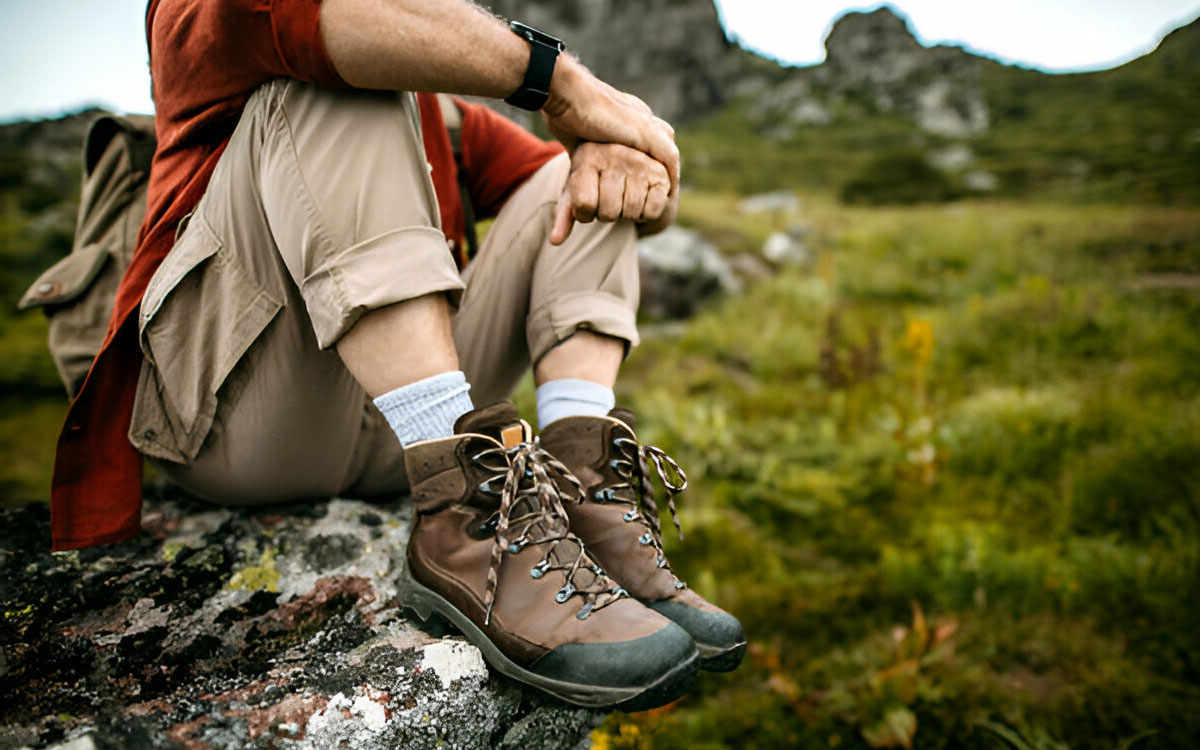
With so many options available, choosing the perfect pair can feel overwhelming. Don’t worry, the below section will guide you through everything you need to consider to find boots that fit you like a glove.
Know Your Terrain
First things first, consider where you’ll be hiking most often. Easy, well-maintained trails call for different footwear than rugged, off-trail adventures.
- Day Hiking: For well-maintained trails and day hikes, lightweight hiking shoes or low-cut boots offer good ankle mobility and breathability.
- Backpacking: Backpacking trips with heavier loads require more ankle support and durability. Look for mid-cut or high-cut boots with good cushioning.
- Technical Terrain: For rough, uneven trails with loose rocks or scree, prioritize ankle support and a sturdy sole with good traction.
Consider Your Needs
Think about your hiking style and any specific needs you have.
- Experience Level: Beginners might benefit from more ankle support offered by mid-cut boots. Experienced hikers can explore lighter, more flexible options.
- Weight: Lighter boots are great for agility, but heavier boots provide more support for carrying heavy backpacks.
- Foot Type: Do you have wide feet or narrow feet? High arches or flat feet? Choose boots designed for your foot type to ensure a comfortable fit.
Boot Anatomy
Now, let’s delve into the different parts of a hiking boot and how they affect your experience.
- Uppers: The upper part of the boot is typically made of leather or synthetic materials. Leather offers durability and water resistance, but requires breaking in. Synthetics are lighter and often more breathable.
- Midsole: The midsole provides cushioning and shock absorption. Look for materials like EVA foam for comfort on long hikes.
- Outsole: The outsole is the bottom of the boot that makes contact with the ground. Choose a sole with good traction for the types of terrain you’ll be hiking on. Aggressive lugs provide grip on loose surfaces, while smoother soles work well on hard-packed trails.
- Shank: The shank is a piece of material between the midsole and outsole that provides rigidity and stability. A stiffer shank gives more support for carrying heavy loads, while a flexible shank allows for better foot articulation.
Fit for Comfort
A good fit is paramount for preventing blisters and ensuring a comfortable hike. Here’s how to find the perfect fit:
- Try them on at the end of the day: Feet tend to swell during the day, so this ensures a good fit even after miles on the trail.
- Wear the socks you’ll hike in: Hiking socks are thicker than everyday socks, so factor that in when trying on boots.
- Snug but not tight: Your toes should be able to wiggle slightly, but your heel shouldn’t slip when you walk.
- Walk around the store: Pay attention to any pressure points or areas that rub. Don’t expect them to magically stretch – a good fit is crucial from the start.
Breaking Them In
New boots often need some breaking in before you hit the trail on a long hike. Start with short walks on flat terrain and gradually increase the distance and difficulty as the boots conform to your feet.
Caring for Your Boots
With proper care, your hiking boots can last for years. Here are some tips:
- Clean them after each hike: Remove dirt and debris with a brush or damp cloth.
- Treat leather boots with a waterproofing agent: This helps maintain water resistance and extend the life of the leather.
- Store them in a cool, dry place: Don’t leave them in direct sunlight or near heat sources, which can damage the materials.
Conclusion
Choosing hiking boots for your adventure can be a difficult task especially if you have high arches. Also, boots are critical to your comfort on the trail. So, it is important to do some research to find the right boots that fit perfectly. All you need to find lightweight boots with decent support and waterproofness ability. Our picks above are categorized into three categories: lightweight, midweight, and heavyweight. Lightweight boots are great for day hiking and fastpacking, midweight for most backpacking trips, and heavyweights for rough terrain or hauling a large load.