Best Hiking Boots for Rocky Terrain of 2026
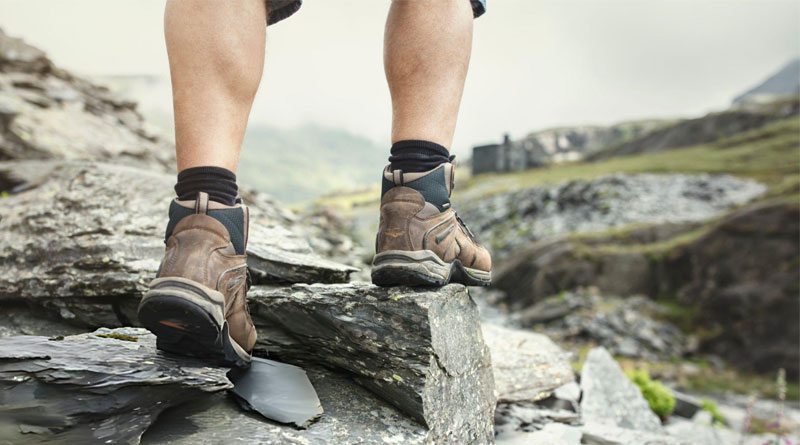
Tackling rocky trails requires footwear that can handle the challenge. Regular shoes just won’t cut it when you’re walking on sharp stones and uneven ground. The best hiking boots for rocky terrain offer extra protection, sturdy support, and rugged grip to keep you stable. Whether you’re scrambling up a boulder field or hiking a rugged path, we’ve found the boots built to take the beating and keep your feet safe.
1. Merrell Moab 3 Mid Waterproof

- Waterproofing: Merrell DRY waterproof membrane
- Outsole: Vibram TC5+ rubber
- Midsole: Super Rebound Compound
- Weight: 2 lbs. 2.9 oz. (pair)
The Merrell Moab 3 Mid Waterproof is built for hikers who want dependable comfort straight out of the box. The pig suede leather and mesh upper balances durability and breathability, while the Merrell DRY membrane keeps moisture out on wet trails. The over-the-ankle height adds stability without feeling overly stiff.
Underfoot, the Super Rebound Compound midsole absorbs shock effectively, making long miles easier on joints. The Vibram TC5+ outsole grips well on rocky and muddy terrain. With its supportive nylon arch shank and well-cushioned interior, this boot remains a solid choice for day hikes and light backpacking trips.
- Pros: Excellent traction, comfortable fit, reliable waterproofing, durable build.
- Cons: Slightly heavier than some competitors, moderate breathability in hot weather.
See the Merrell Moab 3 Mid See the Women’s Moab 3 Mid
2. NORTIV 8 Waterproof Hiking Boots
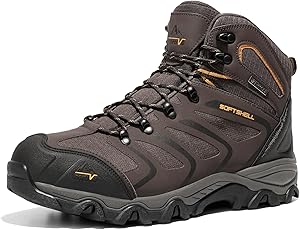
- Midsole: Lightweight EVA
- Outsole: Slip-resistant rubber
- Insole: Removable cushioned insert
- Use: Hiking, camping, work, trekking
The NORTIV 8 Waterproof Hiking Boots are designed for hikers who want affordable comfort without sacrificing performance. The cushioned, shock-absorbent insole provides solid support for long days on the trail. Combined with a lightweight EVA midsole, the boot helps reduce foot fatigue during extended walks and outdoor activities.
The rubber outsole offers dependable grip on wet and muddy terrain, helping prevent slips on uneven ground. While not as technical as premium brands, these boots perform well for casual hikes, work use, and light trekking. Their versatile outdoor styling makes them suitable for everything from camping trips to everyday wear.
- Pros: Budget-friendly, comfortable cushioning, good traction, versatile use.
- Cons: Heavier than trail shoes, waterproofing less advanced than premium membranes.
See the NORTIV 8 Hiking Boots See the Women’s NORTIV 8 Boots
3. Columbia Transverse
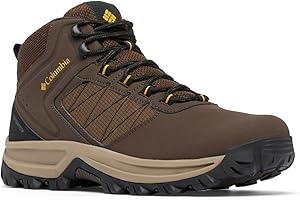
- Waterproofing: OMNI-TECH seam-sealed construction
- Midsole: TECHLITE cushioning
- Outsole: OMNI-GRIP traction rubber
- Upper: Leather and mesh
The Columbia Transverse is built for hikers facing wet and mixed terrain conditions. The OMNI-TECH waterproof construction keeps feet dry during moderate rain and snow while maintaining breathability. Its leather and mesh upper offers durability without feeling overly bulky.
Underfoot, the TECHLITE midsole delivers lightweight cushioning with strong energy return, making longer hikes more comfortable. The OMNI-GRIP outsole provides reliable traction on rock, dirt, and gravel in both wet and dry conditions. Overall, it is a dependable mid-height hiking boot suitable for multi-season adventures.
- Pros: Reliable waterproofing, lightweight cushioning, solid traction, durable build.
- Cons: Moderate ankle support, may run slightly narrow for some users.
See the Columbia Transverse See the Women’s Transverse
4. Salomon X Ultra 5 Mid GORE-TEX

- Waterproofing: GORE-TEX membrane
- Midsole: EnergyCell
- Outsole: All Terrain Contagrip rubber
- Weight: 1 lb. 15 oz. (pair)
The Salomon X Ultra 5 Mid GORE-TEX blends trail-running agility with hiking boot protection. Its lightweight build and EnergyCell midsole provide responsive cushioning, helping reduce fatigue on long treks. The GORE-TEX membrane ensures reliable waterproof protection in wet conditions.
The All Terrain Contagrip outsole grips confidently across varied terrain, from rocky paths to muddy trails. With a supportive over-the-ankle design and secure lace-up system, this boot feels stable yet flexible. It is an excellent choice for fast hikers and lightweight backpackers.
- Pros: Lightweight, excellent traction, dependable waterproofing, athletic feel.
- Cons: Less rigid for heavy loads, premium price point.
See the Salomon X Ultra 5 See the Women’s X Ultra 5
5. Altra Lone Peak Hiker 3

- Midsole: Altra EGO foam
- Outsole: MaxTrac rubber
- Upper: Suede
- Weight: 1 lb. 7.8 oz. (pair)
The Altra Lone Peak Hiker 3 offers a lightweight alternative to traditional hiking boots. Built with Altra’s signature EGO foam midsole, it delivers soft cushioning and responsive comfort. The suede upper provides durability while maintaining flexibility for natural foot movement.
The MaxTrac outsole offers dependable grip on loose and rocky terrain. With its lightweight build and roomy toe box design, this boot works well for hikers who prefer a more natural stride. It is particularly appealing for those transitioning from trail runners to mid-height boots.
- Pros: Very lightweight, comfortable cushioning, flexible feel, good traction.
- Cons: Less traditional support, minimal stiffness for heavy loads.
See the Altra Lone Peak Hiker 3 See the Women’s Lone Peak Hiker 3
6. La Sportiva Nucleo High II GTX

- Waterproofing: ePE GORE-TEX SURROUND
- Outsole: Vibram Nano XS-Trek
- Midsole: Compression-molded EVA
- Weight: 2 lbs. 1.6 oz. (pair)
The La Sportiva Nucleo High II GTX is engineered for serious hikers seeking durability and protection. Its nubuck leather upper offers rugged performance, while the ePE GORE-TEX SURROUND membrane enhances breathability and waterproofing. The compression-molded EVA midsole provides balanced cushioning.
The Vibram Nano XS-Trek outsole delivers exceptional grip on mixed terrain. With a supportive polypropylene stiffener and resolable construction, this boot is designed for longevity. It performs especially well on demanding trails and extended backpacking trips.
- Pros: Excellent traction, premium waterproofing, durable leather build, resolable.
- Cons: Higher price, requires break-in period.
See the La Sportiva Nucleo High II See the Women’s Nucleo High II
7. Asolo Falcon EVO GV

- Waterproofing: GORE-TEX Extended Comfort
- Outsole: Vibram Megagrip
- Midsole: Dual-density EVA
- Weight: 2 lbs. (pair)
The Asolo Falcon EVO GV combines lightweight construction with technical performance. The water-resistant suede and nylon upper pairs with a GORE-TEX Extended Comfort lining for dependable waterproofing. Its dual-density EVA midsole balances cushioning and stability.
The Vibram Megagrip outsole provides impressive traction on wet rock and uneven terrain. With AsoFlex support and resolable construction, this boot offers durability and long-term value. It suits hikers looking for performance and support without excessive weight.
- Pros: Strong traction, supportive design, waterproof, resolable.
- Cons: Premium cost, moderate break-in time.
See the Asolo Falcon EVO GV See the Women’s Falcon EVO GV
8. KEEN Targhee IV Mid Waterproof

- Waterproofing: KEEN.DRY membrane
- Midsole: Luftcell polyurethane
- Outsole: Higher-traction TPU
- Weight: 2 lbs. 8.6 oz. (pair)
The KEEN Targhee IV Mid Waterproof continues the brand’s reputation for comfort and durability. The nubuck leather upper is tough enough for rough trails, while the KEEN.DRY membrane keeps feet dry in wet conditions. Its roomy fit appeals to hikers who prefer extra toe space.
The Luftcell polyurethane midsole delivers supportive cushioning, and the stability shank enhances structure on uneven terrain. The high-traction TPU outsole grips confidently across dirt and rock. It is a reliable choice for day hikes and moderate backpacking adventures.
- Pros: Comfortable fit, durable leather, reliable waterproofing, stable design.
- Cons: Heavier build, less breathable in hot weather.
See the KEEN Targhee IV Mid See the Women’s Targhee IV Mid
How to Choose Hiking Boots for Rocky Terrain
Rocky terrain is the ultimate litmus test for outdoor footwear. Unlike the soft, forgiving needles of a forest floor, a rocky trail demands a boot that offers high-level protection, unwavering stability, and aggressive grip. Whether you are scrambling over granite slabs in the Sierras, navigating the limestone scree of the Rockies, or trekking through jagged volcanic rock, your boots are the only thing standing between a successful summit and a painful trek back with a twisted ankle.
Choosing the right pair involves balancing several technical factors. In this guide, we will break down the anatomy of a mountain boot to help you find the perfect fit for your next rugged adventure.
1. Understanding Outsole Rubber and Lug Patterns
When the ground underfoot is hard and uneven, your traction is your lifeline. On rocky terrain, you aren’t just walking; you are often smearing (pressing rubber against flat rock) or edging (using the side of the boot on narrow ledges).
Rubber Compounds
Not all rubber is created equal. Most high-end hiking boots use Vibram or proprietary sticky rubber compounds. For rocky surfaces, you want a “sticky” rubber that can adhere to slick surfaces. However, be aware of the trade-off: softer, stickier rubber provides better grip but wears down faster on abrasive granite. Harder rubber lasts longer but can feel like skates on wet rock.
Lug Depth and Spacing
Lugs are the “teeth” on the bottom of your boot. For rocky terrain, look for deep, multidirectional lugs. More importantly, look for a braking zone in the heel—distinct horizontal ridges that prevent you from sliding during steep, rocky descents. A “climbing zone” near the toe (a flat patch of rubber) is also beneficial if your hike involves light scrambling.
2. The Importance of Midsole Stiffness
On a paved path, a flexible shoe feels great. On a rocky trail, a flexible shoe is a liability. If your boot bends too easily, your foot has to work twice as hard to wrap around every jagged stone, leading to “foot fatigue.”
Shanks and Plates
To combat the sharp edges of rocks, many boots incorporate shanks—thin inserts made of nylon or steel tucked between the midsole and outsole. A full-length shank provides a stiff platform that allows you to stand on a sharp rock edge without the boot collapsing. Rock plates are another feature to look for; these are hard plastic layers that shield your feet from “stone bruises” caused by stepping on pointed rocks.
EVA vs. PU Midsoles
Midsoles provide the cushioning. EVA (Ethylene Vinyl Acetate) is lighter and softer, providing a “sneaker-like” feel, but it can compress over time. PU (Polyurethane) is denser, heavier, and far more durable. For multi-day trips on rocky terrain with a heavy pack, PU is the superior choice as it maintains its structural integrity under pressure.
3. Support and Ankle Protection
Rocky trails are rarely level. Every step involves a slight lateral tilt, which puts immense strain on your ankles. A high-cut boot is generally recommended for this type of environment.
Upper Height
While “fast and light” hikers often prefer low-cut shoes, rocky terrain usually dictates a mid-cut or high-cut boot. This provides mechanical leverage to prevent your ankle from rolling when you step on a loose “scree” stone. Furthermore, higher collars protect your ankle bones from being scraped by boulders.
Heel Counters
A stiff heel counter—the plastic reinforcement inside the back of the boot—is vital. It locks your heel in place, preventing “heel lift.” If your heel slides around while you are climbing a rocky pitch, you are guaranteed to develop blisters.
4. Durability: Material Matters
Rocks are abrasive. They will shredded lightweight mesh in a single weekend. When choosing a boot for the high alpine, prioritize durability.
Full-Grain Leather
This is the gold standard for rocky terrain. It is incredibly abrasion-resistant and naturally water-repellent. While it requires a “break-in” period and is heavier, it can survive years of scraping against sharp rocks that would tear synthetic fabrics apart.
The Rubber Rand
One of the most important features for rocky hiking is the rubber rand. This is the “bumper” that wraps around the exterior of the boot where the upper meets the sole. A 360-degree rubber rand protects the leather from being sliced by sharp stones and adds an extra layer of waterproofing when stepping through shallow puddles.
5. Breathability and Waterproofing
Rocky terrain often goes hand-in-hand with unpredictable mountain weather. You may encounter snowmelt, stream crossings, or sudden afternoon thunderstorms.
Gore-Tex (GTX) Membranes
Most rugged hiking boots feature a waterproof/breathable liner like Gore-Tex. This keeps your feet dry from the outside. However, remember that on hot summer days, these membranes can trap sweat. If you primarily hike in dry, desert-rock environments (like Moab or Joshua Tree), you might opt for a non-waterproof leather boot for maximum breathability.
6. Finding the Perfect Fit
Even the most expensive boot will fail you if the fit is wrong. When trying on boots for rocky terrain, follow these rules:
- Shop in the afternoon: Your feet swell throughout the day. You want to fit the “swollen” version of your foot.
- Bring your socks: Always wear the specific wool or synthetic trekking socks you plan to use on the trail.
- The Finger Test: With your toes pushed to the front of the unlaced boot, you should be able to slide one finger behind your heel.
- The Incline Ramp: Most outdoor retailers have a small ramp. Walk down it. If your toes hit the front of the boot, you need to change your lacing or go up half a size. On rocky descents, “toe bang” can lead to lost toenails.
7. Summary Checklist
| Feature | What to Look For |
|---|---|
| Outsole | Vibram or sticky rubber with deep, wide-spaced lugs. |
| Midsole | Stiff PU (Polyurethane) with a nylon or steel shank. |
| Upper | Full-grain leather or high-denier synthetic with a rubber rand. |
| Height | Mid to high-cut for lateral ankle stability. |
Investing in the right pair of hiking boots is an investment in your safety and enjoyment of the mountains. By prioritizing stiffness, traction, and durability, you ensure that your footwear is an asset rather than a liability when the trail gets tough. Take the time to break them in slowly before your big trip, and your feet will thank you at the summit.