Best Hydration Packs for Day Hiking of 2026
Heading out for a day hike? Staying hydrated is key to enjoying your adventure. A good hydration pack makes it easy to sip water on the go, leaving your hands free. This article will help you find the perfect pack. We look at comfortable, durable options that hold just enough water and gear for your daily trails. Find a reliable companion to keep you refreshed from start to finish.
1. REI Co-op Trailmade 10

- Gear Capacity: 10 liters
- Liquid Capacity: 1.5 liters
- Weight: 9 ounces
- Material: 300-denier recycled polyester
The REI Co-op Trailmade 10 is an excellent entry-level hydration pack designed for those who prefer a minimalist approach to hiking. Its frameless construction makes it incredibly lightweight, weighing in at just 9 ounces, which ensures that it won’t weigh you down during quick excursions. The pack comes with a 1.5-liter reservoir, making it ready for use right out of the box for short to medium-length trails.
While it lacks the heavy-duty suspension of larger packs, the panel access and additional exterior pocket provide just enough organization for essentials like a light jacket or snacks. The use of bluesign-approved recycled materials highlights a commitment to sustainability without sacrificing durability. It is a straightforward, reliable choice for hikers who value simplicity and a low-profile fit during their outdoor adventures.
Pros: Ultra-lightweight, sustainable materials, affordable.
Cons: Small water capacity, no internal frame.
See the REI Co-op Trailmade 10
2. N NEVO RHINO Hydration Backpack
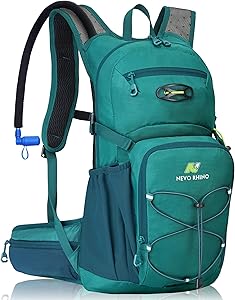
- Gear Capacity: 18 liters
- Liquid Capacity: 3 liters
- Material: 100% Nylon
- Insulation: Up to 5 hours
The N NEVO RHINO is a versatile hydration backpack that stands out for its impressive storage capacity and thermal insulation features. With an 18-liter gear volume combined with a large 3-liter water bladder, it is built for full-day adventures where staying hydrated is a priority. The insulated compartment is a significant highlight, keeping your water cool for several hours even in warmer conditions.
Comfort is addressed through the use of breathable mesh cushioning on the shoulder straps and back panel, which helps manage perspiration. The pack also offers multiple storage options, including waist pouches for easy access to valuables and mesh side pockets for extra items. It is a feature-rich option for hikers and cyclists who need a bit more room for gear and long-lasting cold water.
Pros: Large 3L bladder, insulated compartment, great storage.
Cons: Heavier than minimalist packs, zippers can be stiff.
See the N NEVO RHINO Hydration Backpack
3. Gregory Nano 18 H2O

- Gear Capacity: 18 liters
- Liquid Capacity: 3 liters
- Weight: 1 lb. 2.9 oz.
- Material: 210D High-density nylon
The Gregory Nano 18 H2O offers a perfect balance between a lightweight daypack and a high-capacity hydration system. Featuring a 3-liter 3D Hydro reservoir, it provides ample water for longer treks without feeling bulky. The frameless design and perforated foam suspension allow for a comfortable fit that moves with your body, making it ideal for fast-paced hiking or casual trail use.
This pack is well-organized with three exterior pockets and a dedicated hydration sleeve. The top-loading access is convenient for stuffing in larger items like a rain shell or lunch. Gregory’s attention to detail is evident in the inclusion of a bite valve shut-off switch to prevent leaks. It is a robust and highly functional pack for anyone needing a reliable day-to-day outdoor companion.
Pros: Large water reservoir, comfortable foam back, durable.
Cons: No raincover, top-load only access.
See the Gregory Nano 18 See the Gregory Nano 22
4. Osprey Skimmer 16 – Women’s

- Gear Capacity: 16 liters
- Liquid Capacity: 2.5 liters
- Frame: Internal Frame
- Weight: 1 lb. 0.8 oz.
Specifically designed for the female anatomy, the Osprey Skimmer 16 provides a tailored fit that enhances comfort on the trail. Unlike many smaller packs, it features an internal frame made of Atilon framesheet and EVA foam, which helps distribute the weight of the 2.5-liter reservoir effectively across your back. This makes it feel much lighter than its actual weight during strenuous ascents.
The pack’s aesthetic is clean and functional, utilizing high-tenacity recycled nylon that is both eco-friendly and tough. With a top-access design and essential exterior pockets, it manages gear efficiently for a full day of exploration. The inclusion of a magnetic bite valve attachment is a classic Osprey touch that ensures your hydration hose is always within easy reach without dangling.
Pros: Gender-specific fit, internal frame support, magnetic valve.
Cons: No hipbelt pockets, limited exterior storage.
See the Skimmer 16 See the Skimmer 20 See the Skimmer 28
5. Osprey Skarab 30

- Gear Capacity: 30 liters
- Liquid Capacity: 2.5 liters
- Weight: 1 lb. 10.2 oz.
- Frame: Internal Frame
The Osprey Skarab 30 is a high-volume hydration pack designed for adventurers who need to carry more than just the basics. With a 30-liter capacity, it bridges the gap between a daypack and a light overnight pack. It features a robust internal frame and a padded hipbelt with pockets, which provides the necessary support when the bag is fully loaded with extra layers and gear.
Despite its large gear capacity, it remains relatively light and includes a 2.5-liter reservoir. The top-loading design allows for quick packing, while the various exterior pockets help keep smaller items organized. This pack is particularly suited for long day hikes in variable weather where you might need to carry significant extra clothing or specialized equipment without sacrificing hydration convenience.
Pros: Massive storage space, padded hipbelt pockets, stable frame.
Cons: Bulky for short hikes, reservoir size same as smaller models.
See the Osprey Skarab 30 See the Osprey Skarab 22
6. Unigear Hydration Pack
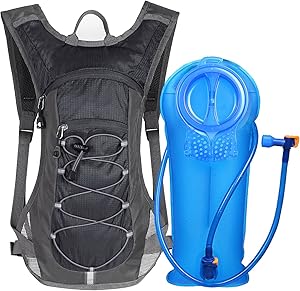
- Dimensions: 16.5 x 8 x 6.0 inches
- Liquid Capacity: 2 liters
- Weight: 1.1 lbs (with bladder)
- Fit: Chest sizes 27″ to 50″
The Unigear Hydration Pack is built for speed and efficiency, making it a favorite for cyclists and runners. Its compact and aerodynamic design is intended to minimize wind drag while providing enough water for intense physical activity. The 2-liter BPA-free bladder is easy to refill thanks to a large screw cap that even allows for the addition of ice cubes to keep water cool.
While the storage is limited to a small front pocket for essentials like keys or snacks, the focus here is on stability and lightweight performance. The adjustable chest and waist straps ensure the pack remains secure and does not bounce during high-impact movement. It is an affordable, splash-resistant option for athletes who prioritize a low-profile fit over cargo carrying capacity.
Pros: Very stable, adjustable for all sizes, budget-friendly.
Cons: Very limited storage space, basic shoulder padding.
See the Unigear Hydration Pack
7. Gregory Citro 24 H2O

- Gear Capacity: 24 liters
- Liquid Capacity: 3 liters
- Frame: Alloy steel internal frame
- Back Panel: Suspended mesh
The Gregory Citro 24 H2O is a premium daypack that prioritizes ventilation and load management. The standout feature is the suspended mesh back panel, which creates an air gap between your back and the pack to maximize airflow. This makes it an ideal choice for hiking in hot and humid climates where traditional foam panels might lead to excessive sweating.
Underpinned by an alloy steel frame, the Citro handles weight exceptionally well, distributing the load to the hipbelt. It includes a 3-liter reservoir and features five exterior pockets for superior organization. Whether you are tackling a steep summit or a long forest trail, the combination of high water capacity and technical suspension makes this pack a top performer for serious hikers.
Pros: Superior ventilation, steel frame support, high organization.
Cons: Slightly heavier, no raincover included.
See the Gregory Citro 24 See the Gregory Citro 30
8. Osprey Manta 24

- Gear Capacity: 24 liters
- Liquid Capacity: 2.5 liters
- Weight: 3 lbs. 5.28 oz.
- Special Feature: Integrated Raincover
The Osprey Manta 24 is perhaps one of the most comprehensive hydration packs on the market, offering a suite of features for the dedicated hiker. It utilizes a LightWire frame and a suspended mesh back panel for excellent comfort and breathability. One of its best features is the adjustable torso length, which allows users to fine-tune the fit to their specific body size.
Organization is a breeze with five exterior pockets and dedicated hipbelt storage. Unlike many competitors, it includes an integrated raincover, ensuring your gear stays dry during unexpected downpours. The panel-loading design provides easy access to all your items. While it is heavier than some other 24-liter packs, the superior comfort and feature set justify the extra weight for long-distance day hiking.
Pros: Adjustable torso, included raincover, excellent ventilation.
Cons: Relatively heavy, higher price point.
See the Osprey Manta 24 See the Osprey Manta 34
9. Gregory Swift 22 H2O – Women’s

- Gear Capacity: 22 liters
- Liquid Capacity: 2 liters
- Weight: 1 lb. 9.6 oz.
- Pack Access: Panel
The Gregory Swift 22 H2O is tailored for women, providing a 22-liter gear capacity in a sleek, frameless design. It balances weight and utility perfectly, offering enough space for a full day of hiking gear without the bulk of an internal frame. The 2-liter reservoir is integrated into a dedicated sleeve, ensuring easy refills and consistent water pressure through the bite valve.
Organization is a core strength of this pack, featuring five exterior pockets including large side mesh pockets and zippered hipbelt pockets for small essentials. The panel-loading style makes it easy to find items at the bottom of the bag. It is a highly versatile choice for women who want a pack that is comfortable enough for all-day use but light enough for casual trails.
Pros: Great pocket organization, lightweight, comfortable female-specific fit.
Cons: Frameless (less support for heavy loads), 2L bladder is smaller than some peers.
See the Gregory Swift 22 See the Gregory Swift 16
10. CamelBak Hydrobak

- Liquid Capacity: 1.5 liters (50 oz)
- Back Panel: Air Mesh
- Reservoir Type: Crux with ergonomic handle
- Warranty: Lifetime “Got Your Bak”
The CamelBak Hydrobak is the definitive minimalist hydration pack, built for short adventures where speed and hydration are the only goals. It features the famous Crux reservoir, which is designed to deliver 20 percent more water per sip compared to standard valves. The ergonomic handle makes it exceptionally easy to refill at sinks or fountains during a quick bike ride or run.
With a very slim profile, this pack barely feels like it is there. It includes a single zippered pocket for essentials like keys or a multi-tool, keeping everything else focused on the water supply. The ventilated air mesh back panel and harness ensure you stay cool. It is the perfect choice for athletes who need a reliable, no-frills way to carry water without any unnecessary bulk.
Pros: Extremely compact, high-flow bite valve, lifetime guarantee.
Cons: Almost no storage space, small water capacity.
11. Osprey Mira 24 – Women’s

- Gear Capacity: 24 liters
- Liquid Capacity: 2.5 liters
- Weight: 3 lbs. 4.48 oz.
- Exterior Pockets: 7 + main compartment
The Osprey Mira 24 is the women-specific counterpart to the Manta series, offering premium features and an adjustable suspension system. The Lightwire steel alloy frame provides excellent support, while the suspended mesh back panel keeps the wearer cool. This pack excels in organization, boasting seven exterior pockets that allow you to categorize and access your gear with incredible ease.
Sustainability is a key factor here, as the pack is constructed from 100% recycled nylon with a PFAS-free DWR treatment. It includes a 2.5-liter reservoir and a built-in raincover, making it a complete package for unpredictable mountain weather. The adjustable torso length ensures that it fits perfectly regardless of height, making it a top-tier choice for serious female hikers who demand the best in comfort.
Pros: Highly adjustable fit, eco-friendly materials, excellent pocket count.
Cons: Heavy, price is on the higher end.
See the Osprey Mira 24 See the Osprey Mira 34
12. Gregory Juno 30 H2O – Women’s

- Gear Capacity: 30 liters
- Liquid Capacity: 3 liters
- Weight: 2 lbs. 1 oz.
- Frame: Alloy steel
The Gregory Juno 30 H2O is a large-capacity daypack designed specifically for women who need significant gear space and maximum hydration. With a 30-liter volume and a 3-liter reservoir, it is prepared for the longest day hikes or even light overnight stays. The alloy steel frame works in tandem with a suspended mesh back panel to provide both stability and cooling airflow.
Despite its larger size, the Juno remains relatively light at just over two pounds. The top-loading design is paired with five exterior pockets, including useful hipbelt storage for electronics or snacks. It is a robust, well-engineered pack that handles heavy loads with ease, ensuring that women hikers can carry all their essentials plus plenty of water without sacrificing comfort or back health.
Pros: High gear and water capacity, excellent frame support, very breathable.
Cons: Can feel oversized for small frames, no raincover.
See the Gregory Juno 30 See the Gregory Juno 24
How to Choose Hydration Pack for Day Hiking
Staying hydrated is the most critical aspect of any outdoor adventure. While a simple water bottle in a side pocket works for short strolls, day hiking often requires a more efficient system. Hydration packs have revolutionized the way hikers consume fluids, allowing for hands-on movement and consistent sipping without the need to stop and rummage through a bag. However, with hundreds of options ranging from minimalist vests to heavy-duty internal frame packs, finding the right fit can be overwhelming.
Choosing the right hydration pack involves balancing water capacity, gear storage, fit, and specialized features. This guide will walk you through the essential factors to ensure your next hike is comfortable, safe, and well-hydrated.
Understanding Hydration Capacity
The first question you must answer is: how much water do you actually need? Water is heavy, so carrying too much can lead to unnecessary fatigue, but carrying too little can be dangerous. Most hydration reservoirs (also called bladders) range from 1 to 3 liters.
1 to 1.5 Liters: The Minimalist
Packs in this range are designed for short hikes, trail runs, or mountain bike sprints lasting one to two hours. These are typically very lightweight and low-profile. They are excellent for “fast and light” hikers who stay close to trailheads and don’t need to carry much more than a set of keys and a phone.
2 to 2.5 Liters: The Sweet Spot
A 2-liter reservoir is the standard for most day hikers. It provides enough water for a 3 to 5-hour hike in moderate temperatures. This capacity offers a great balance between weight and duration, fitting comfortably in mid-sized daypacks without taking up too much internal storage space.
3 Liters: The Long Haul
If you are tackling “all-day” hikes (6+ hours), hiking in high heat, or trekking through arid environments where water sources are non-existent, a 3-liter reservoir is necessary. While 3 liters of water weighs approximately 6.6 pounds, the peace of mind it provides during a strenuous ascent is invaluable.
Gear Capacity and Pack Volume
Once you’ve determined your water needs, you must consider the “cargo” side of the pack. Hydration packs are categorized by their total volume in liters, which includes the space taken up by the water reservoir and your gear.
Small Packs (Under 10 Liters)
These are essentially “water sleeves with straps.” They have just enough room for the bladder, a rain shell, and some energy bars. These are ideal for predictable weather and short trails where you don’t need an emergency kit or extra layers.
Mid-Sized Packs (11 to 20 Liters)
This is the most popular range for day hikers. A 15 or 18-liter pack allows you to carry the “Ten Essentials,” including a first aid kit, a headlamp, extra food, and a mid-layer jacket. These packs often feature better suspension systems to handle the increased weight.
Large Daypacks (21 to 35 Liters)
If you hike in the mountains where weather changes rapidly, or if you are the “pack mule” for a family, you will need 25 liters or more. This volume is necessary for carrying bulky items like a down jacket, a dedicated camera, or a lunch spread. Large packs usually feature internal frames to transfer weight to your hips.
Fit and Comfort: The Suspension System
A hydration pack is only as good as it feels on your back after four hours of climbing. A poor fit can lead to shoulder strain, lower back pain, and “hot spots” from friction.
Torso Length
Unlike standard school backpacks, technical hiking packs are often sold in different torso sizes. The pack should sit comfortably between the base of your neck and the top of your iliac crest (hip bones). Many premium brands like Osprey and Gregory offer adjustable torso lengths, allowing you to slide the shoulder harness up or down for a custom fit.
Waist Belts and Hipbelts
For small, light packs, a simple webbing waist strap is enough to keep the bag from bouncing. However, for packs over 15 liters, look for a padded hipbelt. A properly fitted hipbelt should carry 70% to 80% of the pack’s weight, relieving your shoulders of the burden. This is the secret to hiking longer distances without fatigue.
Ventilation and Back Panels
Back sweat is an inevitable part of hiking, but the right back panel can mitigate it. Look for packs with “suspended mesh” back panels (sometimes called trampoline backs). These create a physical gap between your back and the pack, allowing air to circulate. Alternatively, foam panels with deep molded channels offer a compromise between stability and airflow.
Reservoir Features and Usability
The reservoir itself is a piece of technology. Not all bladders are created equal, and small design differences can make a big impact on the trail.
Opening Style
Some reservoirs use a large screw-cap opening, while others use a “fold-and-slide” top. Screw-caps are easy to fill at sinks but can be bulky. Slide-tops open the entire width of the bag, making it much easier to add ice cubes and reach inside to scrub the bladder clean after a trip.
Bite Valves and Shut-off Switches
Ensure the bite valve is comfortable and offers a high flow rate. More importantly, look for a “shut-off switch” or a twist-lock on the valve. This prevents the pack from leaking in your car or when the hose is accidentally compressed by your gear.
Quick-Disconnect Hoses
High-end packs feature a “quick-link” system that allows you to unclip the hose from the bladder. This is incredibly convenient because it allows you to leave the hose routed through your shoulder straps while you take the bladder to a stream or tap for a refill.
Specialized Features for Hikers
Beyond the basics, several “quality of life” features can differentiate a good pack from a great one.
Hipbelt Pockets
These are small zippered pockets on the waist belt. They are the perfect place to store items you need on the move, such as sunscreen, lip balm, or a smartphone for quick photos, without having to take the pack off.
Raincovers
While many packs are made of water-resistant nylon, they are rarely waterproof. Some packs come with a dedicated raincover stowed in a bottom pocket. If the pack you love doesn’t have one, consider buying a universal cover separately if you hike in wet climates.
Magnetic Sternum Straps
Some brands include a magnet on the bite valve and the sternum strap. This keeps the hydration hose snapped firmly to your chest, preventing it from swinging around or getting snagged on branches.
Gender-Specific Designs
It is worth noting that many manufacturers offer women-specific hydration packs. These are not just different colors; they feature narrower shoulder widths, “S-shaped” shoulder straps that curve away from the chest, and hipbelts designed to sit on a different pelvic angle. If you find standard unisex packs uncomfortable, a gender-specific model might solve your fit issues.
Final Thoughts
Choosing a hydration pack for day hiking is a personal decision that depends on your hiking style and the environments you frequent. A hiker in the Arizona desert will have vastly different needs than a hiker in the foggy Appalachian Mountains. Always try a pack on with weight inside if possible, as a pack that feels great empty may reveal pressure points once filled with 2 liters of water.
Invest in a quality pack that fits your torso, provides the right volume for your essentials, and makes drinking water effortless. When you don’t have to think about your gear, you can spend more time enjoying the view.