Best Sleeping Bags for Cold Weather of 2026
Camping in cold weather can be tough without the right gear. A warm sleeping bag is your best friend out there. It keeps you safe from freezing nights and chilly winds. You need one that holds heat and stays dry. It should also feel comfy and pack easily. But with so many options, choosing the best one gets confusing. Some bags are made for extreme cold. Others are better for mild winter nights. In this article, we’ll help you find the best sleeping bags for cold weather. We’ve picked top-rated choices for warmth, weight, and comfort. No matter your trip, there’s a perfect bag for you here.
1. Marmot Trestles Elite Eco

- Temperature Rating: 0°F (-18°C); Comfort: 14°F (-10°C), ISO tested
- Insulation: 100% recycled ElixR Eco synthetic fill
- Weight: 5 lbs. 0.2 oz. (Regular)
- Shell and Lining: 100% postconsumer recycled polyester ripstop and plain weave
The Marmot Trestles Elite Eco 0 is built for backpackers who face freezing temperatures. With a comfort rating of 14°F and a lower limit of 0°F, it provides serious warmth in deep winter. Its ElixR Eco insulation offers excellent loft and heat retention, while being made entirely from recycled materials. The wave construction on top and blanket construction underneath deliver a cozy feel without cold spots. Ventilation is smartly designed, with a full-length left zipper and a short right-side zipper that boost airflow and make entry easier. The mummy shape traps heat efficiently, yet still allows enough room to sleep comfortably.
This bag stands out for its eco-friendly construction. From insulation to shell and lining, everything is recycled and fully recyclable. It’s plush, light for its warmth level, and compresses well enough for winter backpacking. Small touches like the internal stash pocket and dual zippers improve usability on cold nights. At just over 5 pounds, it’s heavier than ultralight options but worth it for sub-zero performance. The included stuff sack and compression sack make storage easy. If you’re camping below freezing and want to stay warm and reduce your impact on the planet, the Trestles Elite Eco is a smart, reliable pick.
Pros:
- Excellent warmth in sub-freezing conditions
- Made from 100% recycled, eco-friendly materials
- Dual zipper design adds comfort and convenience
- Affordable for a cold-weather synthetic bag
Cons:
- Heavier than down alternatives
- Slightly bulky when packed compared to ultralight models
2. Coleman North Rim
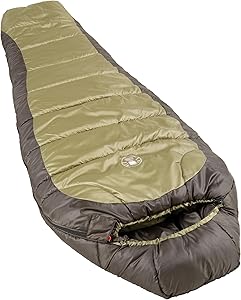
- Temperature Rating: 0°F
- Insulation: Coletherm hollow polyester insulation
- Dimensions: 82 x 32 inches; fits users up to 6 ft. 2 in.
- Features: Thermolock draft tube, adjustable hood, no-snag zipper, machine washable
The Coleman North Rim sleeping bag is a budget option for campers who expect cold nights. Designed to handle temperatures as low as 0°F, it features Coletherm hollow polyester insulation that traps warmth without adding much weight. The adjustable hood lets you fine-tune warmth and airflow, while the Thermolock draft tube helps stop heat loss along the zipper. At 82 inches long, it’s intended for big and tall campers, though some users might find it a little snug if they’re truly large. That said, most average-sized adults will find plenty of room to stretch out and get cozy.
Comfort is one of the North Rim’s best traits—it genuinely feels like lying in a giant marshmallow. The no-snag zipper and soft inner fabric add to that plush experience. While stuffing it back into the included sack takes some patience, learning the trick of keeping it tightly rolled helps a lot. It’s machine washable, which makes post-trip cleanup easy, and the build quality feels tough enough for years of use. If you’re looking for a warm, affordable synthetic sleeping bag for winter camping and don’t mind a little extra bulk or weight, the North Rim delivers excellent value and reliable warmth.
Pros:
- Excellent warmth for cold weather camping
- Very comfortable and cozy interior
- Machine washable and easy to clean
- Great value for the price
Cons:
- Can be a tight fit for bigger users
- A bit difficult to stuff back into the sack without practice
3. Sea to Summit Spark

- Temperature Rating: 0°F (-18°C); Comfort: 14°F, Lower Limit: 0°F (ISO tested)
- Insulation: 850+ fill-power goose down with Ultra-Dry treatment (RDS-certified)
- Weight: 2 lbs. 7.3 oz. (Regular), 2 lbs. 10.5 oz. (Long)
- Shell: 10-denier nylon with non-PFAS DWR for wind and water resistance
The Sea to Summit Spark 0F is a top-tier ultralight sleeping bag built for serious cold-weather backpacking. With high-quality 850+ fill goose down and box baffle construction, it traps heat incredibly well while staying light and compressible. The 10-denier shell and lining strike a perfect balance between weight and durability, and the water-resistant DWR treatment on the hood and footbox offers added protection from condensation and wind. The ergonomic mummy shape with an anatomic footbox and technical hood makes it feel snug without being restrictive, providing both comfort and efficiency in freezing temps.
This sleeping bag shines in design and packability. Though it comes in a large case, it includes a separate stuff sack that compresses the bag down to a compact 9.9 liters (Regular). Features like a draft tube, face clasps, and a pillow-friendly hood show thoughtful craftsmanship. The YKK zipper glides smoothly and can be paired with a compatible women’s version for shared use. Testers praise it for keeping them cozy even at 0°F, and the size works well even for petite users without sacrificing warmth. For ultralight backpackers seeking exceptional warmth, comfort, and build quality, the Spark 0F delivers reliable performance without weighing you down.
Pros:
- Exceptional warmth-to-weight ratio
- High-quality, water-resistant 850+ down
- Packs down small and light for backpacking
- Comfortable shape with well-designed hood and footbox
Cons:
- Premium price point
- Zipper may be slightly small for gloved hands
4. Rioyalo 0-Degree Sleeping Bag
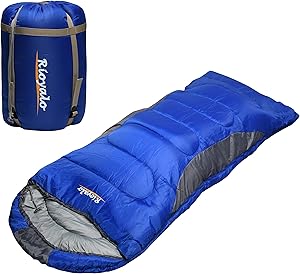
- Temperature Rating: Comfort: 32°F; Limit: 15°F; Extreme: 5°F
- Insulation: 450GSM microfiber fill with 210T ripstop polyester shell
- Weight and Pack Size: 5 lbs.; packed size: 15.6 in tall x 7.6 in round
- Dimensions: 74.8 + 11.8 inches long x 30.7 inches wide; fits users up to 6’10”
The Rioyalo 0-Degree Sleeping Bag offers solid warmth and comfort at an affordable price. With its generous size and 450GSM microfiber insulation, it’s a good option for big and tall campers needing extra space. The polyester shell is tough and water-resistant, while the soft pongee lining feels cozy against the skin. Its temperature range makes it suitable for three-season use, though your actual comfort depends on how well you can seal it. The included compression sack is tucked inside the bag, and once you fluff it out, it packs down fairly well. It’s also machine washable, adding to its convenience.
However, the cinch system around the hood leaves room for improvement. The drawstrings are long, awkwardly placed, and hard to tighten solo, making it difficult to trap heat around the head. If not properly cinched, warmth easily escapes from the top. While it includes a stash pocket, its placement directly over the torso can feel uncomfortable with items like phones or medical supplies. On a cold 26°F night, the bag retained added heat well with extra layers and hot packs, but without a proper seal, it struggled to keep one camper warm. Overall, it’s warm, durable, and roomy, but the hood cinch design may be frustrating for solo users in colder temps.
Pros:
- Spacious design fits tall and broad users comfortably
- Durable and soft materials with solid insulation
- Packs down well for its size and warmth
- Machine washable for easy care
Cons:
- Hood cinch system is hard to operate alone
- Poor head seal can cause heat loss
- Uncomfortably placed stash pocket
5. Bessport Mummy Sleeping Bag

- Material: 210T ripstop polyester shell with soft polyester taffeta liner
- Temperature Range: Comfort 50–68℉, limit 32℉
- Weight: 1.62 kg / 3.6 lbs
- Dimensions: Shoulder 63″, Hip 50.3″, Foot 33″
The Bessport Mummy Sleeping Bag combines lightweight portability with reliable warmth, making it an excellent choice for backpacking and camping. Its quilted construction, insulated footbox, and drawstring hood ensure heat is retained effectively, keeping you cozy even in temperatures down to 32℉. The bag is generously sized for taller adults and features a wide shoulder and large footbox for comfort without sacrificing packability.
Durability is another strong point of this sleeping bag. The water-repellent ripstop polyester shell resists damage from outdoor elements like rocks and branches, while the soft inner liner adds comfort. Double SBS zippers with anti-snag sliders and a snag-free hook-and-loop fastener make it easy to use. Overall, the Bessport Mummy Sleeping Bag delivers practicality, warmth, and long-lasting performance at a competitive price point.
- Pros: Lightweight, warm, durable, easy to pack
- Cons: Not suitable for extreme winter conditions
6. Coleman Heritage
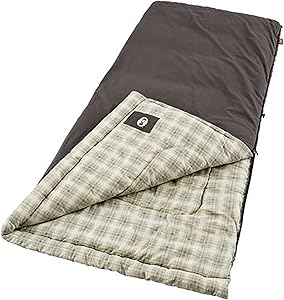
- Material: Heavy-duty cotton cover with synthetic flannel liner
- Temperature Range: Comfortable down to 10°F
- Dimensions: 84 x 40 in, suitable for campers up to 6’7″
- Insulation: 5 lbs of Holofill 808 synthetic insulation
The Coleman Heritage sleeping bag is a winter-ready, 4-season solution for taller campers. Its generous size and thermal insulation allow it to retain body heat effectively, keeping you warm even in temperatures as low as 10°F. The patented no-snag zipper and FiberLock system prevent insulation shifting, enhancing comfort during long nights outdoors.
Beyond warmth, the bag excels in convenience. The Wrap ‘N’ Roll system makes packing and storage simple, while the flannel liner adds softness and is machine washable for easy care. Durable and well-constructed, this sleeping bag balances insulation, comfort, and portability, making it an ideal choice for winter camping or overnight trips in cold conditions.
- Pros: Extra-large size, warm, durable, easy to pack
- Cons: Slightly bulky for backpacking
7. Retrospec Dream
- Material: Water-resistant synthetic shell with hypoallergenic fill
- Temperature Range: Comfort down to 5°F / -15°C
- Weight: 5 lbs 1 oz (Regular), 5 lbs 5 oz (Long)
- Design: Relaxed mummy shape with draft collar and adjustable draw cords
The Retrospec Dream sleeping bag offers superior protection against cold and wet conditions, making it perfect for winter camping. Its relaxed mummy design, draft collar, and layered insulation retain heat efficiently, ensuring warmth even at 5°F. The bag is lightweight yet robust, allowing easy transport without compromising performance.
Practicality is key with the Dream 5°. The included stuff sack makes packing simple, while differentiated draw cords and a zippered stash pocket provide convenient access to essentials. Durable water-resistant fabric keeps the sleeping bag dry, and thoughtful construction ensures long-lasting comfort. Overall, it is an excellent choice for cold-weather adventurers who need warmth, portability, and reliable performance in one package.
- Pros: Very warm, water-resistant, convenient storage, comfortable design
- Cons: Slightly heavier than ultralight options
How to Choose Sleeping Bags for Cold Weather?
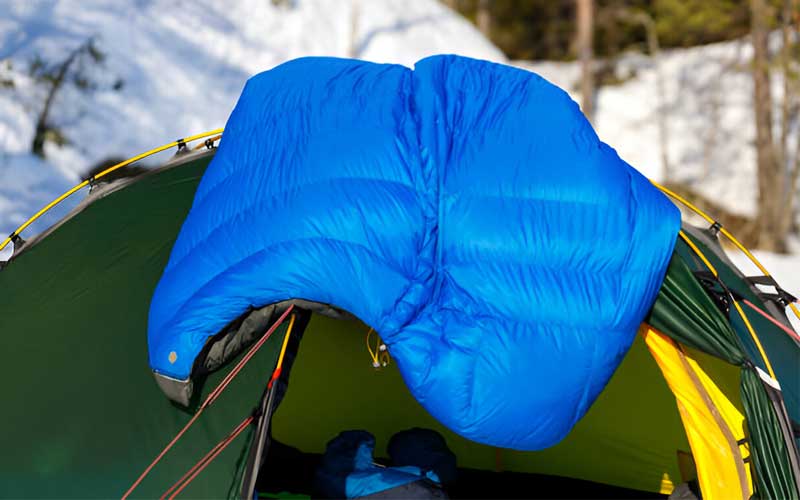
When you’re heading out into cold weather, whether it’s a high-altitude trek or a winter camping trip, your sleeping bag becomes one of the most crucial pieces of gear. Without proper insulation and comfort, a night in freezing conditions can turn miserable—or even dangerous. Choosing the right sleeping bag ensures you stay warm, safe, and well-rested in harsh environments. Here’s everything you need to know to make the best choice.
1. Understand Temperature Ratings
The first and most important factor is the temperature rating of a sleeping bag. This rating tells you the lowest temperature at which the bag can keep an average sleeper warm.
-
Comfort Rating: This is the temperature at which a person can sleep comfortably in a relaxed position. It’s especially useful for cold sleepers.
-
Lower Limit: The lowest temperature where the bag will keep a warm sleeper protected, but not necessarily comfortable.
-
Extreme Rating: This is the survival rating—not where you’d sleep comfortably, but the limit before you risk hypothermia.
Look for ISO or EN ratings, which are standardized tests for temperature accuracy. For cold weather, choose a bag with a comfort rating around 0°F (-18°C) or lower, depending on how extreme your environment will be.
2. Choose the Right Insulation: Down vs Synthetic
Sleeping bags are typically insulated with down or synthetic fill, and each has its pros and cons.
Down Insulation
-
Pros: Extremely lightweight, compresses well, excellent warmth-to-weight ratio.
-
Cons: Loses insulating power when wet, often more expensive.
-
Best For: Dry, extremely cold conditions where weight and space matter.
Look for high fill-power (600–900+) goose or duck down, which indicates better loft and warmth. Also consider treated or hydrophobic down, which resists moisture better.
Synthetic Insulation
-
Pros: Insulates even when wet, budget-friendly, dries quickly.
-
Cons: Heavier and bulkier than down, doesn’t compress as well.
-
Best For: Wet or humid conditions, budget-conscious campers, and beginners.
3. Sleeping Bag Shape Matters
The shape of your sleeping bag affects both warmth and comfort.
-
Mummy Shape: Tapered from head to toe, mummy bags offer maximum warmth and thermal efficiency. They reduce the amount of air your body needs to heat.
-
Semi-Rectangular: Offers more room to move than mummy bags, while still being warmer than rectangular bags.
-
Rectangular: Most spacious but not ideal for very cold temperatures as they allow heat to escape more easily.
For cold weather, mummy bags are the best choice. They often come with fitted hoods and draft collars that help trap warmth inside.
4. Weight and Packability
If you’re backpacking or trekking in winter, you need a sleeping bag that offers warmth without adding too much weight. Down sleeping bags are much lighter and more compressible than synthetic ones, which makes them ideal for ultralight setups.
Check:
-
Total weight (most cold-weather bags range from 2.5 to 5+ lbs)
-
Compressed volume (how small the bag packs down)
-
Whether a compression sack is included
For car camping, weight might not matter as much, so you can prioritize comfort and durability instead.
5. Material and Construction
Cold-weather sleeping bags must be built with quality materials that retain heat and resist moisture.
-
Shell Fabric: Look for ripstop nylon or polyester with a DWR (Durable Water Repellent) finish. This keeps light moisture and condensation out.
-
Lining: Soft, breathable linings like taffeta or pongee feel nice against the skin and help with warmth.
-
Baffle Construction: In down bags, look for box baffles rather than sewn-through stitching. Box baffles prevent cold spots by allowing the down to loft fully.
Also, check for features like:
-
Draft collars and draft tubes to prevent cold air from seeping through zippers or the top of the bag.
-
Snag-free zippers that operate smoothly even in low light or with gloves.
-
Internal stash pockets to keep batteries or phones warm overnight.
6. Size and Fit
Getting the right fit in a sleeping bag is critical. A bag that’s too tight will feel uncomfortable and compress insulation, reducing its warmth. One that’s too loose will have cold air pockets.
Check these dimensions:
-
Length: Make sure the bag fits your height (most bags come in Regular or Long).
-
Shoulder and hip girth: Especially important if you have broad shoulders or move around while sleeping.
-
Footbox: A roomier footbox can be more comfortable and warmer for cold feet.
Some brands also offer women-specific sleeping bags, which are shorter, narrower at the shoulders, and wider at the hips, with extra insulation in the feet and torso.
7. Practical Features to Look For
These features can make your cold-weather experience much more enjoyable:
-
Hood Cinch Cords: Helps seal in heat around your head.
-
Two-Way Zippers: Allows venting at the feet during warmer nights.
-
Zip-Together Compatibility: Some bags can zip together with another of the same model for double sleeping.
-
Stash Pockets: Handy for storing items that need to stay warm (like electronics or medications).
8. Don’t Ignore Layering and Sleep Systems
Even the best sleeping bag won’t perform well if used alone on cold ground. Always pair it with a high R-value sleeping pad (R-4.0 or higher for winter). This insulates you from the cold ground and adds major warmth.
Also, consider:
-
Sleeping bag liners for extra warmth and cleanliness.
-
Thermal blankets or bivy sacks for emergency insulation or additional protection.
9. Budget and Brand Recommendations
You don’t always have to spend a fortune, but for truly cold conditions, investing in a reliable bag is worth it. Trusted brands include:
-
Premium: Western Mountaineering, Feathered Friends, Sea to Summit
-
Mid-range: Marmot, Kelty, The North Face
-
Budget-friendly: Coleman, Teton Sports, REI Co-op
Always check reviews for real-world performance and customer satisfaction.
Final Thoughts
Choosing a sleeping bag for cold weather is about more than just the lowest temperature listed on the label. You need to factor in insulation type, fit, materials, packability, and how it pairs with the rest of your sleep system. Start by identifying your needs—backpacking or car camping, extreme cold or chilly autumn nights—and balance warmth, weight, and comfort accordingly. With the right bag, a cold night outdoors can become a warm, restful experience instead of a frozen ordeal.