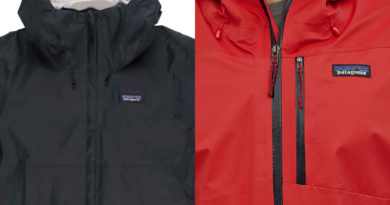
Hardshell vs Softshell Jackets: Which One Should You Choose?
Choosing the right jacket for outdoor activities can be confusing, especially with terms like hardshell and softshell being thrown around frequently. Both types of jackets serve different purposes and offer unique benefits depending on the activity, weather conditions, and personal preference. In this article, we will dive deep into the differences between hardshell and softshell jackets, helping you make an informed decision for your outdoor adventures.
What is a Hardshell Jacket?
A hardshell jacket is designed to provide maximum protection against harsh weather conditions. They are usually made from highly durable and waterproof materials such as Gore-Tex or other proprietary fabrics. Hardshells are primarily focused on keeping water, snow, and wind out while offering breathability to prevent overheating during high-intensity activities.
Key features of hardshell jackets include:
- Waterproof: Most hardshells are fully waterproof, using advanced membranes to prevent water penetration.
- Windproof: Hardshells are excellent at blocking strong winds.
- Durable: These jackets are built to withstand abrasions and harsh conditions.
- Layering: Hardshells are typically worn over insulating layers for added warmth.
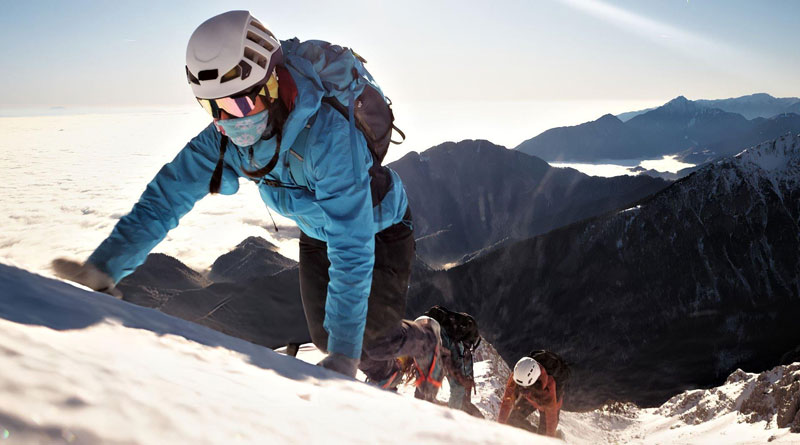
Hardshell jackets are ideal for extreme weather activities like alpine climbing, winter mountaineering, and long hikes in unpredictable conditions. However, their focus on protection can make them stiffer and less breathable compared to softshell jackets.
What is a Softshell Jacket?
Softshell jackets are designed for comfort, flexibility, and breathability. They are usually made from woven fabrics that are water-resistant rather than fully waterproof. Softshells excel in activities that require a wide range of motion and moderate protection from the elements.
Key features of softshell jackets include:
- Water-Resistant: Softshells repel light rain and snow but are not fully waterproof.
- Breathable: They allow moisture to escape easily, making them ideal for high-intensity activities.
- Stretchy and Flexible: Softshells allow for better movement and are comfortable for long periods of wear.
- Lightweight: These jackets are often lighter and easier to pack compared to hardshells.
Softshell jackets are perfect for activities like hiking, trail running, cycling, and skiing in mild to moderate weather conditions. They are less protective against heavy rain and strong winds, but their comfort and breathability make them highly versatile.
Hardshell vs Softshell: Key Differences
Understanding the differences between hardshell and softshell jackets is crucial in choosing the right gear. Here are the main areas to consider:
1. Weather Protection
Hardshell jackets offer superior weather protection. They are fully waterproof and windproof, making them suitable for severe weather. Softshells, on the other hand, are water-resistant and wind-resistant but cannot handle prolonged heavy rain or snow.
2. Breathability
Softshell jackets are generally more breathable than hardshells. They allow moisture from sweat to escape, reducing overheating during high-intensity activities. Hardshells offer breathability as well, but heavy waterproof membranes can sometimes limit airflow, especially during intense activity.
3. Durability and Abrasion Resistance
Hardshells are usually made from tougher fabrics and are more abrasion-resistant than softshells. If you are climbing, trekking through rocky terrain, or engaging in activities with high wear and tear, a hardshell will last longer. Softshells are more prone to wear but are often sufficient for everyday use and moderate outdoor activities.
4. Comfort and Flexibility
Softshell jackets offer greater flexibility and comfort due to their stretchy materials. They allow a full range of motion, which is especially important for activities like climbing, skiing, or cycling. Hardshell jackets tend to be stiffer, which can restrict movement but offers better protection from the elements.
5. Weight and Packability
Softshells are generally lighter and more compressible than hardshells, making them easier to carry for long treks or travel. Hardshells are bulkier and may require more space in your backpack but provide superior protection in extreme conditions.
When to Choose a Hardshell Jacket
Hardshell jackets are the best choice for severe weather conditions and high-altitude adventures. They are ideal for:
- Alpine climbing and mountaineering
- Backcountry skiing and snowboarding
- Hiking in rainy or snowy conditions
- Activities where staying dry is essential
If your priority is maximum weather protection, layering options, and durability, a hardshell jacket is the right choice. They are also better suited for long-term outdoor expeditions where weather can change rapidly.
When to Choose a Softshell Jacket
Softshell jackets are better suited for moderate weather conditions and activities requiring mobility. They are ideal for:
- Day hikes and trekking in mild weather
- Trail running and cycling
- Skiing or snowboarding in dry, cold conditions
- Everyday wear and casual outdoor use
If your priority is comfort, breathability, and flexibility, a softshell jacket will serve you well. They are especially beneficial for high-intensity activities where overheating and sweat management are important.
Conclusion
Both hardshell and softshell jackets have their place in an outdoor enthusiast’s wardrobe. Hardshells provide maximum protection against harsh weather, durability, and layering options, making them ideal for extreme conditions. Softshells offer breathability, comfort, and flexibility, making them perfect for moderate weather and high-intensity activities.
When choosing between the two, consider the type of activity, weather conditions, and personal preferences. For unpredictable or wet environments, invest in a hardshell. For lighter, more breathable, and versatile protection in mild conditions, a softshell is a smart choice. Many outdoor enthusiasts often carry both, layering a softshell under a hardshell for the perfect balance of protection and comfort.
Ultimately, the right jacket depends on your adventure style, climate, and performance needs. Understanding the differences between hardshell and softshell jackets ensures you stay comfortable, protected, and ready for any outdoor challenge.