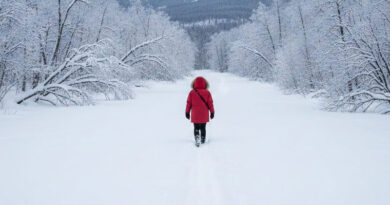

Best Snowshoeing Jackets of 2025
Snowshoeing is one of the best ways to enjoy winter, but staying warm and comfortable is key to having a good time outdoors. The right jacket makes all the difference, keeping you protected from cold winds, heavy snow, and changing temperatures. Unlike regular winter coats, snowshoeing jackets are designed to be lightweight, breathable, and weather-resistant, so you don’t overheat while moving yet stay cozy when you stop. With so many choices available, it can feel overwhelming to pick the right one. That’s why we’ve put together this guide to the best snowshoeing jackets, helping you find a perfect balance of warmth, comfort, and performance.
1. REI Co-op Stormhenge 850

- Shell Material: REI-exclusive HydroWall 2-layer waterproof/breathable nylon.
- Insulation: Body-mapped 850-fill-power goose down and 180g recycled synthetic insulation.
- Baffles: Bonded baffles welded to the shell to eliminate cold spots.
- Ventilation: Pit zips for dumping core heat.
The REI Co-op Stormhenge 850 is a serious contender for those who face harsh winter conditions, offering a blend of robust protection and thoughtful design. Its main selling point is the hybrid insulation system, which combines the superior warmth and compressibility of 850-fill-power goose down with the wet-weather performance of synthetic insulation. This body-mapped approach places synthetic material in high-moisture areas like the hood, cuffs, and underarms, ensuring you stay warm even if those spots get damp. The jacket’s HydroWall shell, with its fully sealed seams, provides an impressive barrier against wind and snow, making it a reliable choice for long days on the slopes or a snowy trail.
Beyond its core weather protection, the Stormhenge 850 is packed with practical features that enhance its performance. The helmet-compatible hood is highly adjustable and features a sleeping-bag-style draft tube at the neck, effectively sealing in warmth. Pit zips allow for quick heat dumps during high-exertion activities, preventing you from overheating. The jacket is also designed with pack compatibility in mind, featuring seam-free shoulders that won’t chafe under pack straps and hipbelt-compatible hand pockets. All these details, combined with its bluesign® and Fair Trade Certified™ status, make it a top-tier, responsibly made jacket for dedicated snowshoeing enthusiasts.
- Pros: Excellent weather protection; hybrid insulation for moisture management; many functional features like pit zips and a helmet-friendly hood; made with sustainable practices.
- Cons: Heavier and less packable than pure down jackets; premium price point; may be overkill for mild winter conditions.
See the REI Co-op Stormhenge 850 See the Women’s Stormhenge 850
2. Columbia Powder Lite II

- Insulation: Thermarator synthetic insulation.
- Lining: Omni-Heat reflective thermal lining.
- Weather Resistance: Omni-Shield technology for water and stain repellency.
- Fit: Active fit with a drawcord adjustable hem.
The Columbia Powder Lite II is a versatile and affordable jacket that’s great for light snowshoeing trips or as a general cold-weather layer. Its core technology is the Omni-Heat thermal reflective lining, which works by reflecting your body heat back to you, providing a surprising amount of warmth for its lightweight design. This, combined with the Thermarator synthetic insulation, creates a comfortable jacket that keeps you warm even in damp conditions. The Omni-Shield shell technology is an added bonus, offering protection against light rain and resisting stains, which is ideal for unpredictable winter weather. It’s a straightforward, no-fuss jacket that gets the job done without a high price tag.
This jacket’s design focuses on practicality and comfort. The active fit allows for a good range of motion, which is crucial for dynamic activities like snowshoeing. The elastic cuffs and a drawcord-adjustable hem help seal in warmth and keep out drafts, while a soft chin guard prevents chafing. While it doesn’t have the advanced features of more technical jackets, like pit zips or a helmet-compatible hood, it offers a solid balance of warmth, weather resistance, and affordability. It’s a reliable choice for anyone looking for a simple, effective jacket for casual winter outings or as a versatile layer for different cold-weather activities.
- Pros: Excellent value; lightweight and packable; retains warmth even when wet; effective at repelling light rain and stains.
- Cons: Not suitable for heavy snow or severe cold; lacks technical features like pit zips; may not be breathable enough for high-exertion activities.
See the Columbia Powder Lite II See the Women’s Powder Lite II
3. REI Co-op First Chair GTX

- Shell Material: 2-layer GORE-TEX ePE technology.
- Waterproofing: Fully taped seams and nonfluorinated DWR treatment.
- Key Features: Pit zips, snap-away powder skirt, and helmet-friendly hood.
- Pockets: Multiple pockets including a media pocket and a lift pass pocket.
The REI Co-op First Chair GTX is a high-performance shell jacket designed for demanding conditions, making it an excellent choice for serious snowshoeing or resort days. Its core feature is the GORE-TEX ePE technology, which provides a premium level of waterproof and windproof protection while remaining highly breathable. This shell-style jacket is uninsulated, which gives you the flexibility to customize your warmth by layering underneath. It’s built to be tough, with fully taped seams and a durable water repellent (DWR) finish that helps moisture bead up on the surface, ensuring you stay dry no matter how wet the conditions get.
Functionality is where the First Chair GTX truly shines. The pit zips are a game-changer for snowshoeing, allowing you to quickly vent excess heat and prevent overheating on ascents. The helmet-friendly hood is highly adjustable for a precise fit, and the high collar, lined with soft tricot, protects your chin from blowing snow. Practical features like the snap-away powder skirt, multiple pockets (including a dedicated lift pass pocket and a media pocket), and shaped cuffs with hook-and-loop adjustments make this jacket incredibly versatile and convenient. It’s a well-thought-out shell that gives you the freedom to layer up or down depending on the temperature and your activity level, making it a reliable and durable option for any winter adventure.
- Pros: Exceptional waterproof and windproof protection; highly breathable; versatile for layering; packed with functional features; made with bluesign®-certified materials.
- Cons: No insulation, requiring additional layers for warmth; higher price point; may be too technical for casual use.
See the REI Co-op First Chair GTX See the Women’s First Chair GTX
4. Patagonia Down Sweater

- Shell Material: NetPlus® 100% recycled nylon ripstop.
- Insulation: 800-fill-power Responsible Down Standard (RDS) goose down.
- Water Resistance: DWR finish made without PFCs/PFAS.
- Packability: Stuffs into its own internal zippered chest pocket.
The Patagonia Down Sweater is an iconic, ultralight insulation piece perfect for layering or stand-alone use in cold, dry conditions. Its star feature is the 800-fill-power goose down, which provides incredible warmth for its minimal weight and is certified to the Responsible Down Standard. This jacket is designed for efficiency and packability, making it an ideal mid-layer for active pursuits like snowshoeing or a quick, warm layer to pull on during breaks. The shell fabric, made from recycled fishing nets, is a testament to Patagonia’s commitment to sustainability, providing a durable, downproof barrier with a non-PFC DWR finish that sheds light moisture.
Simplicity and function define the Down Sweater. The design is streamlined, with a comfortable center-front zipper that has a wicking storm flap and a soft zipper garage at the chin. The jacket features two secure handwarmer pockets and an internal zippered chest pocket that doubles as a stuff sack. This is a crucial feature for anyone on the go, as it allows you to pack the jacket into a small, portable pouch that can be clipped to a harness or backpack. While it lacks some of the technical features of a dedicated snow sports shell, its exceptional warmth-to-weight ratio and ability to pack down to almost nothing make it an indispensable part of any winter layering system.
- Pros: Outstanding warmth-to-weight ratio; highly compressible and packable; made with sustainable, recycled materials; versatile as a stand-alone jacket or mid-layer.
- Cons: Not waterproof; down insulation loses warmth when wet; limited features compared to technical shells; more suited for dry cold than wet snow.
See the Patagonia Down Sweater See the Women’s Down Sweater
5. Mountain Hardwear Ghost Whisperer

- Shell Material: 100% recycled ultralight ripstop fabric.
- Insulation: 800-fill-power Responsible Down Standard (RDS) down.
- Packability: Stuffs into its own hand pocket with a carabiner clip loop.
- Moisture Resistance: First baffle at each cuff filled with synthetic insulation.
The Mountain Hardwear Ghost Whisperer is a masterclass in ultralight warmth and compressibility, making it a favorite for weight-conscious adventurers. Its name is fitting, as you’ll barely notice you’re wearing it. The jacket uses 800-fill-power down, which provides an incredible amount of warmth for its minimal weight, and is certified to the Responsible Down Standard, ensuring ethical sourcing. The recycled ripstop shell fabric is surprisingly durable for its weight and is treated with a DWR finish to shed light moisture. This jacket is designed to be a highly effective insulating layer for snowshoeing, backcountry skiing, or any activity where every ounce counts.
What sets the Ghost Whisperer apart is its intelligent design for real-world use. One clever detail is the use of synthetic insulation in the first baffle at each cuff, which prevents wet-out in a high-contact area where snow and moisture are common. The insulated hood features a rear cinch and elastic binding to effectively seal in warmth, while two zippered hand pockets provide secure storage. The most impressive feature, however, is its packability. The entire jacket stuffs down into one of its own hand pockets, creating a tiny, portable pouch with a carabiner clip loop, making it easy to store in a pack and have on hand for a quick warmth boost. It’s a minimalist jacket that delivers maximum performance for its weight.
- Pros: Extremely lightweight and packable; excellent warmth-to-weight ratio; clever synthetic insulation in cuffs for moisture resistance; made with recycled materials.
- Cons: Not suitable for very wet or windy conditions; thin shell fabric is less durable than other jackets; limited features.
See the MH Ghost Whisperer See the Women’s Ghost Whisperer
6. REI Co-op 650 Down Jacket

- Insulation: 650-fill-power down.
- Shell Material: 100% recycled nylon with a nonfluorinated DWR coating.
- Pockets: Two zippered hand pockets and two interior drop-in pockets.
- Fit: Adjustable hem drawcord and cuff bindings.
The REI Co-op 650 Down Jacket is an excellent entry-point into the world of down insulation, offering reliable warmth at an accessible price. It uses 650-fill-power down, which provides a good balance of warmth, compressibility, and value. The jacket’s shell is made from 100% recycled nylon and is both windproof and water-resistant, thanks to a nonfluorinated DWR coating that helps shed light moisture. This makes it a great choice for layering under a waterproof shell for activities like snowshoeing, or for wearing on its own during a cold, dry day. It’s a straightforward, no-frills jacket that focuses on core performance and comfort.
Designed for everyday use and light outdoor activities, the 650 Down Jacket includes all the essentials you need without the added complexity of a high-tech piece. It features two zippered hand pockets to keep your hands warm and two interior drop-in pockets for stashing essentials like a hat or gloves. The hem drawcord and cuff bindings work together to seal in warmth, preventing cold drafts from creeping in. While it may not be as ultralight or compressible as jackets with higher fill-power down, it offers dependable warmth and a comfortable fit, making it a fantastic value for those who want to stay warm without a significant investment. Plus, its use of recycled materials and bluesign® criteria aligns with a more sustainable approach to outdoor gear.
- Pros: Great value for a down jacket; good warmth for its weight; versatile for layering or stand-alone use; made with sustainable materials.
- Cons: Heavier and less compressible than jackets with higher fill-power down; not fully waterproof; down insulation is vulnerable to moisture.
See the REI Co-op 650 Down Jacket See the Women’s 650 Down Jacket
7. Patagonia Nano Puff Insulated

- Insulation: 60g PrimaLoft® Gold Insulation Eco (100% recycled polyester).
- Shell Material: 100% recycled ripstop polyester with a non-PFAS DWR finish.
- Packability: Stuffs into its internal zippered chest pocket.
- Construction: Brick quilting pattern to stabilize insulation.
The Patagonia Nano Puff is a classic for a reason, offering lightweight warmth and reliable performance in a wide range of conditions. Instead of down, it uses 60g PrimaLoft® Gold Insulation Eco, a synthetic fill made from recycled polyester. This is a key advantage for snowshoeing and other high-output winter sports, as synthetic insulation retains its warmth even when it gets wet, unlike down. The jacket’s shell is a 100% recycled ripstop polyester with a non-PFAS DWR finish, providing excellent windproof and water-resistant protection. Its brick quilting pattern not only looks good but also keeps the insulation from shifting, ensuring consistent warmth and durability.
This jacket is built for mobility and layering. Its low-profile design and improved shoulder and elbow articulation make it easy to wear under a waterproof shell without feeling bulky or restrictive. The center-front zipper features a wicking interior storm flap and a soft chin garage for comfort. Like other popular jackets, the Nano Puff is highly packable, stuffing neatly into its own internal chest pocket for easy storage in a backpack. It’s an incredibly versatile piece, perfect as a stand-alone jacket for mild, dry days or as a reliable insulating layer for colder, wetter conditions. The use of recycled materials and Fair Trade Certified™ manufacturing also makes it a responsible choice for eco-conscious adventurers.
- Pros: Excellent performance in wet conditions; highly breathable and packable; made from 100% recycled materials and produced in a Fair Trade Certified™ factory; versatile for layering or stand-alone use.
- Cons: Not as warm as a high-fill-power down jacket; lighter weight means it’s not for extreme cold; lacks features like pit zips or a helmet-compatible hood.
See the Patagonia Nano Puff See the Women’s Nano Puff
How to Choose the Perfect Jacket for Snowshoeing
Snowshoeing is a fantastic way to experience the winter landscape, offering a blend of peaceful solitude and vigorous exercise. However, a successful and enjoyable trip depends heavily on your gear, and few pieces are as critical as your jacket. Choosing the right jacket for snowshoeing isn’t a simple matter of grabbing the warmest one you can find. It requires a strategic approach, considering the unique demands of this sport, from the intense physical exertion that generates heat and sweat to the cold, often unpredictable, weather. The key is to find a jacket that provides warmth without causing you to overheat, protects you from the elements, and allows for freedom of movement. This guide will walk you through everything you need to know to select the ideal snowshoeing jacket, ensuring you stay comfortable, dry, and safe on the trail.
Understanding the Layering System
Before you even look at jackets, you must understand the fundamental principle of outdoor winter wear: the layering system. A single, heavy jacket is often a recipe for discomfort. As you snowshoe, your body generates a tremendous amount of heat. If your jacket doesn’t allow this heat and moisture (sweat) to escape, you’ll quickly become soaked from the inside out. Once you stop, this moisture will cool, and you’ll get very cold, very fast. The layering system solves this problem by using three distinct layers, each with a specific function.
The Base Layer
This is the layer closest to your skin. Its primary job is to manage moisture by wicking sweat away from your body. Materials like merino wool or synthetic fabrics (polyester, polypropylene) are excellent choices. Cotton is a definite no-go, as it absorbs moisture and will make you cold. Think of this layer as your moisture control system.
The Mid-Layer
This is your insulation layer. Its purpose is to trap body heat to keep you warm. For snowshoeing, a lightweight fleece, a synthetic insulated jacket, or a thin down jacket works well. The best choice depends on the temperature and your activity level. A key feature of a good mid-layer is its ability to compress and be easily stowed in your pack if you get too warm.
The Outer Layer (The Jacket)
This is your protection against the elements—wind, snow, and rain. A snowshoeing jacket is almost always the outer layer, a “shell” that shields you from the weather while allowing moisture from the inner layers to escape. This is where breathability is paramount. For snowshoeing, you’ll want a jacket that is either a dedicated shell or a lightly insulated one, depending on the climate and intensity of your outing.
Types of Jackets for Snowshoeing
Choosing a jacket means selecting the right type for the conditions you’ll face. There are three main categories to consider.
Hard Shell Jackets
A hard shell is a waterproof and windproof jacket with no insulation. It’s your ultimate line of defense against severe weather. Materials like GORE-TEX, eVent, or other proprietary waterproof/breathable membranes are used to create a barrier that keeps precipitation out while allowing sweat vapor to escape. This is a great option for high-exertion snowshoeing in wet or windy conditions. It’s also the most versatile choice for layering, as you can adjust your insulation underneath to match the temperature.
Soft Shell Jackets
Soft shells are designed for active use in cold, dry conditions. They are highly breathable and offer good wind resistance and water repellency, but are not fully waterproof. A soft shell is perfect for snowshoeing on a cold, sunny day where you’ll be moving constantly and generating a lot of heat. They are generally more stretchy and comfortable than hard shells, allowing for better mobility. However, if the weather turns to heavy snow or rain, a soft shell won’t provide adequate protection.
Insulated Jackets
An insulated jacket combines an outer shell with an insulating mid-layer into a single piece. The insulation can be either down or synthetic. These jackets are best for less-strenuous snowshoeing in very cold temperatures or for use as a primary outer layer during rest stops. While they are very warm, they can cause you to overheat quickly if you are moving fast. If you choose an insulated jacket, look for features like pit zips for ventilation to help manage heat buildup. For active pursuits, a synthetic-insulated jacket is often better than down, as it retains its insulating properties even when damp.
Key Features to Look For
Once you’ve decided on the type of jacket, pay close attention to these critical features that will enhance your comfort and performance.
Breathability and Ventilation
This is arguably the most important feature. Look for jackets with pit zips (zippers under the arms) to dump heat quickly. Breathable membranes are a must, as they allow sweat vapor to escape before it condenses and makes you wet. Look for terms like “waterproof/breathable” or “air permeable.”
Water and Wind Resistance
A durable water repellent (DWR) finish is a must. This coating helps water bead up and roll off the fabric. For the best protection, look for a fully waterproof jacket with a membrane and sealed or “taped” seams. The jacket should also be windproof, as wind can rapidly strip away body heat.
Hood
A good hood provides essential protection from wind and snow. For snowshoeing, a helmet-compatible hood is not usually necessary unless you are also using the jacket for other sports like skiing. Look for a hood that is adjustable and can be cinched down for a snug fit. A high collar is also a great feature to protect your neck and chin from the elements.
Pockets
Look for pockets that are accessible while wearing a backpack. Hipbelt-compatible hand pockets are ideal. Interior pockets are great for keeping items like a phone or map from freezing. A chest pocket can be useful for quick access to snacks or a compass.
Fit and Mobility
The jacket should have a fit that allows for a full range of motion. It should not be too tight, which can restrict movement and layering, or too loose, which can let in cold air. Articulated elbows and gusseted underarms are a plus, as they allow for better movement. Adjustable cuffs and hem drawcords help seal in warmth and keep snow out.
Putting It All Together: Your Snowshoeing Jacket Strategy
For most snowshoers, a versatile and effective system is a high-quality, breathable hard shell jacket worn over a synthetic or fleece mid-layer. This combination gives you the flexibility to adapt to changing weather and exertion levels. If you get too warm on a climb, you can unzip the jacket or take it off entirely and just snowshoe in your base and mid-layers. If the wind picks up or it starts to snow, you can quickly put the shell back on for protection. This system gives you maximum control over your comfort, which is crucial for a great day in the snow. By considering these factors—from understanding the layering system to scrutinizing the jacket’s features—you’ll be well-equipped to make a smart choice and enjoy your time on the trail, no matter what winter throws at you.