Best Budget Hardshell Jackets of 2026
A good budget hardshell jacket proves you don’t need to spend a lot to stay dry and protected outdoors. These jackets offer solid waterproofing, wind resistance, and durability without the premium price tag. Whether you’re hiking, camping, or just dealing with bad weather around town, a reliable hardshell can make all the difference. In this guide, we look at the best affordable options that keep you comfortable in tough conditions while still being kind to your wallet. Each pick balances performance, value, and everyday practicality.
1. Patagonia Torrentshell 3L

- Fabric: 3.5 oz. 50-denier ECONYL® recycled ripstop nylon/tricot
- Waterproofing: 3-layer H2No® Performance Standard membrane
- Weight: 14.1 ounces
- Packable: Stuffs into left handwarmer pocket with clip-in loop
Light, tough and thoughtfully detailed, the Torrentshell 3L is the sort of jacket you reach for when the forecast turns sour and you still want to get outside. The 3-layer H2No membrane gives reliable waterproofing without feeling papery, and the ECONYL ripstop face fabric is sturdy enough for day hikes or city commutes. Patagonia’s microfleece-lined neck and laminated hood visor add small but welcome comfort and protection against driving rain. The snag-free zipper, internal and external storm flaps, and adjustable hem and cuffs keep cold drafts and water at bay.
The jacket packs down neatly into its left pocket with a carabiner loop, making it perfect for stowing in a pack or backpack pocket. Pit zips improve breathability on uphill pushes, and the overall cut is roomy enough for a midlayer while remaining streamlined. For anyone who wants a durable, sustainable rain shell that won’t weigh you down, the Torrentshell 3L balances performance and simplicity very well — a dependable everyday waterproof that’s built to last.
- Pros: Lightweight, durable 3-layer protection; packs small; comfortable fleece-lined neck; PFC-free DWR.
- Cons: Slightly higher price than basic shells; back length is hip-length (limited coverage for deep snow).
View Men’s at REI View Women’s at REI
2. REI Co-op Powderbound

- Waterproofing: Peak 2-layer waterproof/breathable laminate
- Insulation: Body 80 g polyester; sleeves 60 g polyester
- Back Length: Thigh-length (Regular 33.75 in.)
- Features: Helmet-friendly hood, powder skirt, pit zips
The REI Co-op Powderbound is built for days on the mountain where warmth and mobility both matter. The two-layer Peak laminate keeps snow and wind out while remaining breathable for aerobic activity. Synthetic insulation in the torso and sleeves balances warmth and freedom of movement — the slightly lighter sleeve fill prevents bulk when you’re using poles or reaching. Small but useful design touches, such as a helmet-compatible hood, a fuzzy tricot-lined collar to prevent chin-chafe, and articulated elbows, make the jacket ski- and snowboard-ready straight from the shop.
Pit zips provide quick ventilation during steeps or when you’re working hard, and the snap-away powder skirt and shaped cuffs do a solid job sealing out snow. Practical pockets include a lift-pass sleeve pocket and an interior goggle pocket, and the DWR is PFAS-free. At a very reasonable price for a feature-rich insulated shell, the Powderbound is a strong option for recreational skiers and riders who want a versatile, well-thought-out jacket for cold, wet mountain days.
- Pros: Warm synthetic insulation with mobility; ski-friendly features; roomy thigh-length cut; PFAS-free DWR.
- Cons: Heavier than minimalist shells; not fully waterproof like some 3-layer shells.
View Men’s at REI View Women’s at REI
3. Outdoor Research Aspire 3L – Women’s

- Fabric: AscentShell Dry 3L — 100% recycled 40-denier nylon with stretch
- Waterproofing: Fully seam-taped AscentShell Dry 3-layer
- Back Length: Hip-length (28 in.)
- Ventilation: TorsoFlo core vents and pit zips
The Aspire 3L is a performance-oriented women’s shell that prioritizes weather protection and freedom of movement. AscentShell Dry’s mechanical stretch makes it comfortable during dynamic activities like hiking or cycling, and the full seam-taping plus Nikwax Direct.Dry DWR give confident waterproofing. The bonded-brim hood and YKK AquaGuard zippers are tidy, durable touches that block driving rain while remaining low-bulk. For wet-weather outings where you still want to move quickly, this jacket strikes an excellent balance.
Ventilation is a highlight: TorsoFlo core vents let you dump heat without removing the jacket, useful on steep climbs or when carrying a loaded pack. The jacket’s hip-length cut is versatile for both trail and town, and pockets + internal key clip keep essentials secure. Overall, the Aspire 3L is an agile, technically capable shell for women who need solid, breathable protection without sacrificing mobility.
- Pros: Stretchy recycled fabric for mobility; excellent venting system; lightweight; fully seam-taped waterproofing.
- Cons: Hip-length gives limited lower-back coverage; slightly narrow fit for some layers underneath.
See the Outdoor Research Aspire 3L
4. Patagonia Triolet

- Fabric: 4.5 oz., 75-denier recycled polyester, 3-layer GORE-TEX
- Waterproofing: 3-layer GORE-TEX with PFC-free DWR
- Safety: Concealed RECCO® reflector
- Ventilation: 2-way pit zips and helmet-compatible hood
The Triolet is a rugged alpine jacket built for serious winter conditions. With 3-layer GORE-TEX and a durable recycled face fabric, it handles heavy snow, wind and sleet with confidence. The hood’s laminated visor and reinforced brim shed water well and allow good visibility with or without a helmet, while the two-way pit zips let you dial ventilation even when layered. The pocket layout is smart: chest Napoleon pockets with watertight zippers and low-profile welted hand pockets that don’t interfere with harnesses or pack hipbelts.
Concealed RECCO reflector and Fair Trade Certified construction are thoughtful extras for backcountry-minded users. The Triolet’s fit and features favor alpine use — sturdy, protective, and slightly more technical than a commuter shell. If you need a durable, weatherproof jacket for harsh mountain days and want reliable performance in deep winter, the Triolet is a top-tier option that keeps you dry and searchable in serious conditions.
- Pros: Rugged 3-layer GORE-TEX protection; helmet-ready hood; RECCO safety reflector; well-placed pockets.
- Cons: Heavier than lightweight shells; premium price for technical features.
5. Columbia Watertight II
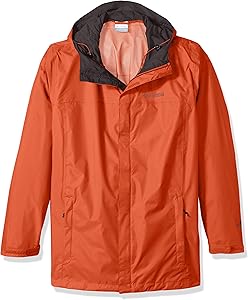
- Fabric: 100% waterproof nylon shell
- Technology: OMNI-SHIELD water and stain resistance
- Packable: Stuffs into hand pocket
- Fit: Elastic cuffs and hem for snug fit
The Columbia Watertight II is a straightforward, budget-friendly rain jacket that delivers dependable protection for everyday use. Its waterproof nylon shell combined with Omni-Shield helps repel rain and light dirt while remaining lightweight and easy to move in. Elastic cuffs, an abrasion-resistant chin guard, and an elastic hem make it a comfortable fit for commuting, hiking or traveling. The jacket stows into its hand pocket for compact storage, which is handy when you need to throw it into a daypack or luggage.
It won’t offer the long-term durability or the breathable sophistication of higher-end 3-layer shells, but for shoppers who want solid wet-weather coverage at a low price, the Watertight II hits the mark. It’s easy to wear, simple to maintain, and ideal for casual users who want a reliable rain barrier without extra technical bells and whistles.
- Pros: Very affordable; packs small; simple, reliable protection; lightweight.
- Cons: Less breathable than premium shells; basic features and shorter lifespan under heavy use.
See the Columbia Watertight II See the Women’s Arcadia II
6. Carhartt Rain Defender

- Treatment: Rain Defender durable water-repellent
- Wind Protection: Wind Fighter technology
- Fit: Rugged flex for mobility with mock-neck collar
- Closure: Center-front zipper with chin protector
Carhartt’s Rain Defender line focuses on practical, work-ready rain protection with an emphasis on durability and ease of movement. The Rain Defender DWR sheds moisture while Wind Fighter elements reduce wind chill on blustery days. Rugged Flex fabric adds stretch so you can bend and lift without restriction, and the mock-neck plus zipper chin protector provide extra comfort and protection under rain or drizzle. It’s a solid choice for workwear or for anyone who wants a tough, no-nonsense rain jacket.
The jacket’s styling is utilitarian rather than fashion-forward, but that’s part of its appeal: straightforward protection that stands up to daily wear. If you need a dependable rain layer for job sites, yard work, or general outdoor chores, this Carhartt option offers the practical features and rugged build many users appreciate. It’s not a technical mountaineering shell, but it’s comfortable, functional, and long-lasting.
- Pros: Durable DWR treatment; good wind resistance; comfortable stretch; designed for hard use.
- Cons: Heavier and less packable than ultralight shells; limited technical venting.
See the Carhartt Rain Defender
7. OTU Hooded Rain Jacket
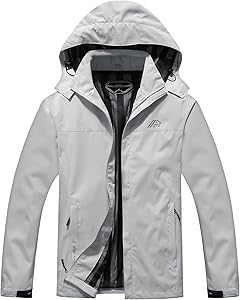
- Material: 100% polyester with mesh lining
- Waterproofing: Watertight IV technology
- Fit: Adjustable drawstring hood, drawcord hem, hook & loop cuffs
- Storage: 2 zippered hand pockets + 1 inner chest pocket
The OTU Hooded Rain Jacket is an affordable, utility-focused raincoat tailored for travel and outdoor recreation. Its Watertight IV shell and mesh lining make it comfortable for longer wear while providing reliable waterproofing and breathability for everyday activities. The adjustable, tuck-away hood and removable styling options give a bit of versatility, and the drawcord hem plus hook-and-loop cuffs help lock out drafts. Pocket configuration is sensible, with secure zippered hand pockets and an interior chest pocket for small valuables.
Lightweight and easy to fold into a pack, the OTU jacket is ideal for hikers, anglers, or travelers who want a dependable, low-cost rain layer that can handle sudden downpours. While it won’t replace a high-end three-layer shell for extended alpine use, it’s a practical, feature-rich choice for recreational outdoor use where value and functionality are priorities.
- Pros: Good waterproofing for the price; breathable mesh lining; adjustable features; compact packability.
- Cons: Less durable than premium gear; limited technical warranty and brand support.
See the OTU Hooded Rain Jacket
How to Choose Budget Hardshell Jackets
Finding a reliable hardshell jacket doesn’t have to drain your wallet. While premium shells can cost several hundred dollars, there are plenty of budget-friendly options that still deliver dependable waterproofing, wind resistance and general outdoor performance. The key is knowing what matters most, which features you can compromise on and how to evaluate construction quality within a lower price range. This guide breaks down exactly how to choose a budget hardshell jacket that fits your needs without sacrificing essential protection.
Understanding What a Hardshell Jacket Is
A hardshell jacket is designed to shield you from harsh weather—rain, snow, strong winds and sleet. Unlike softshells, which focus more on breathability and stretch, hardshells prioritize waterproofing and full wind resistance. In budget models, the technology might be more basic, but the fundamental purpose stays the same: keeping you dry and protected during outdoor activities.
How Budget Models Differ From Premium Models
More affordable shells usually rely on 2-layer or entry-level 3-layer membranes, simpler zippers, fewer adjustments and basic fabrics. Premium jackets often feature proprietary membranes such as Gore-Tex, advanced breathability, longer-lasting DWR coatings and reinforced high-wear areas. The goal in budget shopping is to focus on which features you truly need and which upgrades you can comfortably skip.
Key Features to Look For in Hardshell Jackets
Waterproofing and Breathability
Waterproofing is the most important factor. Look for ratings or technology descriptions such as polyurethane (PU) laminates, 2.5-layer membranes or even Gore-Tex alternatives. While numbers like “10,000 mm waterproof rating” can be helpful, real-world performance often depends on seam taping, construction and how well the jacket’s DWR coating holds up. Breathability ensures sweat can escape during hiking, biking or fast-paced movement. Even lower-cost shells should provide some level of moisture management, typically through pit zips, mesh linings or basic breathable membranes.
Construction and Durability
Inexpensive hardshells won’t be as tough as professional alpine shells, but durability still matters. Look for ripstop fabrics, reinforced elbows or shoulders and good seam construction. Multi-layer shells usually last longer than very thin 2-layer rain jackets. You should also check reviews to see how the jacket holds up after months of regular use, especially if you plan on wearing it for hiking or camping.
Zippers, Adjustments and Hood Design
Even inexpensive jackets should have a functional hood capable of tightening securely around your head. Fully adjustable hoods with brims offer better protection in heavy rain. Zippers also play a key role—water-resistant zippers or storm flaps help keep moisture out. Adjustable cuffs and drawcord hems are essential for sealing warmth and preventing wind from entering the jacket.
Packability and Weight
If you’re traveling or backpacking, choose a jacket that packs down small. Many lightweight shells can compress into their own pocket. However, extremely cheap jackets may feel bulky or stiff. Strike a balance between weight and durability based on your main use case.
Choosing the Right Hardshell for Your Activities
For Hiking and Backpacking
Look for breathable materials, ventilation options such as pit zips and a hood that adjusts well for different conditions. Weight becomes more important here, especially on longer trips. A 2.5-layer shell often works great for hikers on a budget, offering solid waterproofing without excessive bulk.
For Everyday Use and Travel
If you mainly need a jacket for commuting or travel, comfort and packability matter more than advanced performance. Simple 2-layer jackets with mesh linings are often sufficient. They’re easy to stow in a pack, lightweight and effective for sudden downpours.
For Snow Sports
Cheaper hardshells can work for skiing or snowboarding, but you’ll want to look for longer cuts, snow-specific features and good durability. While they may not offer the insulating performance of specialized snow jackets, they’re adequate when paired with proper base and midlayers.
How to Prioritize Features on a Budget
Non-Negotiables
- Reliable waterproofing
- Windproof construction
- Adjustable hood and cuffs
- Seam taping (critical or fully taped)
Nice-to-Have Features
- Pit zips for ventilation
- Water-resistant zippers
- Lightweight packable design
- Reinforced areas for durability
Features You Can Skip
- Multiple internal pockets
- Helmet-compatible hoods (unless needed)
- Premium branded membranes
- Technical alpine fits or extended articulation
Materials and Membranes You’ll See in Budget Jackets
Most affordable hardshells rely on polyurethane coatings or proprietary membranes instead of expensive technologies like Gore-Tex. Common options include PU laminate, 2-layer waterproof fabrics or recycled polyester shells with simple membranes. While these aren’t the most breathable systems, they hold up well in rain and wind, especially when paired with a functioning DWR coating.
DWR Coatings and Why They Matter
DWR (durable water repellent) helps water bead off the surface instead of soaking into the fabric. Cheapest jackets often lose their DWR faster, but reapplying treatment using sprays or wash-in products can restore performance. Maintaining DWR is key to extending the life of any shell, especially in the budget category.
Fit and Comfort: Don’t Overlook This
Fit determines how comfortable you feel when layering. A good shell should allow enough room for a fleece or light puffer underneath without looking baggy or restricting movement. Pay attention to sleeve length, hip coverage and mobility. Trying the jacket on with layers helps reveal pressure points or awkward pulling.
Mobility and Articulation
While premium shells include articulated elbows or gusseted underarms, budget models may skip these details. Still, you should check for general freedom of movement—especially if you’ll be scrambling, climbing or hiking steep terrain.
Price Expectations: What’s Reasonable?
Most quality budget hardshells range from $50 to $150. Below $50, you’re typically getting a simple rain jacket rather than a true hardshell with durable construction. Between $100 and $150, you’ll find well-rounded options with better waterproofing, stronger fabrics and useful features like pit zips. Deals, seasonal sales and outlet pricing can also help you find midrange shells at budget prices.
How to Evaluate a Jacket Before You Buy
Read Real-World Reviews
User reviews often reveal long-term performance issues that specs won’t mention, such as zipper failures, worn DWR coatings or poor seam sealing. Look for feedback from people using the jacket for similar activities to yours.
Check Return Policies and Warranty
Cheaper jackets sometimes have less durable construction, so choosing brands with decent return policies or warranties adds peace of mind. Outdoor retailers often offer generous guarantees compared to generic online sellers.
Test the Fit and Adjustability
Before committing, check how easily you can adjust the hood, cuffs and hem. Overly stiff fabrics or poorly placed toggles can make using the jacket frustrating during real-world weather.
Conclusion: Getting the Best Value
Choosing a budget hardshell jacket is all about balancing needs, features and realistic expectations. Focus on waterproofing, wind resistance and essential adjustments first. Then choose secondary features based on your activities, whether that’s hiking, travel or daily commuting. By prioritizing the right factors, maintaining DWR and selecting a jacket with reliable construction, you can enjoy dependable protection without spending a fortune. A well-chosen hardshell can last for years and keep you dry, comfortable and confident in unpredictable conditions.