
Best Budget Backpacking Packs of 2026
Looking for a backpack that won’t break the bank? You don’t need to spend a fortune to get a reliable, comfortable pack for your trips. The best budget backpacking bags offer solid support, smart storage, and real durability—all at a fair price. In this guide, we’ve rounded top-rated, wallet-friendly options that balance quality and value for beginner and casual hikers alike.
1. REI Co-op Trailmade 60

- Frame Type: Internal Frame (Spring steel)
- Gear Capacity: 60 liters (3,661 cu. in.)
- Weight: 3 lbs. 5 oz. to 3 lbs. 8 oz.
- Torso Fit Range: Adjustable 17-21 inches
The REI Co-op Trailmade 60 is an exceptionally well-organized pack designed specifically to simplify your wilderness adventures. Featuring an intuitive internal spring steel frame layout and an adjustable back panel, it seamlessly accommodates various torso lengths for a dialed-in fit. The specialized top and U-zipper access points make packing and retrieving your gear incredibly straightforward during transit.
Constructed with durable bluesign-approved recycled nylon and ripstop materials, this environment-friendly pack stands up well to trail abuse. It includes six exterior pockets alongside a dedicated sleeping bag compartment to keep your gear separated. While highly functional, it lacks an included raincover, meaning you must purchase separate weather protection for wet environments.
Pros
- Highly adjustable torso and hipbelt sizes
- Convenient top and U-zipper main access
- Eco-friendly bluesign-approved recycled materials
Cons
- Raincover is not included
- Slightly heavier than ultralight alternatives
See the REI Co-op Trailmade 60 See the Women’s Trailmade 60
2. Teton 75L Explorer
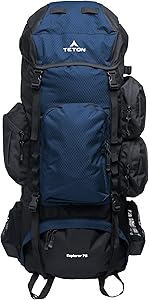
- Gear Capacity: 75 liters (Also in 65L/85L)
- Torso Adjustment: Multi-position adjustable
- Comfort Features: Open-cell foam lumbar pad
- Hydration Ready: Integrated hydration pocket
The Teton 75L Explorer provides a feature-rich experience at an accessible price point, making it an excellent value choice for backpackers. This durable pack is thoughtfully balanced to serve both men and women comfortably during extended stays in the backcountry. Its unique multi-position torso adjustment system ensures medium and tall adventurers can achieve an optimal fit.
Comfort is prioritized through a thick open-cell foam lumbar pad paired with molded airflow channels that minimize sweat buildup. The design incorporates multi-directional compression straps, spacious compartments, and a large separate sleeping bag pocket to optimize weight distribution. The heavy-duty build handles heavy gear loads effortlessly, though the total pack weight reflects its ruggedness.
Pros
- Excellent budget-friendly price point
- Comfortable lumbar padding and ventilation
- Huge 75L capacity with compression straps
Cons
- Heavy footprint for minimalist hikers
- Torso adjustments can feel bulky
3. Osprey Rook 65

- Frame Type: Internal Frame (Aluminum hoop)
- Gear Capacity: 65 liters (3,966 cu. in.)
- Weight: 3 lbs. 11.2 oz. (Standard)
- Raincover Included: Yes
The Osprey Rook 65 delivers a highly refined, comfortable carry suited for mountaineering expeditions and extended overnight trips alike. Built with a tough 600-denier recycled polyester fabric, this internal frame pack relies on a strong peripheral aluminum hoop stay. The highlight feature is its highly breathable suspended mesh back panel, which keeps the load off your spine.
An easily adjustable torso system allows the harness to shift smoothly to match lengths from 17 to 22 inches. Organization is supported by five exterior pockets, convenient hipbelt pockets, and a dedicated zippered sleeping bag compartment. Furthermore, the integrated removable raincover guarantees your gear stays completely dry during unexpected mountain downpours.
Pros
- Premium suspended mesh ventilation system
- Removable integrated raincover included
- Extremely durable 600D fabric construction
Cons
- Only offers traditional top pack access
- Heavy baseline weight compared to rivals
4. Teton 55L Scout
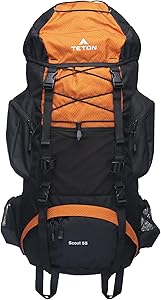
- Gear Capacity: 55 liters (Also in 45L/65L)
- Torso Fit: Customizable multi-position
- Back Support: Molded airflow channels
- Hydration Compatible: Yes
The Teton 55L Scout serves as a well-balanced, rugged option designed specifically for short-to-medium duration outdoor adventures. Offering high-tier features without a premium price tag, it is a versatile choice that accommodates both beginners and veteran trail enthusiasts. The adjustable torso mechanism shifts efficiently to fit a wide spectrum of body shapes securely.
To reduce physical fatigue, it utilizes a thick open-cell foam lumbar pad combined with S-shaped padded shoulder straps. Storage layout is incredibly well thought out, utilizing multi-directional compression straps alongside a designated lower compartment for sleeping bags. It provides ample external loops for clipping on extra tools, keeping everything firmly in place.
Pros
- Highly affordable and feature-dense
- Comfortable S-type padded shoulder straps
- Great external gear attachment options
Cons
- Heavy canvas feel can feel stiff
- Internal space fills up very rapidly
5. REI Co-op Flash 55

- Ultralight Classification: Yes
- Gear Capacity: 55 liters (Medium size)
- Weight: 2 lbs. 13 oz. (Medium)
- Bonus Feature: Removable daypack included
The REI Co-op Flash 55 stands out as an ultralight internal frame pack engineered for highly flexible trail configurations. Clocking in under three pounds, it uses an integrated spring steel suspension to safely stabilize varied loads over multi-day hikes. It boasts an astounding nine exterior pockets for unparalleled external organization while on the move.
Hikers can strip the pack down for minimalist overnighters or build it up for a grueling week-long trek. It features a completely modular design, including an innovative removable daypack for side excursions away from base camp. Its recycled ripstop nylon construction keeps weight low, though it skips out on incorporating an integrated raincover.
Pros
- Exceptionally lightweight ultralight profile
- Modular design with removable daypack
- Massive array of nine exterior pockets
Cons
- Lacks a built-in waterproof raincover
- Thinner ripstop material requires careful handling
See the REI Co-op Flash 55 See the Women’s Flash 55
6. Loowoko 50L Backpack

- Frame Type: No Internal Frame
- Weight: 2.1 lbs.
- Material: Tear-resistant polyester & nylon
- Rain Cover: Included in bottom pouch
The Loowoko 50L Backpack is a highly popular, frame-free daypack built from upgraded anti-scratch polyester and nylon fabric. Stripping away heavy internal frames allows this pack to achieve an ultralight footprint of just over two pounds. Airflow is managed through heavily padded, breathable mesh S-type shoulder straps that alleviate pressure points nicely.
Organization shines via six external pockets, a vast main storage zone, and a dedicated separate bottom shoe separator. It also includes plentiful compression straps and rugged attachment loops to secure tents, trekking poles, or ice axes externally. It comes complete with a waterproof rain cover, keeping your electronics secure during downpours.
Pros
- Extremely lightweight frameless architecture
- Dedicated bottom shoe separation pocket
- Included waterproof rain cover pouch
Cons
- Lack of frame reduces heavy-load support
- Can sag if packed unevenly
7. WoneNice 50L Backpack

- Gear Capacity: 50 liters
- Material: Water/tear-resistant polyester & nylon
- Straps: Adjustable chest & waist belts
- Inclusions: Backpack & waterproof rain cover
The WoneNice 50L Backpack focuses on smart internal classification to deliver a highly convenient, stress-free packing experience. Its clear layout features two zipped front pockets, a specialized sleeping bag compartment, and elasticized mesh side pockets. This configuration makes it easy to stow away tents, blankets, and cooking systems systematically.
Ergonomics are handled well by a high-elastic back support system combined with widened, thickened S-type shoulder straps for ventilation. The adjustable chest and waist belts allow hikers of all ages and genders to find a snug fit. While durable against scratches and moisture, its carrying capacity is best suited for shorter trips.
Pros
- Clear, highly classified internal storage layout
- Thickened ergonomic S-type shoulder padding
- Comes with a separate rain cover
Cons
- May feel small for multi-week trips
- Waist belt lacks integrated zippered pockets
8. Bseash 60L Backpack

- Frame Type: Frameless (No internal/external frame)
- Weight / Max Load: 2.1 lbs. / 33 lb. limit
- Adjustable Straps: 8 external gear straps
- Dimensions: 26.77 x 13 x 7.87 inches
The Bseash 60L Backpack delivers massive volume inside an ultralight, frameless body tailored specifically for weight-conscious travelers. Weighing a mere 2.1 pounds, it leaves plenty of room to maximize your airline carry-on allowance or trail load. It utilizes an ergonomic mesh back panel and sponge-padded shoulder straps to distribute pressure.
A unique drawstring closure seals the main compartment safely, while an isolated shoe pouch keeps dirty gear separate. External hauling is highly customizable thanks to eight adjustable straps designed to secure hammocks, tripods, or sleeping mats. It features ripstop polyester fabric and includes a rain cover, though it holds a strict weight ceiling.
Pros
- Extremely impressive volume-to-weight ratio
- Eight straps for extensive external hauling
- Integrated water bladder pouch and shoe pocket
Cons
- Strict maximum load limit of 33 lbs
- Frameless design transfers weight to shoulders
9. Esup 50L Hiking Backpack

- Gear Capacity: 50 liters
- Material Blend: High-quality tear polyester & nylon
- Comfort: Sponge-padded S-type shoulder straps
- Weather Protection: Rain cover included
The Esup 50L Hiking Backpack is a versatile multi-functional travel bag crafted perfectly for two-to-four-day outdoor adventures. Made with highly durable anti-scratch fabrics, it stands up well to thick brush and rough terrain. Fully adjustable straps ensure that users of varying builds can alter the overall tightness to match their preference.
The interior configuration keeps gear highly organized, using two zipped front pockets and a dedicated sleeping bag compartment. For user comfort, the high-elastic back support works in tandem with padded mesh shoulder straps to provide optimal trail ventilation. Additionally, an included rain cover prevents moisture from seeping into your packed gear.
Pros
- Highly adjustable straps for universal fitting
- Excellent abrasion and tear-resistant fabric
- Great storage option for weekend trips
Cons
- Heavy loads can strain the mesh padding
- Side pockets can feel tight when full
See the Esup 50L Hiking Backpack
10. Maelstrom 40L Backpack
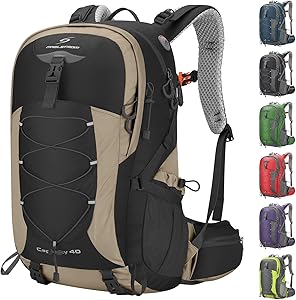
- Material: Rip-stop 210D nylon fabric
- Pocket Count: Roomy main + 7 specialized pockets
- Safety Feature: Survival whistle chest buckle
- Hydration Fix: Internal Velcro loop & pipe hole
The Maelstrom 40L Backpack packs a serious punch with its highly ergonomic, tech-friendly layout. Constructed from tough 210-denier ripstop nylon, it keeps your equipment protected while maintaining a lightweight profile. The design uses an adjustable hip belt and chest buckle to shift the pack weight directly onto your hips.
This backpack excels at micro-organization, offering a unique waterproof wet pocket within the main compartment to isolate damp clothing. It also incorporates specialized trekking stick cords, a handy headphone port, and dedicated hydration bladder ports. For added safety, the chest buckle doubles as an emergency survival whistle on the trail.
Pros
- Innovative waterproof wet/dry gear separation
- Built-in survival whistle and reflective signs
- Dedicated headphone and hydration hose routing
Cons
- 40L volume is too small for extended trips
- Shoulder padding may feel thin over time
See the Maelstrom 40L Backpack
How to Choose a Budget Backpacking Pack

Embarking on a backpacking journey is an exhilarating experience, but the initial cost of gear can feel intimidating. Among all your gear pieces, your backpack is one of the most critical investments you will make. It serves as your mobile home, carrying your shelter, sleep system, food, and clothing across miles of unpredictable terrain. Choosing a budget-friendly option does not mean you have to compromise on safety or essential comfort. With the right knowledge, you can find an affordable pack that performs beautifully on the trail without draining your savings. This guide will break down the essential factors to evaluate when selecting a cheap backpacking pack.
Understanding Capacity and Trip Length
The first step in choosing any backpack is determining the volume you need, which is measured in liters. Many beginners make the mistake of buying the largest pack available, assuming more space is always better. However, a larger pack usually weighs more and tempts you to overpack, which leads to physical fatigue on the trail. Budget backpacks are widely available across several volume ranges tailored to specific trip lengths.
Weekend Packs (30 to 50 Liters)
If you plan on spending one to two nights in the backcountry, a 30 to 50-liter pack is generally sufficient. These packs require you to maintain a disciplined, efficient gear list. They are excellent choices for summer backpacking when you do not need to carry bulky cold-weather apparel or heavy insulation gear.
Multi-Day Packs (50 to 70 Liters)
This is the most popular and versatile category for backpacking packs, making it the ideal sweet spot for budget shoppers. A 50 to 70-liter pack can easily handle three to five nights of gear. It provides enough physical room to store a traditional tent, a warm sleeping bag, multiple days of food, and extra layers without requiring ultra-expensive, highly compressible minimalist gear.
Extended Trip Packs (70 Liters or More)
Packs with a capacity of 70 liters or larger are designed for expeditions lasting a week or more, winter backpacking trips requiring heavy gear, or parents who are carrying gear for small children. Budget buyers should approach this category cautiously, as a massive pack built with budget materials can become exceptionally heavy before you even begin loading your personal gear.
Framed vs. Frameless Architecture
The suspension system of a pack dictates how effectively it transfers weight from your shoulders down to your stronger hip structure. When browsing budget options, you will primarily choose between internal frame models and frameless variants.
Internal Frame Packs
The vast majority of backpacking packs utilize an internal frame, typically constructed from aluminum stays or spring steel. The structural frame keeps the pack from sagging and transfers the heavy load efficiently to your hips. For budget conscious backpackers carrying traditional, heavier camping gear, an internal frame is highly recommended. It prevents the pack from warping and protects your back from being poked by poorly packed gear items.
Frameless Packs
Frameless packs lack any rigid internal structure, relying instead on your tightly packed gear (like a rolled sleeping pad) to provide rigidity. These packs are incredibly lightweight and highly affordable because they require fewer manufacturing components. However, they are only appropriate if your entire gear kit is already light and minimalist. Loading a budget frameless pack with more than 25 to 30 pounds will quickly lead to severe shoulder and lower back pain.
Evaluating Material and Durability
Cheaper packs manage lower price points by utilizing different fabric blends and manufacturing processes than premium brands. Understanding fabric density, measured in denier (D), will help you gauge how long a budget pack will survive rough trail use.
Many affordable backpacks use polyester or standard nylon blends. Nylon is inherently stronger and more abrasion-resistant than polyester of the same weight, making ripstop nylon an excellent find in a budget pack. Look for high denier counts (such as 200D to 600D) on the bottom panel and high-wear areas of the pack, as these zones face the most friction when you drop your bag onto rocky or root-filled ground. Ensure that the stitching around major stress points, like where the shoulder straps meet the pack body, is reinforced.
Key Features to Prioritize on a Budget
Premium packs often feature complex, proprietary suspension systems and a dozen fine-tuned adjustment points. When shopping on a budget, look for these practical, high-value features that offer the most functional impact per dollar spent.
Adjustable Torso Length
A pack that does not fit your torso properly will be uncomfortable, regardless of how much padding it has. Cheapest packs feature an adjustable harness system, often using a secure hook-and-loop or ladder system to move the shoulder straps up or down. This adjustability is a massive advantage for budget buyers, as it allows you to customize the fit precisely to your spine or share the pack with family members.
Pockets and External Organization
Good organization saves time and frustration at camp. Look for a pack that features dedicated water bottle pockets that you can easily reach while walking. Hipbelt pockets are incredibly valuable for storing small necessities like trail snacks, lip balm, or a smartphone. A dedicated lower sleeping bag compartment with its own zipper is another excellent feature, allowing you to deploy your sleep setup at night without unpacking everything else first.
Integrated Rain Cover
Purchasing an aftermarket waterproof pack cover can cost an extra twenty to thirty dollars. Finding a budget backpacking pack that includes a matching, integrated rain cover stowed away in a bottom pouch represents a fantastic cost savings. It ensures you are fully prepared for sudden downpours without making an additional purchase.
Tips for Trying on and Fitting Your Pack
Once you select an affordable pack, you must verify the fit before heading out into the wilderness. An inexpensive pack that fits flawlessly will always outperform an ill-fitting premium pack.
To test the pack accurately, load it with roughly 20 to 25 pounds of weight at home to simulate your actual gear list. Fasten the hipbelt first, ensuring it wraps comfortably around the top of your hip bones rather than your waistline. Next, pull the shoulder straps tight so they follow the natural contour of your shoulders without lifting the hipbelt. Finally, secure the chest buckle to pull the straps inward, freeing up your arms to swing naturally. Walk around your living space for fifteen to twenty minutes to look for any rubbing or hot spots.
Conclusion
Choosing a budget backpacking pack does not mean settling for a painful trail experience. By matching the pack volume to your actual gear size, choosing an internal frame for reliable weight distribution, and prioritizing critical adjustments like torso fitting, you can secure an excellent companion for the trail. Keep your focus on durability and basic comfort, save your hard-earned money, and enjoy the beautiful outdoors with absolute confidence.