
Best Overnight Hiking Backpacks of 2026
Looking for the perfect backpack for a night under the stars? The right pack makes all the difference, carrying your tent, food, and sleeping bag comfortably. With so many choices, it can be tricky to pick one. Our guide breaks down the best overnight hiking backpacks. We focus on fit, comfort, and features to help you find your ideal match for your next short adventure.
1. REI Co-op Flash 22

- Weight: 14 ounces
- Gear Capacity: 22 liters
- Frame Type: Frameless
- Material: 70-denier recycled ripstop nylon
The REI Co-op Flash 22 is a masterclass in minimalist design, offering a versatile solution for day hikers who value speed and lightness. Its frameless construction allows it to be incredibly compressible, making it an excellent secondary pack to stuff into a larger multi-day bag. Despite its simple silhouette, the pack includes thoughtful features like a removable back pad that doubles as a sit pad and a breezy mesh back panel to help manage moisture during strenuous ascents.
Storage is surprisingly efficient for a 22-liter bag, featuring a top-loading main compartment and four exterior pockets for quick-access items. The use of bluesign-approved recycled nylon reflects a commitment to sustainability without sacrificing durability. While it lacks a rigid structure for heavy loads, it excels as a summit pack or a light day-trip companion. The inclusion of a hipbelt and hydration compatibility ensures you stay stable and refreshed on the trail.
Pros: Extremely lightweight, versatile sit-pad feature, sustainable materials.
Cons: Minimal support for heavy loads, no included rain cover.
2. Teton Oasis/Trailrunner

- Hydration: 2-liter bladder included
- Capacity: 18L/22L storage options
- Shoulder Straps: High-density foam with mesh
- Special Feature: Sewn-in rain cover
The Teton Oasis is built specifically for those who prioritize hydration during high-energy activities like running or cycling. It comes equipped with a 2-liter leakproof water bladder featuring a large opening for ice and easy cleaning. The insulated bladder pocket is a standout addition, keeping your water cool for hours even under direct sunlight. This pack balances its hydration focus with organized storage, ensuring your essentials stay secure and accessible.
Comfort is addressed through an athletic cut and fully adjustable straps that cater to a wide range of body types. The pack includes weather-guarded zippers and a built-in rain cover, providing peace of mind when the clouds roll in. A bungee cord system on the exterior is perfect for stowing a helmet or a light jacket. While it is tailored for a low-profile fit, the storage capacity is generous enough for a full day of outdoor exploration.
Pros: Bladder included, insulated water pocket, integrated rain cover.
Cons: Narrower profile limits bulky gear, bite valve can be sensitive.
See the Teton Oasis/Trailrunner
3. Osprey Daylite

- Weight: 1 lb. 1 oz.
- Capacity: 13 liters
- Laptop Fit: 13-inch compartment
- Material: 300D recycled ripstop polyester
The Osprey Daylite is a quintessential day pack that bridges the gap between technical hiking gear and everyday utility. Its 13-liter capacity is intentionally compact, making it ideal for short local trails or as a carry-on for travel. The pack features a dedicated interior sleeve that can hold either a hydration reservoir or a 13-inch laptop, providing great versatility for commuters who also enjoy weekend getaways. The construction utilizes high-quality recycled fabrics for longevity.
Despite its small size, Osprey has not skimped on comfort, incorporating a foam framesheet with a mesh-covered back panel for ventilation. The hipbelt is removable, allowing you to streamline the pack when it is not fully loaded. While it lacks the volume for gear-heavy winter hikes, its simplicity and build quality make it a reliable companion for years of use. It easily attaches to several larger Osprey packs for use as a detachable day bag.
Pros: Durable construction, dual-use laptop/hydration sleeve, compact profile.
Cons: Small capacity for long days, side pockets can be tight.
4. HMG Elevate 22

- Material: Dyneema Composite Hybrid
- Weight: 1 lb. 1.7 oz. (Medium)
- Frame Type: Frameless
- Access: Top-loading
Hyperlite Mountain Gear’s Elevate 22 is a premium choice for the ultralight enthusiast who demands high performance from their equipment. Constructed primarily from Dyneema Composite Hybrid, this pack is exceptionally water-resistant and offers a strength-to-weight ratio that traditional nylon cannot match. The minimalist design focuses on durability and weather protection, making it a favorite for hikers tackling rugged terrain where weight savings are critical to maintaining speed and endurance.
The pack features a streamlined layout with a large main compartment and high-stretch Dyneema mesh exterior pockets for quick access to water bottles or wet gear. It comes in three distinct sizes to ensure a perfect torso fit, which is vital for a frameless pack to carry comfortably. Although it sits at a higher price point, the longevity and technical prowess of the materials justify the investment for serious adventurers. It is a specialized tool for the minimalist hiker.
Pros: Highly water-resistant, elite durability, superior weight-to-strength ratio.
Cons: High price point, minimalist features might not suit everyone.
5. Maelstrom Hiking Backpack

- Capacity: 40 liters
- Material: 210D rip-stop nylon
- Pockets: 9+ total compartments
- Safety: Survival whistle on chest buckle
The Maelstrom 40L backpack is a feature-rich option designed for those who need significant storage for full-day excursions or light overnight trips. It stands out with its multi-compartment design, including a specialized waterproof wet pocket in the main area to isolate damp clothing. The ergonomic back panel features thick padding and breathable mesh to help distribute the load comfortably across your back. It is a robust choice for hikers who prefer to stay organized.
Beyond its capacity, the pack includes thoughtful touches like a headphone port, trekking pole attachments, and a survival whistle integrated into the chest strap. The nylon fabric is both water and tear-resistant, and an additional rain cover is tucked away in a bottom pocket for heavy downpours. While it is larger than most daypacks, the adjustable straps and lightweight materials prevent it from feeling overly bulky during long treks through varying terrain.
Pros: Large 40L capacity, wet/dry separation pocket, included rain cover.
Cons: May be too large for short walks, complex pocket layout.
See the Maelstrom Hiking Backpack
6. Osprey Talon 22

- Frame Type: Internal (Aluminum peripheral hoop)
- Weight: 2 lbs. 6.1 oz.
- Access: Panel-loading
- Torso: Adjustable length
The Osprey Talon 22 is widely regarded as one of the most comfortable and stable daypacks on the market, thanks to its internal aluminum frame and AirScape back panel. Unlike many small packs, the Talon features an adjustable torso length, allowing users to fine-tune the fit for maximum weight distribution. This makes it an excellent choice for technical hikes where the pack needs to move with your body rather than swaying independently.
Functionality is key here, with zippered hipbelt pockets for snacks and a dedicated external hydration sleeve that makes refills easy without opening the main compartment. The panel-loading design provides wide access to your gear, while the LidLock helmet attachment adds utility for multi-sport enthusiasts. Though it is heavier than frameless alternatives, the superior carry comfort and rugged recycled nylon construction make it a top-tier performer for demanding trails.
Pros: Exceptional suspension system, adjustable torso, convenient hipbelt pockets.
Cons: Heavier than ultralight models, higher price than basic packs.
7. WATERFLY Small Backpack

- Capacity: 20 liters
- Weight: 10.2 ounces
- Storage: Foldable design
- Zippers: Durable SBS brand
The WATERFLY Small Backpack is the ultimate travel-friendly daypack, designed to fold into a compact pouch when not in use. Weighing in at just over 10 ounces, it is light enough to go unnoticed in a suitcase, yet it unfolds into a capable 20-liter pack for daily adventures. The use of recycled nylon and polyester linings provides a good balance of environmental consciousness and practical durability for casual hiking and city tours.
Organization is handled by a main pocket and two front pockets, allowing you to separate smaller items from your main gear. While it lacks the rigid support of a technical hiking pack, the padded shoulder straps offer enough comfort for light loads. This is an ideal choice for the traveler who needs an “extra” bag for souvenirs or a quick day trip without the bulk of a full-sized frame pack. It is versatile and highly portable.
Pros: Packs into itself, extremely lightweight, great for travel.
Cons: Lacks back ventilation, not suitable for heavy or sharp gear.
See the WATERFLY Small Backpack
8. REI Co-op Trail 25

- Capacity: 25 liters
- Weight: 1 lb. 13 oz.
- Frame: HDPE framesheet
- Raincover: Included
The REI Co-op Trail 25 is a sturdy, reliable workhorse designed for hikers who want a bit more structure without moving to a full internal frame. The HDPE framesheet provides a solid foundation that prevents gear from poking into your back while helping to distribute weight to the hipbelt. With a 25-liter capacity, it offers just enough extra room for a bulky fleece or extra water, making it a great “all-rounder” for various trail conditions.
Access is a highlight, featuring a hybrid top/panel loading system that allows you to reach items at the bottom of the bag without unloading everything. The pack is built with 210-denier ripstop nylon for excellent abrasion resistance and comes with an integrated rain cover for unexpected storms. It strikes a perfect balance between weight, durability, and price, making it a favorite for both beginners and experienced hikers who appreciate straightforward design.
Pros: Integrated rain cover, easy gear access, durable materials.
Cons: Non-adjustable torso, can feel stiff until broken in.
9. SKYSPER Small Hiking Backpack
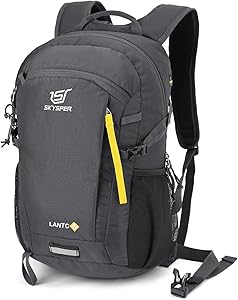
- Capacity: 20 liters
- Weight: 1.1 lbs.
- Material: 600D polyester and 210D nylon
- Safety: Anti-theft zippers
The SKYSPER 20L Hiking Backpack is a stylish yet functional option that focuses heavily on safety and ergonomics. It features a unique grooved carrying system on the back panel to promote airflow and reduce sweat during warm weather hikes. The high-density polyester and nylon blend ensures the pack is resistant to tears and light rain, while reinforced stress points enhance its overall longevity for frequent use on local trails or city streets.
Security is a key focus, with anti-theft zippers and an included emergency rescue guide for outdoor safety. The pack also includes convenient trekking pole fixtures and a safety whistle on the chest strap. Its compact size and removable straps make it highly adaptable for different environments, from commuting to short mountain treks. The combination of yellow webbing and contrasting embroidery gives it a modern look that stands out from more traditional hiking gear.
Pros: Breathable back design, anti-theft features, lightweight.
Cons: Limited capacity for gear-heavy trips, polyester is less durable than full nylon.
See the SKYSPER Small Hiking Backpack
10. IX INOXTO Hiking Backpack

- Hydration: 3L bladder included
- Frame: Steel frame support
- Dimensions: 20.4 x 11.8 x 5.9 inches
- Suspension: 3D touch system
The IX INOXTO Hiking Backpack is a powerhouse of features, highlighted by its high-capacity 3-liter hydration bladder and a rigid steel frame support system. The steel frame is a rare find in packs of this size, offering superior weight distribution that prevents muscle soreness during long climbs. The 3D touch suspension system creates a gap between the pack and your back, providing excellent ventilation and keeping you cool during high-intensity treks.
Storage is thoughtfully organized with multiple zippered compartments, including hip pockets for easy access and a specialized bottom pocket for shoes or dirty laundry. The pack is made of high-density polyester and comes with a free rain cover, ensuring all-weather reliability. Between the massive water capacity and the robust support system, this backpack is ideal for those tackling long, hot day hikes where carrying extra water and maintaining back comfort are the top priorities.
Pros: Large 3L bladder, steel frame for support, excellent ventilation.
Cons: Heavier than basic daypacks, hydration tube length is fixed.
See the IX INOXTO Hiking Backpack
How to Choose an Overnight Hiking Backpack
An overnight hiking backpack is your most critical piece of gear for any trip lasting one to three nights. It’s the vessel that carries your shelter, sleep system, food, and clothing, making the difference between a miserable slog and a comfortable, joyful adventure. Choosing the right one isn’t just about picking the biggest or most expensive pack; it’s about finding the perfect balance of fit, capacity, features, and durability for your specific needs. This guide will walk you through the key factors to consider, turning a potentially overwhelming decision into a straightforward process.
1. Determine the Right Capacity
Capacity, measured in liters, is the most logical starting point. For an overnight or weekend trip (1-3 nights), you generally don’t need a massive expedition-sized pack.
The Goldilocks Zone: 40-70 Liters
For most hikers, a backpack in the 40 to 70-liter range is ideal for overnight trips. This capacity provides enough space for a sleeping bag, tent, sleeping pad, cook kit, food, water, clothing, and essential personal items. Your exact needs will depend on a few variables:
- Season & Gear Bulk: Summer gear is typically more compact. A 40-50 liter pack might suffice. For winter or shoulder-season trips, you’ll have bulkier sleeping bags, insulated pads, and more clothing, pushing you toward 60-70 liters.
- Trip Length: While we’re focusing on overnights, consider if you might use this pack for slightly longer trips. A 55-65 liter pack offers great versatility.
- Your Gear Volume: If you invest in lightweight, compact gear (like a down sleeping bag and a minimalist tent), you can comfortably size down. Bulkier, more affordable gear requires more space.
Avoiding the Temptation to Overpack
Remember, a larger pack often leads to the temptation to fill it with unnecessary items, adding weight. Choose a capacity that fits your actual gear, not the other way around.
2. Fit and Comfort Are Non-Negotiable
A perfectly fitting pack feels like an extension of your body, not a burden on it. This is the single most important aspect of your purchase.
Torso Length is Key, Not Your Height
Backpacks are sized by torso length, not your overall height. To measure yours, feel for the bony bump at the base of your neck (the C7 vertebra). Tilt your head forward; it’s the most prominent bone. From there, follow your spine down to the iliac crest—the top of your hip bones. That distance is your torso length. Most packs come in Small, Medium, and Large ranges corresponding to specific torso measurements.
The Importance of Hip Belts
A properly fitted pack transfers 80% of its weight to your hips via the padded hip belt. The belt should sit snugly on top of your hip bones (iliac crest), not around your waist. When trying on a loaded pack, you should feel the weight primarily on your hips, not your shoulders.
Shoulder Straps and Load Lifters
The shoulder straps should contour comfortably without pinching. The load lifter straps (which connect the top of the pack to the shoulder straps) are crucial. When tightened at a 45-degree angle, they pull the weight of the pack closer to your body, improving balance and stability.
Try Before You Buy (If Possible)
If you can, visit a specialty outdoor retailer. Have an expert help you measure your torso and adjust a pack. Load it with weight (they often have sandbags) and walk around the store. Even 15 minutes with weight will reveal pressure points.
3. Essential Features and Design
Beyond fit and size, the design and features of a pack determine how functional and organized it will be on the trail.
Access: Top-Loader vs. Panel-Loader
Top-Loading Packs have a single opening at the top, often with a drawstring and lid. They are simple, lightweight, and weather-resistant, but accessing items at the bottom requires unpacking from the top.
Panel-Loading Packs (or front-loading) feature a zippered panel on the front (or side) that opens like a suitcase. They offer much easier access to all your gear without rummaging, but the zippers can be a potential failure point and are less weatherproof.
Many modern packs offer a hybrid design: primarily top-loading with a front “U-zip” or “J-zip” that allows you to access the main compartment from the front as well.
Pockets and Organization
- Lid/Pocket: The top lid often contains a zippered pocket perfect for small, frequently needed items like sunscreen, a headlamp, or snacks.
- Side Pockets: Typically stretchy mesh, ideal for water bottles or a wet rain jacket. Some are angled for easier access while walking.
- Hip Belt Pockets: Arguably the most useful feature! These small, zippered pockets on the hip belt give you instant access to your phone, camera, snacks, lip balm, or trail map without taking off your pack.
- Front Stretch Pocket: A large mesh pocket on the front of the pack is excellent for stashing a layer you might shed quickly, like a fleece or rain shell.
- Hydration Compatible: Most packs have a dedicated sleeve for a water bladder (2-3 liter capacity) and a port for the hose to route through the shoulder strap.
Suspension and Frame Type
For overnight loads, you need a pack with a robust internal frame. This is usually a set of aluminum stays or a plastic framesheet that provides structure and transfers weight. Ensure the suspension is adjustable (the shoulder straps often slide up/down) to fine-tune your torso fit.
4. Material, Weight, and Durability
These factors determine how long your pack will last and how it feels on your back.
Pack Fabrics: Denier and Coatings
Pack fabric is measured in denier (D), which indicates the thickness and strength of the yarn. A higher denier is more durable but slightly heavier.
- 100D-210D: Common for the main body of lightweight packs. It’s a good balance of weight and durability for typical trail use.
- 400D+: Used in high-wear areas like the bottom of the pack (where it scrapes on rocks) and side pockets. Look for reinforced bottoms.
Many packs also have a durable water repellent (DWR) coating to shed light rain, but remember: this is not waterproofing. Always use a pack liner (a heavy-duty trash compactor bag works perfectly) or a rain cover to keep your gear dry.
The Weight of the Pack Itself
Pack weight varies widely, from ultra-light models around 2 pounds to more feature-rich models around 5-6 pounds. Consider the trade-off: a lighter pack saves energy but may have fewer comfort features and organizational pockets. Choose a pack that supports your load comfortably; a slightly heavier pack with excellent suspension may feel better than a bare-bones pack that carries weight poorly.
5. Special Considerations and Final Tips
Gender-Specific Designs
Many brands offer women’s-specific packs. These are not just smaller sizes or different colors. They are designed around common differences in female anatomy, such as shorter torso lengths, narrower shoulders, and differently shaped hip belts and shoulder straps. If you are a woman, trying on both men’s/unisex and women’s models is highly recommended to find the best fit.
Ventilation
If you sweat heavily or hike in hot climates, consider a pack with a trampoline-style suspended mesh back panel. This creates an air gap between the pack and your back, significantly improving airflow and reducing sweat buildup.
The Fitting Checklist
- Measure Your Torso: Get your accurate torso length first.
- Load the Pack: Never judge a pack empty. Fill it with 20-30 pounds of weight.
- Adjust the Hip Belt: Position it on your hip bones and tighten.
- Secure Shoulder Straps: Snug, but not carrying significant weight.
- Tighten Load Lifters: Adjust to a 45-degree angle.
- Check Sternum Strap: It should rest comfortably across your chest.
- Walk and Move: Bend, twist, and climb stairs. The pack should move with you.
Choosing the right overnight hiking backpack is an investment in your future adventures. By methodically considering capacity, prioritizing fit above all else, selecting useful features, and understanding materials, you can find a pack that becomes a trusted companion on the trail. Take your time, do your research, and when in doubt, seek expert fitting advice. Your back—and your entire hiking experience—will thank you.