Best Waterproof Gaiters for Hiking of 2026
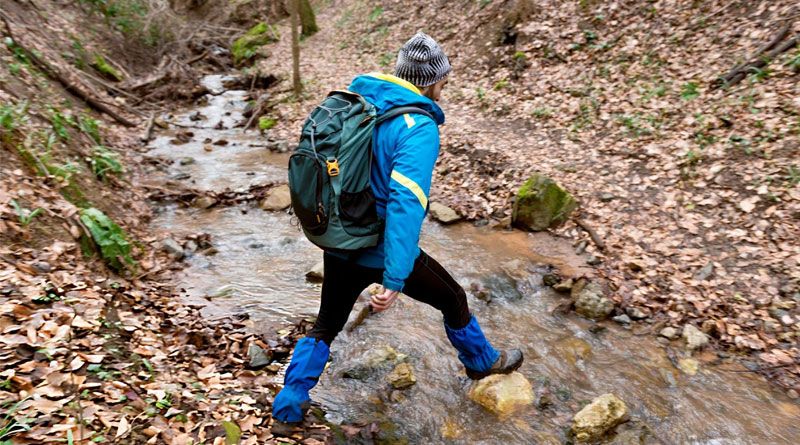
When you’re hiking through wet trails, deep snow, or loose scree, nothing spoils the adventure faster than soggy socks or boots full of gravel. Waterproof gaiters are the simple solution that keeps debris out and your feet comfortably dry. In this guide, we’ve rounded up the best options to help you choose a reliable pair for your next outdoor journey.
1. REI Co-op Traverse

- Material: 1,000-denier nylon lower and ripstop nylon upper
- Waterproofing: 3-layer waterproof/breathable laminate
- Height: Knee-high (14 to 16.75 inches)
- Weight: 9 ounces
The REI Co-op Traverse gaiters are engineered for serious backcountry excursions where deep snow and thick brush are expected. Featuring a rugged 1,000-denier nylon lower section, these gaiters are built to resist abrasions from ice and rocks. The upper portion utilizes a breathable three-layer laminate that prevents overheating while keeping moisture out, making them ideal for high-exertion winter sports.
These gaiters offer a precise fit with four different size options and a top circumference that adjusts up to nearly 19 inches in the largest size. The bluesign-approved materials ensure an environmentally conscious build without sacrificing performance. With integrated lace hooks and a secure underfoot strap, they stay perfectly positioned even when trekking through heavy mud or breaking trail in fresh powder.
Pros: Extremely durable lower fabric, excellent breathability, multiple size options.
Cons: Slightly heavier than minimalist trail models.
2. Pike Trail Leg Gaiters
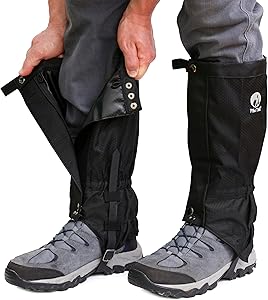
- Material: Puncture-resistant Nylon and Polyester blend
- Closure: 360-degree wraparound with adjustable straps
- Hardware: Rustproof stainless steel buckles
- Protection: Waterproof and puncture-resistant
Pike Trail Leg Gaiters are designed as a versatile, high-performance alternative to heavy waterproof boots. They provide a full 360-degree shield for the lower leg, protecting against everything from morning dew to nasty thorns and bug bites. The lightweight construction allows them to be worn comfortably over or under hiking pants, offering flexibility for various trail conditions and clothing layers.
One of the standout features is the inclusion of three rustproof stainless steel buckles which ensure the gaiters remain securely fastened during intense movement. The adjustable design makes them a one-size-fits-all solution for hikers seeking reliable protection without the bulk. Whether you are navigating a muddy trail or working in the yard, these gaiters keep your legs dry and your footwear debris-free.
Pros: Lightweight design, rustproof hardware, highly adjustable.
Cons: Not as breathable as technical laminates.
See the Pike Trail Leg Gaiters
3. REI Co-op Sahara

- Material: 1,000-denier bluesign nylon lower
- Waterproofing: 3-layer breathable laminate
- Height: Mid-calf (9.5 to 10.75 inches)
- Design: Integrated lace hooks for secure fit
The REI Co-op Sahara gaiters are the perfect middle ground for hikers who need protection but prefer a lower profile than traditional knee-high models. These mid-calf gaiters excel at keeping dirt, rocks, and light snow out of your boots during three-season treks. They share the same burly 1,000-denier nylon lower construction as the Traverse model, ensuring they can handle frequent scrapes and scuffs.
Despite their ruggedness, the Sahara gaiters are remarkably comfortable due to the 7% spandex blend in the upper fabric, which provides a slight stretch for better mobility. The three-layer laminate offers high-end waterproofing while allowing internal moisture to escape. These are an excellent choice for trail runners or hikers who frequently encounter scree fields or overgrown paths where a full-height gaiter would be overkill.
Pros: Compact mid-calf height, durable materials, great for debris.
Cons: Not tall enough for deep snow drifts.
4. Outdoor Research Crocodile

- Material: CORDURA 2-layer nylon foot panel
- Waterproofing: GORE-TEX 3-layer technology
- Weight: 7.5 ounces
- Height: 17.5 inches
The Outdoor Research Crocodile gaiters are a gold standard in the mountaineering world, specifically designed for remote alpine conditions. By utilizing GORE-TEX 3-layer technology, these gaiters provide absolute waterproof protection while maintaining the highest level of breathability possible. The lower panels are reinforced with CORDURA to protect against crampon snags and jagged rocks, making them incredibly resilient in harsh environments.
These gaiters are remarkably lightweight at just 7.5 ounces, yet they offer full knee-high coverage. The design includes a wide range of sizes up to XXL, accommodating large plastic mountaineering boots comfortably. With a focus on technical performance, the Crocodiles are built to endure years of abuse in the mountains, keeping your feet dry during stream crossings, deep snow slogs, and intense rainstorms.
Pros: Industry-leading GORE-TEX waterproofing, very lightweight, massive size range.
Cons: Higher price point than entry-level gear.
See the Outdoor Research Crocodile
5. Unigear Leg Gaiters

- Upper Material: Lightweight Taslon fabric
- Lower Material: 1000D abrasion-resistant Nylon
- Breathability: >8000/㎡/24hrs moisture permeability
- Strap: Thicken TPU cold-resistant instep strap
Unigear Leg Gaiters focus heavily on ergonomic comfort and technical moisture management. The upper section is crafted from Taslon, a material known for its high water vapor transmission rate, which ensures your legs stay dry from sweat even during strenuous climbs. The lower portion is reinforced with 1000D Nylon, providing a sturdy barrier against tears from thorns or sharp ice shards.
The design features several thoughtful upgrades, including a 5cm wide front Velcro closure for a more secure seal and an upgraded TPU instep strap that remains flexible in freezing temperatures. The gaiters are shaped to match the natural curve of the human ankle, which prevents the fabric from bunching and creates a tighter seal around the boot. They are a reliable choice for skiing, hunting, and winter hiking.
Pros: Excellent moisture management, thick TPU straps, ergonomic fit.
Cons: Velcro can collect debris over time.
6. Hikenture Hiking Gaiters

- Material: 600D Oxford cloth lower / 3-in-1 ripstop upper
- Closure: Smooth waterproof zipper
- Special Feature: Includes portable storage pouch
- Instep Strap: Reinforced TPU for icy terrain
The Hikenture Hiking Gaiters differentiate themselves by swapping traditional Velcro for a high-quality waterproof zipper. This design choice eliminates the issue of Velcro losing its grip when clogged with mud or snow, ensuring a consistent seal every time. The 600D Oxford cloth lower section is specifically chosen for its ability to withstand shrubs and heavy rain, while the upper fabric remains breathable.
These gaiters are built for convenience, featuring a stretchy PU fabric that hugs the calf to prevent slipping without the need for over-tightening. They are designed to pack down small into an included carrying pouch, making them easy to store in a side pocket when not in use. With three unisex sizes and an adjustable top closure, they provide a customized fit for nearly any outdoor enthusiast.
Pros: Waterproof zipper closure, stays in place well, includes storage bag.
Cons: Zipper can be harder to operate with thick gloves.
See the Hikenture Hiking Gaiters
7. Uponauot Waterproof Gators
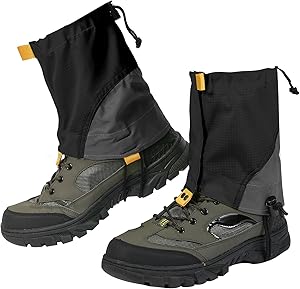
- Material: Tear-resistant lightweight polyester
- Weight: 2.4 ounces per pair
- Size: Single size fits most
- Use Case: Running, hunting, and light snow
For those who prioritize weight savings above all else, the Uponauot Waterproof Gaiters are a standout choice. Weighing in at only 2.4 ounces, these gaiters are so light you may forget you are wearing them. Made from water-resistant polyester, they offer a breathable and tear-resistant barrier against the elements. They are particularly well-suited for trail running and light hiking where mobility and speed are essential.
While they are minimalist, they do not compromise on security, utilizing a combination of a drawstring, front paste, and top elastic to keep the gaiter from sliding down during long treks. The single-size-fits-most design is highly adjustable, accommodating both men and women comfortably. They also come with a convenient storage bag, making them a perfect “just in case” item to keep in your daypack for unexpected weather changes.
Pros: Extremely lightweight, very affordable, easy to pack.
Cons: Less durable for heavy brush than thick nylon models.
See the Uponauot Waterproof Gators
8. Frelaxy Leg Gaiters

- Material: 900D Anti-Tear Oxford Fabric
- Waterproofing: 100% tested waterproof coating
- Closure: 2-inch wide Velcro opening
- Instep Strap: 3-layer high-abrasion rubber
The Frelaxy Leg Gaiters are built with a focus on maximum longevity and extreme weather protection. Constructed from 900D anti-tear Oxford fabric, these gaiters are significantly more durable than many competitors in the same price bracket. The manufacturer emphasizes a 100% waterproof rating, making them a reliable choice for snowshoeing and deep-woods hunting where moisture penetration is a constant threat.
A key highlight of this model is the upgraded rubber instep strap, which features three layers of high-abrasion material and a durable metal buckle to prevent loosening. The 2-inch wide Velcro opening runs the full length of the gaiter, allowing for quick adjustments and an easy entry even over bulky winter boots. With an adjustable top drawstring and an elastic middle band, they provide a very secure and stable fit.
Pros: Very high fabric density, robust rubber straps, secure fit.
Cons: Thicker fabric may feel stiff until broken in.
9. UNIQOCK Ankle Gaiters

- Material: High-density waterproof Oxford cloth
- Instep Strap: Heat and cold resistant TPU
- Care: Machine and hand washable
- Design: Adjustable high-density top elastic
The UNIQOCK Ankle Gaiters are designed for versatility across all four seasons, providing a breathable yet waterproof shield for your footwear. Made from high-density Oxford cloth, they effectively block snow, rain, and mud from entering your boots. The lace-up design is a unique feature that ensures the gaiter remains attached to your shoelaces without slipping, which is vital during steep climbs or descents.
These gaiters are highly durable, featuring reinforced sewing points and a TPU foot strap that can withstand both extreme heat and freezing temperatures. They are particularly easy to maintain as they are fully machine washable, allowing you to quickly clean off mud after a long day in the field. Lightweight and foldable, they serve as excellent companions for gardening, rock climbing, or crossing shallow rivers.
Pros: Easy to clean, durable TPU straps, breathable for summer.
Cons: Lower height offers less protection for the upper calf.
10. Budlgyexi 2PCS Gators
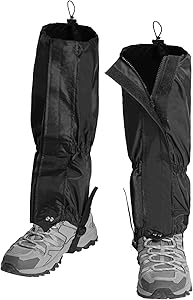
- Material: Durable polyester with TPU treatment
- Dimensions: 17.32 x 9.45 x 0.19 inches
- Closure: Triple system (Elastic, pin, and zipper)
- Fit: Loose ankle opening for easy wear
The Budlgyexi gaiters offer a unique triple-closure system that includes an elastic band, a pin, and a zipper to ensure the perfect fit every time. This design is particularly effective at solving the common problem of gaiters slipping down during active movement. Made from a durable polyester that is more resilient than standard hiking fabrics, these gaiters provide a solid barrier against water, mud, and insects.
Designed with a generous 17.32-inch height, they offer extensive coverage for the lower leg, making them ideal for tall grass and jungle environments. The loose ankle opening allows them to be slipped on quickly over various types of footwear, while the adjustable micro-tension strap at the top keeps them secure. They are a versatile and affordable option for those who transition frequently between garden work and wilderness trekking.
Pros: Multiple closure points, excellent height, budget-friendly.
Cons: Zipper and pin system can be slightly complex to align.
How to Choose Waterproof Gaiters for Hiking: The Ultimate Guide
For many hikers, gaiters are the “missing link” in their outdoor gear arsenal. You might have the best waterproof boots and high-end rain pants, but without a solid pair of gaiters, moisture, mud, and debris can still find a way into your footwear through the ankle collar. Choosing the right waterproof gaiters can be the difference between a comfortable trek and a soggy, blister-prone disaster.
Gaiters serve as a protective sleeve that covers the gap between your boots and your trousers. While they look simple, the technology behind them—ranging from GORE-TEX membranes to high-denier ballistic nylons—requires a bit of understanding to ensure you pick the right pair for your specific environment. This guide will walk you through everything you need to know about selecting the perfect pair of waterproof gaiters.
Understand the Primary Purpose of Gaiters
Before diving into technical specs, identify what you are trying to keep out. Not all gaiters are created equal, and their design often reflects their intended environment. Generally, gaiters fall into three functional categories: trail debris protection, mud and rain shielding, and heavy-duty snow or alpine use.
If you are hiking in the desert, you need breathability and sand protection. However, if you are trekking through the Pacific Northwest or snow-capped peaks, waterproofing becomes your absolute priority. Waterproof gaiters are specifically designed to shed external moisture while ideally allowing internal sweat vapor to escape.
Evaluating Gaiter Height
The height of the gaiter determines how much protection you get and how much heat you will retain. Choosing the wrong height can lead to either inadequate protection or unnecessary weight and sweating.
Over-the-Ankle Gaiters
These are low-profile gaiters, usually 5 to 8 inches tall. They are designed primarily for trail runners or summer hikers who want to keep pebbles, sand, and light morning dew out of their shoes. While some are waterproof, their low height means they won’t protect you in deep mud or heavy rain.
Mid-Calf Gaiters
Standing between 8 and 12 inches, mid-calf gaiters are the “sweet spot” for many hikers. They provide enough height to handle moderate mud and rain without the bulk of a full-knee gaiter. They are excellent for three-season hiking where you might encounter shallow stream crossings or wet undergrowth.
Knee-High Gaiters
These are the heavy hitters, usually 15 to 18 inches tall. They are essential for deep snow, bushwhacking through thick brush, and torrential downpours. If you are mountaineering or winter hiking, knee-high gaiters provide the maximum barrier against the elements and add a significant layer of warmth to your lower legs.
Waterproofing and Breathability Technologies
The “waterproof” label can be misleading if you don’t look at the fabric construction. When your legs work hard, they sweat. If your gaiters are 100% waterproof but 0% breathable, your socks will end up soaked from the inside out.
Three-Layer Laminates
High-quality gaiters, like the REI Traverse or Outdoor Research Crocodile, often use 3-layer waterproof/breathable membranes (like GORE-TEX). These membranes have microscopic pores that are small enough to block liquid water but large enough to let sweat vapor escape. This is the gold standard for high-exertion activities in wet weather.
Coated Fabrics
Budget-friendly gaiters often use polyurethane (PU) coated nylons or polyesters. These are effectively waterproof and very durable, but they offer little to no breathability. These are fine for short walks or stationary work like gardening, but for long-distance hiking, they may leave you feeling clammy.
Durability and Denier Ratings
The lower half of a gaiter takes a beating. It rubs against rocks, gets scraped by ice, and is occasionally struck by the opposite boot’s crampon or lugged sole. To withstand this, look for gaiters with high-denier reinforcements.
Denier (D) is a unit of measure for fabric thickness. A standard hiking shirt might be 50D, whereas a high-quality gaiter will have a 600D to 1000D lower section. Fabrics like Cordura or high-denier Oxford nylon are preferred for the “splash zone” near the boot to prevent tears and punctures.
Key Features to Look For
The effectiveness of a gaiter is often found in the small details of its construction. When comparing models, pay close attention to the following components:
Entry Systems
Most gaiters use a wide hook-and-loop (Velcro) strip down the front. This is easy to use even with gloves on. Some models use zippers, which provide a sleeker look and are more secure in deep mud, but they can be difficult to repair if they break in the field. A front-entry system is generally preferred over back-entry for ease of alignment.
Instep Straps
The strap that runs under your boot sole is what keeps the gaiter from riding up. Look for durable materials like reinforced TPU (Thermoplastic Polyurethane) or heavy-duty rubber. Avoid simple nylon cords, as they will fray and snap quickly on rocky terrain. Check that the buckle is low-profile so it doesn’t interfere with your stride.
Top Closures
To keep the gaiter from sliding down your calf, it needs a secure top closure. Common options include drawstrings with cord locks or cam-buckle straps. Cam-buckles are generally more secure and less likely to loosen over hours of walking compared to simple elastic toggles.
Lace Hooks
A small metal hook at the front of the gaiter attaches to your boot laces. This creates a tight seal over the tongue of the boot, preventing water from seeping in from the top of the foot. Ensure the hook is robust and downward-facing for the most secure attachment.
Getting the Right Fit
Sizing is critical. A gaiter that is too tight will be uncomfortable and may restrict circulation, while one that is too loose will sag and allow debris to enter. Most manufacturers provide a size chart based on boot size, but you should also consider your calf circumference.
When trying on gaiters, wear the boots and pants you plan to hike in. The gaiter should form a snug seal around the boot without any large gaps. The “snugness” should be adjustable so you can wear them over thin summer trousers or thick winter softshells.
Maintenance and Care Tips
To ensure your waterproof gaiters last for years, proper care is essential. Mud and salt can degrade waterproof membranes over time. After a messy hike, rinse your gaiters with fresh water and use a soft brush to remove caked-on dirt. Avoid machine drying them on high heat, as this can damage the waterproof coatings and melt synthetic straps. Instead, hang them to air dry completely before storing them in a cool, dry place.
Periodically, you may need to replenish the DWR (Durable Water Repellent) coating on the outer fabric. If water stops beading on the surface and starts soaking into the fabric, a quick treatment with a spray-on waterproofing agent will restore their performance.
Final Thoughts
Choosing the right waterproof gaiters requires balancing weight, breathability, and durability. For casual weekend hikes, a lightweight polyester gaiter with a TPU strap might be plenty. For serious mountain adventures, investing in a knee-high, GORE-TEX reinforced model is a smart move that will keep you on the trail longer.
By focusing on the height that matches your terrain and the materials that match your exertion level, you can find a pair that effectively “armors” your feet against the elements. Dry feet lead to fewer blisters, more miles, and a much happier hiking experience.