Best Budget 3-Person Tents of 2026
Looking for a roomy yet affordable tent for small groups? A 3-person tent gives you more space than a two-person model without breaking the bank. Whether you’re camping with friends or just want extra room for your gear, the right budget option keeps you dry, comfy, and stress-free. This guide breaks down the best cheap 3-person tents that are easy to set up, durable enough for weekend trips, and kind to your wallet.
1. The North Face Stormbreak 3

- Sleeping Capacity: 3-person
- Minimum Trail Weight: 5 lbs. 15 oz.
- Floor Dimensions: 88 x 65 inches
- Design Type: Freestanding
The North Face Stormbreak 3 is a quintessential choice for backpackers who value a balance between reliability and internal space. Its classic dome design is enhanced by two large doors that provide easy entry and exit without crawling over your campmates. The high-denier polyester taffeta canopy ensures durability, while the 46-inch peak height offers enough vertical space for most campers to sit up comfortably during a rainstorm.
Performance-wise, this tent excels in three-season conditions thanks to its robust four-pole design and high-quality PU-coated floor. While it is slightly heavier than some ultralight competitors, the peace of mind provided by its sturdy construction makes it a favorite for rugged trails. The large doors double as great viewing portals, allowing you to enjoy the landscape while remaining protected from the elements inside your shelter.
Pros: Double door access, excellent durability, spacious interior.
Cons: Footprint not included, slightly heavier trail weight.
See The North Face Stormbreak 3
2. Night Cat Cabin Tent

- Setup Time: Approximately 5 minutes
- Waterproof Rating: 3,000mm (210D Oxford)
- Pole Material: Fiberglass
- Capacity: 3 adults or family with children
The Night Cat Cabin Tent is specifically designed for campers who dread the traditional pole-and-sleeve assembly process. Utilizing an advanced spring mechanism, this tent can be deployed in about five minutes, making it an ideal solution for late-night arrivals at the campsite or families with active children. The spacious interior is wide enough to accommodate a queen-size air mattress, bridging the gap between a standard dome tent and a more comfortable cabin-style living space.
Protection is a high priority for this model, featuring a 210D durable Oxford fabric that boasts a 3,000mm waterproof rating. This ensures that even during a full day of moderate rain, the interior remains dry and odor-free. The combination of mesh windows and doors provides excellent ventilation, which is crucial for preventing condensation in a dome-style structure. It is a solid choice for casual car camping trips where convenience is king.
Pros: Instant setup mechanism, high waterproof rating, fits large mattresses.
Cons: Fiberglass poles are heavier, not suitable for high-altitude trekking.
3. Forceatt Tent 3

- Internal Dimensions: 225 x 185 x 120 cm
- Total Weight: 3.3 kg (approx. 7.2 lbs)
- Fabric: 70D polyester with 200T coating
- Zipper Type: No. 8 snag-free
The Forceatt Tent 3 offers a functional and space-saving solution for hikers who need a reliable shelter without a massive footprint. One of its standout features is the welded floor design, which significantly improves moisture protection by lifting the seams away from the wet ground. The interior is surprisingly roomy for its packed size, utilizing 70D polyester fiber to maintain a balance between weight and tear resistance during frequent use on the trail.
Ventilation is handled through a large upper mesh window and dual ceiling openings, which work together to create a chimney effect that pulls fresh air through the tent. This design is particularly effective at removing odors and preventing the chemical smell often found in budget-friendly synthetic tents. With a quick setup time of around three minutes, it is a practical companion for backpackers who want to spend more time exploring and less time wrestling with gear.
Pros: Welded floor prevents leaks, high breathability, compact packed size.
Cons: Slightly narrow for three large adults, generic brand aesthetics.
4. Clostnature Backpacking Tent

- Waterproof Rating: PU 5000 coating
- Minimum Trail Weight: 5.29 lbs
- Pole Material: Aluminum
- Packed Size: 16.5 x 6.3 x 6.3 inches
The Clostnature Backpacking Tent distinguishes itself with an impressive PU 5000 waterproof coating, which is significantly higher than many entry-level backpacking tents. This makes it an exceptional choice for those venturing into wet climates or areas prone to sudden downpours. The use of aluminum poles instead of fiberglass provides a much better strength-to-weight ratio, ensuring the tent remains stable in gusty winds while keeping the overall load light enough for long-distance trekking.
Design-wise, the tent features two D-shaped doors and two vestibules, which are essential for three-person occupancy. These vestibules offer dedicated storage space for muddy boots and heavy packs, keeping the sleeping area clean and uncluttered. The entire inner wall is constructed from mesh, providing maximum airflow during summer nights and making it a versatile option for various outdoor activities like kayaking, fishing, or traditional mountaineering where ventilation and weight are paramount.
Pros: Exceptional waterproof rating, lightweight aluminum poles, dual vestibules.
Cons: Mesh walls can be chilly in cold winds, stakes are basic.
See the Clostnature Backpacking Tent
5. Naturehike Cloud Up 3
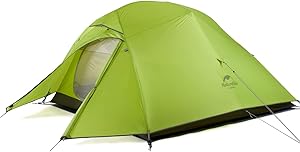
- Fabric: 20D Rip-stop Nylon / Polyester
- Total Weight: 5.07 lbs
- Waterproof Coating: PU 4000
- Hardware: YKK dual zippers
Naturehike’s Cloud Up 3 is widely regarded as one of the best options for minimalist backpackers who refuse to compromise on space. By utilizing 20D rip-stop fabric, the tent manages to stay incredibly light at just over five pounds while offering a full-coverage rainfly for complete weather protection. The inclusion of premium YKK zippers and factory-sealed seams demonstrates a level of quality control that rivals much more expensive brands in the outdoor industry.
The setup is intuitive and fast, typically taking a single person about five minutes to complete. Because of its lightweight structure and bathtub floor design, it performs exceptionally well in extreme weather, keeping occupants dry and protected from rising groundwater. For the hiker looking to shave ounces off their pack without spending a fortune, the Cloud Up 3 provides a spacious, high-performance environment that is well-suited for long-range backpacking adventures.
Pros: Ultra-lightweight for its size, premium YKK hardware, lifetime limited warranty.
Cons: Thin 20D fabric requires careful handling, front-entry only.
6. Purebox Tent

- Interior Space: 84 x 84 x 51 inches
- Waterproof Rating: 2500MM PU
- Weight: 6 lbs
- Fabric: 210D Polyester
The Purebox Tent focuses on “true” interior space, providing a square footprint that allows for a more flexible sleeping arrangement compared to tapered backpacking models. This makes it a great choice for couples or pet owners who need extra room for a dog to curl up at night. The 51-inch peak height is notably generous, giving the tent an airy feel that is perfect for stargazing when the removable rainfly is detached to reveal the mesh ceiling.
Safety and comfort are integrated into the design via smooth fiberglass poles that are finished to prevent splinters, a common issue with cheaper fiberglass sets. The 210D polyester fabric provides a sturdy barrier against morning dew and light rain, while the mesh windows keep the interior fresh and insect-free. It is an approachable, easy-to-carry option for weekend warriors who want a stress-free setup and a comfortable night’s sleep without technical complexity.
Pros: Generous vertical head room, splinter-free poles, great for pet owners.
Cons: Square shape is less aerodynamic in high winds, heavier than trek-specific tents.
7. Coleman Sundome 3
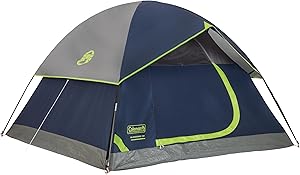
- Setup System: Snag-free continuous pole sleeves
- Technology: WeatherTec system (welded corners)
- Fabric Type: Polyguard durable fabric
- Capacity: 1 queen-size airbed
The Coleman Sundome 3 remains a staple in the camping world due to its incredible ease of use and legendary WeatherTec system. The patented welded corners and inverted seams are specifically designed to keep water out, providing a dry sanctuary even when the weather takes a turn for the worse. Its dome shape is supported by the Insta-Clip pole attachments, allowing even novice campers to have the structure fully assembled in roughly ten minutes.
Ventilation is a core strength of the Sundome, featuring large windows and a specialized ground vent that encourages cool air to enter while pushing warm air out through the top. This airflow management makes it one of the most comfortable tents for summer camping. Built with tough Polyguard fabric, this tent is designed to withstand multiple seasons of use, making it a reliable and cost-effective choice for families and festival-goers alike.
Pros: Highly affordable, superior airflow/ventilation, very easy for beginners.
Cons: Bulky when packed, limited storage vestibule space.
The Ultimate Guide to Choosing Budget 3-Person Tents
Selecting a tent is often the most significant decision a camper makes. While high-end shelters can cost upwards of $500, the budget market has evolved significantly, offering durable and functional options for a fraction of that price. A 3-person tent is widely considered the “Goldilocks” size of the camping world. It offers enough room for two people to live luxuriously with gear, or three people to sleep snugly. This guide explores the critical factors you need to consider when navigating the world of affordable outdoor shelters.
Understanding Your Camping Style
Before looking at price tags, you must define how you intend to use the tent. Not all inexpensive tents are created equal, and a model designed for a backyard sleepover will fail miserably on a wind-swept ridge.
Car Camping vs. Backpacking
In the budget category, weight is the primary differentiator. Budget car camping tents often use heavy fabrics and fiberglass poles, making them bulky but spacious. Budget backpacking tents attempt to use thinner polyesters and aluminum poles to keep the weight under seven pounds. If you are only walking twenty feet from your trunk to the campsite, prioritize interior height and floor space. If you are carrying the tent on your back, every ounce matters.
Key Technical Specifications to Evaluate
When shopping on a budget, manufacturers often use technical jargon to mask lower-quality materials. Knowing what these terms actually mean will help you spot a diamond in the rough.
Waterproof Ratings and Fabric Denier
The “Denier” (D) refers to the thickness of the fabric threads. A 75D fabric is thicker and more durable than a 20D fabric, though heavier. For a budget tent, look for a rainfly with at least a 1,200mm to 3,000mm waterproof rating. This measurement indicates the height of a water column the fabric can withstand before leaking. High-quality budget tents will also feature factory-taped seams, which prevent water from seeping through the needle holes where the fabric was sewn together.
Pole Materials: Fiberglass vs. Aluminum
Most entry-level budget tents use fiberglass poles. They are inexpensive but heavy and prone to shattering under high stress. If your budget allows, look for aluminum poles. They are lighter, more flexible, and significantly more durable in high winds. If you must go with fiberglass, ensure the poles are “wrapped” or reinforced to prevent splintering.
Livability: More Than Just Square Footage
A tent might have a large floor area but feel cramped due to the “peak height” and wall angle. When choosing a 3-person model, look at the architecture.
Peak Height and Interior Volume
Peak height tells you the tallest point of the tent, but it doesn’t tell you if you can sit up near the walls. Simple “A-frame” or steep-angled dome tents lose a lot of usable space. Look for tents with “brow poles” or pre-bent poles that pull the walls outward, creating more vertical space. This allows three people to sit up and change clothes without bumping heads.
The Importance of Vestibules
In a 3-person tent, space is at a premium. A vestibule—the “porch” created by the rainfly extending past the tent body—is essential. It provides a dry place to store muddy boots and wet backpacks, keeping the sleeping area clean and maximizing the internal square footage for people rather than gear.
Ventilation and Condensation Management
One of the biggest complaints with budget tents is “leaking,” which is often actually condensation. When you breathe, you release moisture. In a poorly ventilated tent, this moisture hits the cold rainfly and drips back down on you.
Double-Wall Construction
Always opt for a double-wall tent (a mesh inner tent with a separate waterproof rainfly). This design allows air to circulate between the two layers, carrying moisture away. Avoid “single-wall” budget tents, as they often lack the sophisticated venting required to prevent interior rain.
High-Low Venting
Look for tents with adjustable vents in the rainfly and mesh panels in the tent body. Proper airflow moves from the ground up through the top vents, ensuring a comfortable night’s sleep even in humid conditions.
Ease of Setup and Durability
A budget tent shouldn’t be a puzzle. Look for features that make assembly intuitive, especially if you are arriving at a campsite after dark.
Color-Coded Poles and Clips
Many modern budget tents use color-coded poles and grommets. If the blue pole goes in the blue tab, you can’t get it wrong. Additionally, tents that use clips to attach the body to the poles are much easier to set up than those that require you to thread poles through long fabric sleeves.
Floor Durability and Footprints
The floor is the most abused part of a tent. Look for a “bathtub floor,” where the waterproof material wraps several inches up the sides of the tent. This prevents splashes and standing water from entering. Since budget tent floors can be thin, consider buying a footprint (a custom-sized ground cloth) or a cheap tarp to protect the bottom from rocks and roots.
Conclusion: Finding the Balance
Choosing a budget 3-person tent is about compromise. You will likely have to choose between a light weight for backpacking or a high ceiling for comfort. However, by focusing on waterproof ratings, pole material, and ventilation, you can find a reliable shelter that will last for years. Brands like Coleman, Naturehike, and The North Face offer entry-level models that prove you don’t need to spend a fortune to enjoy the great outdoors safely and comfortably.
Remember to always “season” your tent before your first trip: set it up in your yard and spray it with a hose to check for leaks and to familiarize yourself with the assembly process. Happy camping!