Best Budget 6-Person Tents of 2026
Looking for a big tent that won’t break the bank? You don’t need to spend a fortune to fit six people comfortably. This guide rounds up the best budget 6-person tents that are easy to set up, keep rain out, and give everyone enough room to sleep. Whether you’re camping with family or friends, these affordable options prove that cheap can still mean cheerful.
1. Coleman Skydome 6

- Floor Area: 125 square feet
- Peak Height: 72 inches
- Technology: Dark Room coating
- Design: Freestanding with screen room
The Coleman Skydome 6 is a standout choice for campers who value sleep quality. Its signature Dark Room technology is remarkably effective, blocking out a significant portion of sunlight so you can sleep comfortably well past dawn. This makes it ideal for families with young children or late sleepers who want to avoid the early morning greenhouse effect common in standard tents.
Beyond its light-blocking capabilities, the tent features a built-in screen room that offers a bug-free zone for relaxation. The Skydome design provides more headroom than traditional domes, making the interior feel cavernous. With a quick setup time and a massive floor area, it serves as a reliable and spacious basecamp for three-season adventures.
Pros: Dark Room technology blocks 90% of sunlight; spacious screen room; extra-wide door design.
Cons: Relatively heavy at over 21 lbs; screen room lacks a floor.
2. UNP Tents 6 Person

- Center Height: 78 inches
- Dimensions: 10 x 9 feet
- Pole Material: Steel leg poles
- Ventilation: 5 mesh windows
This UNP 6-person family tent is designed with verticality in mind, offering a generous 78-inch center height that allows most campers to stand upright comfortably while changing. The structure is reinforced by four steel leg poles, creating a stable, rectangular frame that feels more like a cabin than a cramped shelter. It is spacious enough to accommodate two queen air mattresses with ease.
Ventilation is a core strength of this model, featuring a mesh top and five large windows that promote excellent airflow. Setup is surprisingly efficient for its size, with the ability for a single person to pitch it in about ten minutes. It is an excellent budget-friendly option for car camping where interior volume and breathability are the top priorities.
Pros: High ceiling allows standing; easy 5-minute setup for two people; excellent panoramic views.
Cons: Fiberglass roof poles are less durable than steel legs; bulky when packed.
3. Coleman Sundome 6
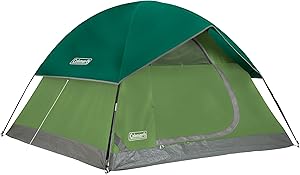
- Weather Protection: WeatherTec system
- Wind Rating: Up to 35 mph
- Floor Size: 10 x 10 feet
- Special Features: Integrated E-Port
The Coleman Sundome 6 is a classic dome tent that focuses on reliable weather protection at an accessible price point. Utilizing the proprietary WeatherTec system, it features tub-like floors and patented corner welds to keep moisture out during rainstorms. The frame is surprisingly sturdy for a value tent, having been tested to withstand significant wind speeds without collapsing.
Internal organization is made easy with several gear pockets and an E-Port that allows you to run an extension cord inside for power. Dual awnings over the front door and back window provide extra coverage against light rain while still allowing for airflow. It is a no-frills, dependable workhorse for weekend warriors who need a straightforward setup and a dry night’s sleep.
Pros: Highly affordable; quick setup with snag-free sleeves; effective ground vent for airflow.
Cons: Single door can be inconvenient for six people; limited vestibule space for gear.
4. Kelty Wireless 6

- Vestibule Space: 39 square feet total
- Doors: 2 large doors
- Weight: 19 lbs packaged
- Fabric: 68D polyester with 1,200mm coating
The Kelty Wireless 6 is engineered to eliminate the stress typically associated with camping. Featuring Kelty Quick Corners, the pole ends stay securely in place during setup, allowing one person to pitch the tent rapidly. The inclusion of two large doors and two massive vestibules ensures that everyone has their own entrance and plenty of dry storage space for boots and bags.
Packing up is just as easy as the setup thanks to the Shark Mouth duffel bag, which features an oversized opening to prevent the usual struggle of stuffing a tent into a tiny sack. The no-see-um mesh canopy provides great ventilation and stargazing opportunities when the rainfly is off. It strikes an excellent balance between technical quality and user-friendly design.
Pros: Dual vestibules offer massive storage; easy-to-pack duffel; freestanding convenience.
Cons: Fiberglass poles are heavier than aluminum; floor area is slightly smaller than competitors.
5. REI Co-op Wonderland 6

- Poles: 5 high-grade aluminum poles
- Peak Height: 78 inches
- Interior: 2-room divider
- Fabric: 150D heavy-duty floor
The REI Wonderland 6 is designed to be a premium “home base” for extended camping trips. It utilizes a sophisticated 5-pole aluminum structure that creates nearly vertical walls, maximizing the usable living space inside. A removable internal divider allows you to split the tent into two separate rooms, providing essential privacy for families or groups of friends.
Massive awnings over the doors provide shaded areas and weather protection, while the 360-degree views make you feel connected to the outdoors. The materials are top-tier, including a heavy-duty 150-denier floor that resists punctures and leaks. While it comes at a higher price point, the durability and specialized architectural design make it a luxury experience for car camping enthusiasts.
Pros: Premium aluminum poles; vertical walls for maximum room; excellent privacy divider.
Cons: No dedicated vestibule for external storage; expensive compared to entry-level brands.
See the REI Co-op Wonderland 6
6. Kelty Discovery Basecamp 6

- Weight: 13 lbs 14 oz packaged
- Packed Size: 23 x 7 x 7 inches
- Design: Simple 2-pole setup
- Peak Height: 68 inches
If portability is a major factor in your decision, the Kelty Discovery Basecamp 6 is one of the lightest 6-person tents available. Weighing under 14 pounds, it is significantly easier to transport than many of its counterparts. The design is refreshingly simple, utilizing a classic X-pole structure that can be assembled in minutes without consulting a manual.
The tent features a full-coverage rainfly that provides reliable protection against the elements, and the no-see-um mesh panels ensure you stay cool without inviting bugs inside. While it has a slightly lower peak height than cabin-style tents, the floor dimensions remain generous. It is the perfect choice for those who want Kelty quality in a lightweight, streamlined package.
Pros: Exceptionally lightweight for its capacity; compact packed size; very affordable Kelty entry.
Cons: Lower peak height than others; only one door for six people.
See the Kelty Discovery Basecamp 6
7. Happy Travel Tent 6 Person

- Waterproof Rating: 3000mm PU coating
- Center Height: 79 inches
- Poles: 19mm thick metal poles
- Packed Size: 17.5 x 8.6 inches
The Happy Travel 6-person tent offers an impressive combination of height and weather resistance. With a 79-inch center height, it is one of the tallest tents in its class, ensuring that even tall adults can stand comfortably. The fabric is treated with a high 3000mm waterproof coating, providing peace of mind during heavy rain that might penetrate lower-rated budget tents.
Despite its tall cabin profile, the tent remains quite portable, folding down into a very compact carrying case. It features an electrical access port and upgraded double-end zippers for smooth operation. Five large windows and a mesh ceiling provide excellent ventilation, making it a great choice for hot summer nights when you want to maximize airflow or stargaze from your bed.
Pros: Very high waterproof rating; extremely compact when packed; tall enough for king beds.
Cons: Requires two people for the fastest setup; off-brand long-term durability is less proven.
See the Happy Travel Tent 6 Person
8. Coleman Skylodge 6

- Setup Time: 60 seconds
- Floor Dimensions: 120 x 108 inches
- Weight: 24 lbs 4.8 oz
- Poles: Telescoping pre-attached
For those who loathe the complexity of tent poles, the Coleman Skylodge 6 Instant Tent is a game-changer. The telescoping poles come pre-attached to the tent body, allowing for a complete setup in approximately one minute. This “instant” design is perfect for late arrivals at the campsite or for beginners who want a foolproof camping experience.
Inside, the tent offers a roomy 90 square feet of floor space and two doors, which significantly improves traffic flow for a group of six. While it is on the heavier side due to the integrated steel and fiberglass frame, the convenience it offers is unmatched. It is built to be a sturdy, reliable shelter that prioritizes getting you into your sleeping bag as fast as possible.
Pros: Incredibly fast setup; two doors for easy entry; very stable frame.
Cons: Very heavy to carry; long packed length (46 inches) can be hard to fit in small trunks.
9. Kelty Daydreamer 6P

- Rainfly Coating: 5,000mm Twilight Tech
- Peak Height: 77 inches
- Vestibule: 26.7 square feet
- Floor Fabric: 75D polyester 3,000mm
The Kelty Daydreamer 6P is specifically engineered for those who value privacy and sleep. It features Twilight Tech fabric on the rainfly, which blocks out light to create a dark interior environment even during high noon. Coupled with an impressive 5,000mm waterproof rating on the fly, this tent is built to handle both bright sun and heavy tropical downpours with ease.
The interior is spacious with a 77-inch peak height, and the 2-pole design keeps the weight manageable. A large vestibule provides a dedicated space for muddy gear, keeping the sleeping area clean. Whether you are taking an afternoon nap or hiding from a storm, the Daydreamer provides a high-quality, darkened sanctuary that outclasses most standard recreational tents.
Pros: Exceptional waterproof ratings; light-blocking fabric for better sleep; large gear vestibule.
Cons: Only one door for a 6-person capacity; darker interior can get hot without the fly off.
10. Caddis Rapid 6

- Center Height: 80 inches
- Floor Area: 100 square feet
- Pole Material: 21mm Steel
- Fabric: 190D and 210D polyester
The Caddis Rapid 6 is a powerhouse of interior space and structural integrity. Featuring the highest peak height on this list at 80 inches, it offers a truly cavernous feel that allows for complete freedom of movement. The heavy-duty 21mm steel poles and thick 210-denier polyester floor are built to withstand the rigors of frequent camping trips and rougher terrain.
As part of the Rapid series, it is designed for a quick setup despite its heavy-duty materials. The single-room layout is massive, providing a perfect environment for hosting guests or spreading out gear. This tent is best suited for those who prioritize a “cabin” feel and long-term durability over weight and portability, making it a fantastic stationary basecamp.
Pros: Massive 80-inch peak height; heavy-duty steel frame; very durable floor material.
Cons: The heaviest tent at 25.5 lbs; large packed size requires significant storage space.
11. Amazon Basics Camping Tent

- Style: Free-standing dome
- Setup Time: Under 6 minutes
- Center Height: 72 inches
- Water Resistance: Welded seams
The Amazon Basics Camping Tent is the quintessential entry-level shelter for casual campers. It follows a traditional dome-style design that is inherently stable and easy to pitch using shock-corded poles. With a 10×10 foot footprint, it comfortably fits six adults or several air mattresses, making it a practical choice for backyard campouts or fair-weather trips.
While it is a budget model, it includes thoughtful features like a cool-air port for improved ventilation and an interior mesh pocket for small essentials. The rainfly is removable for better airflow and includes a back window. It is a straightforward, functional tent that delivers the basics without any unnecessary complications, perfect for those just starting their camping journey.
Pros: Very affordable; lightweight for its size; simple and intuitive assembly.
Cons: Not suitable for heavy storms or high winds; lower-grade zippers may snag.
See the Amazon Basics Camping Tent
12. FanttikOutdoor Camping Tent

- Setup: 60-second instant setup
- Wind Resistance: Rated for 35 MPH
- Material: Carbon structural steel frame
- Features: SBS zippers and E-port
The FanttikOutdoor 6-person tent combines the speed of an instant tent with high-quality components. It features a carbon structural steel frame that is both sturdy and relatively light, allowing for a 60-second setup. The use of premium SBS zippers and high-quality B3 mesh ensures a smoother user experience and better longevity than many other instant tents on the market.
Weather protection is a priority here, with a bathtub-style floor and drainage channels on the zippers to prevent leaks. The tent provides 360-degree ventilation with mesh windows on all four sides and a ceiling mesh for stargazing. It strikes a great middle ground between the heavy-duty cabin tents and the lightweight domes, offering modern features like a power cord entrance.
Pros: High-quality SBS zippers; sturdy carbon steel frame; effective floor-level ventilation.
Cons: 66-inch height is lower than other cabin tents; inner mesh top requires the fly for rain.
See the FanttikOutdoor Camping Tent
How to Choose Budget 6-Person Tents for Family Adventures
Selecting a 6-person tent on a budget is a balancing act between cost, comfort, and durability. Whether you are planning a weekend getaway at a local state park or a week-long stay in the wilderness, your tent is your primary sanctuary. For a group of six—or more realistically, a family of four with gear—space and weather protection are non-negotiable. However, “budget” doesn’t have to mean “low quality.” Modern manufacturing has allowed entry-level tents to incorporate features once reserved for high-end expedition gear.
Understanding Your Camping Style
Before looking at spec sheets, you must define how you plan to use the tent. Not all inexpensive tents are created equal, and their designs often cater to specific environments. Are you a “fair-weather” camper who only heads out when the forecast is clear, or do you need something that can withstand a surprise April shower? Understanding your style helps you prioritize features like ventilation versus waterproof ratings.
Car Camping vs. Short Treks
Most 6-person tents are designed for car camping. Because they usually weigh between 15 and 30 pounds, they aren’t meant to be carried in a backpack for miles. If your campsite is right next to your trunk, you can prioritize a heavy, steel-poled cabin tent that offers maximum headroom. If you have to hike a short distance to a secluded spot, a lighter dome-style tent with fiberglass or aluminum poles will be much more manageable.
Key Factors in Tent Geometry
The shape of your tent dictates how much “livable” space you actually have. In the world of 6-person tents, there are two primary silhouettes: the Dome and the Cabin.
The Classic Dome
Dome tents are the most common budget option. They usually feature two or three poles that cross in the center. These are excellent for shedding wind and rain because of their sloped sides. The downside is that the sloped walls eat into your standing room. While the center might be 72 inches high, you will only be able to stand upright in that one specific spot.
The Cabin Tent
Cabin tents have near-vertical walls and are often much taller. These are ideal for families because they allow everyone to walk around freely and maximize the floor space for cots or high-profile air mattresses. However, their tall, flat sides act like a sail in high winds, so they require much more careful staking and guying than a dome tent.
Materials and Durability
When shopping on a budget, manufacturers often save money on materials. You need to know which shortcuts are acceptable and which are deal-breakers. Most affordable tents use polyester for the canopy and rainfly, measured in “Denier” (D). A higher denier means thicker, more durable fabric.
Pole Materials: Fiberglass vs. Steel
Fiberglass is the standard for budget tents. It is lightweight and inexpensive but can shatter under extreme stress or over many years of UV exposure. Steel poles are much heavier and usually found in cabin-style tents. They offer immense stability but add significant weight to the carrying bag. If you can find a budget tent with aluminum poles, grab it—it’s a rare find that offers the best strength-to-weight ratio.
Floor Construction
The floor is the most abused part of any tent. Look for “bathtub” floors, where the waterproof material wraps several inches up the sides of the tent before meeting the wall fabric. This prevents ground-level splashes and standing water from seeping through the seams. Polyethylene (PE) floors, which feel like a heavy tarp, are common in budget models and are highly durable and waterproof, though they are bulkier to pack.
Weather Protection and Waterproofing
A tent’s primary job is to keep you dry. In the budget category, waterproofing is often measured by a PU (polyurethane) coating rating in millimeters. A rating of 1,000mm to 1,500mm is standard for 3-season camping, while anything above 3,000mm is considered high-end and suitable for very rainy climates.
The Importance of the Rainfly
Cheaper tents often come with “partial” rainflies that only cover the mesh ceiling. While this provides great ventilation, it leaves the windows and doors vulnerable to driving rain. If you expect bad weather, look for a “full-coverage” rainfly that extends all the way to the ground. This creates an extra layer of air that helps with insulation and ensures water stays far away from your sleeping bags.
Seam Taping and Factory Seals
Check if the tent comes with “factory-taped” seams. This means a waterproof tape has been heat-sealed over the stitching. If a budget tent doesn’t have this, you will likely need to buy a bottle of seam sealer and do it yourself to prevent leaks at the needle holes.
Livable Features and Convenience
Once the technical specs are met, look for the “quality of life” features that make camping less of a chore. For a 6-person group, organization is key to preventing the tent from becoming a cluttered mess.
Ventilation and Mesh
Condensation is a major issue when six people are breathing in a confined space. Without proper airflow, you’ll wake up to “indoor rain.” Look for tents with large mesh ceiling panels and “ground vents.” Ground vents pull cool air in from the bottom while hot, moist air escapes through the top, creating a chimney effect that keeps the interior dry and fresh.
Doors and Vestibules
Having only one door for six people is a recipe for being stepped on in the middle of the night. Dual doors are a massive plus for budget tents. Additionally, a vestibule (a covered porch area outside the door) is invaluable for storing muddy boots and wet gear so they don’t take up precious floor space inside.
Instant vs. Manual Setup
Instant tents have pre-attached poles that telescope out. You can pitch them in about 60 seconds. This is a huge advantage if you’re arriving at a site late or camping with impatient kids. However, instant tents have more moving parts that can break, and they are usually much longer and heavier when packed up. Manual setup tents take 10 to 15 minutes but are generally more repairable and lighter.
Final Tips for the Budget-Conscious Buyer
To get the most out of a budget tent, you should always perform a “dry run” in your backyard before heading to the woods. This ensures no parts are missing and gives you a chance to waterproof any suspect seams. Furthermore, always buy a “footprint” or a generic tarp to place under your tent. This protects the floor from rocks and sticks, effectively doubling the lifespan of your budget investment.
In conclusion, choosing the cheapest 6-person tent is about identifying your “must-haves.” If you prioritize height, go for a cabin style. If you prioritize weather resistance, look for a dome with a high PU rating. By focusing on the fundamentals—poles, fabric, and ventilation—you can find a reliable shelter that provides years of memories without breaking the bank.
Common Questions to Ask Before Buying
- Does the tent actually fit 6 people, or is it better for 4 people plus gear?
- Is the carrying bag oversized, or will it be a struggle to pack the tent back in?
- Are there interior storage pockets for every camper’s phone and flashlight?
- Does the tent include an E-port for running power cords inside?