Best Closed-Cell Foam Sleeping Pads
When you’re camping, a good night’s sleep starts from the ground up. Closed-cell foam sleeping pads are tough, simple, and reliable. They won’t pop, they weigh little, and they block cold from the earth. Whether you’re backpacking in winter or need a lightweight option for summer, these pads get the job done. Here are the best closed-cell foam pads that balance comfort, durability, and value for your next trip.
1. NEMO Switchback

- R-Value: 2
- Weight: 14.5 ounces (Regular)
- Thickness: 0.9 inches
- Packed Size: 20 x 5.5 x 5 inches
The NEMO Switchback represents a significant evolution in closed-cell foam technology. Its hexagonal nesting pattern creates taller nodes than traditional designs, providing a noticeably plusher feel without increasing the packed volume. The integrated heat-reflecting film is a critical feature, effectively bouncing body heat back to the sleeper while preventing the cold ground from sapping warmth during chilly backpacking nights.
Durability is a standout trait for this pad, making it an excellent choice for hikers who prioritize reliability over the luxury of air-filled mattresses. It serves perfectly as a standalone minimalist pad or as a protective, insulating base layer beneath an inflatable pad for winter expeditions. The rugged construction ensures it won’t pop or deflate on rocky terrain.
Pros: Superior thickness, highly durable, efficient nesting design.
Cons: Bulky when strapped to packs, modest insulation for winter.
2. THINTON Sleeping Pad
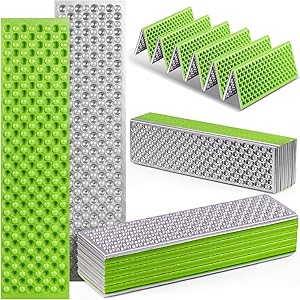
- R-Value: 2.1
- Weight: 396 grams
- Material: IXPE Foam with Aluminum Film
- Dimensions: 72.8 x 23.6 x 0.7 inches
The THINTON sleeping pad is a versatile outdoor companion designed for those who need a balance of comfort and utility. Utilizing high-quality IXPE material, this pad offers an ergonomic surface that supports various pressure points, ensuring a restful sleep after a long day of trekking. Its waterproof and moisture-proof properties make it ideal for varied environments, from damp forests to grassy parks.
Heat retention is managed through a specialized aluminum film on the back, which circulates body heat to maintain a stable sleeping temperature. The pad is remarkably lightweight and foldable, allowing for easy transport on any adventure. Its corrosion-resistant and odorless nature ensures that it remains a clean and reliable piece of gear for many seasons of outdoor travel.
Pros: Reflective warmth, moisture-proof, very affordable.
Cons: Thinner than competitors, aluminum film may wear over time.
3. Therm-a-Rest Z Lite Sol

- R-Value: 2.0
- Weight: 14 ounces (Regular)
- Thickness: 0.75 inches
- Packed Size: 20 x 5.5 x 5 inches
The Therm-a-Rest Z Lite Sol is a staple in the backpacking community for its iconic accordion-style folding design. It utilizes a dual-density foam construction that features heat-trapping dimples to capture air, paired with a ThermaCapture coating. This reflective surface increases the overall warmth by radiating heat back toward your body, making it a reliable choice for three-season use in the backcountry.
Compactness and speed of deployment are where this pad truly shines. Unlike rollable foam pads, the Z Lite Sol folds flat and stays flat when unfolded, eliminating annoying edge curls. Its ultralight weight appeals to thru-hikers and minimalist campers who need a gear piece that can withstand heavy use without the fear of punctures or mechanical failure during long trips.
Pros: Fast setup, very lightweight, no-curl folding.
Cons: Foam compresses over time, lower R-value than some rivals.
4. Exped FlexMat 3R

- R-Value: 2.8
- Weight: 15.5 ounces (Medium)
- Thickness: 1.2 inches
- Dimensions: 72 x 20.5 x 1.2 inches
The Exped FlexMat 3R is a powerhouse in the world of foam sleeping pads, offering a high insulation rating for its class. At 1.2 inches thick, it provides significant cushioning against rocky or uneven ground. The 2.8 R-value makes it a versatile choice for shoulder seasons or even as a critical insulation boost when layered under an inflatable pad during winter camping trips.
This pad is designed for hikers who prioritize protection and warmth above all else. Its rectangular shape and textured surface prevent sleeping bags from sliding around during the night. While it is slightly heavier than minimalist foam pads, the added thickness and superior thermal properties provide a level of comfort that is often missing in thinner, lighter closed-cell foam options available today.
Pros: High R-value, generous thickness, excellent ground protection.
Cons: Larger packed size, heavier than standard foam pads.
5. Fitply Ultralight Foam Pad
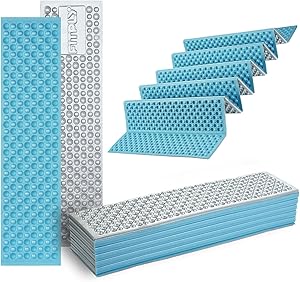
- Weight: 0.7 lbs
- R-Value: 2.1
- Thickness: 0.36 inches
- Material: XPE Foam with Aluminum Film
The Fitply Ultralight Foam Pad is engineered for the weight-conscious traveler who refuses to sacrifice sleep quality. Using ultra-light XPE foam and an ergonomic design featuring raised nodes, this pad provides focused support for the back and joints. The nesting design of the nodes ensures that when folded, the pad remains compact and easy to strap to the exterior of a hiking pack.
One of its standout features is the superior insulation provided by the heat-reflective aluminum film, which works in tandem with the foam to keep users warm. Because it is a closed-cell foam pad, it offers a stress-free experience without the risk of deflation. This makes it a dependable choice for mountaineering or extended camping trips where gear reliability is a top priority for safety.
Pros: Extremely lightweight, ergonomic node design, stress-free use.
Cons: Very thin profile, best suited for soft ground.
6. Therm-a-Rest Ridgerest Classic

- R-Value: 2
- Weight: 14 ounces (Regular)
- Thickness: 0.625 inches
- Packed Size: 8 x 20 inches
The Therm-a-Rest Ridgerest Classic is a timeless piece of equipment that has served generations of backpackers. Its simple, rolled design features a series of ridges and valleys that trap warm air underneath the sleeper, providing basic yet effective insulation. This pad is celebrated for its extreme durability; it can be used on sharp rocks, gravel, or dirt without any fear of damaging its performance.
While it lacks the folding convenience of accordion-style pads, its high-utility performance makes it a favorite for those who want a virtually indestructible mattress. It is exceptionally light and offers a large surface area in the Long version for taller campers. For backcountry ventures where simplicity is key, the Ridgerest Classic remains a top-tier choice for its ruggedness and consistent thermal performance.
Pros: Nearly indestructible, classic design, very affordable.
Cons: Bulky roll size, less cushioning than dimpled pads.
7. Big Agnes TwisterCane BioFoam

- R-Value: 1.7
- Weight: 14 ounces
- Thickness: 0.5 inches
- Packed Size: 7 x 20 inches
The Big Agnes TwisterCane BioFoam is a specialized sleeping pad tailored for summer backpacking and high alpine excursions. What sets this pad apart is its construction using bio-based materials, offering an eco-friendly alternative for conscious campers. Its firm texture provides a stable sleeping surface on uneven ground, protecting you from the discomfort of small rocks, dirt, or wet grass often found at campsites.
With an R-value of 1.7, this pad is best utilized during warmer months or as a protective layer for an inflatable mattress. Its ultralight profile makes it easy to carry, though the 0.5-inch thickness provides minimalist cushioning. It is particularly effective for those who sleep on their backs and prefer a firmer feel, ensuring a reliable barrier between the sleeper and the elements.
Pros: Eco-friendly material, stable on uneven ground, ultralight.
Cons: Low R-value, minimal cushioning for side sleepers.
8. Exped FlexMat 1.5R

- R-Value: 1.7
- Weight: 11.5 ounces (Medium)
- Thickness: 0.7 inches
- Packed Size: 20.5 x 5 x 4.3 inches
The Exped FlexMat 1.5R is a master of versatility in a compact package. Designed to be easy to deploy, it serves multiple functions: a minimalist sleeping pad for the gram-counting hiker, a comfortable seat during trail breaks, or an added protective layer for expensive air mattresses. Its dimpled texture helps trap heat while providing enough grip to keep your gear in place throughout the night.
Because it comes with a stuff sack and folds into a very manageable size, it is one of the more portable closed-cell foam options available. The 1.7 R-value makes it perfect for summer adventures where high insulation isn’t required but ground protection is essential. Its lightweight nature and multi-use potential make it a valuable addition to any backpacker’s standard gear kit for fast-and-light travel.
Pros: Includes stuff sack, very portable, multi-functional use.
Cons: Limited insulation, thinner than the 3R version.
The Ultimate Guide to Closed-Cell Foam Sleeping Pads
In the world of outdoor gear, few items are as divisive yet enduring as the closed-cell foam (CCF) sleeping pad. While modern air mattresses offer thick cushioning and impressive R-values, the humble foam pad remains a staple for thru-hikers, mountaineers, and minimalist campers. Understanding how these pads work, how to use them effectively, and why they remain relevant is essential for any serious outdoor enthusiast.
What is a Closed-Cell Foam Sleeping Pad?
A closed-cell foam pad is a solid piece of dense foam filled with tiny, individual air cells that are “closed” off from one another. Unlike open-cell foam (found in sponges or some self-inflating pads), these cells do not absorb water and do not allow air to move between them. This structure provides the pad with its two most famous characteristics: water resistance and near-indestructibility.
How Closed-Cell Foam Pads Provide Warmth
The primary job of a sleeping pad is not actually comfort, but insulation. When you sleep on the ground, you lose body heat through conduction. The foam acts as a barrier, slowing the transfer of heat from your body to the cold earth.
The Role of R-Value
The insulating capacity of a pad is measured by its R-value. Most CCF pads have an R-value between 1.5 and 2.5. This makes them suitable for summer and shoulder-season camping. However, the true genius of these pads lies in their surface design. Many feature “dimples” or an “egg-crate” pattern. These indentations trap pockets of warm air between your sleeping bag and the pad, significantly increasing thermal efficiency without adding weight.
Reflective Coatings
Many high-end foam pads, such as the Therm-a-Rest Z Lite Sol, incorporate a thin metallic film. This film reflects radiant heat back toward the sleeper. When using a pad with a reflective side, it is generally recommended to sleep with the shiny side facing up to maximize heat retention.
How to Use a Foam Sleeping Pad Effectively
Using a foam pad seems straightforward—you simply lay it down—but there are several techniques to maximize its performance in the backcountry.
Folding and Storage
There are two main styles of CCF pads: rolled and accordion-style (folding). Folding pads are often preferred because they lay flat immediately and don’t curl at the edges. They also serve as a convenient seat during trail breaks. When packing, many hikers strap these pads to the outside of their packs. Since they cannot be punctured, you don’t have to worry about thorns or rocks damaging them during transit.
Strategic Placement
Because foam pads are thin (usually 0.5 to 0.75 inches), site selection is critical. Unlike an air mattress that can float over roots and rocks, a foam pad requires a cleared, flat surface. Before laying down your pad, spend time removing any large pebbles or sticks that might poke through the foam and into your back.
The Benefits of Choosing Foam Over Air
Why do people still use “thin” foam pads when 4-inch thick air mattresses exist? The answer lies in reliability and versatility.
Unmatched Durability
The greatest advantage of CCF is that it cannot fail. An air mattress can be sidelined by a single cactus spine, a sharp rock, or a failed valve. If a foam pad gets a hole in it, it still works. You can even cut a foam pad into pieces to use as sit-pads or to reinforce the frame of a lightweight backpack.
Multi-Purpose Utility
A foam pad is more than just a bed. It is a waterproof seat for a lunch break on a damp log. It can be used as a splint in a wilderness first-aid emergency. It can even serve as a clean surface to organize gear outside your tent. This versatility makes it an “insurance policy” for many hikers.
Advanced Techniques: The Layering System
One of the most effective ways to use a closed-cell foam pad is as part of a layering system for winter camping. In sub-freezing temperatures, a single foam pad or even a standard air mattress may not provide enough insulation.
Stacking for Winter
By placing a CCF pad underneath an inflatable pad, you create a powerhouse insulation system. The foam pad protects the expensive inflatable pad from punctures and provides a base layer of warmth. Meanwhile, the inflatable pad provides the “loft” and comfort needed for a good night’s sleep. This combination can push your R-value high enough for camping on snow and ice.
Maintenance and Longevity
While CCF pads are durable, they aren’t eternal. Over years of use, the foam cells can “compress,” meaning they lose their ability to bounce back and trap air. This leads to a lower R-value and less cushioning. To extend the life of your pad, avoid storing heavy gear on top of it for long periods when not in use.
Cleaning is simple: a quick wipe with a damp cloth and mild soap is usually all that’s needed. Because the foam is closed-cell, you don’t have to worry about mold growing inside the material.
Is a Foam Pad Right for You?
Determining if you should use a foam pad depends on your sleeping style and priorities.
The Back Sleeper vs. Side Sleeper
Back sleepers generally find foam pads more comfortable because their weight is distributed evenly. Side sleepers may struggle with CCF pads, as their hips and shoulders may press through the foam and hit the hard ground. If you are a side sleeper, you might consider using the foam pad as a supplement rather than a primary mattress.
The Thru-Hiker Perspective
For those walking thousands of miles, every second counts. The ability to simply throw down a pad and be ready to sleep in five seconds—without the lightheadedness of blowing up a mattress—is a luxury of its own. When you add the fact that it will never pop, it’s easy to see why the foam pad remains the king of the long-distance trail.
Conclusion
Closed-cell foam sleeping pads may seem like “old tech,” but they are a masterpiece of functional design. They offer a level of reliability that no mechanical or inflatable gear can match. Whether you use one as your primary sleeping surface, a sit-pad, or a winter insulation booster, the CCF pad is an essential tool in the kit of any outdoor adventurer. By understanding how to select the right site, how to layer for warmth, and how to pack for efficiency, you can turn a simple piece of foam into the most dependable piece of gear you own.