Best Ultralight 1-Person Tents of 2026
Looking for a tent that won’t weigh you down? Ultralight 1-person tents are perfect for solo hikers who want to sleep comfortably without carrying a heavy pack. This guide picks the best models that balance low weight, easy setup, and weather protection. Whether you’re thru-hiking or weekend camping, these shelters keep your load light so you can go farther.
1. REI Co-op Flash Air 1

- Minimum Trail Weight: 1 lb. 12 oz. (1 lb. 11.2 oz. without main pole)
- Floor Dimensions: 88 x 35/27 (L x W head/foot) inches
- Peak Height: 42 inches
- Design Type: Nonfreestanding
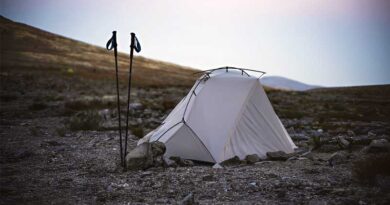
The REI Co-op Flash Air 1 is a dream come true for minimalist backpackers, bikepackers, and peak baggers looking to drastically shed ounces from their packs. As the lightest one-person tent in REI’s lineup, it achieves its airy weight through an intelligent nonfreestanding setup. The design is exceptionally versatile, allowing you to pitch it with the included aluminum poles or swap them out for trekking poles to save even more space.
Despite its featherlight footprint, it still offers an impressive forty-two-inch peak height, meaning you will not feel entirely cramped when sitting up inside. The nylon mesh canopy ensures excellent breathability on warm summer nights. It does require proper staking out to achieve a taut, secure pitch, but the weight savings are worth the extra setup effort.
Pros: Very lightweight, customizable trekking pole setup, decent peak height.
Cons: Nonfreestanding design requires precise staking, footprint is not included.
2. Naturehike Star Trail

- Occupancy: 1Person
- Item Weight: 2.3 Pounds
- Product Dimensions: 86.6″L x 59.1″W x 45.3″H
- Water Resistance: 1500mm+
The Naturehike Star Trail offers an exceptional balance of affordability and backcountry utility for duo travelers or solo hikers wanting extra room. Unlike most of the hyper-minimalist options on the market, this model features a generous occupancy that stretches over fifty-nine inches wide. This added volume makes it incredibly comfortable for changing clothes or storing extra gear inside the tent body.
It comes remarkably well-packaged with all the essential components you need, including a dedicated footprint, nine stakes, and compression straps. The quick-setup design is highly intuitive, allowing you to establish shelter rapidly during sudden downpours. While the waterproof rating sits at a modest fifteen hundred millimeters, it provides reliable protection during standard three-season rainstorms.
Pros: Generous width, includes a matching footprint, very budget-friendly.
Cons: Slightly heavier for strict minimalists, waterproof rating is relatively basic.
3. MIER LANSHAN

- Item Weight: 2.2 Pounds
- Product Dimensions: 91″L x 32″W x 50″H
- Shape: Triangular
- Water Resistance: Fly sheet: 5000mm+; Floor: 6000mm+
The MIER LANSHAN stands out as a highly specialized, triangular-shaped solo shelter built to handle serious weather. Its most defining characteristic is its incredible waterproofing system, featuring a fly sheet rated over five thousand millimeters and a robust floor exceeding six thousand millimeters. This makes it an absolute fortress against relentless, driving rain and saturated, muddy campsites.
With an elongated ninety-one-inch length, taller backpackers will find plenty of room to stretch out fully without pressing against the wet tent walls. The triangular geometry sheds wind efficiently while maximizing vertical headroom up to fifty inches at its peak. It is a highly practical choice for budget-conscious adventurers who prioritize storm protection over everything else.
Pros: Outstanding waterproof ratings, excellent length for tall hikers, tall peak.
Cons: Distinct triangular shape limits elbow room, comes with minimal components.
4. NEMO Hornet OSMO

- Minimum Trail Weight: 1 lb. 13 oz.
- Floor Area: 20.6 square feet
- Packed Size: 7.5 x 12.5 inches
- Design Type: Semifreestanding
The NEMO Hornet OSMO is meticulously engineered for those who refuse to compromise between an ultralight pack and comfortable livability. Utilizing proprietary OSMO fabric, this one-person tent delivers excellent water resistance and minimal stretch when wet. The interior layout is carefully optimized to provide a roomy living space, making your backcountry experience feel less confined.
Its semifreestanding design utilizes a single-pole architecture that keeps the minimum trail weight well under two pounds while remaining relatively straightforward to pitch. A decent vestibule gives you ample space to store muddy trail shoes and your backpack outside the living area. It packs down remarkably small, freeing up valuable space inside your multi-day pack.
Pros: Excellent space-to-weight ratio, high-performance fabric, small packed size.
Cons: Semifreestanding design requires corner stakes, footprint must be bought separately.
5. Big Agnes String Ridge VST 1.5

- Minimum Trail Weight: 1 lb. 3.3 oz.
- Floor Area: 22 square feet
- Peak Height: 47 inches
- Rainfly Fabric: 20-denier ripstop (4,000 mm)
The Big Agnes String Ridge VST 1.5 is an absolute masterpiece of modern ultralight engineering designed for fast-packing enthusiasts. Weighing a jaw-dropping one pound and three point three ounces, it provides a massive twenty-two square feet of usable floor area. This exceptional space is achieved by utilizing your own trekking poles for structural support instead of heavy traditional poles.
The tent features proprietary HyperBead fabric technology, ensuring high durability alongside a stellar four thousand millimeter waterproof rating on the rainfly. With an expansive forty-seven-inch peak height, the interior feels extraordinarily cavernous and comfortable. It represents the pinnacle of premium materials, offering maximum shelter performance for serious distance hikers.
Pros: Incredible weight savings, massive floor area, eco-friendly PFAS-free fabrics.
Cons: Requires trekking poles to pitch, expensive premium pricing tier.
See the Big Agnes String Ridge VST 1.5
6. Big Agnes Copper Spur UL1

- Minimum Trail Weight: 2 pounds
- Vestibule Area: 9 square feet
- Design Type: Freestanding
- Pole Material: DAC NFL
The Big Agnes Copper Spur UL1 is widely celebrated as a benchmark gold standard for solo backcountry shelters. This latest iteration is lighter and more robust, utilizing solution-dyed fabrics that resist UV degradation while protecting the environment. Because it features a fully freestanding structure, you can easily pitch it on granite slabs, packed dirt, or wooden tent platforms.
Inside, the masterfully angled pole architecture creates vertical side walls that drastically expand your elbow room and usable shoulder space. A massive nine square foot vestibule provides industry-leading gear storage options, keeping your sleep zone clean. It remains a top choice for backpackers who prioritize absolute convenience and structural stability anywhere on earth.
Pros: True freestanding setup simplicity, spacious vertical walls, large storage vestibule.
Cons: Slightly heavier than nonfreestanding rivals, higher premium price point.
See the Big Agnes Copper Spur UL1
7. NEMO Hornet Elite OSMO

- Minimum Trail Weight: 1 lb. 7 oz.
- Floor Area: 21.8 square feet
- Packed Size: 19 x 4 x 2 inches
- Floor Fabric: OSMO ripstop (1,200 mm)
The NEMO Hornet Elite OSMO is an elite, hyper-tuned shelter specifically crafted for extreme minimalists and thru-hikers counting every gram. Every single stitch, cord, and webbed detail has been stripped down to its absolute essence to achieve a featherweight trail presence. Despite this aggressive weight shaving, it boasts a surprisingly generous twenty-one point eight square feet of interior floor area.
The advanced OSMO ripstop fabric offers excellent water repellency while stretching far less when soaked by evening storms. The single-pole DAC Featherlite framework allows for a quick, efficient setup while maintaining crucial structural integrity against unexpected winds. It packs away into an incredibly slender package that slips easily into tight pack side pockets.
Pros: Mind-blowing trail weight, highly advanced fabric tech, good floor area.
Cons: Delicate ultra-thin materials require care, lower floor waterproof rating.
See the NEMO Hornet Elite OSMO
8. NEMO Dragonfly OSMO

- Minimum Trail Weight: 2 lbs. 3 oz.
- Vestibule Area: 8.6 square feet
- Design Type: Freestanding
- Pole Material: DIAPOLE aluminum
The NEMO Dragonfly OSMO perfectly bridges the gap between ultralight specifications and uncompromising, rugged durability. Engineered with a robust, hubbed DIAPOLE aluminum pole system, this freestanding tent is built to withstand harsh, high-altitude mountain winds with ease. The premium solution-dyed OSMO ripstop fabric keeps the entire structure incredibly taut, dry, and secure throughout heavy, multi-day rainstorms.
Living space is a primary highlight, offering an asymmetrical floor plan that leaves plenty of room where you actually need it. The spacious eight point six square foot vestibule provides a highly protective zone to stash large backpacking packs and muddy boots safely. It is an ideal companion for rugged wilderness expeditions where weather conditions remain completely unpredictable.
Pros: Sturdy freestanding architecture, robust weather resistance, spacious storage vestibule.
Cons: Heaviest option among the group, packed size is slightly bulkier.
How to Choose the Ideal Ultralight 1-Person Tent: A Comprehensive Guide
For solo backpackers, thru-hikers, and bikepackers, weight is the ultimate adversary. Every ounce carried over a mountain pass or along a hundred-mile trail compounds fatigue and increases the risk of injury. Consequently, the shelter—traditionally one of the heaviest items in a pack—has undergone a radical evolution. The modern ultralight (UL) 1-person tent represents a pinnacle of outdoor engineering, balancing the competing demands of weight reduction, weather protection, livability, and durability. However, selecting the right one is not as simple as picking the lightest option on the shelf. It requires an understanding of materials, architecture, pitching styles, and personal comfort thresholds. This guide breaks down the essential factors to consider when choosing your next solo sanctuary.
Understanding the Ultralight Spectrum and Weight Metrics
Before diving into specific features, it is vital to understand how manufacturers measure weight. When comparing tents, you will encounter three primary metrics: trail weight, packed weight, and fast-fly weight. Trail weight typically includes only the tent body, fly, and poles—the absolute essentials needed to pitch the shelter. Packed weight includes everything that comes in the commercial box: instructions, extra stakes, guy lines, stuff sacks, and repair kits. To make an accurate comparison, always use the trail weight as your baseline. In the ultralight category, a true 1-person shelter generally weighs between 1 and 2.5 pounds. Anything under one pound often pushes into the category of minimalist tarps or bivvy sacks, while anything over 2.5 pounds edges into standard lightweight territory.
Tent Architecture: Freestanding vs. Trekking Pole Shelters
The most fundamental decision you will make is choosing between a freestanding tent and a trekking pole (non-freestanding) shelter. This choice dictates how the tent supports itself and heavily influences both weight and ease of setup.
Freestanding Tents
Freestanding tents utilize a dedicated aluminum or carbon fiber pole system to hold their shape independently. You can pick up a fully pitched freestanding tent and move it around to find the flatest spot or shake out debris before staking it down. Semi-freestanding models require a few strategic stakes—usually at the footbox—to achieve full volume, but still rely on a partial pole framework. The primary advantages of freestanding models are ease of setup on hard surfaces (like rock slabs, wooden tent platforms, or compacted sand) and excellent interior headroom. The drawback is weight; carrying dedicated tent poles adds a fixed penalty to your pack.
Trekking Pole Shelters
Non-freestanding tents eliminate dedicated poles entirely, relying instead on your adjustable trekking poles and a secure network of stakes and guy lines to create structure. Because you are already carrying trekking poles to walk, this design saves a massive amount of weight, often dropping the shelter’s total weight well below two pounds. These tents are highly adaptable and perform exceptionally well in high winds when pitched correctly. However, they require a steeper learning curve to pitch tautly, demand precise stake placement, and can be incredibly difficult to set up on solid rock or loose sand where stakes cannot easily take root.
Material Selection: Silnylon, Silpoly, and Dyneema
The fabric of your tent determines its longevity, waterproofness, weight, and price. Modern ultralight shelters are dominated by three primary materials, each with distinct performance characteristics.
Silnylon (Silicone-Coated Nylon)
Silnylon has long been the traditional choice for lightweight tents. It offers an excellent balance of high tensile strength, elasticity, and affordable cost. Silicone coatings penetrate the nylon fibers, making them highly water-resistant and resistant to UV degradation. The major downside to silnylon is that nylon absorbs water and stretches when wet. A perfectly taut silnylon tent pitched at dusk will often sag by midnight if it rains or if heavy dew sets in, requiring you to tighten the guy lines to maintain interior volume and water shedding.
Silpoly (Silicone-Coated Polyester)
Silpoly is rapidly gaining popularity in the ultralight community. Polyester naturally absorbs significantly less water than nylon, meaning it does not sag or stretch when wet. A silpoly tent remains taut through rainstorms and dries much faster than its nylon counterparts. It also boasts superior UV resistance. While historically weaker than nylon of equivalent thickness, modern high-tenacity silpoly weaves have closed the strength gap significantly, making it an excellent, cost-effective alternative.
Dyneema Composite Fabric (DCF)
Formerly known as Cuben Fiber, DCF is the gold standard of premium ultralight gear. Made by laminating ultra-high-molecular-weight polyethylene fibers between thin polyester films, DCF is incredibly strong, entirely waterproof without coatings, and structurally incapable of stretching or sagging. It is also remarkably light. However, DCF possesses zero elasticity, meaning your pitch must be geometrically perfect, and it has poor abrasion resistance over time. It is also exceptionally expensive, often doubling the price of a tent, and it does not pack down as tightly as nylon or polyester.
Livability vs. Weight: Navigating the Solo Compromise
When living out of a 1-person tent, “livability” refers to how comfortable you are inside the space when you are not sleeping. It is a function of interior volume, entry style, and storage options. Ultralight design is an exercise in compromise; to shed weight, manufacturers often shave inches off the dimensions.
Peak Height and Wall Angle
Do not look merely at the floor square footage; look at the peak height and the angle of the walls. A tent with a 40-inch peak height that slopes aggressively down to the floor at both ends will feel like a coffin. Look for hubbed pole systems or trekking pole designs that pull the walls outward dynamically. You should be able to sit up straight to change your clothes, study a map, or boil water in the vestibule without your head or shoulders rubbing against a damp tent wall.
Entry Configuration: Side vs. Front Doors
Solo tents generally feature either a front door (at the head of the tent) or a side door. Side-entry doors are widely considered superior for livability. They offer a much larger opening, making it easier to crawl in and out, and they provide a wide view of the outdoors. Front-entry doors require you to crawl in headfirst and awkwardly turn around to lie down. However, front-entry designs allow for a narrower, more aerodynamic tent profile that sheds high winds efficiently.
Vestibule Space
Because a 1-person tent has very little room inside for anything other than your sleeping pad and sleeping bag, the vestibule—the covered area outside the zippered door—is critical. A well-designed vestibule must be large enough to shield your muddy boots, your empty backpack, and your cooking gear from the elements, while still allowing a clear path for you to exit the tent safely.
Climate Adaptation: Single-Wall vs. Double-Wall
How your tent handles moisture management depends largely on whether it uses a single-wall or double-wall construction.
Double-Wall Tents
A double-wall tent consists of an independent breathable mesh inner body and a separate waterproof rainfly. This design provides a physical barrier between you and the inevitable condensation that forms on the inside of the waterproof fly. When you breathe at night, moisture escapes through the mesh, condensing on the fly and draining down to the ground. Double-wall tents are warmer, drier, and more versatile, as you can pitch just the mesh body on bug-infested, clear summer nights.
Single-Wall Shelters
Single-wall tents integrate the waterproof fly and the living space into one cohesive layer, utilizing mesh only for doors and perimeter vents. This eliminates a massive amount of fabric and weight. The trade-off is condensation management. In humid, cold, or windless conditions, your breath will condense directly on the walls right next to your sleeping bag. To live comfortably in a single-wall tent, you must master campsite selection (avoiding low-lying damp meadows) and maximize ventilation by keeping doors or vents propped open whenever possible.
Final Considerations: Durability and Small Details
When finalizing your choice, look closely at the fabric denier (thickness) of the tent floor. Many ultralight tents use fragile 10-denier or 15-denier floors to save weight. If you opt for such a thin material, you must be meticulous about clearing sticks and sharp rocks from your tent site, or accept the weight penalty of carrying a dedicated footprint or Tyvek sheet. Additionally, pay attention to the quality of the hardware—look for robust YKK zippers, line-loc tensioners that are easy to operate with cold hands, and high-visibility guy lines that prevent night-time tripping hazards. By systematically weighing these factors against your specific hiking style, geographic climate, and budget, you will find a solo shelter that keeps your pack light and your nights secure.