Best Mid-Layer Fleeces of 2026
When the temperature drops, a mid-layer fleece is your best friend for staying warm and comfortable. Think of it as the cozy, versatile bridge between your base layer and your outer jacket. It traps heat to keep you toasty, but it also lets sweat escape, so you don’t get clammy. Whether you’re hiking, skiing, or just walking the dog, the right fleece makes all the difference.
1. Patagonia R1 Air Full-Zip Hoody

- Fabric: 100% recycled polyester jacquard fleece with hollow-core yarns
- Fleece Weight: Light
- Hood: Yes
- Weight: 13 ounces
The Patagonia R1 Air Full-Zip Hoody is built for anyone who moves fast and heats up quickly. Its hollow-core yarn construction traps warmth without trapping sweat, making it a reliable choice for aerobic activities in cool temperatures. The hood adds an extra layer of coverage on breezy days, while the recycled polyester construction keeps the environmental footprint lower than many competitors.
Despite its airy feel, this hoody holds up well as a standalone piece or a layer under a shell. It compresses easily for travel and recovers its shape quickly. The jacquard fleece texture also feels less bulky than traditional fleece, which makes it comfortable across a wide range of motion during hikes, runs, or climbs.
Pros:
- Extremely breathable for high-output activities
- Packs down small for travel
- Sustainable recycled fabric
Cons:
- Less warmth than heavier fleece options
- Pricier than basic fleece jackets
View Men’s at REI View Women’s at REI
2. Columbia Steens Mountain Full Zip 2.0
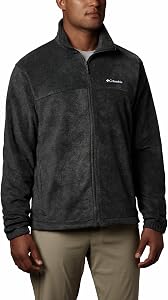
- Fit: Classic modern fit
- Pockets: Two zippered security pockets
- Collar: Collared neck with zippered closure
- Feel: Soft, lightweight fleece
The Columbia Steens Mountain Full Zip 2.0 is a dependable, budget-friendly fleece that delivers everyday warmth without any fuss. Its soft fabric and classic fit make it a comfortable staple for casual outings, dog walks, or lounging around camp. The collared neck and full zip closure help block out cold air on chillier mornings.
Two zippered pockets keep small essentials like keys or a phone secure during movement, which is a practical touch for outdoor use. While it lacks the technical performance features of pricier fleeces, it more than makes up for it with comfort and value, making it a solid pick for casual wearers rather than serious athletes.
Pros:
- Affordable price point
- Comfortable classic fit
- Secure zippered pockets
Cons:
- Not as technical or breathable as premium options
- Heavier for its warmth level
View Men’s at Amazon View Women’s Benton Springs at Amazon
3. REI Co-op Trailmade

- Fabric: 100% recycled polyester fleece
- Fleece Weight: Medium
- Back Length: 28 inches
- Weight: 12.7 ounces
The REI Co-op Trailmade fleece jacket strikes a great balance between casual comfort and trail-ready performance. Its medium-weight recycled polyester fabric provides solid warmth for camp mornings or cool hikes, and the hip-length cut offers good coverage without feeling restrictive during movement. It works equally well as a standalone piece or layered beneath a shell.
This jacket is a great value option for hikers who want reliable warmth without paying a premium. It lacks a hood, which keeps things simple and low-profile, ideal for layering under packs or hoods from other jackets. Overall, it’s a versatile, sustainably made piece suited to everyday outdoor use.
Pros:
- Great value for the price
- Versatile for hiking and casual wear
- Made from recycled materials
Cons:
- No hood for added warmth
- Not ideal for high-intensity activities
View Men’s at REI View Women’s at REI
4. REI Co-op Flash Hyperstretch

- Fabric: 54% recycled polyester/35% nylon/11% spandex
- Fleece Weight: Medium
- Hood: Yes
- Back Length: 27.75 inches
The REI Co-op Flash Hyperstretch fleece jacket is designed for hikers who need mobility without sacrificing warmth. Its stretchy nylon-spandex blend moves fluidly with the body, making it ideal for scrambling, thru-hiking, or any activity requiring a full range of motion. The added hood provides extra protection against wind and chill on exposed trails.
This jacket runs slightly warmer than typical medium-weight fleeces thanks to its blended fabric, making it a strong choice for cooler shoulder-season adventures. The stretch construction also helps it fit close to the body for effective layering underneath a shell jacket, without feeling tight or restrictive during long days on the trail.
Pros:
- Excellent stretch and mobility
- Warmer than average medium-weight fleece
- Hood adds versatility
Cons:
- Slightly heavier due to fabric blend
- Not the most breathable for high-output efforts
View Men’s at REI View Women’s at REI
5. Patagonia Better Sweater

- Fabric: Recycled polyester knit fleece
- Fleece Weight: Medium
- Warmth: Warmer
- Weight: 1 lb. 6.5 oz.
The Patagonia Better Sweater has earned its reputation as a go-to layer thanks to its sweater-like knit exterior and cozy fleece interior. It looks at home in the city just as much as it does in the backcountry, offering a polished, understated style that doesn’t scream “technical gear.” The warmer rating means it holds up well in colder conditions than lighter fleeces.
Its hoodless design and clean silhouette make it easy to layer under a shell or wear alone on crisp days. While it’s on the heavier side, that extra weight translates directly into warmth, making it a dependable choice for anyone who prioritizes comfort and versatility over ultralight performance.
Pros:
- Stylish enough for everyday wear
- Excellent warmth-to-comfort ratio
- Durable knit fleece construction
Cons:
- Heavier than most fleece options
- No hood included
View Men’s at REI View Women’s at REI
6. Patagonia R1

- Fabric: Polartec Power Grid recycled polyester/spandex grid fleece
- Fleece Weight: Medium
- Best Use: Fitness, Running, Multisport
- Weight: 12.1 ounces
The Patagonia R1 jacket is engineered specifically for high-output activities where temperature regulation matters most. Its Polartec Power Grid construction uses a grid pattern that boosts breathability while still trapping warmth, making it ideal for running, climbing, or ski touring in cool conditions. The strategic paneling with lighter jersey fabric under the arms enhances airflow during intense movement.
This jacket is lightweight and packs down small, making it easy to stash in a pack for shoulder-season trips. It doesn’t include a hood, which keeps the design streamlined for layering under a helmet or hard shell. Overall, it’s a purpose-built mid layer for athletes who need performance over casual styling.
Pros:
- Outstanding breathability during exertion
- Lightweight and packable
- Great for multisport use
Cons:
- No hood for extra warmth
- Less suited for low-activity, cold-standing use
View Men’s at REI View Women’s at REI
7. Arc’teryx Kyanite

- Fabric: Torrent fleece, 84% polyester/16% elastane
- Fleece Weight: Light
- Hood: Yes
- Weight: 10.6 ounces
The Arc’teryx Kyanite Lightweight fleece hoodie is a minimalist, high-quality layer built for hikers and ski tourers who value efficiency. Its Torrent fleece fabric blends polyester and elastane for a soft, stretchy feel that moves naturally with the body. At just 10.6 ounces, it’s one of the lightest hooded options in its class without sacrificing warmth.
This jacket shines as a mid layer during active pursuits, offering measured warmth that won’t cause overheating on the move. The hood provides added protection against wind without adding bulk. While it carries a premium price tag typical of Arc’teryx gear, the quality construction and fit justify the investment for serious outdoor enthusiasts.
Pros:
- Very lightweight for a hooded fleece
- Soft, stretchy, comfortable fabric
- Excellent build quality
Cons:
- Higher price point
- Light warmth may not suit very cold climates
View Men’s at REI View Women’s at REI
8. Cotopaxi Otero

- Fabric: 97% recycled polyester/3% spandex shell
- Fleece Weight: Light
- Hood: Yes, with thumbholes
- Weight: 1 lb. 2.4 oz.
The Cotopaxi Otero Full-Zip fleece hoodie combines a fitted, technical build with a soft, feel-good design. The recycled polyester shell keeps things lightweight while still offering solid warmth on cool days, and the added thumbholes give a snug fit at the wrists to seal out drafts during outdoor activities.
This hoodie works well for both hiking and casual settings, making it a flexible choice for those who want one jacket that transitions easily from trail to town. The hood provides extra coverage on windy days, and Cotopaxi’s commitment to sustainable and ethical manufacturing adds appeal for environmentally conscious buyers looking for feel-good gear.
Pros:
- Comfortable fitted design
- Thumbholes add wrist coverage
- Sustainable and ethical production
Cons:
- Slightly heavier than similar light fleeces
- Fitted cut may not suit all body types
View Men’s at REI View Women’s Abrazo at REI
How to Choose the Perfect Mid-Layer Fleece: A Complete Guide
If you have ever felt too hot in your winter coat or too cold in just a sweater, you already know why a mid-layer fleece matters. It is the unsung hero of cold-weather dressing. A good mid-layer fleece keeps your body heat trapped close, lets sweat escape, and gives you the freedom to move without feeling like a stuffed sausage. But with so many options on the market, choosing the right one can feel confusing. This guide breaks down everything you need to know—from materials and weight to fit and features—so you can pick a fleece that truly works for you.
What Exactly Is a Mid-Layer Fleece?
Before we dive into the details, let us get clear on what a mid-layer fleece actually is. In a typical three-layer outfit system, your base layer sits against your skin to wick sweat away. Your outer layer (like a shell jacket) protects you from wind, rain, or snow. The mid-layer sits right in between. Its main job is to trap body heat and keep you warm while still allowing moisture to pass through to the outer layer. Fleece is the most popular fabric for this job because it is lightweight, breathable, and dries quickly. Unlike thick wool or heavy cotton, fleece gives you warmth without the extra weight.
Why Fleece? The Benefits You Should Know
Fleece is not just another synthetic fabric. It is made from polyester, which is spun into a soft, fuzzy material that holds air. That trapped air is what keeps you warm. Here are the top reasons fleece wins as a mid-layer:
- Excellent warmth-to-weight ratio: You stay warm without feeling bulky.
- Breathable: Sweat vapour can escape, so you do not get clammy.
- Quick drying: Unlike cotton, fleece dries fast if it gets wet.
- Soft and comfortable: It feels cosy against your skin or over a thin base layer.
- Easy to care for: Most fleeces are machine washable and do not require special treatment.
Key Factors to Consider When Choosing a Mid-Layer Fleece
Now let us get into the nitty-gritty. Not all fleeces are created equal. The right choice depends on your activity, the weather, and your personal preferences. Here are the most important factors to weigh.
1. Fleece Weight (Thickness)
Fleece comes in different weights, and each serves a different purpose. Think of weight as how warm and bulky the fabric is.
| Weight Category | Typical Thickness | Best For | Example Activities |
|---|---|---|---|
| Lightweight (100–200 g/m²) | Thin, like a long-sleeve T-shirt | Mild cool weather or high-output activities | Running, hiking in spring, indoor climbing |
| Midweight (200–300 g/m²) | Moderate, like a classic zip-up | Everyday cold weather, versatile layering | Casual wear, autumn hikes, skiing under a shell |
| Heavyweight (300+ g/m²) | Thick and plush, almost like a jacket | Deep winter, low-activity or standalone use | Ice fishing, winter camping, very cold commutes |
Pro tip: If you plan to wear your fleece mostly under a tight shell, go with lightweight or midweight. Heavyweight fleeces can feel too bulky and restrict movement.
2. Fabric Construction and Texture
Not all fleece feels the same. The way the fabric is knitted or brushed affects its warmth, breathability, and feel.
- Grid fleece: Has a patterned, grid-like texture on the inside. It traps air in the grid squares but leaves channels for moisture to escape. It is highly breathable and great for active use.
- Sherpa or high-pile fleece: Very fluffy and warm, often used in casual or fashion fleeces. It is cosy but less breathable and bulkier.
- Smooth-face fleece: The outside is smooth and sleek, which makes it easier to slide under a jacket. The inside is brushed for softness. This is the most common type.
- Microfleece: Very thin, soft, and lightweight. Good for layering under a heavier piece.
If you sweat a lot or do intense activities, grid fleece or smooth-face fleece are your best bets. For casual wear and maximum comfort, sherpa or high-pile is lovely.
3. Fit and Mobility
Your fleece should move with you, not fight you. A good mid-layer fit is snug enough to trap heat but loose enough to allow a base layer underneath and a shell on top.
- Trim fit: Sits close to the body. Ideal for high-output sports and layering under a slim shell.
- Regular fit: Leaves a little room. Works for most people and most activities.
- Relaxed fit: Looser and more casual. Great for everyday wear but may bunch up under a jacket.
Pay attention to sleeve length and shoulder mobility. Look for articulated elbows or stretch panels if you plan to climb, ski, or reach overhead often.
4. Breathability vs. Wind Resistance
Fleece is naturally breathable, but that can be a double-edged sword. On a windy day, a standard fleece lets the wind cut right through, making you feel cold despite the insulation. Some fleeces come with a windproof membrane or a tighter weave on the outside to block wind. Others have a smooth, dense outer face that resists light breezes.
If you will be exposed to strong winds, look for a fleece labelled “wind-resistant” or plan to wear a windproof shell over it. For calm days or indoor use, standard breathable fleece is just fine.
5. Zippers, Pockets, and Extra Features
Small details can make a big difference in everyday use.
- Full-zip vs. half-zip vs. pullover: Full-zip lets you vent heat quickly and is easier to put on. Half-zip and pullover are lighter and often pack down smaller.
- Pockets: Hand pockets are great for warming your fingers. Chest pockets are useful for small items like a phone or map. Zip pockets keep your things secure.
- Hood vs. no hood: A hood adds extra warmth and can replace a hat in mild cold. But it may feel bulky under a jacket collar.
- Thumb loops: These keep the sleeves in place and cover your wrists, which is nice on chilly mornings.
- Chin guard: A soft flap at the top of the zipper prevents zipper burn on your chin.
6. Durability and Pilling
Over time, fleece can pill—those little fuzzy balls that form on the surface. Higher-quality fleeces use longer polyester fibres that resist pilling better. Look for fleeces with a high weight per square metre and tight knitting. Also check the fabric blend: some fleeces mix in a little elastane for stretch, which can affect longevity. Washing your fleece inside out and air drying helps reduce pilling.
7. Eco-Friendly Options
Many fleeces today are made from recycled polyester, often from plastic bottles. This reduces waste and saves energy compared to virgin polyester. Some brands also use bluesign® or OEKO-TEX® certifications, which ensure safer chemicals and sustainable production. If being kind to the planet matters to you, look for these labels.
How to Match Your Fleece to Your Activity
Your intended use should guide your final decision. Here is a quick cheat sheet:
- For hiking and trekking: Choose a midweight grid fleece with good breathability and a full-zip for venting. Hood is optional.
- For skiing and snowboarding: Go for a trim-fit midweight fleece with a smooth face so it slides easily under your shell. Look for thumb loops and a chin guard.
- For everyday casual wear: A regular-fit heavyweight or sherpa fleece gives you warmth and style. Pockets are a must.
- For running or cycling in cold weather: A lightweight microfleece with high breathability and a half-zip for temperature control works best.
- For winter camping or low-output days: A heavyweight fleece or even a fleece-lined jacket-style piece will keep you cosy when you are not moving much.
Layering Tips: Getting the Most from Your Fleece
Buying the right fleece is only half the battle. Wearing it correctly makes all the difference.
- Always start with a moisture-wicking base layer. Cotton is a bad idea—it holds sweat and makes you cold.
- Your fleece should fit comfortably over the base layer without feeling tight.
- If it is windy, add a lightweight shell over your fleece. This stops the wind from stealing your warmth.
- On very cold days, you can even wear two fleeces—a lightweight one under a heavier one—for extra insulation.
- Unzip your fleece when you start to overheat to let excess heat and moisture escape before you get sweaty.
Caring for Your Fleece to Make It Last
A good fleece can serve you for years if you treat it right. Follow these simple care rules:
- Wash inside out to protect the outer surface from friction.
- Use a gentle detergent without fabric softeners. Softeners clog the pores and reduce breathability.
- Wash in cold or warm water—never hot.
- Air dry or tumble dry on low heat. High heat damages the fibres and causes shrinkage.
- If pilling happens, use a fabric shaver to gently remove the fuzz.
Common Mistakes to Avoid
Many people end up unhappy with their fleece because they overlook these points:
- Buying too heavy for the activity: A heavyweight fleece for running will leave you drenched in sweat.
- Ignoring wind: Wearing a breathable fleece in windy conditions without a shell = cold.
- Wrong size: Too tight and it restricts movement; too loose and it does not trap heat well.
- Forgetting about layering space: Make sure your fleece leaves room for a base layer underneath and a shell on top.
Final Thoughts: Your Perfect Fleece Is Out There
Choosing a mid-layer fleece does not have to be complicated. Start by thinking about when and where you will wear it most. Then use the factors we covered—weight, fabric, fit, breathability, and extra features—to narrow down your options. Remember, the best fleece is the one that keeps you warm without making you overheat, fits your body well, and suits your lifestyle. Whether you are hitting the trails, the slopes, or just the morning commute, the right mid-layer fleece will become your go-to piece for chilly days. Take your time, try a few on, and you will find your perfect match.