Best Budget Puffer Jackets of 2026
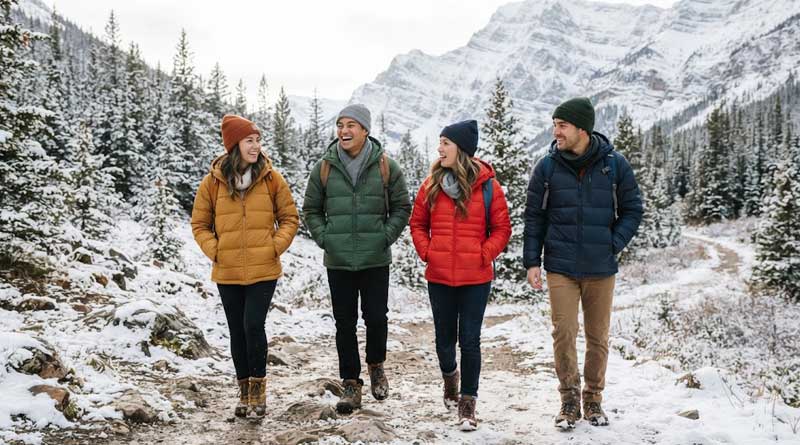
Winter is here, and staying warm shouldn’t cost a fortune. A good puffer jacket traps heat and blocks the wind, but many name-brand options come with a high price tag. Fortunately, you don’t need to break the bank to stay cozy. There are plenty of affordable jackets that are just as warm and durable. In this article, we have rounded up the best budget puffer jackets that offer great quality, style, and comfort without the designer cost. Get ready to stay toasty for less.
1. REI Co-op 650 Down Jacket

- Insulation: 650-fill-power down (bluesign approved)
- Fabric: Recycled ripstop nylon
- Weight: 10.9 ounces
- Back Length: 28.5 inches, hip-length
The REI Co-op 650 Down Jacket is built for anyone who wants dependable warmth without carrying extra bulk. Its 650-fill down keeps heat locked in during chilly hikes and crisp autumn walks, while the recycled ripstop nylon shell adds durability and a slightly rugged feel. The windproof construction makes it a solid pick for breezy trail days.
At under 11 ounces, it packs down easily and layers well under a shell. It lacks a hood, so it works best as a mid layer or for milder winter conditions rather than harsh storms. Overall, it’s a reliable, eco-conscious choice for multisport and hiking use.
Pros:
- Lightweight and packable
- Sustainable, bluesign-approved materials
- Good windproof protection
Cons:
- No hood included
- Not ideal for extreme cold
See the REI Co-op 650 Down See the Women’s 650 Down
2. TACVASEN Men’s Puffer Jacket

- Insulation: Down alternative with sherpa fleece lining
- Fabric: Polyester, water-resistant and windproof
- Pockets: 3 zippered pockets
- Hood: Sherpa lined, attached
The TACVASEN Men’s Puffer Jacket brings cozy, sherpa-lined comfort to cold weather wear. The fluffy down alternative fill traps heat effectively, while the quilted panels prevent it from escaping. Its polyester shell resists light rain and wind, making it a practical option for unpredictable winter days spent outdoors.
Three zippered pockets give ample secure storage for phones, wallets, and keys, and the elastic cuffs and hem seal out drafts. It runs slightly large, so sizing down is worth considering for a fitted look. It suits casual wear, hiking, camping, and other outdoor activities nicely.
Pros:
- Warm sherpa fleece lining
- Water-resistant and windproof shell
- Multiple secure pockets
Cons:
- Sizing runs larger than expected
- Not fully waterproof
See the TACVASEN Men’s Puffer Jacket
3. Outdoor Ventures Women’s Puffer Jacket

- Insulation: High-tech synthetic insulation
- Fabric: Water-resistant shell
- Pockets: 2 outside zipper pockets plus 1 chest pocket
- Design: Packable, folds into its own pocket
The Outdoor Ventures Women’s Puffer Jacket combines everyday comfort with clever packability. Its high-tech insulation retains warmth effectively while elasticized cuffs and hem help block wind from sneaking in. The center-front zipper includes a chin guard for added next-to-skin comfort, making it pleasant to wear on chilly days.
Three zippered pockets offer secure storage for essentials, and the fold-in-pocket design turns the jacket into a compact travel-friendly bag. It’s lightweight and water-resistant, suited for light rain, but not built for heavy downpours or deep winter extremes. A versatile three-season option for casual and outdoor use.
Pros:
- Packs into its own pocket
- Secure, privacy-friendly pockets
- Comfortable elasticized fit
Cons:
- Not suited for heavy rain
- Best for milder winter conditions
See the Outdoor Ventures Women’s Puffer Jacket
4. REI Co-op Trailmade Insulated Hoodie

- Insulation: 100g recycled polyester (bluesign approved)
- Fabric: 100% polyester shell and lining
- Hood: Yes, attached
- Weight: 1 lb. 3.8 oz.
The REI Co-op Trailmade Insulated Hoodie is designed to extend hiking season into colder months. Its 100g synthetic insulation, made from 98% recycled polyester, delivers reliable three-season warmth without excessive bulk. The attached hood adds extra coverage on windy trail days, and the polyester build keeps the jacket easy to maintain.
It layers effortlessly beneath a rain shell, making it a smart mid-layer choice for variable weather. While it’s not a heavyweight winter coat, it performs well for brisk hikes and everyday outdoor errands. Sustainable materials and a trail-ready design make it a solid pick for eco-conscious hikers.
Pros:
- Recycled, sustainable insulation
- Layers well under shells
- Includes a hood
Cons:
- Not heavy enough for deep winter
- Slightly heavier than down options
View Men’s at REI View Women’s at REI
5. Amazon Essentials Men’s Puffer Jacket

- Fabric: Water-resistant nylon taffeta shell
- Lining: Polyester, fully quilted and insulated
- Fit: Regular fit through shoulders and chest
- Pockets: Two zippered hand pockets
The Amazon Essentials Men’s Puffer Jacket is a straightforward, budget-friendly option for cold-weather basics. The water-resistant nylon taffeta shell sheds light moisture, while the fully quilted polyester lining traps warmth effectively. Its regular fit offers comfortable movement without feeling tight, and the attached hood adds extra protection against wind.
Elasticated cuffs, hood opening, and hem help seal out cold air, and the included carrying bag makes it easy to pack for travel. It won’t compete with premium down jackets in warmth, but for everyday cold-weather styling and casual use, it delivers solid value at an accessible price point.
Pros:
- Affordable everyday option
- Packs into included carrying bag
- Water-resistant shell
Cons:
- Less warmth than down jackets
- Basic styling
See the Amazon Essentials Men’s Puffer Jacket
6. Amazon Essentials Women’s Puffer Jacket

- Fabric: Water-resistant nylon or polyester shell
- Lining: Fully quilted and insulated
- Fit: Fitted through chest, waist, and hips
- Design: Packable with included storage bag
The Amazon Essentials Women’s Puffer Jacket offers a flattering, fitted silhouette paired with dependable warmth. The durable, water-resistant shell fabric holds up well to daily wear, while the quilted lining provides steady insulation for cool fall and winter days. A classic design with clean seams keeps the look polished.
Zippered pockets, a stand collar, and elastic cuffs round out the practical details, and the jacket compresses easily into its included bag for travel or storage. It layers nicely over sweaters or tees, though it’s better suited to moderate cold than extreme winter conditions.
Pros:
- Flattering fitted design
- Packable and travel-friendly
- Good layering piece
Cons:
- Not ideal for severe cold
- Limited color/print insulation differences
See the Amazon Essentials Women’s Puffer Jacket
7. TDYPCI Women’s Puffer Jacket

- Hood: Detachable for versatility
- Style: Fashion-forward fitted design
- Insulation: Down jacket construction
- Best Use: Winter outings and city wear
The TDYPCI Women’s Puffer Jacket blends style with functional warmth for winter wear. Its down fill keeps you comfortably warm during cold outings, whether running errands or heading out for the evening. The detachable hood is a nice touch, letting you switch between a sleek coat look and added coverage.
Designed with a fashion-forward silhouette, it fits closely for a polished appearance rather than a bulky outdoorsy feel. It works well for city life and casual winter styling, though it’s less suited to rugged outdoor adventures or extreme weather compared to technical alternatives.
Pros:
- Stylish, fitted silhouette
- Detachable hood for versatility
- Warm down insulation
Cons:
- Not built for rugged outdoor use
- Limited technical specifications listed
See the TDYPCI Women’s Puffer Jacket
8. ZENOVIX Men’s Puffer Coat
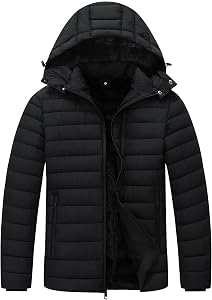
- Fabric: Waterproof and windproof shell
- Lining: Flannel for extra warmth
- Hood: Detachable
- Pockets: Two external zippered plus internal pockets
The ZENOVIX Men’s Puffer Coat is built to handle cold, wet conditions with confidence. Its waterproof, windproof fabric shields against rain and wind, while the flannel lining adds a cozy layer of extra warmth. The detachable hood offers flexibility depending on the weather or personal styling preference.
Generous zippered external pockets and internal storage keep essentials organized and secure, making it practical for hiking, camping, skiing, and fishing trips. The coat may appear thin on arrival but fluffs up nicely with a gentle pat, so checking the size chart beforehand is recommended for the best fit.
Pros:
- Waterproof and windproof protection
- Warm flannel lining
- Versatile for multiple outdoor activities
Cons:
- May need fluffing after unpacking
- Sizing requires careful checking
See the ZENOVIX Men’s Puffer Coat
9. Gihuo Women’s Puffer Coat

- Collar: Stand collar design
- Closure: Zip front
- Pockets: Zippered pockets
- Length: Short, baggy silhouette
The Gihuo Women’s Puffer Coat is a casual, easy-to-style piece that pairs well with sweaters, jeans, leggings, or skirts. Its stand collar helps shield your neck from cold winter air, while the baggy silhouette offers a relaxed, comfortable fit that layers effortlessly over other clothing pieces throughout the season.
Zippered pockets provide a secure spot for small essentials, and the straightforward zip-front closure makes it quick and easy to put on. It’s a versatile short coat suited to everyday casual wear, though it lacks the technical detailing found in more outdoor-focused jackets on this list.
Pros:
- Versatile, easy to style
- Comfortable relaxed fit
- Protective stand collar
Cons:
- Lacks technical outdoor features
- Baggy fit not for everyone
See the Gihuo Women’s Puffer Coat
10. Tommy Hilfiger Hooded Jacket
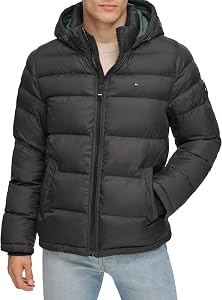
- Fabric: Nylon puffer shell
- Cuffs: Rib knit storm cuffs
- Collar: Fleece lined stand collar
- Hood: Adjustable draw cords
The Tommy Hilfiger Hooded Jacket combines classic brand styling with genuinely functional cold-weather features. The nylon shell blocks out chilly air effectively, while rib knit storm cuffs and a fleece lined stand collar add extra insulation exactly where you need it most during blustery winter days.
A center front zipper and two side pockets provide practical storage, and the adjustable draw cords on both the hood and collar let you fine-tune warmth and fit. The embroidered flag detailing on the chest and cuffs adds authentic brand flair, making it a stylish option for everyday winter wear.
Pros:
- Recognizable brand styling
- Adjustable hood and collar
- Warm fleece lined collar
Cons:
- Limited pocket storage
- Premium price for brand name
See the Tommy Hilfiger Hooded Jacket
How to Choose Budget Puffer Jackets
Walking into a winter coat aisle can feel overwhelming. There are so many shapes, colors, and price tags that it is hard to know where to start. If you are shopping on a tight budget, the pressure feels even greater. You want a jacket that keeps you warm, looks decent, and does not fall apart after one season. The good news is that you do not need to spend hundreds of dollars to get a good puffer jacket. With a little know-how, you can find a budget-friendly option that checks all your boxes. This guide will walk you through every important factor, from insulation to zippers, so you can make a smart purchase with confidence.
Understanding Insulation: Down vs. Synthetic
The most important part of any puffer jacket is what is inside it. The filling is what traps your body heat and keeps the cold air out. There are two main types of insulation used in budget puffer jackets: down and synthetic. Each has its own strengths and weaknesses, and your choice will depend on your needs and local weather.
Down Insulation
Down is the soft, fluffy layer found under the feathers of ducks or geese. It is famous for being incredibly warm, lightweight, and compressible. This means a down jacket can pack down small into a stuff sack, which is great for travel. However, down has a major downside: it loses its insulating power when wet. If you live in a rainy or very snowy area, a down jacket might not be the best choice unless you are willing to spend more on a water-resistant shell. Also, genuine down is usually more expensive, so finding it in a true budget jacket can be tricky. Some budget jackets use a down blend, which mixes real down with synthetic fibers to lower the cost.
Synthetic Insulation
Synthetic insulation is made from polyester fibers that are designed to mimic the loft of down. The biggest advantage of synthetic fill is that it continues to keep you warm even when damp. It also dries much faster than down. For budget shoppers, synthetic is often the better choice because it is cheaper to produce. You will find a wider range of affordable jackets with synthetic insulation. The trade-off is that synthetic is usually heavier and less compressible than down. It also tends to lose its loft over time as the fibers break down from repeated compression. However, for everyday wear in wet or variable climates, a synthetic budget puffer is a reliable and practical option.
Fill Power and Fill Weight
When you look at jacket labels, you might see numbers like “600-fill” or “700-fill.” This is called fill power, and it measures the quality of the insulation. Fill power refers to how many cubic inches one ounce of down occupies. A higher number means the down is fluffier and traps more air, which means more warmth for less weight. For budget jackets, you will typically see fill power between 400 and 600. This is perfectly fine for mild to moderate winters. Do not get too caught up in chasing high numbers if you are on a budget. A lower fill power jacket with a thicker layer of insulation can still be very warm.
Fill weight is a different measurement. It refers to the total amount of insulation inside the jacket, measured in grams. A jacket with a lower fill power but a higher fill weight (more insulation stuffed inside) can be just as warm as a higher fill power jacket with less fill. When shopping on a budget, pay more attention to how the jacket feels in person. If it feels substantial and puffy, it is likely to keep you warm regardless of the numbers on the tag.
Shell Material and Water Resistance
The outer fabric of your puffer jacket is just as important as the filling. It protects the insulation from wind, rain, and everyday wear and tear. Most budget puffer jackets use nylon or polyester shells. Both are durable and lightweight. However, the quality of the fabric can vary a lot.
Denier and Durability
Denier is a unit of measurement for fabric thickness. A higher denier number means a thicker, more durable fabric. For example, a 40-denier shell is lighter and softer, while a 200-denier shell is tougher and more resistant to snags. If you plan to wear your jacket for outdoor activities or commuting, look for a higher denier fabric. For casual city wear, a lower denier is fine and often feels more comfortable.
Water-Repellent Coatings
Most budget puffers come with a DWR (Durable Water Repellent) coating on the shell. This coating causes water to bead up and roll off the surface instead of soaking in. This is crucial because a wet jacket will not keep you warm, no matter what type of insulation you have. A good DWR coating will protect you from light rain and snow. However, remember that DWR is not the same as waterproof. In heavy, persistent rain, water will eventually soak through. For a budget jacket, look for one that specifically mentions a water-resistant or water-repellent finish.
Fit and Comfort
A puffer jacket can have the best insulation in the world, but if it does not fit well, you will not be comfortable. When trying on a budget jacket, there are a few key areas to check.
- Shoulders and Arms: You should be able to move your arms freely without the jacket pulling across your back. Make sure there is enough room to layer a sweater or hoodie underneath.
- Length: Puffer jackets come in different lengths. Hip-length jackets are the most common and versatile. Longer coats offer more coverage for your lower body, while shorter ones are great for high-energy activities.
- Neck and Collar: A good jacket will have a high collar that comes up to your chin. This helps seal in heat and keeps cold drafts from sneaking down your neck.
- Cuffs: Look for elastic or adjustable cuffs. These help keep the sleeves in place and block wind from entering through the arms.
Do not be afraid to size up if you plan to wear thick layers underneath. Many budget jackets run small, so it is a good idea to read customer reviews about sizing before you buy.
Key Features to Look For
Budget does not have to mean basic. Many affordable puffer jackets come with useful features that make them much more comfortable to wear. Here is a simple checklist of features that add value without adding much to the price.
| Feature | Why It Helps |
|---|---|
| Two-way zipper | Lets you unzip from the bottom for more mobility when sitting or driving. |
| Zippered pockets | Keeps your phone, keys, and wallet secure and dry. |
| Adjustable hood | Allows you to tighten the hood around your face for extra protection from wind. |
| Internal chest pocket | Great for storing valuables like a passport or wallet close to your body. |
| Baffle construction | Box-wall baffles prevent insulation from shifting and creating cold spots. |
| Stuff sack included | Makes the jacket easy to pack and carry when you are not wearing it. |
Not every budget jacket will have all of these features, and that is okay. Pick the ones that matter most to your daily routine. For example, if you commute by bus, a zippered pocket and an adjustable hood are very useful. If you drive, a two-way zipper is a nice bonus.
Weight and Packability
One of the best things about puffer jackets is how lightweight they are compared to heavy wool coats. However, not all budget puffers are equally light. Some use thicker fabrics and heavier insulation, which makes them warmer but bulkier. Others are designed to be ultralight and packable.
If you travel often or live in a place with unpredictable weather, a packable puffer is a great investment. These jackets can be folded into their own pocket or a small bag. You can keep one in your car or backpack for sudden cold snaps. On the other hand, if you live in a very cold climate, you might prefer a heavier jacket that feels more substantial. Weight is not a sign of quality, but it is a sign of what the jacket is designed for. Choose based on how you plan to use it.
Stitching and Baffle Design
Take a close look at the stitching on a budget puffer jacket. The seams are what hold the insulation in place. If the stitching is uneven or loose, the jacket may leak feathers or synthetic fill over time. This is a common problem with very cheap jackets.
Baffles are the compartments that hold the insulation. There are two main types:
- Stitch-through: The outer and inner layers are sewn directly together, creating a quilted pattern. This is the most common and affordable design. However, the stitching can create small cold spots where the needle passed through.
- Box-wall: The inner and outer layers are connected by fabric walls, creating a three-dimensional box. This allows the insulation to fully loft up and eliminates cold spots. Box-wall construction is usually more expensive, but you can sometimes find it on higher-end budget jackets.
For most people, stitch-through baffles work perfectly fine. Just make sure the stitches are tight and evenly spaced.
Brand vs. No-Name
When you are on a budget, it can be tempting to buy the cheapest no-name jacket you find online. While that can sometimes work out, there are risks. Bigger brands often have better quality control, reliable return policies, and more transparent material sourcing. However, many lesser-known brands offer excellent value by cutting out marketing costs.
Your best strategy is to read reviews from real customers. Look for feedback about durability, warmth, and zipper quality. Also, check if the brand offers a warranty or satisfaction guarantee. Even a budget jacket should last you at least two or three winters if you take care of it.
Care and Maintenance
Taking proper care of your inexpensive puffer jacket will extend its life significantly. Here are a few simple tips to keep it looking and performing like new:
- Always follow the washing instructions on the label. Most synthetic puffers can be machine-washed on a gentle cycle with cold water.
- Use a mild detergent. Avoid fabric softeners, which can clog the pores of synthetic insulation and reduce its loft.
- Tumble dry on low heat with a couple of clean tennis balls. The balls help break up clumps of insulation and restore fluffiness.
- Store your jacket loosely in a cool, dry place. Do not compress it for long periods, as this can damage synthetic fibers.
- Reapply a DWR spray every season to restore water repellency.
With a little care, even the most affordable puffer jacket can serve you well for years.
Making Your Final Decision
Choosing the right budget puffer jacket comes down to balancing your needs with your wallet. Start by thinking about your local climate. If you face wet winters, prioritize synthetic insulation and a good water-repellent shell. If your winters are dry and cold, a down blend might be worth the extra few dollars. Next, think about your daily activities. Do you need a jacket for commuting, hiking, or just walking the dog? That will tell you whether you need a heavy-duty shell or a lightweight, packable design.
Finally, set a realistic budget. Puffer jackets usually fall between $50 and $120. In this range, you can find jackets with good insulation, decent fabric, and reliable zippers. Avoid anything below $30, as the quality is often poor. Remember, the goal is not to buy the cheapest jacket, but to buy the best jacket for your money. Take your time, read reviews, and check the return policy. With these tips in hand, you are ready to find a warm, stylish, and affordable puffer that will get you through the winter in comfort.