
Best 4-Season Tents in the UK
Camping enthusiasts in the UK know that weather can be unpredictable. So that’s why having a reliable 4-season tent is crucial. These tents are designed to withstand harsh conditions like heavy rain, strong winds, and freezing temperatures. In this article, we’ll explore the best 4-season tents available in the UK market. We’ll consider factors like waterproofing, ventilation, durability, and weight to help you choose the perfect tent for your next adventure, whether it’s a winter expedition in the Scottish Highlands or a summer trek in the Lake District.
1. OneTigris Stella

Weight: 2kg
Capacity: 2P
Dimensions: 125 x 210cm
Peak Height: 115cm
The OneTigris Stella camping tent is a solid choice for campers seeking a lightweight and durable tent. Weighing just 4.4 pounds (2 kg), it’s easy to carry on long trips. Its 20D Nylon outer fabric, coated with a single layer of silicone, makes it resistant to wear and tear. With a 3000mm waterproof rating, this tent can withstand rainy weather without trouble. The tent’s removable blackout outer layer is useful, letting you adjust for different lighting and weather conditions. It’s spacious enough to fit two small adults, but larger campers might find it a bit tight. It also has two doors with vestibules, offering extra room for storing gear out of the rain.
Setting up the Stella is quick, thanks to the straightforward design. Flexible poles cross at the top and anchor at each corner, creating a sturdy dome structure. Inside, the tent has good airflow due to the quality mesh inner layer, which is crucial for comfort in different climates. There are helpful pockets in the corners to store small items, and a hook at the top to hang a lantern. A thoughtful feature is the small fabric triangle covering the bottom zipper area, which blocks drafts. Although the tent comes with only ten stakes (but needs twelve), you can easily bring extras. Adding a tent footprint is recommended, as the floor material feels a bit thin. Overall, the OneTigris Stella impresses with quality and user-friendly features, though minor adjustments enhance its full potential.
What I like: Lightweight and durable, waterproof, 4-season design, easy setup.
What I don’t: Limited peg count, thin floor, inconvenient delivery process.
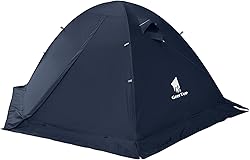
2. GEERTOP Ultralight
Weight: 3kg
Capacity: 2P, 4P
Dimensions: 140 x 210cm
Peak Height: 115cm
The GEERTOP Ultralight 2 Person Backpacking Tent is a tough, all-season shelter designed for serious outdoor adventures. Its PU3000mm rainproof coating and 360° snow skirt offer excellent protection against heavy rain, wind, and snow, making it ideal for all four seasons. The 210T ripstop nylon fabric resists abrasions from rocky terrain and dense brush, ensuring long-lasting durability. Inside, the tent measures 210 x 140 x 115 cm, providing enough room for two adults or one camper and a large dog. A 60 cm vestibule adds extra storage space for backpacks, boots, and other gear, keeping the sleeping area dry and organised.
Despite its robust build, this tent is remarkably easy to pitch. The freestanding aluminium pole design allows for a quick setup in under 8 minutes, perfect for both beginners and experienced campers. Two D-shaped mesh doors and dual zippers offer great ventilation and easy entry, while reflective guy lines and aluminium stakes provide added stability in windy weather. Weighing under 3.2 kg and packing down to a compact 43 x 18 x 18 cm, it’s an excellent choice for backpacking, bike camping, or canoe trips. Users praise its strong floor, dependable waterproofing, and surprisingly small pack size, calling it a “true 2-person tent” that’s tough, versatile, and great value for money.
What I like: Excellent weather protection, quick and easy to set up, and good ventilation
What I don’t: Though called “ultralight”, at around 3.0-3.2 kg it’s heavier than premium ultralight “single-hoop” 2-person tents.
See the GEERTOP Ultralight 2P See the GEERTOP Ultralight 4P
3. Naturehike Cloud-Up

Weight: 1.7kg
Capacity: 1P, 2P, 3P
Dimensions: 130 x 210cm
Peak Height: 105cm
The Naturehike Cloud-Up tent is an impressive choice for solo campers or backpackers looking for a lightweight, waterproof shelter. It uses durable 210T Nylon fabric and offers up to PU 3000mm waterproof protection, ensuring no water seeps through during heavy rain. The flysheet fully covers the tent, creating a reliable shield against unexpected downpours. It’s designed with a double Y-shaped structure and 7001 aluminium poles, making setup simple and efficient. Even one person can set up this tent in just a few minutes, perfect for situations where quick assembly is essential. At a compact 41×13 cm when packed and weighing only 4.51 lbs, this tent is easy to carry and ideal for those who want to travel light without compromising on shelter quality.
Inside, the Cloud-Up offers ample room with a floor area of 210×125 cm. It comfortably accommodates one adult with luggage and could squeeze in a second person in a pinch. There’s one entrance with extra room for luggage, providing convenient access and storage. The tent’s double-layer walls and extra ventilation windows make it well-ventilated, while high-density mesh protects against insects, offering comfort in all seasons. However, storage options are limited, with only one small pocket above the door. While the design may seem snug, especially in rainy weather, it’s still a reliable and well-constructed shelter. The lightweight build and straightforward setup make it a fantastic option for serious backpackers. This tent might take a couple of tries to pitch perfectly, but once mastered, it’s easy and quick, making it well worth the investment.
What I like: Waterproof and durable for various weather conditions.
What I don’t: Limited storage space due to lack of internal pockets.
See the Cloud-Up 2 See the Cloud-Up 3
4. Coleman BlackOut

Weight: 5.2kg
Capacity: 4P
Dimensions: 260 x 340cm
Peak Height: 140cm
The Coleman BlackOut is a winter 4-man tent that is ideal for campers who value comfort, privacy, and weather protection. Its unique BlackOut bedroom blocks out 99% of daylight, keeping the tent cooler by up to 5°C. This feature ensures a restful sleep without early sunrise interruptions. The tent’s design is compact yet spacious, with enough room to fit two double blow-up mattresses. It also includes a large storage area for keeping gear and muddy boots out of the sleeping space. PVC windows with covers add a touch of light and privacy, letting you balance brightness as needed. The tent is lightweight and sturdy, with flexible fibreglass poles that can withstand wind. Setting it up is straightforward and can be done by one person, making it convenient for solo campers or families.
Coleman made this tent to withstand challenging weather conditions. It’s fully waterproof, with a 4500mm hydrostatic head rating and taped seams to keep rain out, plus a sewn-in groundsheet. It also offers SPF 50 sun protection, adding peace of mind in strong sun or rain. However, some campers noted a minor flaw—a pin-prick hole in the flysheet that is noticeable due to the blackout effect. The flysheet could use more overlap around the storage area to prevent leaks in heavy rain. The tent’s black guy lines are easy to miss at night, so glow-in-the-dark pegs could be helpful. Despite minor drawbacks, this tent is practical, easy to pitch, and reliably protects campers from the elements.
What I like: Excellent blackout technology for undisturbed sleep.
What I don’t: Potential for water ingress around the storage area if not pitched correctly.
5. Highlander Blackthorn

Weight: 1.85kg
Capacity: 1P
Dimensions: 105 x 255cm
Peak Height: 75cm
The Highlander Blackthorn 1XL is an upgraded version of the popular Blackthorn 1, designed for solo adventurers looking for a lightweight, easy-to-carry tent. Weighing only 1.85kg, it’s ideal for bikers, cyclists, and trekkers who need a simple and portable shelter. Setup is a breeze, with an average pitch time of just five minutes, making it convenient for quick stops. The tent’s dimensions—280x180x80 cm for the outer pitch and 255x105x75 cm for the inner pitch—offer a bit more room than previous versions, though space inside remains limited. Made with 190T breathable polyester and a waterproof PU coating, the Blackthorn 1XL provides reasonable protection from light rain and damp weather. It also includes taped seams for added waterproofing and hi-visibility guylines for better stability.
Despite these advantages, the Blackthorn 1XL has some drawbacks. It doesn’t fare well in wet and windy conditions due to its two-layer setup, which requires the poles to be fixed to the inner layer first. This means the inner tent can get soaked before you have a chance to attach the waterproof outer layer. The limited porch space is barely enough for gear storage or cooking, so it’s better suited for short, solo trips in mild weather. On the plus side, it includes a built-in bug net to protect against midges, a common nuisance in the Scottish Highlands. Overall, if you’re after a budget-friendly, lightweight tent for solo trips in fair weather, this 1-man tent is a solid choice. Just be prepared to pack a compact sleeping pad to make the most of its compact interior.
What I like: Lightweight, easy to pitch, affordable, good for fair weather camping.
What I don’t: Small and lacks a porch, not ideal for wet and windy conditions.
6. OEX Bandicoot II

Weight: 1.6kg
Capacity: 2P
Dimensions: 305 x 140cm
Peak Height: 104cm
The OEX Bandicoot II is a sturdy and dependable two-person tent built for year-round camping in the UK’s unpredictable weather. Its Sil/Nylon flysheet is lighter and more flexible than standard PU-coated fabrics, offering excellent waterproof protection and breathability. The material repels moisture on both sides, helping to prevent condensation and reducing the risk of mould and mildew. The sewn-in groundsheet keeps out draughts, insects, and groundwater, while also retaining heat on chilly nights. The semi-geodesic frame and Endura poles give it outstanding wind resistance, making it well-suited for exposed hillsides or coastal campsites where stability matters most.
Practicality is another strong point. The dual-door layout provides easy access for both campers, while the built-in porch offers a decent sitting height for cooking or storing gear—ideal for those damp mornings when you want to stay sheltered. Despite its strength, the tent remains lightweight and compact, thanks to the advanced N-Liten Sil/Nylon fabric that packs down small without compromising durability. It’s a well-balanced choice for weekend hikers, wild campers, or anyone seeking a tough, weatherproof tent that won’t weigh them down. The OEX Bandicoot II combines rugged performance with thoughtful design, making it a solid mid-range option for adventure seekers who value reliability and comfort.
What I like: Very lightweight and packable.
What I don’t: Smaller internal dimension for two people.
7. Coleman Cobra

Weight: 2.9kg (3P)
Capacity: 2P, 3P
Dimensions: 310 x 313cm
Peak Height: 105cm
The Coleman Cobra tent is a fantastic choice for two-person backpacking. Its ultra-lightweight design, weighing just 3.3 kg, makes it easy to carry on hikes, cycling trips, or motorbike tours. The tent has a small pack size of 52 x 20 x 20 cm, so it can fit in most backpacks. Setting it up is straightforward; it takes just a few minutes for one person, thanks to the aluminium pole system. Even for taller campers, the tent provides ample space. It offers 3.9 m² in the sleeping area, plus 1.9 m² in the awning, giving room for gear, bags, and shoes. Plus, with ventilation flaps, the airflow inside helps prevent condensation.
The Coleman Cobra shines with its waterproof features, boasting a 3000 mm water column rating and fully taped seams. This means it’s reliable against rain and keeps out insects with a fully sewn-in floor. UV Guard 50 provides extra protection against the sun, extending the tent’s life. However, although the tent is light, some users find it a bit bulky when packed. It might take up a good amount of space in a backpack, though strapping it outside is an option. The tent’s pegs are strong, but swapping the ones near the entrance with smaller ones can prevent accidents. Some users mention the zipper can catch on the fabric, so being gentle when unzipping helps. Overall, this tent offers great comfort and durability, making it a top choice for adventurers who want a spacious, weather-resistant shelter.
What I like: Spacious interior for two men and gear.
What I don’t: Zippers are delicate and prone to snagging.
8. Vango Nevis

Weight: 2kg
Capacity: 2P
Dimensions: 185 x 245cm
Peak Height: 105cm
The Vango Nevis is a cheap tunnel-style 4-season tent that offers an excellent balance between weight, space, and durability. Built with ProTex 70D polyester and a 3000mm hydrostatic head flysheet, it keeps you dry through heavy rain, while the 6000mm HH groundsheet ensures solid protection against damp ground. The PowerLite 7001-T6 alloy poles add strength without excess weight, and the TBSII Tension Band System helps the tent stand firm in strong, shifting winds. It can be pitched flysheet-first or all-in-one, ideal for quick setups when the weather turns. The tent is also Duke of Edinburgh Award recommended, proving its reliability for youth expeditions and solo backpackers alike.
Inside, the Nevis offers just enough comfort for a solo camper. While it’s marketed as a two-person tent, most users find it better suited for one person with gear—or “one man and his dog.” The breathable polyester inner and mesh door reduce condensation and keep bugs out, while front and rear vents help maintain airflow. The single porch is a handy space for your pack, boots, and cooking gear, and the Fast Pack tent bag makes packing away simple with its oversized opening and compression straps. Pitching takes about five minutes, and though the end poles can be a bit stiff, they provide excellent tension and stability. Discreet, dependable, and easy to carry, the Vango Nevis is an impressive choice for wild camping or solo adventures where reliability and compactness matter most.
What I like: A decent 4-season tent at an affordable price.
What I don’t: Limited capacity, especially for taller men.
9. Eurohike Avon

Weight: 5.72kg
Capacity: 3P
Dimensions: 230 x 350cm
Peak Height: 130cm
The Eurohike Avon is an inexpensive, practical 4-season tent designed for all types of weather. Its waterproof flysheet, with a 2000mm hydrostatic head, kept me dry through 18 hours of heavy rain. Even in 50 mph gusts, the tent held up remarkably, with just a tiny leak by the side entrance, which was manageable. The tent’s ventilation system works well too, thanks to its built-in air vents. The bedroom stayed condensation-free, even as temperatures dipped to 2°C at night. However, condensation was noticeable in the porch area. The darkened bedroom feature blocks 80% of sunlight, so I wasn’t woken up at sunrise, making for comfortable mornings.
In terms of space, the Avon is generous. The bedroom is large enough to fit both a single and double airbed, and it comfortably accommodates three people. There are handy storage pockets on each side and a hook for hanging a lantern, keeping things organised. The spacious porch area with both front and side doors provides easy access and enough room for gear. You can fit a chair, a small table, and a camping stove in the vestibule. My only minor complaint is with the flimsy zips and the poles, which were challenging to slide in, but easier to remove with a push. Overall, I’m very pleased with the Eurohike Avon and would recommend it, especially for campers facing unpredictable weather. My dog also loved it—always a good sign!
What I like: Waterproof and ventilated design for all weather conditions.
What I don’t: Potential for condensation in the vestibule in cold, wet conditions.
10. Vango Hydra 200

Weight: 2.89kg
Capacity: 2P
Dimensions: 140 x 320cm
Peak Height: 107cm
The Vango Hydra 200 is a solid, semi-geodesic tent perfect for wild camping and backpacking. It’s designed to be self-supporting, which means it holds up well on uneven ground and offers a good balance between weight and stability. The tent can comfortably house one person with gear, and maybe two people if you pack light. Made from ProTex 70D 5000 mm hexagonal polyester, the flysheet provides impressive waterproofing and is highly durable. Vango’s exclusive material and European-standard testing make this tent weather-ready for wind, rain, and chilly conditions. Setting it up is straightforward; you can pitch it flysheet-first for quick shelter or all-in-one for fast setup and takedown. The flysheet door can be opened from either side or rolled up entirely, making it adaptable in various weather conditions. Its PowerLite Alloy Poles are lightweight, durable, and color-coded, making the tent’s pitching process even more intuitive.
This weekend, the Hydra 200 performed well, despite some minor issues. Condensation build-up was noticeable, though to be expected in chilly, damp weather. The pegs, while functional, bent a bit on rocky ground, as they’re best for softer surfaces. Pitching requires a bit of strength to fit the poles into their eyelets, and slightly longer tension lines would make securing the tent easier. Ventilation is mostly fine, but closing one vent would help block cold air when needed. The tent’s size is ideal for a solo camper with gear or a pet, though taller users (6’5” or more) may find it cramped if sharing. Overall, it’s a good tent for its price range, falling between entry-level and professional standards.
What I like: Excellent weather resistance, especially in wind and rain.
What I don’t: Prone to condensation in colder conditions.
Best UK 4-Season Tents: Comparison Table
| TENT | WEIGHT | CAPACITY | DIMENSIONS | PEAK HEIGHT |
|---|---|---|---|---|
| OneTigris Stella | 2kg | 2P | 125 x 210cm | 115cm |
| GEERTOP Ultralight | 3kg | 2P, 3P | 140 x 210cm | 115cm |
| Naturehike Cloud-Up | 1.7kg | 1P, 2P, 3P | 130 x 210cm | 105cm |
| Coleman BlackOut | 5.2kg | 4P | 260 x 340cm | 140cm |
| Highlander Blackthorn | 1.85kg | 1P | 105 x 255cm | 75cm |
| OEX Bandicoot II | 1.6kg | 2P | 305 x 140cm | 104cm |
| Coleman Cobra | 2.9kg | 2P, 3P | 310 x 313cm | 105cm |
| Vango Nevis | 2kg | 2P | 185 x 245cm | 105cm |
| Eurohike Avon | 5.72kg | 3P | 230 x 350cm | 130cm |
| Vango Hydra 200 | 2.89kg | 2P | 140 x 320cm | 107cm |
How to Choose a 4-Season Tent?

For outdoor enthusiasts in the United Kingdom, a 4-season tent is an essential piece of gear. It’s designed to withstand harsh weather conditions all year round, making it suitable for winter camping, high altitudes, and unpredictable mountain weather. Choosing the right tent can make your camping experience safer and more comfortable. In this guide, we’ll walk you through the most important factors to consider when selecting a 4-season tent.
Understanding 4-Season Tents
A 4-season tent is built to handle more extreme conditions than a standard tent. These tents have stronger materials and better insulation. They protect against wind, snow, and even freezing rain. They’re specifically designed for use in winter or high-altitude camping, where the weather can be intense. Unlike 3-season tents, which are more suitable for spring, summer, and fall, 4-season tents can be used all year round.
Types of 4-Season Tents
There are two main types of 4-season tents: mountaineering tents and winter tents. Mountaineering tents are heavier and more durable. They can withstand strong winds and heavy snow. Winter tents are lighter and often less insulated but still built to handle cold weather. Each type has its own benefits, so think about the kind of weather you’ll face. Mountaineering tents are best for extreme conditions, while winter tents are a good choice for cold but less intense environments.
Weight and Portability
One of the most important factors to consider when choosing a 4-season tent is its weight. A heavier tent offers more durability and stability but can be difficult to carry. If you’re hiking long distances or climbing steep mountains, a lighter tent might be more practical. However, lighter tents might not withstand strong winds or heavy snow as well as heavier tents. Always find a balance between weight and durability based on your needs.
Weather Resistance and Insulation
A 4-season tent’s main purpose is to protect you from harsh weather. Look for a tent with strong weather resistance and good insulation. Double-wall tents provide better insulation, while single-wall tents are more lightweight and breathable. Some tents come with a rainfly, which adds an extra layer of protection against wind and rain. Check the tent’s waterproof rating to ensure it can handle wet conditions. A tent with a higher rating can keep you dry even in heavy rainfall.
Structure and Shape
The shape of a tent affects its stability in extreme weather. Dome-shaped tents are popular for 4-season use because they are more stable and can withstand strong winds. Their rounded shape prevents snow from accumulating on top. Geodesic tents are another option. They have multiple poles crossing each other, which makes them very strong and suitable for harsh conditions. Some tents also have a low-profile design, which reduces wind resistance, but they may offer less interior space.
Ventilation
Ventilation is crucial in a 4-season tent. Poor ventilation can cause condensation to build up inside the tent, which can make it cold and damp. Look for tents with mesh panels or vents that allow airflow without letting in snow or rain. Some tents have adjustable vents, which help you control airflow based on the weather. In colder conditions, you’ll want to reduce ventilation to keep warm air inside, but in milder conditions, increasing ventilation can help you stay comfortable.
Interior Space and Comfort
While camping in extreme conditions, having enough space inside the tent can make a big difference. If you’re sharing the tent, make sure it offers enough room for everyone and their gear. Some 4-season tents have vestibules, which provide extra storage space outside the main sleeping area. Vestibules can be useful for storing wet or muddy gear, and keeping the main area clean and dry. Think about your comfort needs and choose a tent with enough room for you to sleep comfortably.
Set-Up and Ease of Use
The ease of setting up your tent can be critical in harsh weather. Some 4-season tents are designed to be set up quickly, even in cold or windy conditions. Tents with color-coded poles and clips can make the process easier. Freestanding tents are also convenient because they don’t require staking, which can be difficult in snowy or rocky terrain. Practice setting up your tent before your trip, so you’re comfortable with the process when you’re out in the field.
Material and Durability
The material of your tent affects both its durability and weight. Look for a tent with a strong fabric, such as nylon or polyester, with a high-denier rating. Denier is a measure of fabric thickness; a higher denier means more durability. Ripstop fabric is a good option because it resists tearing, which is important in rough conditions. Also, check the tent poles. Aluminium poles are strong and lightweight, making them ideal for 4-season tents.
Price and Budget
4-season tents tend to be more expensive than 3-season tents because of their specialised materials and design. However, there are options available at different price points. Budget-friendly options may be less durable or lack certain features but can still be effective for moderate conditions. If you’re camping in very harsh weather, investing in a high-quality tent is worth it for the added protection and comfort. Decide on your budget based on the conditions you’ll be facing and how often you’ll use the tent.
Brands and Reviews
There are many brands that specialise in 4-season tents, and each offers unique features. Research different brands and read customer reviews. This can give you insight into the tent’s performance in real-world conditions. Brands like Hilleberg, MSR, and The North Face are well-known for their quality 4-season tents. User reviews often highlight important details, such as the ease of setup, durability, and comfort. Look for reviews from people who have used the tent in similar conditions to yours.
Testing Before You Go
Once you’ve chosen a tent, try it out before your trip. Set it up in your yard or a local park to get familiar with the setup process. This will also give you a chance to check for any issues, like missing parts or defects. Testing your tent can also help you understand its features, such as ventilation, doors, and zippers. Practising in a controlled environment can prepare you for setting up in harsh conditions.
Maintenance and Storage
Taking care of your 4-season tent is important to ensure it lasts. Clean your tent after each trip, especially if it has been exposed to dirt, snow, or rain. Avoid packing a wet tent for extended periods, as this can cause mildew. Store your tent in a cool, dry place, and avoid compressing it for long periods, as this can damage the fabric and poles. Proper maintenance can extend the life of your tent and keep it ready for your next adventure.
Final Thoughts
Choosing a 4-season tent requires careful consideration of your camping needs and the weather conditions you’ll face. Focus on features like weight, weather resistance, ventilation, and durability. Consider your budget and read reviews to find a tent that offers the best value. Testing your tent and maintaining it properly can help it last for many years. With the right tent, you can enjoy safe and comfortable camping, even in extreme weather.