Best Hot Tents for Winter Camping of 2026
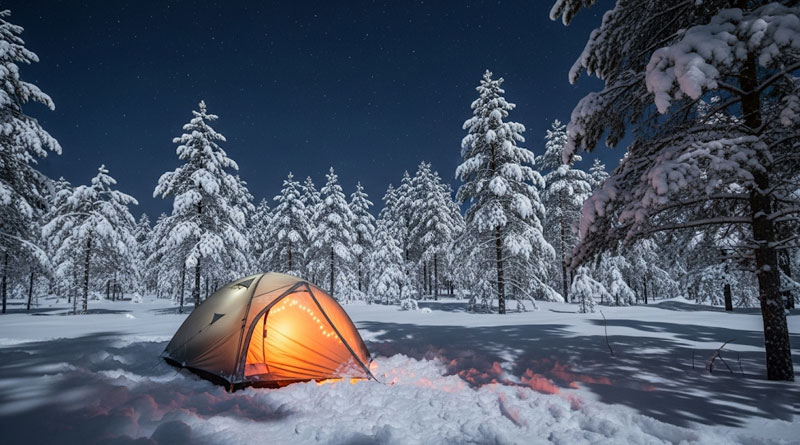
Winter camping can be an amazing adventure, but staying warm and comfortable is the biggest challenge. That’s where hot tents come in. These tents are designed to work with wood stoves, giving you heat, shelter, and a cozy place to rest after long, cold days outdoors. Unlike regular tents, hot tents keep the inside warm and dry, even when temperatures drop below freezing. In this guide, we’ll explore the best hot tents for winter camping, so you can enjoy the beauty of snowy landscapes in comfort and safety.
1. Coleman PEAK1

- Sleeping Capacity: 4-person
- Peak Height: 70 inches
- Floor Area: 61.3 square feet
- Pole Material: 7000-series aluminum
The Coleman PEAK1 is a rugged powerhouse designed for those who refuse to let the forecast dictate their adventure. With its impressive peak height and expansive floor area, it provides a genuinely spacious environment for a group of four. The inclusion of a footprint and high-quality aluminum poles makes it a durable choice for unpredictable weather conditions.
While it is classified as a 3-4 season tent, its weight makes it better suited for car camping or base camps rather than long backpacking treks. The freestanding design is incredibly intuitive, allowing for a quick setup when the rain starts to fall. It balances heavy-duty weather protection with a livable interior that feels like a home away from home.
Pros:
- Spacious 70-inch peak height
- Rugged 4-season versatility
- Footprint included
Cons:
- Heavy packaged weight
- Only one entry door
2. ALPS Mountaineering Tasmanian 2

- Total Weight: 7 lbs. 15 oz.
- Sleeping Capacity: 2-person
- Base Size: 7’8″ L x 5’2″ W
- Water Resistance Technology: 5000mm coating on floor
The ALPS Mountaineering Tasmanian 2 is a robust four-season tent designed to provide maximum protection in any weather. With a full-coverage fly, weatherproof aluminum poles, and a 5000mm coated tent floor, this tent is built to withstand rain, wind, and snow. Its free-standing pole system and pole clips make assembly straightforward and fast, allowing you to set up camp quickly even in challenging conditions. The tent features two doors and two vestibules, which is a significant advantage. It comes fully equipped with high-quality #8 zippers, mesh storage pockets, and a gear loft.
Ventilation is well-managed with fully closable vents, which you can adjust to prevent condensation while maintaining warmth. The weatherproof fly buckles and aluminum stakes add to its durability and stability, making it a reliable choice for mountaineering and backpacking in extreme conditions. Despite its sturdy construction, the packed size is manageable, making it a viable option for serious trekkers. The Tasmanian 2’s focus on durability and functionality makes it a solid investment for adventurers who prioritize a strong, dependable shelter.
Pros:
- Two doors and vestibules
- 5000mm waterproof coating
- Quick and easy setup
Cons:
- Heavier than some other two-person tents
- Larger packed size may be a concern for minimalists
See the ALPS Tasmanian 2 See the ALPS Tasmanian 3
3. NEMO Kunai

- Minimum Trail Weight: 3 lbs. 14 oz.
- Seasons: 3 – 4-season
- Floor Fabric: 30D PU-coated ripstop nylon
- Vestibule Area: 8 square feet
The NEMO Kunai is a masterclass in hybrid design, offering a lightweight profile that transitions seamlessly from wooded trails to high-altitude glaciers. Its tapered profile and reinforced pole structure are engineered to shed wind and snow effectively. This tent is a go-to for backpackers who need a shelter that can handle the transition from spring rains to winter flurries.
Inside, the ripstop nylon construction provides a secure barrier against the elements without the bulk usually found in mountaineering gear. Although the interior is compact compared to a standard camping tent, the dedicated vestibule offers essential storage for muddy boots and packs. It is an elite choice for duos who prioritize technical performance and weight savings.
Pros:
- Extremely lightweight for a 4-season tent
- Excellent wind resistance
- Premium DAC Featherlite poles
Cons:
- Small interior floor area
- Footprint sold separately
See the NEMO Kunai 2P See the NEMO Kunai 3P
4. OneTigris Stella

- Weight: 4.4lb / 2kg
- Waterproof Rating: 3000mm
- Packed Size: 19.7”*5.9”
- Canopy Fabric: 20D Nylon outer
The OneTigris Stella is a versatile and lightweight tent designed for backpackers and campers who value portability and durability. Made from a 20D nylon outer fabric with a single-layer silicone coating, it strikes a great balance between being light and tough. Weighing just 4.4 pounds, it’s easy to carry on long treks without feeling weighed down. The tent’s 4-season design includes a quality mesh inner tent for excellent airflow, while the removable blackout outer tent offers flexibility, allowing you to adapt to different weather conditions.
Setting up the Stella is designed to be straightforward, with flexible poles that cross at the top of the dome for a secure and stable structure. The included setup kit, which contains poles, stakes, and guy-lines, ensures you have everything you need for a quick and easy assembly. The tent’s dimensions provide a comfortable space for one person, making it a good choice for solo adventurers or bushcrafters.
Pros:
- Extremely lightweight and portable
- Simple and quick to set up
- Removable outer tent for adaptability
Cons:
- May feel a bit cramped for two people
- The blackout outer tent might limit views of the surroundings
5. Underwood Aggregator
- Weight: 4 pounds
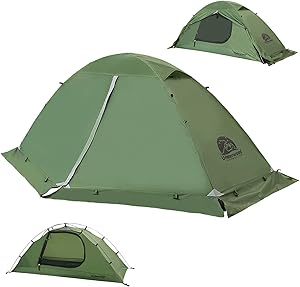
- Sleeping Capacity: 1-person
- Floor Size: 31.8’’ X 86.6’’
- Packed Size: 5.1’’ X 15’’
The Underwood Aggregator is a true four-season tent tailored for the solo adventurer who needs a reliable and compact shelter. Its design cleverly addresses the needs of different seasons, featuring a snow skirt to keep snow out in the winter, which can be rolled up for better ventilation in warmer months. The double-layered door with a mesh design ensures you can keep bugs out while maintaining excellent airflow. With a lightweight design, weighing just 4 pounds, and a compact packed size, this tent is an ideal choice for backpacking trips where every ounce and inch of space matters.
This single-person tent is packed with smart features that enhance the camping experience. It includes a two-way zipper for easy access, a hook for hanging a lantern, and a mesh pocket for storing small items like your phone or headlamp. The double-layered corners provide extra durability against high winds, reinforcing its “extreme weather” tent claim. The freestanding structure with Duraflex fasteners simplifies the setup process, allowing you to quickly get your shelter up and secure.
Pros:
- Very lightweight and compact
- Truly four-season with a versatile snow skirt design
- Durable materials and construction
Cons:
- Only fits one person, which limits its use for couples or groups
- The small size might feel restrictive for larger individuals
6. Forceatt Tent

- Weight: 5.5lb / 2.5kg
- Sleeping Capacity: 2-person
- Waterproof Index: 5000mm
- Interior Height: 43.3in
The Forceatt Tent is a lightweight and user-friendly shelter designed for two people, focusing on ease of use and protection from the elements. Weighing just 5.5 pounds, it’s a manageable option for backpacking and provides a surprisingly roomy interior with two vestibules for gear storage. One of its standout features is the professional waterproof and windproof design, boasting a impressive 5000mm waterproof index and a welded floor that elevates the tent bottom to keep you dry. The full-coverage rainfly provides an extra layer of protection, ensuring you stay comfortable and secure even in wet conditions.
Ventilation is well thought out in the Forceatt Tent, with a large mesh window and two ceiling vents to promote airflow and prevent condensation buildup. The use of micro-mesh fabric not only enhances breathability but also keeps insects out, allowing you to enjoy a clear night sky. The smooth and sturdy #8 zippers are a welcome detail, preventing snags and frustration. The tent also comes with a no-risk purchase guarantee and excellent customer service, which adds peace of mind.
Pros:
- Excellent waterproofing with a 5000mm rating
- Very quick and easy setup
- Good ventilation with mesh windows and ceiling vents
Cons:
- The interior space a bit tight for two people with gear inside
- The no-risk guarantee might not be a substitute for solid long-term durability
7. ALPS Mountaineering Explorer 4

- Item Weight: 9.6 Pounds
- Sleeping Capacity: 4-person
- Water Resistance Technology: 3000mm
- Seasons: 4 Season
The ALPS Mountaineering Explorer 4 is a spacious and reliable four-season tent designed to accommodate up to four people, making it a great option for small families or groups. It’s built to withstand a variety of weather conditions, thanks to its durable construction and 3000mm waterproof rating, which ensures you and your gear stay dry in rain or snow. The tent comes with essential components like a gear loft, poles, rope, and stakes, providing everything you need for a sturdy setup. Its substantial floor area and peak height offer plenty of room to move around and store your belongings, preventing that cramped feeling often found in smaller tents.
While the product description is concise, the listed features point to a tent that prioritizes functionality and protection. Its 9.6-pound weight is reasonable for a four-person tent, especially one designed for four seasons, as it balances durability with portability. The waterproof special feature is key for a tent intended for mountaineering, ensuring it can handle demanding environments. The Explorer 4 is clearly positioned as a dependable, no-frills shelter for groups who need a strong and spacious base camp.
Pros:
- Spacious enough for four people
- Good waterproof rating
- Includes a gear loft and other necessary setup components
Cons:
- Heavier than most backpacking tents
- Limited detailed information in the product description
See the ALPS Mountaineering Explorer 4
8. GEERTOP Ultralight 2

- Weight: 6.8 pounds
- Sleeping Capacity: 2-person
- Waterproof Coating: PU 3000mm
- Packed Size: 17 x 7 x 7 inches
The GEERTOP Ultralight 2 is a lightweight, four-season tent designed for backpacking and other outdoor activities. Weighing just 6.8 pounds, it’s light enough to be carried on extended trips without adding excessive bulk. The tent is constructed from sturdy 210T tear-resistant polyester with a PU 3000mm waterproof coating, offering dependable protection from rain and snow. Its four-season design includes a snow skirt for added water resistance, ensuring the interior remains dry and comfortable in challenging conditions.
Setting up the GEERTOP Ultralight 2 is a straightforward process thanks to its freestanding design and two aluminum poles. It’s simple enough for beginners and can be assembled quickly, which is a huge plus when you’re tired after a long day of hiking. The tent offers a spacious interior for two people, with two small vestibules that provide extra storage for your gear. Ventilation is a priority, with two D-shaped double doors that feature mesh and dual zippers for improved airflow. The included aluminum stakes and reflective guy lines add stability, ensuring the tent can withstand high winds.
Pros:
- Lightweight and portable for a two-person tent
- Versatile double-layer design
- Quick and easy setup
Cons:
- Not as light as some ultralight options
- The vestibules are on the smaller side
A Guide to Choosing a Hot Tent for Winter Camping
Winter camping offers a unique and serene experience, but it also presents a significant challenge: staying warm. While traditional winter tents are excellent at keeping the elements out, they don’t generate their own heat. This is where hot tents come in, a game-changer for anyone looking to extend their camping season into the coldest months. A hot tent is essentially a winter tent equipped with a special vent, or stove jack, that allows you to safely use a portable wood-burning stove inside. The stove not only provides a powerful source of heat but also allows you to dry gear and cook meals. However, selecting the right hot tent requires careful consideration of several factors. This guide will walk you through everything you need to know to choose the perfect hot tent for your winter adventures.
Understanding Hot Tent Components
Before you dive into the specifics of tent models, it’s crucial to understand the two main components of a hot tent setup: the tent itself and the stove. Each plays a vital role in your safety and comfort.
The Tent
A hot tent is designed with specific features to accommodate a stove. The most important of these is the stove jack, a heat-resistant port on the tent wall or roof. This is where the stovepipe passes through, so the material must be able to withstand extremely high temperatures without melting or catching fire. Hot tents are also made from materials that are more durable and fire-resistant than standard tents. The shape and size of the tent are also critical, as they determine how much space you’ll have for yourself, your gear, and the stove.
The Stove
The second part of the equation is the wood-burning stove. These are typically lightweight, portable models made from stainless steel or titanium. They come with a stovepipe, a firebox, and often a damper to control airflow and heat output. When choosing a stove, consider its size, weight, and material. Titanium stoves are more expensive but are significantly lighter, making them ideal for backpacking. Stainless steel stoves are heavier but are often more affordable and durable. The stove’s heat output should be appropriate for the size of your tent. A small stove in a large tent won’t be as effective, and a large stove in a small tent could make things uncomfortably hot.
Key Factors to Consider When Choosing a Hot Tent
With a basic understanding of the components, let’s explore the factors that will help you narrow down your choices.
Size and Capacity
How many people will be using the tent? Hot tents are available in various sizes, from one-person setups to large group shelters. Remember that the listed capacity often doesn’t account for the space taken up by the stove and your gear. For example, a “4-person” hot tent might be a comfortable fit for two people with a stove and all their equipment. Always err on the side of a larger tent if you plan on bringing a lot of gear or want extra space for comfort.
Material and Durability
The material of a hot tent is key to its performance and longevity. Look for tents made from robust, fire-retardant materials. Common options include canvas, ripstop nylon, and polyester. Canvas tents are very durable and breathable, but they are also heavy and can be slow to dry. Ripstop nylon and polyester are lighter, more water-resistant, and pack down smaller. Pay close attention to the tent’s denier (D) rating, which indicates the thickness of the fabric’s fibers. A higher denier means a more durable, but heavier, material. The stove jack material is equally important; it must be a high-temperature silicone or a similar fire-resistant fabric to prevent damage from the hot stovepipe.
Tent Shape and Design
Hot tents come in several common shapes, each with its own advantages:
- Bell Tents (Tipis): These are spacious and tall, offering plenty of headroom. Their conical shape is excellent for shedding snow and is very stable in high winds. The central pole can be a minor inconvenience, but the open space is great for groups.
- Dome Tents: While less common for hot tenting, some specialized models feature a stove jack. They are stable and easy to set up, but their sloped walls can limit usable space compared to a tipi.
- Wall Tents: Rectangular with vertical walls, these tents maximize usable floor space and headroom. They are heavier and more difficult to set up but are ideal for longer-term base camps where comfort and space are a priority.
Ventilation
Proper ventilation is not just about comfort; it’s a matter of safety. A wood stove produces carbon monoxide, a colorless, odorless gas that can be lethal. Your hot tent must have adequate vents at both the top and bottom to create a steady airflow. This allows fresh air to enter the tent and pushes any harmful gases out. Never seal your hot tent completely. Even with a stove jack, you must ensure there is a constant supply of fresh air to prevent carbon monoxide buildup.
Portability and Weight
Your camping style will dictate how important portability is. If you’re car camping or using a sled to transport your gear, a heavier canvas tent or a large wall tent is a great choice. These provide maximum comfort and space. However, if you plan to backpack in, a lightweight option like a single-wall tent made of ripstop nylon with a titanium stove is essential. Consider the trade-off between weight and durability and choose what best fits your needs.
Safety Considerations: The Golden Rules of Hot Tenting
Using a stove inside a tent comes with risks. Adhering to these safety rules is non-negotiable:
- Proper Setup: Always set up the stove and tent according to the manufacturer’s instructions. Ensure the stove jack is correctly installed and that the stovepipe is securely positioned and away from flammable materials.
- Carbon Monoxide Detector: This is arguably the most important piece of safety gear. A battery-powered carbon monoxide detector is a must-have for every hot tenting trip. Place it near your sleeping area and check the batteries before each use.
- Fire Extinguisher/Bucket of Snow: Keep a small fire extinguisher or a bucket of snow handy just in case of an emergency.
- Ventilation: As mentioned before, never close all vents. Maintain a consistent airflow to prevent the buildup of carbon monoxide.
- Stove Placement: Place the stove on a fire-resistant mat to protect the tent floor. Make sure it’s stable and won’t tip over.
Putting It All Together
Choosing a hot tent is a personal decision that depends on your specific needs and priorities. Start by considering your primary use case: Will you be backpacking, car camping, or setting up a long-term base camp? This will help you decide on the right balance of weight, size, and durability. Next, think about your group size and how much gear you’ll be bringing. Finally, always prioritize safety by choosing a tent with a quality stove jack and committing to the golden rules of hot tenting. A well-chosen hot tent will transform your winter camping experience, allowing you to enjoy the quiet beauty of the season from the comfort of a warm and cozy shelter.