
Best Photochromic Polarized Sunglasses of 2026
Finding the perfect pair of sunglasses can feel like a challenge, especially when you want both comfort and performance. That’s where photochromic polarized sunglasses come in. They are a smart two-in-one solution that automatically darkens in bright sunlight and clears up indoors. At the same time, they cut through harsh glare from roads, water, or snow for sharper vision. This guide will help you understand why these adaptive glasses are a great choice and show you the best options available right now.
1. Lamicall Polarized Sunglasses
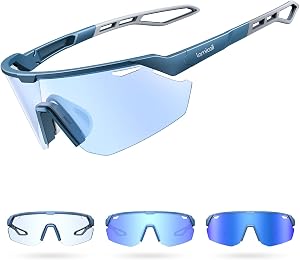
- Lens Material: Impact-resistant Polycarbonate (PC) HD Photochromic
- UV Protection: 99.9% UV400 (UVA and UVB) coating
- Frame Weight: 27g ultralight TR90 construction
- Fit Adjustability: Three-level adjustable nose pads with silicone temples
These versatile sunglasses adapt beautifully to your environment by darkening in bright sunlight and clearing up when you head indoors. The clever ventilation holes built into the sides of the lenses keep air moving, ensuring you do not have to deal with annoying fogging during intense activities.
They provide exceptional eye safety for high-glare environments like driving or cycling. The pressure on your face is minimal thanks to the lightweight frame, making them incredibly comfortable for long sessions of running, hiking, or fishing.
Pros:
- Dynamic photochromic lens transition
- Anti-fog lens design with air holes
- Highly customizable three-level nose pads
- Includes a practical hardshell storage case
Cons:
- May not get dark enough for extreme desert sun
- Sporty design might not match formal attire
See the Lamicall Polarized Sunglasses
2. YIMI Polarized Photochromic Sunglasses

- Frame Material: Aluminum magnesium alloy with spring hinges
- Style Design: Semi-rimless half-frame aesthetic
- Lens Coating: Multi-layer UV, blue light, and electromagnetic protection
- Nose Pads: Soft, flexible silicone construction
Featuring a sleek semi-rimless frame, these glasses offer an completely unobstructed field of view that is perfect for tracking the road ahead. The advanced lenses automatically react to changing UV levels, providing crisp vision during both daytime brightness and dark nighttime driving conditions.
The durable metal alloy frame relies on spring hinges to comfortably wrap around different head shapes without squeezing. By eliminating harsh reflections and filtering out harmful blue light, these glasses successfully prevent eye fatigue during extended outdoor work or fishing trips.
Pros:
- Premium and durable metal alloy frame
- Unobstructed views via semi-rimless design
- Excellent multi-layer radiation and blue light filtering
- Suitable for both day and night driving
Cons:
- Slightly heavier than pure plastic frames
- Lenses require direct UV light to darken fully
See the YIMI Polarized Photochromic Sunglasses
3. FOSHANEER UV400

- Transition Speed: Rapid adjustment within seconds
- Lens Durability: High-density shatterproof Polycarbonate (PC)
- Grip Security: Non-slip rubberized nose pads
- Protection Scope: Advanced polarization against water and metal reflections
Built for fast-paced environments, these glasses feature an intelligent lens system that shifts from bright sunlight to deep shadow in mere seconds. The high-density lenses act as a heavy-duty shield against wind, flying dust, and outdoor debris while keeping the overall build incredibly light.
They excel at cutting out blinding glare from water surfaces and asphalt, making them an excellent asset for fishing or demanding job sites. The flexible frame and soft rubber pads keep the glasses securely pinned to your face without causing uncomfortable hot spots.
Pros:
- Incredibly fast light-to-shade transition times
- Highly shatterproof lens construction
- Great slip resistance during intense sweating
- Rugged design fits tradespeople and athletes alike
Cons:
- Industrial style might look aggressive for casual wear
- Minimal color options available for the frame
4. Myiaur Photochromic Sunglasses

- Target Design: Active wrap-around frame for women
- UV Shielding: 99.99% UVA and UVB blockage
- Visual Clarity: True-color polarization technology
- Stability Feature: Secure, non-slip pressure-free fit
Tailored specifically for active women, these sunglasses feature an ergonomic wrap-around shape that contours beautifully to the face. The smart lenses change dynamically throughout the day, providing an ideal tint from your sunrise jog all the way to a late afternoon bicycle commute.
The advanced polarization filters out distracting road glare to deliver true-color sharpness and superior depth perception. Because the frame distributes weight evenly, you can wear these glasses through hours of running or hiking without experiencing any temple discomfort.
Pros:
- Secure wrap-around fit stays in place during sports
- Outstanding 99.99% UV radiation blockage
- Excellent true-color rendering without distortion
- Stylish look transitions easily to casual wear
Cons:
- Frame size might feel snug on larger heads
- Wrap style can restrict peripheral airflow slightly
See the Myiaur Photochromic Sunglasses
5. Jowxsx White-Black Sunglasses

- Color Scheme: Striking white-black sporty aesthetic
- Weight Profile: Ultra-lightweight ergonomic frame
- Sun Rating: UV400 protection against 100% of UV rays
- Glare Management: Polarized coating optimized for water and snow
These glasses showcase a bold, high-contrast color scheme that brings a modern, athletic flair to your outdoor gear. The specialized lenses respond smoothly to shifting UV exposure, ensuring you maintain great visibility whether you are navigating under midday sun or twilight skies.
With a polarized coating that targets harsh reflections from snow, wet roads, and water, these sunglasses significantly decrease everyday eye strain. The temple arms are shaped to rest naturally against your head, providing a stable fit for high-movement sports or driving.
Pros:
- Bold and stylish high-contrast color design
- Exceptionally lightweight feel on the face
- Effective at reducing bright snow and water glare
- Versatile performance across many sports
Cons:
- White frame elements show dirt and smudges quickly
- Lacks adjustable components for personalized fitting
See the Jowxsx White-Black Sunglasses
The Ultimate Guide to Choosing Photochromic Polarized Sunglasses
Selecting the perfect pair of sunglasses can feel like a balancing act between style, comfort, and optical science. If you live an active life that transitions constantly between dark indoor environments and bright, high-glare outdoor spaces, standard tinted lenses simply won’t cut it. You need eyewear that works as hard as you do.
Enter photochromic polarized sunglasses—the ultimate hybrid in eyewear technology. These specialized lenses combine two distinct optical superpowers: the light-adaptive capabilities of transition lenses and the glare-blocking performance of polarization. This guide will break down everything you need to know to choose the perfect pair for your lifestyle, hobbies, and facial structure.
Understanding the Core Optical Technologies
Before diving into frame materials and lens tints, it is essential to understand exactly what you are paying for. Photochromic and polarization are two entirely different technologies that target different visual challenges. When combined, they create a comprehensive shield for your eyes.
How Photochromic Technology Works
Photochromic lenses contain embedded molecules—often silver halide or organic oxazines—that undergo a chemical reaction when exposed to ultraviolet (UV) radiation. In the shade or indoors where UV light is absent, these molecules remain structureless, keeping the lens clear or lightly tinted. The moment you step into the sun, the UV rays trigger these molecules to change shape and absorb light, causing the lenses to darken rapidly. This hands-free adaptation eliminates the annoying need to constantly swap between prescription glasses and sunglasses as the weather shifts.
How Polarization Eliminates Blinding Glare
While photochromic technology manages total light volume, polarization tackles visual clarity by filtering out glare. When sunlight hits a flat surface—such as a wet road, a lake, snow, or the hood of a car—it reflects horizontally. This concentrated horizontal light creates a blinding wash of white light known as glare, which severely reduces depth perception and causes intense eye strain. Polarized lenses feature a special microscopic vertical chemical filter. This grid allows useful vertical light to pass through to your eyes while completely blocking out the harsh, horizontal reflections.
Evaluating Lens Materials and Durability
The material of your lenses dictates how safe your eyes are during high-velocity activities and how long your glasses will survive daily wear and tear. There are three primary lens materials used in premium sports and driving eyewear.
Polycarbonate (PC) Lenses
Polycarbonate is the undisputed industry standard for sports, cycling, and active outdoor use. These lenses are incredibly lightweight, highly impact-resistant, and inherently shatterproof. If a pebble kicks up from the road during a high-speed bike ride or a baseball bounces off your face, polycarbonate lenses shield your eyes without cracking. They are also easily coated with scratch-resistant finishes, making them exceptionally durable for rugged environments.
CR-39 Plastic Lenses
CR-39 is a lightweight optical polymer that offers superior visual clarity compared to polycarbonate, approaching the purity of traditional glass. It is highly resistant to scratches and chemical exposure. However, CR-39 lacks the extreme impact resistance required for high-velocity sports or construction sites. It is best suited for casual wear, general driving, and everyday lifestyle sunglasses.
Trivex Lenses
Trivex is a premium material originally developed for military applications. It combines the absolute best traits of polycarbonate and CR-39, offering elite impact resistance alongside crisp, high-definition visual clarity. It is also significantly lighter than polycarbonate. The only drawback to Trivex is its premium price point, but for users who demand zero optical distortion alongside maximum safety, it is the gold standard.
Key Features to Look For When Shopping
Not all adaptive sunglasses are engineered equally. To ensure you get the best value and performance, keep these crucial features at the top of your checklist.
Full UV400 Protection
Never compromise on UV protection. A darker lens does not automatically mean your eyes are safe; in fact, a dark lens without proper UV filters causes your pupils to dilate, allowing even more harmful radiation into your eyes. Ensure the glasses explicitly state they feature a UV400 rating. This guarantees that the lenses block 100% of both UVA and UVB rays up to 400 nanometers, protecting you against long-term eye damage and cataracts.
Transition Speed and Temperature Sensitivity
Modern, high-quality photochromic lenses transition within seconds rather than minutes. Look for brands that boast rapid adaptive technology so you aren’t left blinded when moving quickly from bright sunlight into a dark forest trail or tunnel. It is also worth noting that older photochromic molecules are temperature-sensitive, meaning they darken more effectively in cold weather than in scorching heat. Premium brands use advanced dye molecules that maintain consistent performance across extreme summer and winter temperatures.
The Windscreen Dilemma: VSP or Activation Concerns
Standard photochromic lenses require direct UV exposure to darken. Because modern car windscreens are designed to block almost all UV rays to protect the vehicle’s interior, regular transition glasses will not darken inside your car. If your primary use case is daytime driving, you must look for specialized “Drivewear” or automotive-activated photochromic lenses. These advanced lenses are engineered to react to visible light as well as UV light, allowing them to darken comfortably even behind treated glass.
Frame Selection: Comfort, Fit, and Performance
The finest lenses in the world are useless if the frame causes headaches or slips off your face during a workout. Frame construction dictates your daily comfort levels.
Frame Materials: TR90 vs. Aluminum Alloys
For high-intensity sports like running, cycling, or climbing, look for frames molded from TR90 thermoplastic. TR90 is an incredibly flexible, lightweight, and durable polymer that can bend under pressure without snapping, usually keeping total frame weight under 30 grams. If you prefer a sleek, premium, and professional aesthetic for daily wear and driving, look for lightweight aluminum-magnesium alloys. These metallic frames often feature spring hinges that expand outward to accommodate different face shapes comfortably.
Ventilation and Anti-Fog Engineering
When you sweat during a run or a bike ride, your body heat builds up behind the cold lens surface, causing condensation. Premium athletic sunglasses solve this issue by integrating strategic air vents or cutouts directly into the edges of the frame or lenses. These air holes promote consistent air circulation, carrying moisture away and preventing the lenses from fogging up during intense physical activity.
Adjustable and Non-Slip Touchpoints
Your sunglasses should stay firmly anchored without digging into your skin. Look for frames equipped with hydrophilic rubber or soft silicone nose pads and temple tips. This material actually increases its grip as you sweat, preventing the glasses from sliding down your nose. Adjustable, multi-level nose pads are a massive plus, as they allow you to customize the frame height to perfectly align with your eyes and eyelashes.
Matching Lens Tints to Your Activity
Even though photochromic lenses change their level of darkness, they still retain a baseline color tint that excels in specific environments.
- Gray and Smoke Tints: These provide the most accurate color perception and reduce overall brightness uniformly. They are ideal for deep-water fishing, open-highway driving, and general outdoor use.
- Brown, Amber, and Copper Tints: These colors significantly boost contrast and depth perception by filtering out blue light. They are highly recommended for golf, trail running, mountain biking, and shallow-water fishing where tracking moving objects against green or brown backdrops is critical.
- Yellow and Clear-to-Dark Tints: Perfect for multi-sport athletes who transition seamlessly from dawn to dark. These offer maximum light transmission in low-light indoor environments while providing reliable sun protection when exposed to midday UV rays.
Conclusion
Investing in the right pair of photochromic polarized sunglasses comes down to assessing your daily environment. If you are an endurance athlete, prioritize a lightweight TR90 frame with ventilated polycarbonate lenses. If you are a commuter or outdoor hobbyist, a sleek alloy frame with multi-layer blue light coatings might serve you better. By carefully matching your lens material, frame build, and tint profile to your lifestyle, you will enjoy crystal-clear, strain-free vision all day long.