
Best Snowshoeing Boots of 2026
Snowshoeing is one of the best ways to enjoy winter, letting you explore snowy trails and stunning landscapes with ease. But to fully enjoy the adventure, the right boots are essential. Snowshoeing boots keep your feet warm, dry, and supported, even in deep snow and freezing conditions. They also need to work well with snowshoes, providing comfort for long walks and grip for icy terrain. Choosing the right pair can be tricky, with so many options out there. In this guide, we’ll look at the best snowshoeing boots available today, helping you find the perfect fit for warmth, durability, and performance.
1. Columbia Bugaboot III
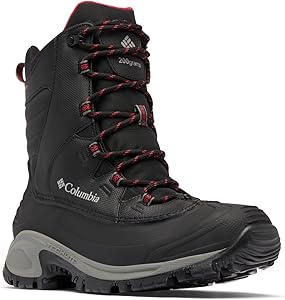
- Waterproof: Features Omni-Tech, a waterproof and breathable membrane.
- Insulation: 200 grams of insulation for warmth.
- Midsole: TechLite provides cushioning and high energy return.
- Outsole: Omni-Grip offers superior traction on various terrains.
The Columbia Bugaboot III is a versatile and reliable choice for anyone looking to stay warm and dry during winter adventures. It combines a classic alpine style with modern performance features, making it suitable for a wide range of cold-weather activities. The waterproof leather upper and injection-molded shell provide excellent protection against snow, slush, and rain, while the 200 grams of insulation ensure your feet stay toasty in chilly temperatures. Whether you’re navigating city streets after a snowfall or heading out on a snowy trail, these boots are designed to handle the elements.
One of the standout features is the TechLite midsole, which offers a cushioned, supportive feel that reduces fatigue on long walks. This, combined with the superior grip of the Omni-Grip outsole, makes the Bugaboot III a trustworthy companion for all-day wear on varied terrain, from slick sidewalks to rugged mountain trails. The boot’s breathability is a key benefit, preventing the clammy, uncomfortable feeling that can come with many waterproof boots. Overall, it’s a solid, durable boot that delivers on its promises of protection and comfort for all your epic winter adventures.
Pros:
- Excellent waterproofing and breathability
- Superior cushioning and comfort for all-day wear
- Reliable traction on various surfaces
Cons:
- May feel a bit bulky for some users
- Style might be too traditional for those seeking a more modern look
2. NORTIV 8 Winter Hiking Boots
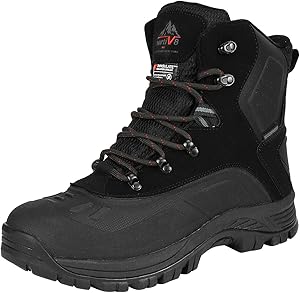
- Waterproof: Waterproof construction with a windproof toe cap.
- Insulation: 200g of cotton for warmth down to -25°F.
- Insole: Removable and washable for comfort and hygiene.
- Outsole: Durable and slip-resistant rubber for various terrains.
The NORTIV 8 Winter Hiking Boots are built to tackle harsh winter conditions with a focus on warmth and durability. With 200 grams of quality cotton insulation, these boots are rated to keep your feet warm even in temperatures as low as -25°F, making them a reliable choice for extreme cold. The waterproof design, complete with a windproof synthetic toe cap, ensures that your feet stay dry, a crucial factor for comfort and safety during winter activities. The overall construction is robust, designed to withstand the rigors of hiking, skiing, and other outdoor sports.
One of the most practical features is the removable and washable insole. This not only makes it easy to maintain hygiene but also ensures that the boots remain comfortable and moisture-free, as the soft fabric quickly wicks away sweat. The rubber outsole is a key component, offering stability and excellent slip resistance on snowy, icy, or muddy surfaces. While they are perfect for outdoor adventures, their versatile design also makes them suitable for everyday winter wear, providing a good balance of function and comfort. These boots are a great option for anyone needing dependable protection against the cold without breaking the bank.
Pros:
- Effective insulation for extreme cold
- Removable insole for hygiene and comfort
- Durable and slip-resistant outsole
Cons:
- May not be as breathable as some higher-end boots
- Aesthetics are more utilitarian than stylish
See the NORTIV 8 Winter Hiking Boots
3. SHULOOK Waterproof Hiking Boots
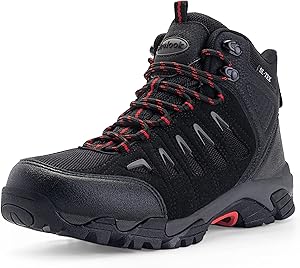
- Weight: Ultra-light at 1.25 lbs.
- Waterproofing: SL-TEX membrane for waterproof and vapor release.
- Midsole: Flexible EVA for cushioning and energy return.
- Insole: Removable memory foam for arch support and comfort.
The SHULOOK Waterproof Hiking Boots are a fantastic choice for hikers and adventurers who prioritize a lightweight yet protective design. Constructed from premium synthetic suede with an SL-TEX waterproof membrane, these boots are built to keep your feet dry and comfortable in various weather conditions. The ultra-lightweight design is a major advantage, as it significantly reduces fatigue on long hikes, allowing you to cover more ground with less effort. The closed-cell tongue is a thoughtful addition that prevents debris like rain, muck, and sand from getting inside, ensuring comprehensive protection.
Comfort is a key focus of these boots, thanks to the combination of a breathable lining, a flexible EVA midsole, and a memory foam insole. The memory foam insole conforms to the shape of your foot, providing excellent arch support and reducing stress with every step. The EVA midsole works to absorb shock and provide high energy return, making your strides more efficient. The advanced traction rubber sole ensures a stable and reliable grip on diverse surfaces, from rocky trails to slippery slopes. These boots are a versatile option suitable for a wide range of outdoor activities and daily use.
Pros:
- Extremely lightweight, reducing foot fatigue
- Comfortable with excellent arch and heel support
- Effective waterproofing and protection against debris
Cons:
- Durability may not be on par with genuine leather boots
- May not be insulated enough for very cold temperatures
See the SHULOOK Waterproof Hiking Boots
4. NORTIV 8 Waterproof Hiking Boots – Women’s
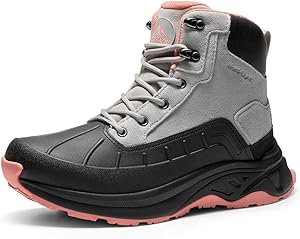
- Upper: Made from high-performance suede leather.
- Outsole: Rugged rubber outsole with Multi-Directional Traction.
- Midsole: Lightweight EVA foam for stability and comfort.
- Insole: Removable and flexible for arch support and comfort.
The NORTIV 8 Women’s Waterproof Hiking Boots are designed for the active woman who values a blend of style, comfort, and performance. The boots feature a genuine suede leather upper, which is not only soft and durable but also gives them a stylish look that works well both on the trail and in everyday life. The breathable mesh lining and lightweight EVA foam midsole ensure that your feet stay comfortable and stable during long walks or hikes, reducing fatigue and absorbing shock with every step. The hooks at the top of the boots are a convenient feature that helps keep laces secure.
Performance-wise, these boots stand out with their rugged rubber outsole featuring Multi-Directional Traction (MDT). This technology provides a high-traction grip that is particularly effective in muddy and rocky environments, giving you confidence with every step. The removable insole is an added benefit, offering arch support and ensuring all-day comfort. These boots are a versatile choice, suitable for a wide range of outdoor activities, from a casual hike to a full day of camping. They manage to be both functional and fashionable, making them a great addition to any wardrobe.
Pros:
- Stylish design suitable for both trails and daily wear
- Excellent multi-directional traction for varied terrain
- Lightweight and comfortable with good arch support
Cons:
- Not designed for extreme cold or snow
- Suede may require more maintenance than synthetic materials
See the NORTIV 8 Waterproof Hiking Boots – Women’s
5. Columbia Ice Maiden II – Women’s
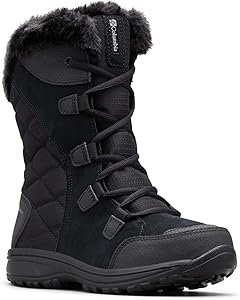
- Waterproof: Seam-sealed waterproof membrane construction.
- Insulation: 200g insulation with a soft faux fur collar.
- Temperature Rating: Rated to -25°F/-32°C.
- Midsole: TechLite provides superior cushioning and energy return.
The Columbia Ice Maiden II is a classic winter boot that perfectly balances function and style, making it a go-to choice for cold and snowy weather. The boot features a waterproof leather upper with a seam-sealed membrane, ensuring that your feet stay completely dry even in deep snow. Inside, the 200 grams of insulation, combined with a cozy faux fur collar, provide excellent warmth. This boot is rated for temperatures as low as -25°F/-32°C, making it a serious contender for heavy snow days and extreme cold. The quilted ankle support adds to the aesthetic while also providing a comfortable fit.
Beyond its ability to keep you warm and dry, the Ice Maiden II also excels in comfort and traction. The TechLite lightweight midsole delivers superior cushioning and high energy return, ensuring that you can walk all day without foot fatigue. The Omni-Grip non-marking traction rubber outsole provides reliable grip on a variety of winter surfaces, from slick ice to packed snow, and is also safe for indoor use. This boot offers plenty of flex, so it moves with you rather than feeling rigid. It’s a stylish and practical choice that delivers dependable performance and comfort in the winter.
Pros:
- Excellent insulation and temperature rating
- Reliable waterproof protection
- Comfortable cushioning and good traction
Cons:
- The look might be too bulky for some fashion-conscious wearers
- Faux fur collar may not appeal to everyone
See the Columbia Ice Maiden II – Women’s
6. Columbia Liftop III

- Waterproof: Omni-Tech provides seam-sealed waterproof protection.
- Insulation: 200g insulation and Omni-Heat for enhanced warmth.
- Cushioning: TechLite midsole for lightweight impact absorption.
- Traction: Omni-Grip offers multi-terrain stability and grip.
The Columbia Liftop III is a high-performance boot designed to deliver warmth and protection in a range of winter conditions. It incorporates Columbia’s leading proprietary technologies to provide a comprehensive solution for cold weather. The Omni-Heat thermal reflective lining is a standout feature, reflecting your body heat back to you to provide superior warmth without adding bulk. This, combined with the 200 grams of insulation, makes the boot highly effective in mild to severe cold. The Omni-Tech waterproof construction ensures your feet stay dry, as it keeps rain and snow out while allowing internal moisture to escape.
Beyond its impressive thermal and waterproof capabilities, the Liftop III is built for comfort and stability. The TechLite midsole offers lightweight cushioning and high energy return, which helps reduce foot fatigue on long walks. The Omni-Grip outsole is specifically designed for multi-terrain traction, with a lug pattern that provides stable grip on everything from rock and dirt to wet and snowy surfaces. The upper is made from a durable combination of leather, webbing, and mesh, which provides a comfortable and secure fit. Overall, the Liftop III is a versatile, high-tech boot that’s ready to handle whatever winter throws your way.
Pros:
- Excellent warmth with Omni-Heat technology
- Dependable waterproof and breathable performance
- Superior cushioning and multi-terrain traction
Cons:
- The look might be too technical for casual daily wear
- May not be as flexible as some hiking-focused boots
7. XPETI Crest Thermo – Women’s
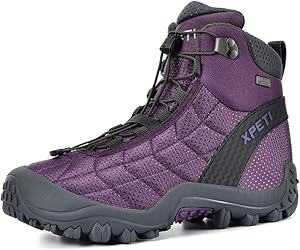
- Insulation: 200g insulation rated to -13°F/-25°C.
- Waterproof: Made with a waterproof membrane and textile upper.
- Traction: Aggressive rubber outsole with 7mm multi-directional lugs.
- Protection: Rubber toe cap provides anti-collision protection.
The XPETI Crest Thermo is a rugged and dependable women’s winter boot designed for serious outdoor performance. The boot’s waterproof and durable upper, made with a high-quality membrane and hardy textile, ensures your feet stay protected from the elements. Inside, the 200 grams of insulation and warm lining are highly effective, with a temperature rating down to -13°F/-25°C, making them a great choice for cold and snowy conditions. The breathable and flexible mesh collar adds to the comfort, allowing for good airflow while maintaining warmth. The anti-collision rubber toe cap is a great protective feature, safeguarding your feet and the boot from impacts.
For those who need to navigate challenging terrain, the XPETI Crest Thermo is built to perform. The super aggressive rubber outsole, with its 7mm multi-directional lugs, provides exceptional grip and slip resistance on a variety of surfaces. The resilient internal nylon shank offers torsional stability, giving you a secure and confident feel with every step. The fast toggle closure lacing system allows for quick and easy adjustments, so you can get a secure fit in no time. While they are a bit on the technical side, they offer the durability and protection needed for long-term use in demanding environments.
Pros:
- Exceptional grip with aggressive lug pattern
- Highly effective insulation for cold weather
- Durable construction with toe protection
Cons:
- Users may need to size up for a better fit
- A more rugged aesthetic that may not suit all tastes
See the XPETI Crest Thermo – Women’s
How to Choose Snowshoeing Boots
Choosing the right boots is a critical step for a comfortable and enjoyable snowshoeing experience. While snowshoeing is a fantastic winter activity, the wrong footwear can quickly turn a scenic trek into a miserable ordeal. Your boots need to keep your feet warm, dry, and supported, providing the traction and stability necessary to navigate snowy terrain. With so many options available, from insulated winter boots to waterproof hiking boots, it can be tough to know what to look for. This guide will walk you through the key factors to consider, helping you select the perfect pair of boots for your snowshoeing adventures.
Before you dive into the specifics, it’s important to understand that the best snowshoeing boots are not always dedicated snowshoeing boots. In fact, many people find that a high-quality, insulated winter hiking boot or even a sturdy waterproof hiking boot works perfectly. The choice depends on the type of snowshoeing you plan to do—from casual walks on groomed trails to challenging climbs in deep powder. Ultimately, the goal is to find a boot that is compatible with your snowshoes and provides the comfort and protection you need for the conditions you’ll be in.
Key Features to Look For
When you’re evaluating potential snowshoeing boots, focus on four main areas: warmth, waterproofing, fit, and traction. Getting these right will make all the difference on the trail.
Warmth
Keeping your feet warm is non-negotiable. Snowshoeing is a high-energy activity, so your feet will generate some heat, but the cold ground and air will also try to sap that warmth away. The best boots for snowshoeing have a sufficient amount of insulation. Look for boots with insulation ratings, typically measured in grams. A boot with 200g of insulation is a good starting point for most conditions. If you’ll be in extremely cold climates or are prone to cold feet, you might want to consider 400g or more.
Another factor in warmth is the boot’s material. Boots with a thick leather or synthetic upper and a robust sole will naturally be warmer than lightweight options. Some boots also use special thermal-reflective technology, like Columbia’s Omni-Heat, to trap and retain body heat. Don’t forget that thick, wool socks are also essential for adding insulation and wicking away moisture.
Waterproofing and Breathability
Wet feet are cold feet, and cold feet can lead to more serious issues like frostbite. A waterproof membrane is an absolute must-have for snowshoeing boots. Most quality boots use a waterproof and breathable membrane, such as Gore-Tex or proprietary technologies like Columbia’s Omni-Tech. These membranes prevent melting snow and slush from getting in while allowing moisture vapor from your feet to escape. This is crucial for preventing your feet from getting clammy and cold.
Check the construction of the boot as well. Seam-sealed construction and a gusseted tongue (where the tongue is connected to the boot on both sides) will help prevent snow from seeping in through the laces or seams. A high cuff is also beneficial for keeping snow out, especially when trekking through deep powder.
Fit and Comfort
A proper fit is crucial for comfort and performance. Your boots should be snug but not tight. You need enough room to wear thick socks without your toes feeling cramped. A boot that is too tight will restrict blood flow, making your feet colder. A boot that is too loose can lead to blisters from rubbing.
Pay close attention to the ankle support. Snowshoeing involves walking on uneven surfaces, and good ankle support helps prevent sprains and provides stability. A stiff, well-padded ankle collar is ideal. The boot’s sole should also be rigid enough to prevent the bindings of the snowshoe from causing pressure points on the bottom of your foot. A boot that is too flexible can lead to foot fatigue and discomfort, especially on long treks.
Traction and Outsole
While your snowshoes are designed to provide the primary grip on snow, you’ll still be walking on icy patches, rocky surfaces, and compacted snow without them. A good boot outsole should have a rugged, aggressive tread pattern with deep lugs. This provides traction when you’re off your snowshoes and also helps prevent slipping when you’re putting them on or taking them off.
Look for rubber outsoles designed for cold-weather traction. Some compounds are specially formulated to remain flexible and grippy in freezing temperatures. A durable outsole also ensures that your boots will stand up to the wear and tear of being repeatedly strapped into snowshoe bindings.
Choosing Based on Your Snowshoeing Style
The type of snowshoeing you do will influence your ideal boot choice.
For Casual or Flat-Trail Snowshoeing
If you’re a beginner or plan to stick to groomed trails and flat terrain, you don’t need the most technical boot. A warm, waterproof, insulated winter boot with a good tread pattern will suffice. These boots are often comfortable, versatile, and can be used for other winter activities like walking the dog or running errands.
For Backcountry and Mountaineering
For more challenging terrain, deep snow, and steep climbs, you need a more robust and technical boot. Look for boots with a high cuff for maximum ankle support and a rigid sole that won’t flex under the pressure of aggressive bindings. Boots with features like a rubber toe cap for durability and a more aggressive outsole tread will be a great benefit. Some serious winter trekkers even opt for mountaineering boots, which offer unparalleled support and warmth but come with a higher price tag.
Boots to Consider
Let’s look at a few examples of boots that fit the criteria for snowshoeing.
Winter Boots
Brands like Columbia, Sorel, and Merrell make excellent winter boots that are insulated, waterproof, and feature grippy outsoles. The Columbia Bugaboot III is a great example, offering a mix of insulation, waterproofing, and a cushioned midsole. They are a popular choice for their balance of comfort and performance.
Waterproof Hiking Boots
For those who prefer a more lightweight and agile feel, a waterproof hiking boot can be a good option, especially in milder winter conditions. A boot like the NORTIV 8 Waterproof Hiking Boot (men’s or women’s) is a solid choice. While they may lack significant insulation, they provide excellent waterproofing, ankle support, and rugged outsoles. You’ll just need to pair them with high-quality wool socks to manage warmth.
Hybrid/Technical Boots
Some boots are designed specifically to bridge the gap between winter boots and technical hiking boots. Brands like XPETI offer options like the Crest Thermo, which includes a waterproof membrane, insulation, and an aggressive, durable outsole. These boots are perfect for those who want a good mix of warmth, waterproofing, and all-terrain performance.
Final Tips for a Great Fit
- Try on boots at the end of the day when your feet are at their largest.
- Always wear the socks you plan to snowshoe in when you try on boots.
- Walk around the store to test for any pressure points or discomfort.
- Make sure your heel doesn’t slip up and down when you walk.
- Don’t be afraid to go up a half size to accommodate thick socks.
By taking the time to consider these factors, you can find a boot that not only keeps you warm and dry but also enhances your overall experience on the trail. The right pair of boots will be a reliable partner for many snowshoeing adventures to come.