Best Snowshoes for Heavy Persons of 2025
Finding the right snowshoes can be tricky, especially if you’re a heavier person. Standard snowshoes often don’t have the flotation or strength needed to support a larger individual or someone carrying a heavy pack, leading to a frustrating experience of sinking into the snow. This guide is designed to help you find the best snowshoes on the market built specifically for higher weight capacities. We’ll look at key features like frame material, decking size, and binding systems that provide the stability and support you need for a comfortable and enjoyable snowshoeing adventure.
1. MSR Lightning Ascent

- Frame Material: Ballistic-grade decking and 360° Traction frames
- Binding Type: Paragon™ bindings with freeze-resistant mesh straps
- Traction: Durable steel DTX crampons and edge-to-edge grip
- Special Feature: Ergo™ Televators to reduce fatigue on inclines
The MSR Lightning Ascent snowshoes are a top-tier choice for serious winter trekkers who demand aggressive performance and reliable traction on all types of terrain. They are built with a lightweight yet incredibly durable ballistic-grade decking and feature 360° Traction frames that provide excellent grip from every angle. The standout feature is the aggressive steel DTX crampons, which bite into challenging conditions like ice and hard-packed snow, giving you the confidence to tackle steep slopes and technical trails. The Paragon™ bindings are a huge plus, offering a secure and comfortable fit that wraps around a wide range of boots without creating pressure points. Their freeze-resistant mesh straps ensure a snug fit even in the coldest conditions, while the toe stops make alignment quick and precise.
For those who frequently encounter varied snow conditions, the MSR Lightning Ascent’s versatility is a major selling point. The option to add modular flotation tails (sold separately) allows a single pair of snowshoes to handle everything from packed trails to deep powder, and to support heavier loads or a large pack. This adaptability, combined with the integrated Ergo™ Televators, which are heel lifts that can be easily engaged with a flick of a pole grip, significantly reduces calf strain on steep climbs. The lightweight construction and high-performance design make these snowshoes ideal for experienced users who prioritize efficiency and traction. While they come at a higher price point, their durability and advanced features justify the investment for anyone serious about their winter adventures.
Pros and Cons
- Pros: Excellent all-terrain traction, lightweight and durable construction, secure and comfortable bindings, integrated heel lifts for steep climbs, adaptable with flotation tails.
- Cons: High price point, flotation tails must be purchased separately.
See the MSR Lightning Ascent See the Women’s Lightning Ascent
2. MSR Evo Ascent

- Frame Material: Injection-molded plastic deck with steel traction rails
- Binding Type: 3-strap bindings
- Traction: Steel traction rails and molded brake bars
- Special Feature: Heel lifts for climbing steep terrain
The MSR Evo Ascent snowshoes are known for their rugged durability and reliable performance on varied mountain terrain. Unlike some snowshoes with tubular frames, these are built with a solid, injection-molded plastic deck that can withstand harsh conditions and abuse. This design provides a unique torsional flex, which helps the snowshoe deck bend and conform to the terrain, giving you a better grip and more secure footing on uneven surfaces. The steel traction rails and brake bars are molded directly into the deck, ensuring they won’t come loose and providing a consistent, secure grip. The 3-strap bindings are simple yet effective, offering a secure and glove-friendly way to fasten the snowshoes to a wide variety of footwear, from hiking boots to winter boots.
What sets the Evo Ascent apart is its no-nonsense, dependable design that’s perfect for tackling tough traverses and ascents. The included heel lifts are a key feature for anyone who will be climbing hills, as they significantly reduce calf and Achilles tendon strain, making steep sections much more manageable. Like their more advanced counterparts, the Evo Ascents can be equipped with modular flotation tails (sold separately), increasing their surface area to accommodate heavier loads or deep, powdery snow. This makes them highly versatile for different conditions. While they might be slightly heavier and more rigid than some other models, their robust construction and secure traction make them a reliable choice for hikers who value durability and stability above all else.
Pros and Cons
- Pros: Extremely durable, secure grip with molded-in traction rails, heel lifts for uphill climbs, adjustable bindings, adaptable with flotation tails.
- Cons: Heavier than some models, tails are not included, more rigid feel compared to flexible-framed models.
3. MSR Evo Trail

- Frame Material: Injection-molded plastic deck
- Binding Type: ParaGlide bindings with roller buckles
- Traction: Steel traction rails and brake bars
- Special Feature: Simple and intuitive binding system
The MSR Evo Trail snowshoes are a fantastic entry point for those new to winter hiking or for anyone who sticks to well-trodden trails and rolling terrain. They are designed with simplicity and comfort in mind, making them incredibly user-friendly. The main feature is the ParaGlide bindings, which use a straightforward roller buckle system that makes putting them on and taking them off a breeze, even while wearing thick gloves. The bindings also have stretch mesh that comfortably hugs your feet without creating uncomfortable pressure points, fitting a wide variety of boot types and sizes. The durable, injection-molded plastic deck is built to withstand harsh conditions, ensuring these snowshoes will last for many seasons of use.
While the Evo Trail is a simpler model compared to its MSR siblings, it doesn’t skimp on the essential features for reliable performance. The steel traction rails and molded-in brake bars provide a secure and lasting grip on packed snow and uneven trails. They offer a great balance of comfort, simplicity, and performance for casual winter wandering. A key highlight is their adaptability; like other MSR models, they can be paired with modular flotation tails (sold separately). This feature allows you to increase the surface area to better support heavier loads or handle deeper snow, making them more versatile than their name might suggest. The Evo Trail is an ideal choice for anyone seeking a reliable, no-fuss snowshoe for casual hiking and trail exploration.
Pros and Cons
- Pros: Easy to use bindings, comfortable fit, durable construction, excellent for beginners and rolling terrain, adaptable with tails.
- Cons: Less aggressive traction than MSR’s Ascent models, tails not included, no built-in heel lifts.
4. Atlas Helium Trail

- Frame Material: Ultralight composite material
- Binding Type: Wrapp™ Stretch bindings
- Traction: Forefoot-aligned tempered steel crampons and steel traction rails
- Special Feature: Easy-climb 12° heel lifts
The Atlas Helium Trail snowshoes are an excellent choice for new snowshoers and anyone who wants a lightweight option for less-extreme winter hikes. They are built with an ultralight composite material, which makes them easy to walk in and reduces fatigue over longer distances. The snowshoes feature Wrapp™ Stretch bindings, designed to provide a comfortable and secure fit with a simple and intuitive two-buckle closure system. This allows for quick and easy entry and exit, so you can spend less time fumbling with straps and more time enjoying the trail. The bindings are engineered to distribute pressure evenly, reducing hot spots and ensuring a secure fit on a wide range of boot types.
Despite their light weight, the Atlas Helium Trail snowshoes offer reliable traction for packed trails and uneven terrain. The forefoot-aligned tempered steel crampons, combined with steel traction rails, provide the necessary grip to navigate icy patches and hard-packed snow with confidence. A notable feature for a snowshoe in this category is the inclusion of easy-climb 12° heel lifts. These lifts help reduce calf strain on inclines, a feature typically found on more expensive, technical snowshoes. This makes the Helium Trail a great value, offering performance features that improve comfort and efficiency for a better overall experience. Overall, they strike an ideal balance between lightweight design, ease of use, and dependable performance, making them a superb option for beginners and casual trail hikers.
Pros and Cons
- Pros: Very lightweight, easy and secure bindings, includes heel lifts, great for beginners and packed trails.
- Cons: Less aggressive traction for deep powder or steep, icy conditions, not ideal for heavier loads.
5. Tubbs Flex TRK

- Frame Material: Composite Torsion Deck
- Binding Type: Quick-Fit Binding
- Traction: Tubbs Toe Crampon and traction rails
- Special Feature: Flex Tail and Activelift heel lift
The Tubbs Flex TRK snowshoes are built with a focus on natural movement and comfort, making them a great choice for long hikes on varied terrain. The key to their design is the Torsion Deck, which allows the body of the snowshoe to articulate and twist. This articulation enhances traction and lets you walk with a more natural gait, significantly improving comfort, especially on uneven ground. The hallmark Tubbs Flex Tail is another innovative feature that allows the snowshoe to roll more naturally from heel to toe, mimicking the motion of a regular shoe and reducing the overall strain on your joints. These two features work together to create a smooth, efficient stride that feels less like strapping on a stiff platform and more like an extension of your foot.
In terms of performance, the Flex TRK provides ample grip with its Tubbs Toe Crampon and traction rails, ensuring secure footing on uphill, downhill, and sidehill terrain. The Quick-Fit binding system is simple and efficient, with easy-pull straps and a roller buckle heel strap that allows for a fast and secure fit. This means less time fiddling with bindings in the cold and more time enjoying your hike. The Activelift, a 16-degree heel lift, is an essential feature for anyone who plans on tackling hills. It reduces calf fatigue and Achilles tendon strain, and can be easily raised or lowered with a pole. The combination of a natural feel, reliable traction, and ergonomic features makes the Tubbs Flex TRK a strong contender for those who prioritize comfort and a fluid stride.
Pros and Cons
- Pros: Natural gait and comfort from Torsion Deck and Flex Tail, good traction, easy-to-use Quick-Fit bindings, includes heel lifts.
- Cons: Deck material may be less durable than MSR’s injection-molded plastic in extreme conditions, not as suited for deep powder without tails.
6. G2 21/25/30/36 Inches Snowshoes

- Frame Material: Lightweight HDPE deck
- Binding Type: Fast ratchet binding
- Traction: High-quality aluminum crampons
- Special Feature: Flex pivot bar and heel lift
The G2 Snowshoes are a budget-friendly option that packs in several key features typically found in more expensive models. They use a lightweight HDPE (High-Density Polyethylene) deck, which provides a good amount of flotation in the snow, helping you conserve energy and travel further. The design incorporates a flex pivot bar and heel lift, allowing for a more natural stride on both flat and uphill terrain. The heel lift is especially useful for reducing calf fatigue on ascents, a feature that is a huge benefit for hikers. These snowshoes are aimed at the recreational user who wants to get out on the trails without a significant financial commitment. The range of sizes, including a large 36-inch option, makes them a suitable choice for heavier individuals who need maximum flotation.
One of the most user-friendly aspects of the G2 Snowshoes is their fast ratchet binding system. Designed for cold environments, the one-pull buckle can be easily fastened even when your hands are cold or gloved, making it quick and easy to get in and out of the snowshoes. The sharp aluminum crampons provide excellent grip on snow and ice, ensuring you can maintain a secure footing. Additionally, the bindings are padded with soft EVA foam, which adds a layer of comfort and warmth, protecting your feet during cold winter hikes. While they may not have the rugged durability of a top-tier brand, their combination of features, ease of use, and affordable price point make them a compelling choice for casual snowshoeing or for beginners who are just starting out.
Pros and Cons
- Pros: Affordable price, wide range of sizes (up to 36 inches), easy-to-use ratchet bindings, includes heel lifts, padded bindings for comfort.
- Cons: Material durability may be lower than premium brands, less aggressive crampons for technical terrain.
See the G2 21/25/30/36 Inches Snowshoes
7. Retrospec Drifter

- Frame Material: 6061-T6 alloy frames with tough polyethylene (HDPE) decks
- Binding Type: Double-ratchet binding system
- Traction: Aluminum crampons and heel lifters
- Special Feature: Full-floating pivot system and carrying bag included
The Retrospec Drifter snowshoes are designed for winter adventurers seeking a balance of performance, durability, and value. The frames are constructed from lightweight 6061-T6 alloy, which provides a strong and durable foundation without adding unnecessary weight, making each step light and controlled. The tough polyethylene (HDPE) decks offer excellent flotation on the snow, ensuring you stay on top of the powder rather than sinking in. The Drifter’s double-ratchet binding system is a highlight, providing a fast and secure way to strap in and out. This system is simple to use and offers a reliable, snug fit, which is crucial for stability and comfort on the trail. This makes them a great option for both beginners and experienced snowshoers looking for a dependable pair.
Traction and stability are key features of the Drifter. The snowshoes come with aluminum crampons and heel lifters that increase traction and reduce fatigue, especially when you are exploring steeper terrain. The full-floating pivot system enhances this by adapting to your natural stride, minimizing strain and improving efficiency. This design allows the snowshoe to move with your foot, providing a more comfortable and natural walking experience. The Drifter snowshoes also come with a convenient mesh carrying bag, making them easy to store and transport. Available in various sizes, including a 30-inch model for higher weight capacities, they are a solid all-around choice for a variety of users and conditions. They offer a great combination of essential features at a competitive price point.
Pros and Cons
- Pros: Lightweight and durable construction, quick and secure double-ratchet bindings, includes heel lifts and a carrying bag, good value for the price.
- Cons: Traction may not be sufficient for very steep, icy mountain climbs.
8. Wildhorn Outfitters Sawtooth

- Frame Material: Durable aluminum frame
- Binding Type: Reinforced ratchet bindings with an auto-locking heel strap
- Traction: Two sets of heavy-duty crampons
- Special Feature: Steep incline heel lift riser and boot grip pads
The Wildhorn Outfitters Sawtooth snowshoes are a durable and reliable choice for adventurers who need solid performance on hard-packed and icy surfaces. Constructed with a high-grade aluminum frame, they are designed to provide optimal flotation in deep powder while remaining lightweight. The company has listened to user feedback and improved the 2018 model by reinforcing the ratchet bindings with heavy-duty, spring-loaded clips and adding a new auto-locking system to the heel strap. These improvements ensure the bindings remain secure and reliable, even in challenging conditions. The ratchet system makes them easy to adjust and provides a firm grip on your boot, preventing any unwanted slipping or wobbling as you hike.
Traction is a standout feature of the Sawtooth snowshoes. Each shoe is equipped with two sets of reinforced, heavy-duty crampons that act like an extreme ice pick, providing excellent grip on icy or hard-packed snow. The pressure from your foot engages the crampons, ensuring a secure foothold. For tackling steep climbs, the steep incline heel lift riser is a fantastic addition. This unique system lifts under your heel to support you, reducing calf strain and improving traction on ascents, and it can be laid flat when not needed. The snowshoes also include no-slip, textured pads and an excess heel strap clip, which help to cradle your foot and prevent it from sliding around inside the binding. The combination of strong materials, secure bindings, and aggressive traction makes the Sawtooth a dependable partner for winter hikes.
Pros and Cons
- Pros: Reinforced, secure bindings, excellent crampons for icy conditions, includes heel lifts, lightweight aluminum frame, updated design based on user feedback.
- Cons: Less suited for very deep, fresh powder without wider flotation.
See the Wildhorn Outfitters Sawtooth
9. Odoland 21/25/30 Inch Snowshoes
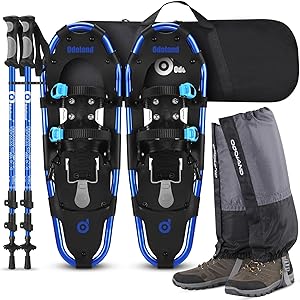
- Frame Material: Lightweight aluminum frame
- Binding Type: Adjustable ratchet system
- Traction: Heavy-duty saw tooth crampons
- Special Feature: Comes with adjustable trekking poles and waterproof leg gaiters
The Odoland Snowshoes offer an incredible value package for beginners and casual winter hikers. This set is a complete kit that includes not just the snowshoes, but also a pair of adjustable trekking poles and waterproof leg gaiters, providing everything you need to hit the trail immediately. The snowshoes themselves are constructed with a lightweight and strong aluminum frame and an ergonomic design, ensuring a comfortable and easy walking experience. The large flat surface area of the frame provides excellent flotation, which is crucial for preventing you from sinking in deep snow. They are available in various sizes to accommodate a wide range of weights, including a 30-inch model suitable for individuals up to 250 lbs.
For traction, the Odoland snowshoes feature two sets of reinforced, heavy-duty saw tooth crampons that deliver a strong grip on both snow and ice. The adjustable ratchet binding system is straightforward to use, allowing for a quick and secure fit on various types of footwear. The included trekking poles are a significant bonus, helping with balance and propulsion, and their height can be easily adjusted even with gloves on. The waterproof leg gaiters are a nice touch, protecting your pants and boots from snow and moisture. While they may not be designed for extreme, technical mountaineering, the Odoland set is a fantastic, all-in-one solution for those looking to start snowshoeing, offering great value and a complete package for a smooth and enjoyable winter hiking experience.
Pros and Cons
- Pros: Excellent value as a complete package (snowshoes, poles, gaiters), lightweight design, good flotation, easy-to-use bindings.
- Cons: Traction is less aggressive than high-end models, may not be as durable for heavy use over many seasons.
See the Odoland 21/25/30 Inch Snowshoes
10. Cascade Mountain Tech Snowshoes
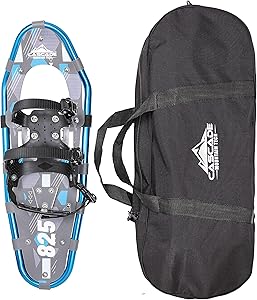
- Frame Material: Lightweight aluminum frame
- Binding Type: Ratchet bindings
- Traction: Dual cleat crampons
- Special Feature: Reflexive articulating toe band and flexible decking
The Cascade Mountain Tech Snowshoes are engineered to provide a comfortable and efficient snowshoeing experience at an accessible price point. Built with a high-strength, lightweight aluminum frame, they offer a sturdy yet manageable design that reduces fatigue on long treks. The flexible decking is a key feature, as it’s built to withstand tough winter conditions and provides excellent shock absorption, allowing you to confidently traverse deep snow and rugged terrain. This flexibility, combined with the reflexive articulating toe band, adapts to your natural stride, which minimizes strain on your feet and makes for a more efficient and enjoyable walk. This attention to ergonomic design is a significant benefit for users who want to feel more comfortable on the trail.
For stability and safety, these snowshoes are equipped with aggressive dual cleat crampons that provide superior traction on icy and uneven surfaces. These cleats ensure a secure grip, enhancing your stability and confidence when navigating challenging landscapes. The ratchet bindings are a standout feature, offering quick, easy, and secure adjustments for a customized fit. They are designed to keep your snowshoes securely fastened, providing maximum comfort and support throughout your adventure. The Cascade Mountain Tech snowshoes strike a great balance between performance and affordability, making them a solid choice for casual hikers, beginners, or anyone looking for a reliable pair of snowshoes for trail use without breaking the bank. The durable construction and thoughtful features make them a smart investment for winter excursions.
Pros and Cons
- Pros: Lightweight and durable, excellent traction with dual cleats, easy-to-use ratchet bindings, flexible deck for comfort, good value.
- Cons: Less suitable for very steep, technical mountain terrain compared to dedicated mountaineering snowshoes.
See the Cascade Mountain Tech Snowshoes
A Guide to Choosing Snowshoes for Heavy Persons
Snowshoeing is a fantastic way to enjoy winter, offering a unique opportunity to explore snow-covered landscapes. However, for heavier individuals, finding the right snowshoes can be a challenge. Standard models often lack the necessary flotation and durability, leading to a frustrating experience of sinking into the snow. This guide will walk you through the key factors to consider when selecting snowshoes designed to support a higher weight capacity, ensuring you have a comfortable and enjoyable time on the trail.
The Importance of Flotation
The single most important factor for a heavier person is flotation. Flotation refers to the snowshoe’s ability to stay on top of the snow rather than sinking. This is determined by the snowshoe’s surface area, which is directly related to its size and shape. The more surface area a snowshoe has, the more weight it can distribute, and the better it will float. A common mistake is to buy a snowshoe based on shoe size alone, but for heavier individuals, this is not the right approach. You need to consider your total load, which includes your body weight plus the weight of your gear, such as a backpack, heavy winter clothing, and any supplies.
Understanding Weight Ratings and Size Charts
Snowshoe manufacturers provide a recommended weight rating for each model, which corresponds to the maximum total load the snowshoe can effectively support. This rating is typically found in the product specifications. For a heavy person, it is crucial to find a snowshoe that can handle your total weight. Many brands offer extra-large or “heavy-duty” models that are specifically designed for higher capacities. These often have a larger deck and a more robust frame to handle the increased load. When in doubt, it’s always better to go with a snowshoe that has a higher weight rating than you think you need. A larger snowshoe will provide better flotation and make your hike more comfortable, especially in deep, powdery snow. It’s a trade-off—a larger snowshoe is heavier and a bit more cumbersome to walk in, but it is far superior to sinking with every step.
Key Snowshoe Components to Consider
1. Decking and Frame Material
The decking is the material stretched across the frame of the snowshoe that provides the flotation. Common materials include aluminum, plastic, and various composite materials. For heavier individuals, a high-quality, durable decking is essential. Look for materials like a tough polymer or ballistic-grade decking, which are built to withstand stress and punctures. The frame provides the snowshoe’s shape and structural integrity. Aluminum frames are a popular choice due to their lightweight yet strong nature. Some high-end models use a continuous, 360-degree aluminum frame that provides excellent edge-to-edge traction, which is a great feature for navigating uneven or icy terrain.
2. Bindings
The bindings are what secure your boots to the snowshoes, and they are critical for both comfort and control. For a heavier person, you need bindings that are not only strong but also adjustable enough to accommodate larger winter boots. Look for bindings that have a secure and reliable closure system, such as ratchet bindings or a Boa system, which offer a snug fit with minimal effort. It is also important that the bindings are easy to use while wearing gloves. A well-designed binding will prevent your foot from moving around, which can cause blisters and lead to a lack of control on the trail. Some bindings are padded or have mesh straps to eliminate pressure points and improve comfort.
3. Crampons and Traction
While flotation helps you stay on top of the snow, crampons*provide the necessary grip for traction on hard-packed snow, ice, and ascents. For a heavier person, a snowshoe with aggressive, durable crampons is highly recommended. Look for models with solid steel or aluminum crampons that are firmly integrated into the snowshoe’s frame. Some snowshoes feature a series of traction rails that run the length of the deck, providing additional side-to-side grip. Aggressive crampons are particularly important for steeper inclines and icy conditions, where poor traction can be dangerous. A secure grip will give you the confidence to tackle challenging terrain safely.
4. Heel Lifts (Televators)
For anyone who plans to hike on anything other than flat terrain, heel lifts, or televators, are a game-changer. These are small wire-like mechanisms that can be flipped up under your heel to raise your foot to a more natural angle on inclines. This simple feature significantly reduces the strain on your calves and Achilles tendons, making steep climbs much less fatiguing. For a heavier individual, who is already putting more force on their legs, this feature is even more beneficial. Look for snowshoes that have an easy-to-engage heel lift that you can activate with a flick of your pole without having to bend down.
Choosing the Right Snowshoe for Your Terrain
Trail and Rolling Terrain
If you plan to stick to well-packed trails and gentle, rolling terrain, you can opt for a general-purpose snowshoe. These models are typically lighter and have slightly less aggressive traction, as they are not designed for steep climbs or deep powder. However, even for this type of use, it is wise to choose a model with a higher weight rating to ensure ample flotation.
Mountain and Backcountry Terrain
For more challenging mountain terrain, where you will encounter steep climbs, icy conditions, and deep powder, you need a more robust snowshoe. Look for a model with a larger frame for maximum flotation, aggressive crampons for superior grip, and an integrated heel lift. Many brands offer a “mountain” or “ascent” series specifically designed for these conditions. These snowshoes are often slightly heavier but provide the durability, stability, and traction needed for serious winter trekking.
Final Tips for a Great Experience
- Measure Your Total Weight: Before you buy, weigh yourself with all the gear you plan to carry, including your winter coat, pack, and boots. This will give you an accurate number to match against the snowshoe’s weight rating.
- Consider Flotation Tails: Some snowshoes offer the option to add modular flotation tails. These can be attached to the back of the snowshoe to increase the surface area for a deeper, more powdery snow. This can be a great investment if you want the flexibility to use the same pair of snowshoes for both packed trails and deep powder.
- Try Them On: If possible, try on the snowshoes with your winter boots to ensure the bindings are a good fit. You want them to feel snug and secure without causing any pressure points.
By focusing on these key factors, you can find a pair of snowshoes that not only supports your weight but also enhances your winter adventures, allowing you to explore with confidence and comfort. Happy snowshoeing!