Best Snowshoes for Seniors of 2027
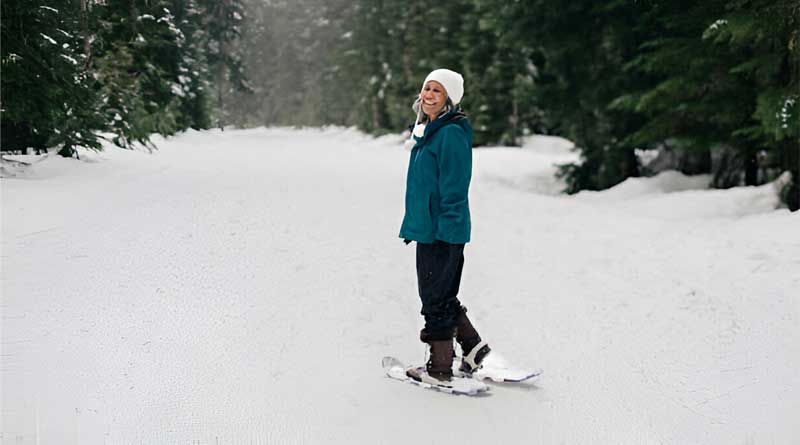
Finding the right snowshoes can keep you active and safe outdoors all winter long. For seniors, the best snowshoes offer easy on-and-off, good grip, and light weight. This guide reviews top picks that are comfortable and stable on snow. We’ll help you choose a pair that fits your needs and budget, so you can enjoy fresh air and gentle exercise with confidence.
1. MSR Evo Trail

- Terrain: Rolling Terrain
- Closure: Rubber Strap
- Frame: USA Martensitic steel
- Weight: 3 lbs. 9.5 oz.
The MSR Evo Trail snowshoes are built for enthusiasts who love winter wandering across rolling landscapes. Combining simplicity with proven performance, these snowshoes offer a secure foundation underfoot. The rugged polypropylene deck paired with USA Martensitic steel traction rails delivers dependable grip on packed snow, making every stride feel confident, smooth, and controlled throughout your backcountry journeys.
Designed for comfort and ease of use, the rubber strap bindings securely hold your boots without hassle. Their durable construction withstands freezing temperatures while providing flexible support. Whether you are navigating easy trails or tackling moderate slopes, this reliable pair keeps you exploring effortlessly without adding unnecessary weight to your trek.
Pros:
- Durable steel crampons for solid grip
- Simple and comfortable rubber strap bindings
Cons:
- Lacks a heel lift for steep climbs
- Heavy deck material compared to aluminum
2. Retrospec Drifter

- Frame: Lightweight aluminum
- Bindings: Double-ratchet system
- Pivot: Full-floating system
- Includes: Mesh carrying bag
The Retrospec Drifter snowshoes are engineered to deliver effortless movement and exceptional support across deep powder and icy trails. Crafted with a lightweight aluminum frame, they lessen leg fatigue so you can explore further with minimal strain. The sleek, durable structure makes them a great option for both beginners and seasoned winter hikers looking for reliable trail performance.
Equipped with a fast double-ratchet binding system, these snowshoes allow for quick adjustments even on freezing cold mornings. Built-in heel lifters reduce calf tension on steep ascents, while the full-floating pivot system enables a natural, uninhibited walking motion. Each set conveniently includes a breathable mesh carrying bag for effortless transport and off-season storage.
Pros:
- Heel lifters reduce leg strain on climbs
- Quick and easy double-ratchet bindings
Cons:
- May feel bulky for very narrow boots
- Mesh bag offers minimal protection
3. MSR Lightning Ascent

- Terrain: Mountain Terrain
- Decking: TPU-coated nylon
- Bindings: Paragon rubber strap
- Heel Lift: Integrated lift bar
The MSR Lightning Ascent snowshoes offer aggressive, all-terrain capability tailored for demanding mountain landscapes. Featuring a ultralight aluminum frame paired with durable TPU-coated nylon decking, they deliver exceptional flotation and strength. The full-perimeter teeth bite securely into steep slopes, hardpack, and icy traverses, giving alpine hikers unmatched traction in high-elevation wilderness environments.
Equipped with advanced Paragon bindings, these snowshoes wrap snugly around a wide variety of boot styles without causing pressure points. The rubber strap mechanism ensures a lock-tight fit that remains flexible in extreme cold. Combined with built-in heel lifts to relieve calf strain, they make steep mountain ascents vastly more manageable and comfortable.
Pros:
- Outstanding traction on icy steep slopes
- Comfortable pressure-free Paragon bindings
Cons:
- Higher price point than entry-level models
- Nylon decking can show wear over years
View Men’s at REI View Women’s at REI
4. G2 Lightweight Snowshoes

- Decking: High quality HDPE
- Padding: Soft EVA foam
- Crampons: Aluminum sawtooth
- Bindings: One-pull fast ratchet
The G2 Lightweight Snowshoes are thoughtfully crafted using high-grade HDPE decking, offering superior flotation across deep snowfields while conserving your energy. Designed specifically to handle freezing conditions, the step-in fast ratchet binding allows single-finger adjustments through a one-pull buckle, ensuring quick setup even when your hands are wrapped in heavy winter gloves.
For enhanced comfort on long cold hikes, soft EVA foam padding is integrated into the binding area to cushion feet and retain warmth. Sharp aluminum crampons provide strong traction over slick ice and crusty snow. Supported by a flexible pivot bar and integrated heel lifts, these snowshoes keep your gait natural on flats and inclines alike.
Pros:
- Cushioned EVA foam offers added boot comfort
- Easy one-finger ratchet operation
Cons:
- Aluminum crampons wear faster than steel
- HDPE deck can be noisy on hardpack
5. Retrospec Drifter Snowshoes with Poles

- Frame: Aircraft-grade alloy
- Decking: Rugged polyethylene
- Poles: Adjustable twist-lock
- Included: Full kit with carry case
The Retrospec Drifter Snowshoes package comes trail-ready with matching trekking poles and a handy transport case, making winter gear preparation completely effortless. Constructed with a tough aircraft-grade alloy frame and resilient polyethylene decking, this set maintains high flotation and stability across all types of winter terrain while withstanding harsh weather conditions.
Featuring quick-lock double-ratchet bindings, users can secure their footwear easily without taking off gloves. The integrated full-floating pivot system adapts dynamically to steep climbs and varied strides, minimizing body fatigue. Accompanied by adjustable alloy poles with specialized snow baskets, this kit ensures optimal balance and control throughout your snowy adventures.
Pros:
- Complete package includes poles and case
- Sturdy aircraft-grade aluminum frame
Cons:
- Slightly heavier overall bundle to carry
- Ratchet straps may stick in slush
6. Quorvond Aluminum Snowshoes

- Frame: Aluminum alloy
- Bindings: Double-ratchet with heel strap
- Crampons: Multi-tooth aluminum
- Kit Items: Poles, baskets, and tote bag
The Quorvond Aluminum Snowshoes are built to deliver superb flotation across winter trails by evenly distributing body and gear weight. Designed with a sturdy aluminum frame and riveted polyethylene decking, they keep steps feeling light and manageable. Multiple sizing options allow outdoor enthusiasts to choose the ideal fit based on expected snow conditions and weight loads.
A double-ratchet binding design provides dual foot tightening, supported by anti-slip pads underneath to prevent boot movement. The multi-tooth underfoot crampons deliver dependable grip on packed surfaces, while the flexible strap pivot encourages a smooth walking motion. Complete with adjustable twist-lock poles and a storage tote bag, this versatile set is ready for any trek.
Pros:
- Anti-slip pads beneath boot improve stability
- Includes matching poles and carrying bag
Cons:
- Twist-lock poles can freeze up in deep snow
- Multiple straps take extra time to adjust
7. Tubbs Wayfinder

- Terrain: Flat Terrain
- Closure: Boa Dial Lace
- Decking: Nytex nylon
- Crampons: Carbon steel
The Tubbs Wayfinder snowshoes are tailor-made for flat terrain such as snow-covered meadows, neighborhood parks, and rolling golf courses. Built around a lightweight aluminum frame and quiet Nytex nylon decking, they offer smooth and subtle flotation over gentle snowpack, making casual winter outings feel easy and immensely enjoyable.
Standout functionality comes from the innovative Boa dial lace binding system, which allows users to micro-adjust the fit instantly with a simple turn of a knob. Carbon steel toe and heel crampons bite reliably into slippery surfaces, securing your footing without adding excess weight, so you spend less time fussing with gear and more time hiking.
Pros:
- Boa dial closure offers fast custom fitting
- Quiet nylon decking minimizes walking noise
Cons:
- Not suitable for steep or technical terrain
- Lacks built-in heel lifter bars
View Men’s at REI View Women’s at REI
8. MSR Evo Ascent

- Terrain: Mountain Terrain
- Structure: Solid plastic frame
- Heel Lift: Televator bar
- Weight: 4 lbs. 1 oz.
The MSR Evo Ascent snowshoes bring heavy-duty structural stability to treacherous mountain slopes and off-trail traverses. Built using a rigid plastic deck instead of traditional tubular frames, they offer unmatched edge control on steep, icy slopes. Integrated traction rails molded right into the base ensure steady, unyielding bite where traditional designs often slip.
Designed to tackle steep alpine ascents, these snowshoes feature handy Televator heel lifts that flip up easily to alleviate calf fatigue during long climbs. The freeze-resistant rubber strap bindings cinch securely around any boot type, delivering exceptional control, comfort, and reliability when conquering technical high-country conditions.
Pros:
- Exceptional edge traction on steep side-hills
- Televator heel lift reduces calf fatigue
Cons:
- Rigid plastic body can feel stiff on flats
- Heavier than simple recreational models
9. Atlas Access

- Terrain: Rolling Terrain
- Frame: Classic tubular aluminum
- Decking: Nytex nylon
- Heel Lift: Integrated lift bar
The Atlas Access snowshoes rely on a classic tubular aluminum frame engineered to make everyday trail walking feel fluid and effortless. Paired with flexible Nytex nylon decking, they yield a quiet, smooth ride across rolling terrain while maintaining plenty of surface flotation on deeper snowpack during casual winter hikes.
Intuitive rubber strap bindings pull tight around footwear quickly, maintaining a firm grip without slipping during movement. When your path leads up unexpected slopes, the integrated heel lift bar raises up to relieve strain on your calf muscles. Carbon steel crampons at the toe and heel offer firm, consistent bite over icy patches.
Pros:
- Smooth tubular frame design aids natural stride
- Heel lift bar assists on moderate ascents
Cons:
- Tubular frame provides less lateral bite
- Larger size can feel slightly cumbersome
View Men’s at REI View Women’s at REI
10. Shaddock Fishing Cleats Crampons

- Material: Thermoplastic elastomer
- Studs: Non-slip steel studs
- Coverage: Heel and forefoot
- Fit: Stretchable slip-on design
The Shaddock Fishing Cleats Crampons present a simple yet effective traction solution designed to keep you steady on icy paths, snow-covered pavement, and slippery gravel. Constructed from highly flexible thermoplastic elastomer, these slip-on footwear grips stretch smoothly over regular boots or running shoes to deliver instant stability on treacherous winter surfaces.
Equipped with non-slip studs positioned over the heel and forefoot, they offer full-sole coverage to significantly reduce the danger of sudden slips and falls. Ideal for ice fishing, snow shoveling, walking, or winter jogging, these lightweight crampons roll up small enough to fit inside a jacket pocket when not actively in use.
Pros:
- Ultra-lightweight and highly portable
- Stretches easily over varied shoe types
Cons:
- Not meant for deep snow flotation
- Studs can wear down on concrete
11. Cascade Mountain Tech Snowshoes

- Frame: High-strength aluminum
- Crampons: Aggressive dual cleats
- Bindings: Dual ratchet adjusters
- Feature: Articulating toe band
The Cascade Mountain Tech Snowshoes feature a lightweight, high-strength aluminum frame engineered for durability and easy maneuverability during long winter outings. Designed to minimize fatigue while exploring deep snowpack, their flexible decking easily absorbs trail shock while withstanding severe freezing temperatures without cracking or failing.
Aggressive dual cleat crampons underneath grip firmly into icy or uneven terrain, offering confident traction on challenging trails. Dual ratchet bindings allow quick, personalized adjustments for boots, while a reflexive articulating toe band flexes dynamically with your natural stride to eliminate foot strain and preserve walking efficiency.
Pros:
- Articulating toe band enhances natural stride
- Durable flex decking withstands extreme cold
Cons:
- Ratchet straps can prove tricky with thick gloves
- Slightly wider profile on narrow trails
12. Odoland Snowshoes

- Frame: Lightweight ergonomic aluminum
- Traction: Heavy duty sawtooth cleats
- Poles: Telescoping 25.5-54 inches
- Gaiters: Waterproof pongee fabric
The Odoland Snowshoes package delivers a comprehensive winter trekking setup suitable for both men and women. Featuring a strong yet lightweight aluminum frame designed with an ergonomic shape, these snowshoes provide maximum flotation across deep powder while promoting a comfortable, natural walking motion on snowy outdoor adventures.
Heavy-duty sawtooth cleats underfoot offer firm bite across hardpack and icy surfaces. The complete set includes handy telescoping trekking poles that adjust quickly from 25.5 to 54 inches, along with waterproof, puncture-resistant leg gaiters to keep snow out of your boots. Packed inside an included carrying bag, it makes a great holiday gift.
Pros:
- Includes gaiters, poles, and carry bag
- Ergonomic aluminum frame maximizes flotation
Cons:
- Gaiter straps may need occasional tightening
- Telescoping poles require secure tightening
How to Choose Snowshoes for Seniors
Snowshoeing is one of the most welcoming winter activities for older adults. It is low impact, easy to learn, and needs no special skills beyond walking. It builds cardiovascular fitness, strengthens the legs and core, and gets you outdoors during the months when many people stay inside. The right pair of snowshoes makes the difference between a relaxing, confident outing and a tiring or unsafe one.
Seniors have a few particular needs, including joint comfort, balance, lighter weight, and ease of use. This guide covers what to look for, so you can choose snowshoes that suit your body, your terrain, and your goals.
Why Snowshoeing Suits Older Adults
Unlike skiing, snowshoeing has a gentle learning curve and a low risk of high-speed falls. You move at your own pace, and you can stop whenever you like. The activity also offers several benefits that matter more as we age:
- Low-impact exercise that is easier on the knees and hips than running
- Improved balance and coordination on uneven ground
- Better cardiovascular health and stamina
- Exposure to natural light and fresh air, which can lift mood in winter
- A social activity that is easy to share with friends and family
Before starting any new exercise routine, especially if you have a heart condition, joint replacement, osteoporosis, or balance concerns, it is wise to check with your doctor.
Key Factors to Consider Before Buying
1. Your Weight Plus Gear
Snowshoe size is based on total load, not just body weight. Add the weight of your boots, winter clothing, and any backpack you plan to carry. Snowshoes that are too small will sink into the snow, forcing you to lift more snow with every step. That wears you out quickly and strains your joints.
Use the table below as a general starting point. Always check the manufacturer’s weight rating for the specific model you are considering.
| Total Weight (You + Gear) | Typical Snowshoe Length | Best For |
|---|---|---|
| Under 120 lbs (54 kg) | 21 inches | Packed trails, light snow |
| 120 to 180 lbs (54 to 82 kg) | 25 inches | General use, mixed conditions |
| 180 to 220 lbs (82 to 100 kg) | 30 inches | Deeper snow, longer outings |
| Over 220 lbs (100 kg) | 30 to 36 inches | Powder, off-trail travel |
2. The Type of Terrain You Will Walk On
Snowshoes are generally built for one of three environments, and choosing the right category matters more than any other feature.
- Flat or rolling terrain: These are the most popular and the best choice for most seniors. They are lightweight, simple, and ideal for parks, golf courses, and groomed trails.
- Rolling to moderate hills: These offer stronger traction and more aggressive crampons. They suit gentle hills and mixed trails.
- Mountain or backcountry terrain: These are heavier and built for steep slopes and deep powder. Most seniors do not need this category unless they are experienced and confident.
If you are new to the sport, start with a pair designed for flat to rolling terrain. You can always upgrade later.
3. Weight of the Snowshoes Themselves
Every extra pound on your feet means more effort with each step. Lighter snowshoes reduce fatigue and are kinder to the hips, knees, and lower back. Modern models with aluminum frames and durable synthetic decking are typically lighter than old wood-and-rawhide styles. Look for a pair that feels comfortable to lift and does not leave your legs tired after a short walk.
Features That Make a Big Difference for Seniors
Easy Binding Systems
Bindings hold your boot to the snowshoe, and they are often the most frustrating part of the experience. Cold hands, arthritis, or limited flexibility can make small buckles and tight straps difficult to manage. Look for:
- Large, easy-grip pull tabs or ratchet buckles
- Quick-release or one-pull tightening systems
- Bindings that fit securely without needing constant readjustment
- Straps that can be operated while wearing gloves
Practice fastening and removing the bindings at home with your winter gloves on. If they are hard to operate in your living room, they will be harder still on a cold trail.
Traction and Crampons
Crampons are the metal teeth under the snowshoe that grip snow and ice. Good traction helps prevent slips and gives you stability on uneven ground. For seniors, a moderate amount of traction on the bottom of the foot and a toe or heel cleat is generally enough. Aggressive spikes are unnecessary for park trails and can catch on obstacles if you are not used to them.
Heel Lifts
A heel lift is a small bar you can flip up under your heel to reduce calf strain when going uphill. It can be a big help for anyone with tight calves or Achilles issues. Even if you stick to flat trails, this feature gives you flexibility for the occasional incline.
Frame and Decking Design
The deck is the surface that floats on the snow. Most modern snowshoes use a rigid frame with a flexible synthetic deck. Look for a design that allows a natural stride without forcing your legs wide apart. Narrower, tapered tails make walking feel more natural and reduce hip and groin strain.
Comparing Snowshoe Types at a Glance
| Feature | Recreational Snowshoes | Hiking Snowshoes | Backcountry Snowshoes |
|---|---|---|---|
| Terrain | Flat, groomed | Rolling hills | Steep, deep snow |
| Weight | Lightest | Moderate | Heaviest |
| Traction | Basic | Moderate | Aggressive |
| Price Range | Lower | Mid-range | Higher |
| Best for Seniors? | Excellent for beginners | Good for active seniors | Only for experienced users |
Do Not Forget Trekking Poles
Poles are not technically part of the snowshoe, but they greatly improve stability and reduce strain on the knees. They help you keep your balance on uneven ground, provide support on slopes, and let your arms share some of the workload. Choose adjustable poles with wide snow baskets and comfortable, padded grips. Adjustable length is useful because you will want shorter poles on uphill sections and longer ones on descents.
Choosing the Right Footwear and Clothing
The best snowshoes will not feel good if your feet are cold or wet. Wear insulated, waterproof boots with good ankle support. They should be roomy enough for warm socks without feeling tight, since restricted circulation makes feet colder. Layering is the key to staying comfortable:
- Base layer: Moisture-wicking fabric such as merino wool or synthetic blends
- Middle layer: Fleece or light insulation for warmth
- Outer layer: Windproof and waterproof jacket and pants
- Extras: Hat, gloves, gaiters, and sunglasses to protect against glare
Avoid cotton, which holds moisture and chills you quickly. Because you will warm up as you walk, choose layers that are easy to add or remove.
Safety Tips for Senior Snowshoers
A few simple habits can make every outing safer and more enjoyable.
- Start with short, flat routes of 30 to 60 minutes and build up gradually.
- Walk with a partner or group whenever possible.
- Tell someone your route and expected return time.
- Carry water, a high-energy snack, and a charged phone.
- Check the weather forecast and avoid extreme cold, high winds, or poor visibility.
- Stay on marked trails and avoid avalanche-prone slopes.
- Take breaks often and stop if you feel dizzy, overly tired, or short of breath.
Rent Before You Buy
If you are unsure what you prefer, renting is an excellent way to try different styles without a large investment. Many outdoor shops, ski areas, and nature centers offer rentals at reasonable prices. Staff can also help you with sizing, fit, and basic technique. After a few outings, you will have a much clearer sense of which features matter most to you.
Budget and Value
Snowshoe prices vary widely, but you do not need the most expensive model to have a great experience. A solid recreational pair often costs less than hiking or backcountry models and is perfectly suited to most seniors. Focus on comfort, ease of use, and proper sizing rather than premium features you may never use. Also consider buying a complete kit, which often includes snowshoes, poles, and a carry bag at a better combined price.
Caring for Your Snowshoes
Good maintenance helps your snowshoes last for many seasons. After each outing, wipe off snow and moisture, and let them air-dry before storing. Check straps, buckles, and crampons for wear, and keep them in a cool, dry place away from direct heat. A few minutes of care at the end of each trip will keep them reliable and safe.
Final Thoughts
Choosing snowshoes as a senior comes down to a few practical questions. Are they sized correctly for your total weight? Are they designed for the terrain you will actually walk on? Are the bindings easy for you to use? Do they feel light and comfortable? By prioritizing these points and pairing your snowshoes with proper boots, layers, and trekking poles, you will set yourself up for safe and enjoyable winter adventures.
Start slowly, listen to your body, and enjoy the quiet beauty of the snowy outdoors. With the right equipment, snowshoeing can be a rewarding activity you enjoy for many winters to come.