
Best Gloves for Extreme Cold of 2026
When facing bitter cold, your choice of gloves is essential. Not all gloves can protect you from freezing temperatures and biting winds. You need a pair that locks in warmth while allowing you to move freely. This guide breaks down the best gloves for extreme cold, from heavy-duty mountaineering mitts to versatile insulated options for everyday winter adventures. We focus on real-world performance, so you can find the perfect pair to keep your fingers safe, warm, and functional in the harshest conditions.
1. Black Diamond Guide

- Waterproofing: GORE-TEX membrane with GORE Warm insulation
- Palm Material: Goatskin leather
- Removable Liner: PrimaLoft Gold and boiled wool backs, 200g fleece palms
- Shell Fabric: 92% polyester / 8% polyurethane
The Black Diamond Guide gloves are built for the coldest, longest days on the mountain, and it shows in every detail. The goatskin leather palms grip poles and ice axes confidently while resisting abrasion, and the GORE-TEX shell keeps moisture out through wet snow and driving wind. The removable liner combining PrimaLoft Gold and boiled wool provides serious warmth without feeling bulky, making these a genuine pro-level option for backcountry skiing or mountaineering.
Dexterity is where these gloves really stand out compared to other heavily insulated options. Despite their warmth rating, fingers retain enough mobility to handle zippers, buckles, and gear. The included goggle wipe is a small but appreciated touch for quick lens clearing on the go.
Pros: Excellent warmth-to-dexterity ratio, durable goatskin palms, versatile removable liner
Cons: Higher price point, may be too warm for milder resort days
2. REI Co-op Powderbound

- Waterproofing: 2-layer HydroWall waterproof/breathable insert
- Palm Material: Synthetic leather (85% polyester / 15% polyurethane)
- Insulation: Lofted polyester with polyester fleece lining
- Shell Fabric: Bluesign-approved nylon plain weave
The REI Co-op Powderbound Gloves offer a solid balance of warmth and value for everyday resort skiing or riding. The HydroWall insert keeps hands dry through wet snow and slushy conditions, while the lofted polyester insulation and fleece lining provide reliable warmth without excessive bulk. The synthetic leather palms hold up well to repeated contact with poles, edges, and lift bars.
A slim cuff profile means these gloves tuck neatly under a jacket sleeve, keeping snow out during falls or deep powder days. They’re a practical choice for skiers who want dependable performance without the premium price tag of pro-level gear, and the built-in goggle wipe adds convenience on the slopes.
Pros: Affordable, sleek low-profile cuff, reliably waterproof
Cons: Less warm than pro-grade options, liner isn’t removable
3. Carhartt Insulated Knit Cuff Glove
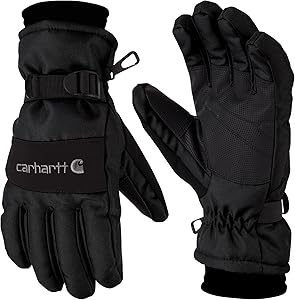
- Shell Material: Durable polytex
- Grip: Digital-grip palm and stick-grip fingers and thumb
- Lining: FastDry technology wicks sweat
- Closure: Fleece cuff with adjustable wrist strap
The Carhartt Insulated Knit Cuff Glove is designed for durability and all-purpose use. The polytex shell ensures long-lasting performance while the digital-grip palm and stick-grip fingers provide excellent control for handling tools and outdoor tasks. FastDry lining keeps hands dry and comfortable, even during intense activity. The fleece cuff with an adjustable wrist strap adds a secure and snug fit to keep cold air out.
These gloves are suitable for cold weather work, outdoor projects, and everyday wear. They strike a good balance between flexibility and protection, allowing you to maintain dexterity while keeping your hands warm. Their reliable construction ensures they withstand tough conditions, making them a dependable choice for both professionals and casual users.
Pros: Durable, Excellent grip, Comfortable, Sweat-wicking
Cons: Slightly bulky for precise touchscreen use
See the Carhartt Insulated Knit Cuff Glove
4. TRENDOUX Winter Gloves

- Touchscreen: High-sensitive conductive material on fingers
- Grip: Triangle silicone anti-slip palm
- Lining: Soft napping inner lining for warmth
- Cuff: Elastic wrist to keep out snow and wind
TRENDOUX Winter Gloves are designed for cold-weather use without compromising dexterity. The high-sensitive conductive material on the thumbs, forefingers, and middle fingers allows for easy smartphone or tablet use. Triangle silicone on the palm ensures a secure grip for driving or holding items, while the soft napping lining provides comfort and warmth. Despite being insulated, these gloves are lightweight and flexible, making them ideal for everyday use.
The elastic wrist offers a snug fit to prevent snow and wind from entering, keeping hands protected throughout winter activities. These unisex gloves come in two sizes, making them suitable as gifts for family and friends. Overall, TRENDOUX gloves combine functionality, comfort, and style, making them a practical choice for both outdoor and daily activities.
Pros: Touchscreen-friendly, Secure grip, Warm, Lightweight
Cons: Limited extreme cold protection
See the TRENDOUX Winter Gloves
5. rivmount Warm Gloves

- Touchscreen: Sensitive conductive fabric on all fingers
- Material: Waterproof and windproof fabric with fleece lining
- Grip: PU leather palm with anti-slip design
- Cuff: Adjustable windproof closure
RIVMOUNT Warm Gloves offer a combination of style and performance for cold-weather activities. The touchscreen-compatible fingers allow you to operate devices without removing gloves, while the PU leather anti-slip palm provides a secure grip for driving, cycling, or holding phones. The waterproof and windproof construction, along with fleece lining, keeps hands warm and dry in freezing conditions.
Lightweight and flexible, these gloves are suitable for daily life, outdoor chores, or winter sports. Reflective patterns on the back enhance nighttime safety for cyclists or runners. The adjustable cuff ensures a snug fit, keeping cold air and snow out. Overall, rivmount gloves are practical, comfortable, and stylish for winter use.
Pros: Touchscreen-friendly, Lightweight, Warm, Secure grip
Cons: Not for extreme wet conditions
6. ihuan Winter Waterproof Ski Gloves

- Material: Leather with waterproof fabric outer
- Lining: Soft and dense fleece
- Grip: Anti-skid microfiber leather palm
- Fit: Adjustable windproof cuff
ihuan Winter Waterproof Ski Gloves combine warmth, waterproofing, and comfort for cold-weather activities. The leather and waterproof fabric exterior protect against snow and ice, while the dense fleece lining keeps hands cozy. The anti-skid palm provides reliable grip, making these gloves suitable for driving, skiing, or outdoor chores.
Lightweight and not bulky, these gloves allow for good dexterity and mobility. They perform well in temperatures from 20 °F to 32 °F but are not recommended for extreme weather. The touchscreen functionality ensures you can use your devices without removing gloves, adding practicality to their performance. Overall, ihuan gloves are a dependable winter accessory for active users.
Pros: Waterproof, Warm, Touchscreen-friendly, Non-slip
Cons: Not suitable for extreme cold or wet conditions
See the ihuan Winter Waterproof Ski Gloves
7. COTRUERE Winter Magic Gloves

- Material: High-quality acrylic, breathable and elastic
- Design: All-finger with snug cuff
- Use: Suitable for outdoor work and daily activities
- Pack: Includes 3 pairs, one size fits most
COTRUERE Winter Magic Gloves are versatile and designed for comfort in cold weather. The high-quality acrylic material is elastic, breathable, and durable. With an all-finger design and snug cuff, they effectively block wind and cold temperatures, providing warmth for daily chores, outdoor sports, or commuting. The classic black color pairs well with any outfit.
Each pack contains three pairs, making it convenient for family use or as gifts. These gloves are lightweight, flexible, and provide sufficient warmth for general winter activities. While not suitable for heavy snow or extreme cold, they are ideal for gardening, cleaning, or casual wear, offering both protection and comfort.
Pros: Comfortable, Warm, Elastic, Multipack
Cons: Limited extreme cold protection
See the COTRUERE Winter Magic Gloves
8. SKYDEER 3M Thinsulate Gloves
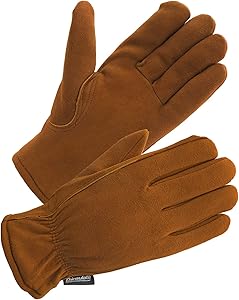
- Material: Genuine deerskin suede
- Insulation: 3M Thinsulate, lightweight yet warm
- Lining: Thermal jersey socked, moisture-wicking
- Fit: Double shirred elastic wrist
SKYDEER 3M Thinsulate Gloves are premium winter gloves made from genuine deerskin suede, offering softness, flexibility, and durability. The 3M Thinsulate insulation keeps hands warm without adding bulk. Inside, the thermal jersey socked lining wicks moisture away, maintaining dry and comfortable hands during cold-weather activities.
These gloves are ideal for outdoor casual use, winter work, or sports such as cycling, hiking, and snow shoveling. The elastic wrist ensures a snug fit for most hand sizes, enhancing comfort and protection. With a combination of high-quality materials and thoughtful design, SKYDEER gloves provide warmth, style, and functionality for winter conditions.
Pros: Warm, Comfortable, Durable, Moisture-wicking
Cons: Higher price point compared to basic gloves
See the SKYDEER 3M Thinsulate Gloves
How to Choose Gloves for Extreme Cold
Venturing into extreme cold isn’t just uncomfortable—it’s dangerous. Frostbite can set in quickly on exposed fingers, making your choice of gloves a critical piece of safety equipment, not just a comfort item. Whether you’re facing a polar vortex on your commute, heading out for a winter hike, or tackling serious mountaineering, the right gloves are your first line of defense. This guide will walk you through the key factors to consider, from insulation and waterproofing to fit and features, so you can make an informed choice and keep your hands functional and warm in the harshest conditions.
Understanding the Two Main Styles: Gloves vs. Mittens
Your first major decision is choosing between gloves and mittens. Each has distinct advantages for cold weather.
Mittens: Maximum Warmth
Mittens group your fingers together in a single compartment. This design allows your fingers to share warmth and minimizes surface area exposed to the cold, creating a much warmer microenvironment than gloves. For extreme cold, especially in static or low-dexterity situations, mittens are often the superior choice for pure heat retention.
Gloves: Better Dexterity
Gloves have individual finger sheaths, offering superior dexterity for tasks like handling gear, using a camera, or tying knots. However, the increased surface area and separation of fingers mean they lose heat more quickly. For extreme cold, look for gloves specifically engineered with high-performance insulation to offset this drawback.
The Best of Both Worlds: Liner Glove Systems
Many serious cold-weather systems use a two-part approach: a thin, dexterous liner glove worn inside a large, insulated mitten shell (often called a “mitt”). This lets you perform detailed tasks with the liners on, then slide your hands into the overmitts for maximum warmth when stationary. It’s a versatile and highly effective strategy for dynamic conditions.
The Insulation Layer: Your Primary Heat Source
Insulation is what traps your body heat. The type, amount, and quality are paramount for extreme cold.
Synthetic Insulation (Primaloft, Thermolite, etc.)
Made from polyester fibers engineered into different structures. Synthetics are excellent because they retain warmth even when wet, dry quickly, and are often more affordable than down. They are a reliable, robust choice for damp cold, active use, or situations where getting wet is a possibility.
Down Insulation (Goose or Duck)
Down clusters offer the best warmth-to-weight ratio, providing exceptional loft and heat retention in dry, cold environments. High-fill-power down (e.g., 800-fill) is exceptionally warm and compressible. However, down loses almost all its insulating properties when wet and is slow to dry. Choose down only for reliably dry, extreme cold.
Wool and Fleece
These are rarely used as the primary insulation in extreme cold gloves but are fantastic as liner materials. Wool, especially merino, wicks moisture brilliantly and retains warmth when damp. Fleece provides good warmth and breathability for active liners.
The Shell: Your Shield from the Elements
The outer shell protects the insulation from wind, water, and abrasion. Its construction is key to durability and weatherproofing.
Waterproof and Breathable Membranes
For extreme cold where snow and wet conditions are present, a waterproof and breathable membrane (like Gore-Tex, eVent, or similar proprietary technologies) is essential. This barrier blocks external moisture from soaking in while allowing sweat vapor to escape, keeping the insulation dry and effective. Look for fully taped seams to prevent water ingress through stitch holes.
Windproof Fabrics
Even in dry cold, wind can strip heat away catastrophically. A tightly woven, windproof outer fabric is non-negotiable. Many waterproof membranes are inherently windproof, offering combined protection.
Durability and Reinforcement
Check areas that receive high wear, like the palm, fingertips, and cuff. Reinforcements with leather (nubuck, goatskin) or synthetic materials like Kevlar or Cordura greatly extend the glove’s life, especially if you’ll be handling rough equipment, ropes, or ski poles.
Critical Design Features for Extreme Conditions
Beyond basic materials, specific design elements can make a huge difference in functionality and safety.
The Cuff: Sealing in Warmth
A long, insulated cuff is crucial. It should extend well over your jacket sleeve to seal out snow and wind. Common closure systems include:
- Hook-and-Loop (Velcro) Straps: Adjustable and secure.
- Elasticized or Cinch Cords: Simple and effective for creating a seal.
- Over-the-Jacket “Gauntlet” Cuffs: The gold standard for severe conditions, providing the most secure overlap.
Dexterity and Grip
Look for palms and fingers coated with grippy materials like silicone, rubber, or synthetic leather. Pre-curved finger designs mimic the hand’s natural resting position, reducing fatigue and improving comfort. Some gloves have textured fingertips for handling small items.
Wrist Leashes and Attachment Points
A leash or clip system connecting the gloves is invaluable. It prevents you from dropping a glove into deep snow or off a ledge—a potentially serious mishap in extreme environments.
Nose-Wiping Panels
A soft, absorbent patch of microfibre or fleece on the thumb or back of the hand is a small but deeply appreciated feature in cold weather.
Getting the Right Fit: Not Too Tight, Not Too Loose
A perfect glove can fail if it doesn’t fit correctly. Follow these guidelines:
Allow for Circulation and Liners
Your gloves should not be tight. Constriction reduces blood flow, making your hands colder. If you plan to wear liner gloves, you must size up to accommodate them. There should be a small amount of room for air to warm up around your fingers, but not so much that you lose dexterity.
The Finger Length Test
With the glove on, make a fist. Your fingertips should not press hard against the end of the glove’s fingers. There should be a little space (about 1/4 to 1/2 inch) at the tip to allow for air insulation and prevent numbness.
Mobility Check
Practice the motions you’ll be doing—gripping a pole, adjusting a buckle, operating a zipper. You should have enough dexterity for essential tasks without excessive bulk or struggle.
Matching the Glove to Your Activity
Extreme cold covers many scenarios. Your specific activity should guide your final choice.
Mountaineering and Ice Climbing
Prioritize a modular system: a warm, dexterous glove for climbing (often synthetic for damp conditions) paired with a heavyweight overmitt for belays and extreme weather. Durability, waterproofing, and a secure gauntlet cuff are mandatory.
Skiing and Snowboarding
Look for insulated, waterproof gloves with excellent grip and wrist leashes. Reinforced palms and fingers withstand pole use. Good breathability is key for high-output activity, and a nose-wipe is a handy bonus.
Winter Running and High-Output Sports
Focus on breathability and moisture management over massive insulation. A windproof and water-resistant shell with light synthetic or fleece insulation, plus a wicking liner, is ideal. Lobster-claw style mitts (which group two fingers together) offer a great warmth/dexterity balance for runners.
Everyday and Casual Use in Severe Weather
For shoveling snow or commuting in deep cold, a well-insulated, waterproof mitten or heavy glove is best. Easy-on cuffs, touchscreen compatibility, and warm linings add convenience for daily life.
Final Checklist Before You Buy
- Activity: Is this for static cold or high exertion?
- Temperature & Conditions: Dry cold or wet cold? Windy?
- Style: Glove, mitten, or modular system?
- Insulation: Synthetic (wet-reliable) or Down (dry, maximum warmth)?
- Shell: Fully waterproof/breathable and windproof?
- Fit: Room for liners and blood circulation? Fingertip space?
- Features: Secure cuff? Good grip? Wrist leash? Durability?
Choosing gloves for extreme cold is an investment in your safety and comfort. By understanding the role of insulation, shell technology, fit, and activity-specific design, you can move beyond simply buying the warmest-looking pair. Instead, you’ll select a tool that performs reliably, keeping your hands protected and functional so you can focus on the experience, no matter how low the temperature drops.