
Best Winter Gloves for Hiking of 2027
When hiking in winter, keeping your hands warm and protected is very important. The right gloves can make a big difference in comfort, safety, and performance on cold trails. With so many options available, it can be confusing to choose the best pair. In this article, we will guide you through the top winter gloves for hiking, focusing on warmth, durability, waterproofing, and flexibility. Whether you hike in snow, rain, or icy conditions, these gloves will help you enjoy your outdoor adventures without cold, numb hands slowing you down.
1. SIMARI Winter Gloves

- Touchscreen Compatible: Operate smartphones, tablets, GPS devices freely.
- Material: 95% Polyester, 5% Spandex with warm flannel lining.
- Non-Slip Palm: Silicone particles on palm and fingers for secure grip.
- Reflective Safety: Reflection patterns improve visibility at night.
The SIMARI Winter Gloves are perfect for hikers who want both warmth and functionality. The soft flannel lining and stretchy polyester blend keep hands comfortable in cold weather. They are flexible, so you can type, swipe, or use GPS devices without removing them. The snug fit and elastic cuff add extra protection against wind and cold.
The gloves also focus on safety and practicality. Silicone grip on palms ensures you hold trekking poles or tools firmly, while reflective patterns make you more visible during night activities. Suitable for men, women, and outdoor enthusiasts, these gloves are ideal for cycling, hiking, running, or casual winter use.
Pros: Warm, touchscreen compatible, good grip, reflective design
Cons: May run slightly small, not fully waterproof
2. ihuan Winter Waterproof Gloves

- Waterproof & Windproof: Keeps hands dry and warm in snow and light rain.
- Material: Skin-friendly waterproof fabric with fleece lining.
- Non-Slip Palm: Microfiber leather enhances grip and safety.
- Touchscreen Sensitive: Operate phones and devices without removing gloves.
ihuan Winter Gloves are lightweight yet effective at keeping hands warm in freezing temperatures. The windproof and water-resistant exterior combined with a soft fleece lining provides comfort for daily activities or outdoor adventures. Ideal for hiking, cycling, running, and snow play, these gloves balance warmth and mobility perfectly.
The non-slip palm design ensures a secure grip on steering wheels, poles, or devices. Touchscreen-friendly fingers mean you can answer calls or use GPS without exposing your hands to cold. While the cuffs are not waterproof, these gloves offer reliable protection in most winter conditions, making them a versatile option for everyday use.
Pros: Lightweight, waterproof, touchscreen capable, good grip
Cons: Cuffs not waterproof, not for extreme cold
See the ihuan Winter Waterproof Gloves
3. TRENDOUX Winter Gloves
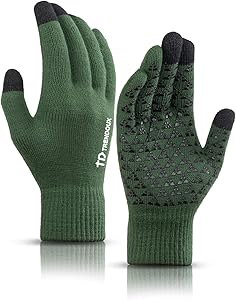
- Upgraded Touchscreen: 50% more conductive yarn for better device use.
- Warm Lining: Soft napping lining keeps hands cozy without bulk.
- Triangle Silicone Grip: Provides strong hold on objects and steering wheels.
- Easy Care: Spot wash by hand in lukewarm water, hang to dry.
TRENDOUX Winter Gloves are designed for hikers who need warmth and precise touchscreen use. The gloves are soft and comfortable, allowing you to type or use devices without removing them. The snug fit ensures dexterity and control while keeping hands warm during outdoor activities.
These gloves also provide a secure grip with triangle silicone patterns on the palms. Lightweight yet effective, they are ideal for hiking, driving, or casual winter wear. The simple care instructions make them easy to maintain, ensuring long-lasting performance even with regular use.
Pros: Warm, lightweight, touchscreen friendly, anti-slip grip
Cons: Not fully waterproof, limited extreme weather protection
See the TRENDOUX Winter Gloves
4. rivmount Waterproof Gloves

- Waterproof & Windproof: Keeps hands dry and warm in cold weather.
- Touchscreen Fingers: Operate devices without removing gloves.
- Non-Slip PU Palm: Enhances grip and abrasion resistance.
- Adjustable Cuff: Ensures snug fit and easy wearing.
rivmount Waterproof Gloves combine style and performance for winter hikers. Lightweight yet warm, they offer excellent protection against wind and snow. The soft fleece lining and waterproof exterior ensure hands stay comfortable during extended outdoor use.
Touchscreen-compatible fingers and a non-slip PU palm make these gloves practical for hiking, cycling, or running errands. Adjustable cuffs and reflective designs enhance fit and safety. These gloves are a reliable choice for anyone seeking warmth, dexterity, and durability in winter conditions.
Pros: Warm, waterproof, touchscreen capable, reflective safety
Cons: Slightly bulky for some, not for extreme cold
See the rivmount Waterproof Gloves
5. MOREOK Winter Gloves

- 3M Thinsulate: 40g insulation with 140g cotton for warmth and breathability.
- Touchscreen Sensitive: Thumb and index fingers coated for device use.
- Anti-Slip Silicone: Enhanced grip for phones and steering wheels.
- Snowproof & Windproof: Moisture-wicking interior keeps hands dry.
MOREOK Winter Gloves are warm, lightweight, and ideal for outdoor sports and winter chores. The combination of Thinsulate insulation and cotton ensures maximum heat retention without bulk. They allow full mobility, making them great for hiking, skiing, cycling, or snow shoveling.
The gloves feature touchscreen-sensitive fingertips, allowing you to use your phone or GPS without exposure to the cold. Anti-slip silicone on palms provides a secure grip, and the stylish design works well for men and women alike. These gloves are practical, durable, and comfortable for everyday winter use.
Pros: Warm, touchscreen capable, anti-slip, lightweight
Cons: Fit runs small, may require sizing up
6. Bruvoalon Winter Gloves

- 5-Finger Touchscreen: Conductive leather on all fingertips for device use.
- 3M Thinsulate & Lycra Shell: Warm, durable, and smooth exterior.
- Non-Slip Silicone Grip: Hexagonal pattern for secure hold.
- Anti-Loss Buckle: Keeps gloves together when not in use.
Bruvoalon Winter Gloves are designed for maximum warmth and functionality. With premium 3M Thinsulate insulation and a soft thermal lining, these gloves keep hands comfortable during cold outdoor activities. The Lycra exterior is durable and stylish, making them ideal for hiking, running, or cycling.
The gloves feature sensitive touchscreen fingertips on all fingers and a secure non-slip silicone grip. The convenient snap buckle keeps them paired, while elastic cuffs lock in warmth. Available in multiple colors and sizes, these gloves are suitable for men, women, and make excellent gifts.
Pros: Warm, touchscreen on all fingers, non-slip, anti-loss buckle
Cons: Sizing can be tricky, may require a larger size
See the Bruvoalon Winter Gloves
7. OZERO Winter Touchscreen Gloves

- Warm Fleece Lining: Provides comfort and thermal insulation.
- Touchscreen Sensitive: Thumb and index fingers coated for device use.
- Water-Resistant & Windproof: TPU and polyester shell protect from snow and light rain.
- Non-Slip Silicone: Enhanced grip for devices and equipment.
OZERO Winter Gloves are thin yet warm, perfect for early winter, spring, and late fall hiking. The fleece lining provides comfort without bulk, allowing flexible hand movements. These gloves are ideal for outdoor activities such as running, cycling, hiking, or skiing.
The touchscreen-sensitive fingers allow you to use your devices easily. Water-resistant and windproof materials protect hands from cold and moisture, while silicone grips ensure a firm hold on poles, steering wheels, or phones. Lightweight and flexible, these gloves are practical for various outdoor activities.
Pros: Lightweight, warm, touchscreen capable, non-slip grip
Cons: Not fully waterproof, limited extreme cold protection
See the OZERO Winter Touchscreen Gloves
8. WDZREE Winter Gloves

- Warm & Breathable: Fleece lining and elastic wrist block cold and retain heat.
- Touchscreen Compatible: Thumb and index finger coated for smart device use.
- Non-Slip Silicone Palm: Ensures secure grip on objects and equipment.
- Water-Resistant: Polyester shell with TPU membrane keeps hands dry.
WDZREE Winter Gloves are designed for both men and women who enjoy outdoor winter activities. The soft fleece lining provides warmth without bulk, and the elastic wrist prevents snow and wind from entering. These gloves are perfect for hiking, cycling, skiing, and general winter use.
The touchscreen-compatible fingers allow device use without removing the gloves. Non-slip silicone patterns on palms and fingers provide secure grip, while the water-resistant TPU membrane keeps hands dry. Lightweight and versatile, these gloves can also be layered under heavier gloves in harsher conditions.
Pros: Warm, touchscreen capable, anti-slip, water-resistant
Cons: Limited extreme cold protection, may feel thin for severe winter
How to Choose Winter Gloves for Hiking
Winter hiking places unique demands on your hands. Unlike skiing, where your hands are mostly gripping poles on a lift, or snowshoeing on flat terrain, hiking in winter often involves a constant cycle of movement, stopping to adjust layers, reading a map, or grabbing a quick snack. Your hands will heat up on the ascent and chill rapidly the moment you stop. Choosing the right gloves is not simply about finding the thickest pair available; it is about finding the right balance of warmth, weather protection, and dexterity for the specific conditions you expect to face. A glove that is too warm will cause your hands to sweat, which eventually leads to cold hands once the sweat cools. A glove that is too thin will leave you vulnerable to wind chill and frostnip. The following guide breaks down the key factors to consider so you can make an informed decision.
Understand the Core Trade-Off: Warmth versus Dexterity
The most fundamental decision in choosing winter hiking gloves is how much dexterity you are willing to sacrifice for warmth. Your hands need to perform tasks like adjusting backpack straps, operating zippers, holding trekking poles, or checking a phone or GPS. Bulky gloves make these tasks difficult or impossible without removing them, which exposes your skin to the cold.
Gloves with individual fingers offer the best dexterity but are inherently less warm than mittens because your fingers are separated and cannot share heat. Mittens are significantly warmer, as all your fingers are together in one insulated pocket, but they offer almost no dexterity. For winter hiking, many people find a middle ground or carry multiple pairs. A three-finger “lobster claw” glove, for example, keeps your index finger separate for tasks while grouping the remaining fingers for warmth. Alternatively, a modular system with a liner glove and a heavier outer shell allows you to adapt as conditions change.
Insulation: Synthetic vs. Down
The insulation in your gloves is what traps heat. The two main types are synthetic and down, and each has distinct advantages for hikers.
Synthetic Insulation
Synthetic insulation, such as PrimaLoft Gold, is the most common choice for winter hiking gloves. Its primary advantage is that it continues to insulate even when damp or wet, and it dries quickly. For hikers who generate a lot of sweat or who are likely to encounter wet snow or rain, synthetic is the safer choice. It is also generally less expensive than down. The downside is that it is bulkier for the same amount of warmth and can lose some of its loft over time as it gets compressed.
Down Insulation
Down insulation offers an exceptional warmth-to-weight ratio and packs down very small, making it an excellent choice for cold, dry conditions. However, down loses its insulating ability when it gets wet, which is a significant risk for hiking where precipitation or sweat is common. Down gloves are typically protected by a waterproof shell, but if moisture gets inside, they become heavy and cold. For most winter hikers in wet climates, synthetic is the more reliable option.
Waterproofing and Breathability
Your hands will be exposed to two sources of moisture: external (snow, rain, sleet) and internal (sweat). A waterproof barrier is essential for keeping external moisture out, but it also reduces breathability. Finding the right balance is key.
- Waterproof Membranes: Gloves with a dedicated waterproof and breathable membrane (such as GORE-TEX or proprietary alternatives like DRY Protect or Aquasealz) are essential for wet winter conditions. These prevent snow from melting into the glove and rain from soaking through, while allowing some sweat vapor to escape.
- Water-Resistant Treatments: A durable water repellent (DWR) coating on the outer fabric helps water bead up and roll off. This is useful for light snow or damp conditions, but it is not a substitute for a true waterproof membrane in sustained wet weather.
- Windproofing: Wind chill is a major cause of heat loss. A waterproof membrane will also be windproof, but some lighter, non-waterproof gloves may offer windproofing as well. For exposed ridges or windy summits, a windproof layer is critical.
Fit and Sizing
A proper fit is crucial for both warmth and comfort. Gloves that are too tight will restrict blood circulation, which defeats the purpose of insulation and leads to cold hands. Gloves that are too large will have excess air space that your hands must heat, and they will be clumsy to use.
When trying on gloves, aim for about a quarter-inch of space between the tip of your longest finger and the end of the glove. This small air gap is what traps heat. You should be able to make a fist without the glove feeling tight across the knuckles or palm. If you are shopping online, measure the circumference of your dominant hand around the widest part of your palm, excluding your thumb, and compare it to the brand’s size chart. Note that sizing varies significantly between brands, so always consult the specific chart for the glove you are considering.
Key Features to Look For
Beyond insulation and fit, several design features can make a significant difference in your comfort and safety on the trail.
Cuffs
Cuffs come in two main styles: short and gauntlet. Short cuffs are designed to fit under your jacket sleeve, sealing out drafts and allowing for easy layering. Gauntlet cuffs extend over the jacket sleeve, providing better protection against snow and rain that might otherwise run down your arm and into the glove. The choice depends on your jacket and personal preference, but many hikers prefer a short cuff for active hiking to avoid bulk and overheating.
Wrist Leashes or Tethers
These are simple cords that attach the gloves to your wrists. They are invaluable for preventing you from dropping a glove in deep snow or losing it to the wind when you need to remove it for a moment to adjust equipment or use a phone. Many higher-end gloves include them, and they are a feature worth prioritizing.
Touchscreen Compatibility
If you use your phone for navigation or photography while hiking, touchscreen-compatible fingertips can save you from exposing your bare hands to the cold. This feature is becoming more common, even on insulated winter gloves. Keep in mind that the conductive material can wear out over time, and it typically only works on the index finger and thumb.
Nose Wipe
A soft patch of fabric, usually on the back of the thumb, for wiping your nose. It is a small detail that becomes surprisingly important when the wind is blowing and your nose is running.
Comparison of Common Winter Hiking Glove Types
| Type | Warmth | Dexterity | Best Use Case | Typical Features |
|---|---|---|---|---|
| Liner Gloves | Low | High | Active hiking on milder days; worn under heavier gloves for extra warmth | Thin, breathable, moisture-wicking, touchscreen compatible |
| Lightweight Waterproof Gloves | Low-Medium | High | Fast-moving hikes in cold, wet conditions where dexterity is needed | Waterproof membrane, minimal insulation, pre-curved fingers |
| Midweight Insulated Gloves | Medium | Medium | The versatile all-rounder for most winter hiking conditions | Waterproof membrane, synthetic insulation, leather palm, wrist leash |
| Heavyweight Gloves / Mittens | High | Low | Extreme cold, stationary periods, emergency backup | Thick insulation, gauntlet cuff, often worn as a spare pair |
The Case for Multiple Pairs
Experienced winter hikers rarely rely on a single pair of gloves. A common and highly effective strategy is to carry at least two pairs: a lighter, more dextrous pair for active hiking and a warmer, waterproof pair for stops or emergencies. Liner gloves add another layer of versatility. You can wear a thin liner alone when you are working hard and generating heat, then add the insulated outer glove when you stop or the temperature drops. This layering system allows you to regulate your hand temperature just as you would your core temperature with base layers and a shell. It also means that if one pair gets wet, you have a dry backup to change into, which is critical for safety and comfort.
Final Considerations
Before you purchase, think about the specific demands of your hike. Will you be on exposed, windy ridges where windproofing is paramount? Will you be in a wet, coastal climate where waterproofing is non-negotiable? Or will you be on a dry, cold, inland trail where warmth and breathability are more important than a heavy waterproof barrier? Your answers will guide you toward the right materials and features. Remember that leather palms offer excellent grip and durability for handling poles and ropes, while synthetic fabrics on the back of the hand are lighter and more breathable. Ultimately, the best winter hiking glove is the one that keeps your hands warm and dry without preventing you from doing what you need to do on the trail.