Best 35L Hiking Backpacks of 2026
Choosing the right big backpack is key for a multi-day hike. You need something tough, comfy to carry all day, and with enough space for your gear. A good 35-liter pack is the perfect size for weekend trips or long days on the trail. In this guide, we’ve found the best models to help you pick the perfect one for your next adventure.
1. REI Co-op Traverse

- Gear Capacity: 35 liters
- Frame Type: Internal Spring Steel
- Material: 210D & 400D Recycled Ripstop Nylon
- Weight: 3 lbs. 4 oz. (S-M Hip)
The REI Co-op Traverse is a rugged, versatile pack designed for hikers who prioritize organization and a precise fit. Its standout feature is the adjustable torso system combined with multiple hipbelt sizing options, ensuring the weight of your gear sits perfectly on your frame. The inclusion of a raincover and bluesign-approved recycled materials makes it an environmentally conscious choice for unpredictable weather conditions.
In the field, the top and front panel access points make retrieving gear from the bottom of the bag effortless. With six exterior pockets and dedicated hipbelt storage, it provides quick access to essentials like snacks or a phone. This pack strikes an excellent balance between technical durability and user-friendly features for long day hikes or minimalist overnights.
Pros: Excellent adjustability, dual access points, and included raincover.
Cons: Heavier than frameless competitors and limited to specific torso ranges.
See the REI Co-op Traverse See the Women’s Traverse
2. INOXTO Hiking Backpack
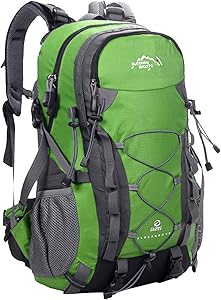
- Gear Capacity: 35 liters
- Material: Water-repellent Tear-resistant Polyester
- Suspension: Ergonomic Breathable Mesh
- Rain Protection: 3000mm Waterproof Cover
The INOXTO Hiking Backpack offers a larger 35L capacity, making it a strong contender for longer excursions where extra layers or equipment are necessary. It utilizes a suspension system designed to mimic the natural movement of the back, which helps in distributing weight evenly across the muscles. The high-density sponge padding and breathable mesh are particularly effective at heat dissipation during summer treks.
This pack focuses on value and protection, featuring a high-quality PU-coated rain cover that can withstand significant downpours. The aesthetic is sleek and modern, appealing to those who want a bag that looks as good as it performs. While it leans more toward the budget-friendly side, the construction remains sturdy enough for various outdoor environments and mountain climbing adventures.
Pros: Large capacity, highly breathable back panel, and budget-friendly price.
Cons: Material is less technical than high-end nylon and sizing is less adjustable.
See the INOXTO Hiking Backpack
3. SKYSPER Hiking Backpack

- Gear Capacity: 35 liters
- Material: 600D Polyester & 210D Nylon
- Hydration: Interior Sleeve Compatible
- Safety Features: Emergency Whistle & Reflective Raincover
The SKYSPER 35L daypack is built with safety and organization at its core, featuring a unique SOS guide printed inside the main compartment. The combination of 600D polyester and 210D nylon creates a highly durable exterior that resists tears and abrasions during rugged use. It excels in organization with specialized anti-theft compartments and a front elastic rope for drying wet gear.
Comfort is managed through thick padding on the shoulder straps and a supportive hipbelt that includes a MOLLE expansion system for additional pouches. The sternum strap doubles as a safety whistle, adding another layer of utility for emergency situations. This is an ideal pack for those who enjoy technical features and want a secure place for every piece of gear.
Pros: Robust safety features, anti-theft compartment, and reinforced load points.
Cons: 600D fabric adds weight and the internal sleeve is best for smaller bladders.
See the SKYSPER Hiking Backpack
4. NEMO Resolve

- Gear Capacity: 37.5 liters
- Frame Type: Spring-steel loop
- Weight: 2 lbs. 14 oz.
- Sustainability: 100% Recycled Polyester
The NEMO Resolve stands out as a “technical active pack” that balances capacity with a relatively low weight of under three pounds. It offers 37.5 liters of space, providing a bit more room than the standard 35L daypack for bulky cold-weather gear. The top and side access points make it incredibly easy to grab items without unpacking the entire bag from the top.
Constructed from 100% recycled polyester, this pack is designed with the “Endless Promise” of circularity. It features a waterproof exterior and eight exterior pockets, offering the best organization in its class. For hikers who want a lightweight, eco-friendly pack that doesn’t compromise on storage or structural support, this spring-steel frame pack is a premium and highly functional choice.
Pros: Excellent capacity-to-weight ratio, waterproof materials, and many pockets.
Cons: No raincover included and higher price point than basic models.
See the NEMO Resolve See the Women’s Resolve
5. Mountain Hardwear Scrambler

- Gear Capacity: 35 liters
- Frame Type: Frameless (CLPE framesheet)
- Material: 400D TPU-coated Nylon Ripstop
- Weight: 2 lbs. 10.4 oz.
The Mountain Hardwear Scrambler is a minimalist’s dream, designed for those who move fast and light across technical terrain. By utilizing a CLPE framesheet instead of a traditional metal frame, it sheds significant weight while remaining stiff enough to carry 35 liters of gear. The TPU-coated nylon ripstop is exceptionally tough and sheds water easily, making it perfect for rocky scrambles.
This pack is focused on streamline performance, featuring top-only access and fewer exterior pockets to maintain its snag-free profile. It is hydration compatible and includes hipbelt pockets for small items, but it lacks the bulk of traditional hiking packs. It is the lightest option on this list, catering specifically to the needs of alpine climbers and peak baggers who value simplicity.
Pros: Extremely lightweight, high-durability TPU coating, and snag-free design.
Cons: Frameless design offers less support for heavy loads and lacks a raincover.
See the Mountain Hardwear Scrambler
The Ultimate Guide to Choosing a 35L Hiking Backpack
Selecting the right backpack is perhaps the most critical decision any hiker can make. While a 65L pack is built for week-long expeditions and a 10L pack is meant for a quick trail run, the 35L backpack sits in the “Goldilocks zone.” It is the most versatile size in the outdoor world, capable of handling demanding day hikes, technical scrambles, and even ultralight overnight trips. However, with hundreds of options on the market ranging from minimalist frameless bags to heavy-duty internal frame carriers, finding the perfect match requires an understanding of volume, suspension, and specialized features.
Understanding the 35-Liter Volume
Before diving into technical specs, it is essential to understand what 35 liters actually looks like. In practical terms, a 35L pack offers enough room for the “Ten Essentials,” plus extra layers, a hydration bladder, a full lunch, and perhaps some specialized gear like a camera or a lightweight climbing helmet. If you are an efficient packer, this volume is also sufficient for a “fast-and-light” summer overnight trip involving a bivy sack or a lightweight tent.
Who is the 35L Pack For?
This size is ideal for the “all-day” hiker. If your adventures take you into the backcountry for 8 to 12 hours, you need the extra space for a rain shell, an insulation layer, and enough water to stay hydrated. It is also the preferred size for leaders or parents who may need to carry extra supplies for others in their group. Because these packs are usually within carry-on dimensions for most airlines, they also double as excellent travel bags for those who prefer to travel light.
The Anatomy of a Backpack: Frame and Suspension
How a pack carries weight is more important than how much it can hold. The suspension system is the bridge between the load and your body. At the 35L mark, you will encounter two primary types of frame designs.
Internal Frame vs. Frameless
Internal frame packs, such as those using spring steel or aluminum stays, provide structure. They transfer the weight of your gear directly to your hips, which is vital if you are carrying more than 15 pounds. These are best for long-distance hiking. On the other hand, frameless packs or those with simple foam framesheets are designed for agility. They are lighter and more flexible but require careful packing to prevent items from poking into your back. Frameless packs are best suited for hikers who have already minimized their gear weight.
The Importance of the Hipbelt
In a properly fitted 35L pack, approximately 80% of the weight should rest on your hips, not your shoulders. Look for a hipbelt that is padded enough to cushion the iliac crest (the top of your hip bone). Some technical packs offer “pivoting” hipbelts that move with your stride, reducing friction and energy expenditure. Hipbelt pockets are a highly recommended feature, as they allow you to access snacks, a compass, or a smartphone without taking the pack off.
Materials and Durability
Modern backpacks are marvels of textile engineering. The durability of a pack is often measured in “Denier” (D), which refers to the thickness of the fibers. A 210D nylon is standard for many lightweight packs, offering a good balance of weight and strength. However, if you plan on “bushwhacking” through thick brush or scraping against granite, look for 400D or higher in high-wear areas like the bottom of the bag.
Water Resistance and TPU Coatings
While few backpacks are truly 100% waterproof, many use TPU (Thermoplastic Polyurethane) coatings or DWR (Durable Water Repellent) finishes. A TPU-coated pack is nearly impervious to light rain and is much easier to clean after a muddy trip. However, for serious downpours, an integrated raincover is the most reliable solution. Many 35L packs include a hidden pocket at the bottom containing a fitted raincover, which is a significant value-add.
Backpack Access and Organization
How you get into your bag matters just as much as what you put in it. There are three common styles of access for 35L packs:
- Top-Loading: Features a “brain” or lid. This is the most secure and weather-resistant design, though it makes reaching items at the bottom difficult.
- Panel-Loading: Uses a U-shaped zipper that opens like a suitcase. This is excellent for organization and quick access.
- Hybrid/Side Access: Many modern packs now include a side zipper that allows you to slide out a jacket or water bottle from the bottom of a top-loading pack.
The Exterior Pocket Count
A high-quality 35L pack should have at least five to seven exterior pockets. Large mesh “shove-it” pockets on the front are perfect for stowing a wet rain shell or a sit-pad. Side pockets should be deep enough to hold a 1-liter water bottle securely, even when you lean forward. If you use a hydration bladder, ensure the pack has a dedicated internal sleeve and a port for the drinking tube.
Fit and Sizing: The Non-Negotiables
Even the most expensive pack will be miserable if it doesn’t fit your torso. It is a common mistake to choose a pack based on your height; instead, you must measure your torso length from the C7 vertebra (the bump at the base of your neck) to the top of your hip bones.
Adjustable Torso Lengths
Many premium packs now feature adjustable harnesses. This allows you to slide the shoulder straps up or down to match your specific measurements. This is especially helpful if you are between sizes or if you plan on sharing the pack with a partner. Furthermore, look for “load lifters”—the small straps on top of the shoulder pads. Pulling these toward your chest brings the pack closer to your back, preventing the bag from pulling backward and straining your neck.
Technical Features for Specific Activities
If you have a specific hobby, your 35L pack should reflect that. For example:
- Scrambling and Climbing: Look for a narrow profile that doesn’t snag on rocks and includes loops for ice axes or trekking poles.
- Winter Hiking: Ensure the buckles are large enough to operate with gloves on and that there are external attachment points for snowshoes or crampons.
- Photography: Look for a panel-loading design that allows you to fit a padded camera insert easily.
Conclusion: Making the Final Choice
To choose the right 35L pack, start by weighing your typical gear load. If you carry more than 15-20 pounds, prioritize a robust internal frame and a padded hipbelt. If you are a minimalist, prioritize a lightweight, frameless design that moves with your body. Always check for a hydration sleeve and a raincover, as these are the two features you will miss most when you don’t have them.
Ultimately, the best backpack is the one you forget you are wearing. When the weight is distributed correctly and the straps are adjusted to your torso, the 35L pack becomes an extension of your body, leaving you free to focus on the trail ahead rather than the burden on your back.