
Best Budget Portable Power Stations of 2026
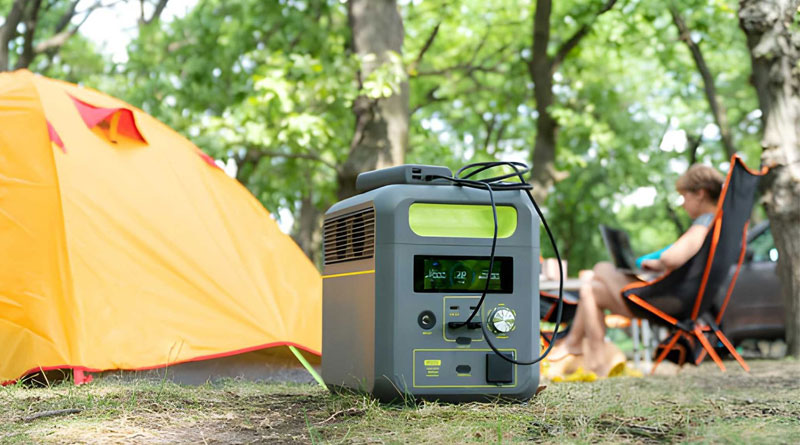
Looking for power on the go without breaking the bank? Portable power stations are game-changers for camping trips, tailgates, or emergency backup. But with so many options, finding one that fits your budget can be tricky. Don’t worry, we’ve done the research for you. This guide breaks down the best budget portable power stations that offer reliability, decent battery life, and must-have features—all without the premium price tag.
1. DARAN Portable Power Station 600W
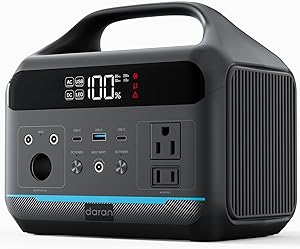
- Capacity: 288Wh (90,000mAh)
- Battery Type: LiFePO4 (3500+ cycles)
- Output Power: 600W (1200W Surge)
- Weight: 8.3 Pounds
The DARAN 600W power station is a robust entry-level unit that prioritizes longevity and safety. Utilizing a high-quality LiFePO4 battery, it promises over 3,500 charge cycles, making it a long-term investment for frequent campers. Its 600W continuous output is surprisingly capable, easily handling car refrigerators and CPAP machines. The fast-charging capability is a significant bonus, reaching an 80% charge in just two hours via AC.
Safety is managed by an advanced BMS that monitors for overloads and overheating, ensuring your sensitive electronics stay protected. The integrated LED light with SOS mode makes it an ideal companion for storm seasons or night-time emergencies. With six versatile ports, including a 60W USB-C PD outlet, it handles multiple modern devices simultaneously without breaking a sweat.
- Pros:
- Long-lasting LiFePO4 battery chemistry
- Ultra-fast 2-hour AC recharging
- High 1200W surge power capacity
- Cons:
- Car charging cable sold separately
- AC port shuts off at 10% battery
2. Goal Zero Yeti 300

- Battery Capacity: 297 Wh Lithium Iron Phosphate
- Recharge Speed: 0.8 hours via AC wall outlet
- Durability: Built with Aluminum and ABS plastic
- Weight: 13 lbs. 11.2 oz.
The Goal Zero Yeti 300 is a rugged companion built for those who do not let a little mud or dust stop their adventure. Its IPX4-rated construction ensures that whether you are at a sandy beach party or a rainy campsite, your power source remains protected. The use of Lithium Iron Phosphate technology provides a longer lifespan and safer operation compared to older battery chemistries.
At under 14 pounds, it strikes a great balance between portability and power. The standout feature is the incredibly fast 0.8-hour AC recharge time, meaning you can top it off quickly before heading out. It is an ideal entry-level station for car campers who need reliable energy for lights, phones, and small appliances while navigating various outdoor environments.
- Pros:
- Extremely fast charging
- Rugged and weather-resistant build
- Durable LFP battery
- Cons:
- Slightly heavier than some competitors in its class
- 12V car charging is significantly slower
3. NEBO Rambler 300

- Battery Capacity: 288 Wh LiFePO4
- Weight: 8 lbs. 4.8 oz.
- Charging Ports: 6-way output including 100W USB-C PD
- Dimensions: 12.1 x 9.3 x 2.2 inches
The NEBO Rambler 300 stands out due to its slim, briefcase-like profile. Unlike bulky cubic stations, this flat design slides easily into a packed trunk or a tight storage shelf. Despite its thin frame, it delivers a solid 288 watt-hours of energy, making it a highly efficient choice for hikers and campers who prioritize space-saving gear without sacrificing utility.
Versatility is at the core of this unit, featuring six different charging ports to keep all your electronics running. With a powerful 100W USB-C PD port, it can even handle laptops and high-drain mobile devices with ease. The lightweight construction makes it the most portable option for those who frequently move camp or need power on the go during day trips.
- Pros:
- Very lightweight and slim design
- Versatile 6-way charging
- High-speed USB-C output
- Cons:
- Lower surge capacity than larger units
- Unique shape may not fit all standard power station accessories
4. Goal Zero Yeti 500

- Battery Capacity: 499 Wh Lithium Iron Phosphate
- Recharge Speed: 1 hour via AC wall outlet
- External Charge: Supports Car, Wall, and Solar
- Materials: Aluminum and ABS plastic construction
The Goal Zero Yeti 500 is the big brother of the Yeti line, offering nearly double the capacity of the 300 model while maintaining the same rugged DNA. It is engineered to withstand the elements, including water and dust, which makes it a top-tier choice for longer camping excursions or as a reliable home backup for small electronics during a power outage.
With 499 watt-hours at your disposal, you can power larger setups like tailgate sound systems or portable fridges for extended periods. Despite the increased capacity, it still recharges from a wall outlet in just one hour. This combination of high energy density, fast recovery, and a tough exterior makes it a versatile powerhouse for any serious outdoor enthusiast or homeowner.
- Pros:
- Large capacity for extended use
- Quick 1-hour AC charging
- Highly durable and weather-resistant
- Cons:
- Noticeably heavier at over 16 lbs
- Takes 5 hours to charge via 12V car port
5. DieHard 300-Watt Portable Power Station

- Inverter: Pure Sine Wave (300W/600W Peak)
- Capacity: 288.6Wh Lithium-ion
- Weight: 9.26 Pounds
- Special Feature: 5W Wireless Charging Pad
DieHard brings its legendary reliability to the portable power market with this compact 300-watt unit. The standout feature is the Pure Sine Wave output, which provides clean, stable electricity identical to your home outlets. This makes it exceptionally safe for sensitive electronics like high-end laptops or DSLR camera chargers. Its design is rugged and travel-friendly, measuring just 8 inches across.
This station excels in versatility with a wide array of outputs, including three USB ports and a convenient wireless charging pad on top. It is built to withstand varied environments, featuring weather-resistant housing and comprehensive electrical protections. Whether used on a jobsite or during a weather emergency, this unit provides the dependable energy supply the DieHard brand is known for.
- Pros:
- Clean Pure Sine Wave power
- Integrated wireless phone charging pad
- Rugged, weather-resistant construction
- Cons:
- Slightly heavier than some rivals
- Limited to 300W continuous output
6. Jackery Explorer 300 Portable Power Station
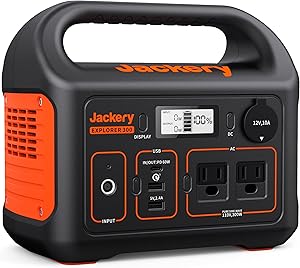
- Capacity: 293Wh Lithium-ion
- Recharge: Dual AC + USB-C PD Charging
- Weight: 7.1 Pounds
- Solar: Integrated MPPT controller
The Jackery Explorer 300 is a gold standard in the budget category, known for its exceptional build quality and efficiency. One of its best features is the dual-recharging capability, which allows you to plug into a wall outlet and the 60W USB-C port simultaneously to hit an 80% charge in only two hours. It is remarkably light at just over seven pounds.
Designed for the “green” camper, the Explorer 300 features a built-in MPPT controller that optimizes solar recharging when paired with a SolarSaga panel. It offers two safe AC outlets and enough ports to charge up to six devices at once. It is an ideal essential for overland journeys, providing a steady and reliable power supply for drones, MacBooks, and camping lights during off-grid stays.
- Pros:
- High-speed dual-input recharging system
- Highly portable at 7.1 lbs
- Reputable brand with excellent support
- Cons:
- No built-in LED flashlight
- Fan can be audible under load
7. Anker 521 Portable Power Station

- Durability: 10-year lifespan (InfiniPower)
- Battery: LiFePO4 Chemistry
- Output: 300W (600W Peak)
- Ports: 6 Multi-port hub
Anker’s 521 PowerHouse is built for longevity, featuring InfiniPower technology that combines LiFePO4 batteries with ultra-durable electronics. This unit is designed to last a decade with everyday use, far outperforming standard lithium-ion alternatives. Its 256Wh capacity is perfectly sized for weekend getaways, and the 600W surge capability ensures it can handle high-demand appliances during a sudden power outage.
The hub features six diverse ports, including a fast-charging 60W USB-C PD output that makes charging modern laptops a breeze. Anker’s signature temperature control system ensures the battery remains safe and cool during heavy discharge. With an industry-leading 5-year warranty, this power station provides peace of mind along with its streamlined, professional design, making it a top-tier budget pick for adventurers.
- Pros:
- Industry-leading 5-year warranty
- Exceptional 10-year battery lifespan
- Built-in 60W USB-C PD port
- Cons:
- Slightly lower capacity than rivals
- Charging input is limited to DC
8. MARBERO 88Wh Portable Power Station

- Form Factor: Ultra-slim (3.2 lbs)
- Capacity: 88Wh / 24,000mAh
- Ports: 8 Simultaneous outputs
- Lighting: 3-level LED + SOS
The MARBERO power station is the ultimate “grab-and-go” unit for those who need maximum portability. At just 3.2 pounds and roughly the size of a DSLR camera, it fits into any backpack for day trips or backyard camping. Despite its tiny size, it offers a staggering eight output ports, including two AC outlets and a USB-C PD port, allowing for incredible versatility in a pocket-sized frame.
One of its standout features is the professional-grade lighting system, which offers three brightness levels and can illuminate a room for up to 68 hours. This makes it an essential tool for roadside emergencies or home power failures. The built-in BMS ensures all connected devices remain stable, while the integrated cooling vents prevent the internal electronics from overheating during heavy use.
- Pros:
- Incredibly lightweight and slim
- Huge port selection for its size
- Powerful long-lasting LED light
- Cons:
- Small 88Wh total capacity
- Only supports devices under 80W
9. EnginStar 300W Portable Power Station
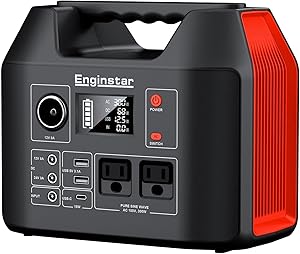
- Capacity: 296Wh (80,000mAh)
- Inverter Type: Pure Sine Wave
- Charging: 3-way (Solar/AC/Car)
- Certification: ETL Certified Safety
EnginStar provides a high-capacity 296Wh battery bank that is specifically tailored for CPAP users and campers. The 110V Pure Sine Wave AC outlets ensure that sensitive medical equipment and laptops run quietly and efficiently without risk of damage. Weighing only 6.5 pounds, it strikes an excellent balance between energy density and portability, providing enough juice for multiple smartphone recharges and light laptop use.
The unit features three flexible charging methods, with a built-in controller that maximizes solar input speeds. It can reach an 80% charge in just two hours when using high-speed inputs. With an advanced management system protecting against overcharging and short circuits, it is a safe and reliable choice for families who need a dependable backup battery for their outdoor and emergency kits.
- Pros:
- Stable power for CPAP machines
- Very fast 80% recharge time
- Regulated 12V DC outputs
- Cons:
- Display can be hard to read
- Plastic casing feels less premium
10. HOWEASY 120W Portable Power Station

- Weight: 2.3 Pounds (Ultra-portable)
- Peak Power: 240W Surge
- Recharge: 1500+ Cycle Life
- Display: LED Status Screen
The HOWEASY 120W is the lightest unit on our list, weighing a mere 2.3 pounds. It features an innovative hidden handle that makes it feel like a small lantern rather than a power generator. Despite its featherweight design, it manages to pack in eight output ports, including two AC sockets capable of 120W continuous power. It is the perfect companion for day trips where you just need to keep fans or night lights running.
This station supports simultaneous charging, meaning you can top up the battery while it continues to power your phone or tablet. Its long cycle life of over 1500 charges makes it much more durable than standard power banks. Combined with three high-brightness LED lighting modes, it is a versatile home essential that serves as both a powerful light source and a compact energy reserve for emergencies.
- Pros:
- Lightest weight at 2.3 lbs
- Supports pass-through charging
- Great value for the price point
- Cons:
- Not for laptops over 100W
- Capacity is limited for long trips
How to Choose Budget Portable Power Stations
Selecting the right affordable portable power station requires a careful look at your energy needs versus the cost of the unit. Unlike high-end models that can cost thousands, budget units typically range from $100 to $300. In this price bracket, you are usually looking for a “weekend warrior” station—something that can keep your smartphone, tablet, and perhaps a small laptop or LED lights running for a few days. The goal is to find a unit that doesn’t compromise on safety while delivering the best possible watt-hour (Wh) capacity for your money.
Understanding Capacity: What are Watt-Hours?
The most important number on any power station is the capacity, measured in Watt-hours (Wh). This tells you how much total energy is stored in the battery. For budget units, you will typically find capacities between 88Wh and 300Wh. To figure out what you need, look at the wattage of your devices. A 100Wh station can technically run a 10W LED light for 10 hours. If you need to charge a smartphone (usually 10-15Wh) multiple times, a 200Wh unit is generally the sweet spot for a short camping trip. Always aim for a capacity slightly higher than your calculated needs to account for energy loss during conversion.
Continuous vs. Surge Wattage
There is a major difference between continuous wattage and surge (peak) wattage. Continuous wattage is the maximum power the station can provide steadily. Surge wattage is a short burst of power used to start appliances with motors, like a small fan or a mini-fridge. In the budget category, most stations offer 100W to 600W of continuous power. If you try to plug in a hair dryer (1500W) or a coffee maker into a 300W budget station, the internal breaker will immediately trip to protect the unit. Always check the labels on your devices to ensure they fall within the station’s limits.
Battery Chemistry: Li-ion vs. LiFePO4
Cheap power stations generally use one of two battery types. Lithium-ion (Li-ion) is traditional; it’s lighter and smaller but typically only lasts for 500 to 1,000 charge cycles before capacity starts to drop. Lithium Iron Phosphate (LiFePO4) is the modern upgrade. While slightly heavier, LiFePO4 batteries can last for 3,000 to 5,000 cycles—potentially 10 years of use. If you plan on using your power station frequently, it is worth looking for a LiFePO4 model like the Anker or DARAN units, as they offer much better long-term value.
The Importance of Pure Sine Wave Inverters
The inverter is the component that changes battery power (DC) into outlet power (AC). Cheaper “Modified Sine Wave” inverters can cause “noise” in electronics, making fans hum or potentially damaging sensitive laptops and CPAP machines. Inexpensive power stations use “Pure Sine Wave” inverters. This provides clean electricity that is identical to what comes out of your wall at home. If you are charging expensive electronics or medical equipment, never settle for anything less than a Pure Sine Wave unit to ensure your devices stay safe and functional.
Portability and Weight Considerations
The “portable” in portable power station is relative. Cheaper units are generally much easier to carry than their massive 50-pound cousins, but weight still varies. An 88Wh unit like the HOWEASY weighs about 2 pounds and can be carried in a backpack. A 300Wh unit usually weighs between 7 and 9 pounds. Consider how far you have to carry the unit. If you are just moving it from your car to a picnic table, 9 pounds is fine. If you are hiking into a remote campsite, you might want to sacrifice capacity for the lighter weight of a 2-pound “power bank” style station.
Recharge Speeds and Inputs
How fast a station recharges is just as important as how fast it drains. Some budget units take 7 to 10 hours to charge from a wall outlet, which is inconvenient if you are in a rush. Look for units that support “Fast Charging” or dual-input charging (like using AC and USB-C simultaneously). Many budget units also include a built-in MPPT (Maximum Power Point Tracking) controller, which makes solar charging much more efficient. If you plan on being off-grid for more than two days, having a station that can efficiently top up from a portable solar panel is a game-changer.
Available Port Selection
Think about what you actually need to plug in. Most modern users need multiple USB ports, specifically USB-C with Power Delivery (PD). A 60W USB-C PD port can charge many laptops directly without needing the bulky AC brick, which is much more energy-efficient. Look for at least one AC outlet, though two is better for versatility. Some budget units also offer 12V DC ports (car cigarette lighter style), which are perfect for running portable vacuum cleaners or car fridges efficiently. More ports aren’t always better if the capacity is too low to support them all at once.
Safety Features and Certifications
You are essentially carrying a large bomb of energy, so safety certifications are non-negotiable. Look for ETL, UL, or CSA certifications, which mean the unit has been tested to meet strict safety standards. Every reliable budget station should have a Battery Management System (BMS) that handles over-voltage, under-voltage, short-circuit, and temperature protection. If a station gets too hot while charging your laptop in the sun, a good BMS will shut it down automatically to prevent a fire. Never buy a generic unit that doesn’t list these basic protections.
Build Quality and Durability
Since these units are meant for the outdoors, build quality matters. Look for units with sturdy handles (integrated or hidden) and reinforced corners. Some budget models use thin plastic that can crack if dropped. Others, like the DieHard, are built with more rugged, weather-resistant materials. Cooling vents are also important; because cheapest units are compact, they can heat up quickly. Good ventilation and high-quality internal fans will help the electronics last longer and perform more reliably in summer heat.
Warranty and Brand Reputation
Finally, consider the brand. While there are many “no-name” budget brands, companies like Jackery, Anker, and DieHard offer warranties ranging from 2 to 5 years. A longer warranty is a signal that the manufacturer trusts their components. If something goes wrong with a lithium battery, you want a customer service team that is reachable and willing to provide a replacement. Always check if the company provides a clear user manual and has a history of responsive support before making your final purchase.