
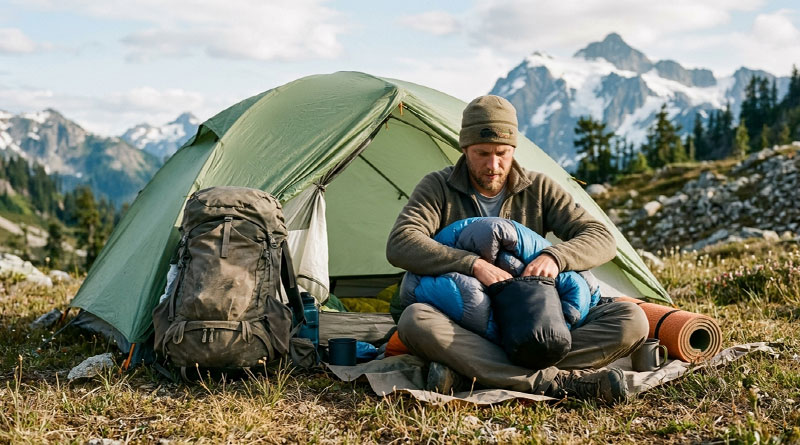
Best Packable Sleeping Bags of 2026
When you’re hiking or traveling, space is precious. A packable sleeping bag solves this problem by squishing down small and fitting easily in your backpack. These lightweight bags keep you warm without weighing you down. Whether you’re camping under the stars or crashing on a friend’s floor, the right bag makes all the difference. Here’s our guide to the best packable sleeping bags for your next adventure.
1. Sea to Summit Spark 45

- Insulation: 850+ fill-power goose down
- Weight: 12.8 ounces (Regular)
- Shell: 10-denier nylon
- Lower Limit: 45 degrees (F)
The Sea to Summit Spark 45 is a masterclass in minimalism, designed specifically for ultralight backpackers who prioritize weight savings above all else. By utilizing premium 850+ fill-power goose down and an incredibly thin 10-denier nylon shell, this bag offers a surprising amount of warmth for a package that weighs less than a pound. It is the perfect choice for summer adventures or as a liner to boost the rating of another bag during colder shoulder seasons.
Despite its featherweight construction, the Spark does not sacrifice quality. The water-resistant down treatment ensures that the loft remains effective even when faced with damp conditions or tent condensation. The mummy shape is trim to maximize thermal efficiency, though it may feel restrictive for active sleepers. For those counting every gram on a long-distance trek, this bag provides a reliable and highly compressible sleep system that disappears in your pack.
Pros: Extremely lightweight, high-quality down, ultra-compact compressed size.
Cons: Slim mummy fit, limited to warm weather use.
See the Sea to Summit Spark 45
2. REI Co-op Magma 30

- Insulation: 850-fill-power goose down
- Weight: 1 lb. 8.4 oz. (Medium)
- Shell: 15-denier recycled ripstop nylon
- Lower Limit: 24 degrees (F)
The REI Co-op Magma 30 strikes an impressive balance between technical performance and sustainable manufacturing. Featuring bluesign-approved 850-fill-power down and recycled shell fabrics, this bag delivers serious warmth for its weight. It is versatile enough for three-season use, handling chilly nights near the freezing mark with ease. The updated sizing options are a standout feature, allowing hikers to find a specific width and length that optimizes their comfort.
Construction-wise, the 15-denier ripstop shell feels more durable than many ultralight competitors without adding significant bulk. The water-resistant down provides peace of mind during multi-day trips where moisture is inevitable. While the mummy cut is designed to retain heat, it offers enough wiggle room to prevent a claustrophobic feel. Overall, it is a high-value option for backpackers seeking premium materials and dependable performance at a competitive price point.
Pros: Excellent warmth-to-weight ratio, recycled materials, multiple size options.
Cons: Higher price point than entry-level bags, zipper can snag.
3. NEMO Disco 15 Endless Promise

- Insulation: 650-fill-power duck down
- Weight: 2 lbs. 11 oz. (Regular)
- Shape: Semirectangular (Spoon)
- Lower Limit: 16 degrees (F)
The NEMO Disco 15 is specifically engineered for side sleepers who find traditional mummy bags too restrictive. Its unique spoon shape provides extra room at the elbows and knees, allowing for a more natural sleeping position throughout the night. Part of the Endless Promise series, this bag is fully recyclable, highlighting NEMO’s commitment to sustainability without compromising the technical features that backpackers need for cold alpine nights.
While it uses 650-fill-power down, which is slightly heavier than ultra-premium fill, the bag remains surprisingly packable. The 15-degree rating makes it a true workhorse for late fall or early spring expeditions. Features like the Blanket Fold draft collar and Thermo Gills for temperature regulation allow you to fine-tune your comfort levels. It is an ideal choice for the hiker who prioritizes a good night’s sleep and room to move over the absolute lightest weight.
Pros: Spacious for side sleepers, sustainable design, great temperature regulation.
Cons: Heavier than slim mummy bags, larger packed volume.
See the NEMO Disco 15 See the Women’s Disco 15
4. REI Co-op Trailmade 25

- Insulation: 100% recycled polyester synthetic
- Weight: 2 lbs. 15.14 oz. (Medium)
- Shell: 30-denier recycled ripstop polyester
- Lower Limit: 20 degrees (F)
The REI Co-op Trailmade 25 is a rugged, budget-friendly option that serves both entry-level backpackers and car campers. Unlike down alternatives, its synthetic insulation maintains warmth even if it gets wet, making it a reliable choice for humid environments or rainy weekends. The 30-denier shell is notably tougher than ultralight fabrics, ensuring the bag can withstand frequent use and less-than-gentle handling on the trail.
Though it is heavier and bulkier than down bags with similar ratings, the Trailmade offers a consistent level of comfort and warmth down to its 20-degree limit. The mummy shape is efficient for heat retention, yet the bag remains approachable for those new to the outdoors. It is a practical, no-nonsense sleep system that utilizes recycled materials to reduce its environmental footprint, proving that you do not need to spend a fortune to get a quality night’s rest.
Pros: Very affordable, performs well in damp conditions, durable shell.
Cons: Heavy for backpacking, bulky when packed.
See the REI Co-op Trailmade 25
5. Kelty Cosmic 20

- Insulation: 550-fill-power down
- Weight: 2 lbs. 7 oz. (Regular)
- Shell: 50-denier polyester taffeta
- Lower Limit: 21 degrees (F)
The Kelty Cosmic 20 is widely regarded as one of the best value down bags on the market. It utilizes 550-fill-power down, which provides the soft feel and compressibility of down while keeping the price accessible for most hikers. The trapezoidal baffle construction is a thoughtful technical touch that helps prevent cold spots by keeping the insulation securely in place, ensuring you stay warm throughout 3-season adventures.
This bag features a durable 50-denier shell that feels much more robust than the paper-thin fabrics found on high-end racing bags. While it may not be the lightest option for long-distance treks, its reliability and comfort make it a favorite for weekend warriors. The inclusion of a right-hand zipper and a natural-fit footbox adds to the overall user experience, making it a comfortable and enduring staple for any gear closet.
Pros: Excellent value, durable fabrics, effective baffle design.
Cons: Lower fill power means more weight, slightly bulky compression.
6. SYWSKW Down Sleeping Bag

- Insulation: 680FP duck down
- Weight: 2.38 lb (1.1 lb fill model)
- Shell: 100% Nylon
- Shoulder Width: 33.5 inches
The SYWSKW Down Sleeping Bag is a versatile option designed for those who need a complete sleep system in one package. One of its standout features is the integrated, detachable pillow, which saves you from having to carry an extra item in your pack. The bag features a widened shoulder design, providing significantly more room than standard mummy bags, making it a great choice for larger individuals or those who move frequently during sleep.
Using 680-fill-power duck down and a baffle box construction, this bag provides reliable heat distribution for 3-4 season use. It is also designed with social camping in mind, as two bags of different colors can be zipped together to create a double-sized sleeping area for couples. The YKK zippers and internal security pocket add a level of quality and utility that makes this a strong contender for extended hiking trips and family vacations alike.
Pros: Integrated pillow, extra wide shoulders, can zip together as a double.
Cons: Requires time to loft after unpacking, heavier than premium ultralight bags.
See the SYWSKW Down Sleeping Bag
7. Kelty Cosmic 20 Synthetic

- Insulation: Cirroloft synthetic
- Weight: 2 lbs. 13 oz. (Regular)
- Shell: 380T nylon taffeta
- Temperature Rating: 20 degrees (F)
The Kelty Cosmic 20 Synthetic brings the legendary Cosmic design to those who prefer non-animal-based insulation. Utilizing Cirroloft synthetic fibers, this bag is specifically built to handle cold and damp conditions where down might fail. It maintains its loft and warmth even when exposed to moisture, providing a safety net for backpackers heading into unpredictable weather. The integrated compression sack helps it reach a surprisingly compact size for a synthetic bag.
The tailored fit includes a spacious footbox that allows for more natural foot movement, while the exterior stash pocket is a handy addition for keeping essentials like a headlamp or phone within reach. Kelty’s craftsmanship is evident in the durable 380T nylon shell, which is built to survive the rigors of the trail. This is a solid, dependable choice for anyone needing a resilient 3-season bag that offers a lot of features for a modest price.
Pros: Warm when damp, budget-friendly, spacious footbox.
Cons: Heavier than the down version, synthetic loft degrades over time.
See the Kelty Cosmic 20 Synthetic
8. Naturehike Ultralight Sleeping Bag

- Insulation: 650FP RDS duck down
- Weight: 2 lbs. (910g)
- Shell: 400T 20D ripstop nylon
- Comfort Rating: 40.4 degrees (F)
The Naturehike Ultralight Sleeping Bag features a clever hybrid design that combines the heat-retention benefits of a mummy bag with the freedom of an envelope shape. The upper body is contoured to fit the head snugly, while the lower rectangular section allows you to move your legs or even expose your feet if you get too warm. It is an excellent choice for travelers and hikers who find traditional mummy bags too restrictive but still want a compact down fill.
Packed with RDS-certified duck down, it offers a sustainable and safe insulation choice for both adults and children. The use of high-quality 20D ripstop nylon and YKK zippers ensures that the bag is durable enough for various outdoor activities, from mountaineering to simple hotel use. With its lightweight profile and included compression sack, it is specifically tailored for those looking to save space and weight in their backpack without sacrificing nighttime comfort.
Pros: Unique hybrid shape, ethically sourced down, very portable.
Cons: Limited to warmer temperatures, narrow upper body for some.
See the Naturehike Ultralight Sleeping Bag
9. HLITMOUT Sleeping Bag

- Insulation: 680FP white duck down
- Weight: 2.16 lb (including pillow)
- Shell: 400T 40D ripstop nylon
- Compressed Size: 11.8 x 6.29 inches
The HLITMOUT Sleeping Bag focuses on providing premium warmth through the use of high-quality, traceable white duck down. The bag features a compartmentalized design that effectively prevents the down from shifting, which eliminates cold spots and ensures a consistent temperature throughout the night. The addition of a chest collar further seals in heat, making the heavier fill version a viable option for cold-weather hiking and winter camping trips.
Durability is a key focus here, with a shell made of water-repellent 40D nylon that can handle rugged outdoor environments. Inside, the Pongee fabric lining provides a soft, breathable, and silky feel against the skin, avoiding the “plastic” sensation of some nylon bags. Like other versatile models, this bag can be zipped to another to form a double, and it includes an integrated, removable pillow to maximize backpack efficiency.
Pros: High-quality lining fabric, prevents cold spots, includes removable pillow.
Cons: Slightly heavier than high-end competitors, zipper can be finicky.
10. BUERTS Backpacking Sleeping Bag
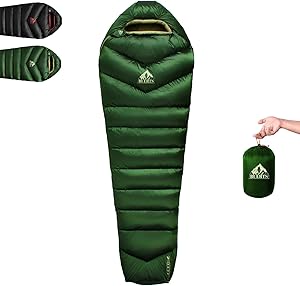
- Insulation: 620FP RDS-certified down
- Weight: 1.72 lbs
- Shell: 400T 20D nylon
- Size: 86.6 x 31.5 inches
The BUERTS Backpacking Sleeping Bag is an ultralight contender that prioritizes ethical sourcing and ergonomic comfort. Filled with 14.1 oz of RDS-certified down, it offers a respectable 620-fill-power that provides high-loft warmth for multi-season adventures. The bag is particularly spacious for its weight class, measuring over 86 inches in length, which allows even taller hikers to roll over and move freely without feeling restricted or cramped.
The 400T 20D nylon fabric is both windproof and water-repellent, ensuring the bag remains functional in harsh or damp environments. It includes practical features such as an inner pocket for valuables and the ability to connect with another bag for a double-wide setup. For backpackers looking for a lightweight, humane, and roomy sleeping solution that compresses into a tiny package, this bag offers a great blend of performance and practicality.
Pros: Roomy dimensions, lightweight, ethically sourced insulation.
Cons: 620 fill power is mid-range, not suitable for freezing temperatures.
See the BUERTS Backpacking Sleeping Bag
How to Choose the Perfect Packable Sleeping Bag for Your Next Adventure
For backpackers, bikepackers, and world travelers, space is the most valuable currency. When every cubic inch of your pack is accounted for, a traditional, bulky sleeping bag can be your biggest liability. Choosing a packable sleeping bag is about finding the delicate intersection between warmth, weight, and volume. A truly high-performance packable bag should feel like a feather in your pack but provide a reliable cocoon of warmth when the sun goes down.
Understanding the technical nuances of insulation, fabrics, and construction is essential to making an informed investment. Whether you are prepping for a thru-hike of the Pacific Crest Trail or a weekend getaway in the mountains, this guide will break down everything you need to know about selecting a sleep system that won’t weigh you down.
Understanding Insulation: The Heart of Packability
The primary factor determining how small a sleeping bag can get is the type of insulation it uses. Insulation works by trapping “dead air” warmed by your body. The more efficiently a material can loft (puff up) and then compress, the more packable it is.
The Supremacy of Down Insulation
Down is the gold standard for packability. Sourced from the under-plumage of ducks or geese, down consists of light, fluffy filaments that create thousands of tiny air pockets. Its greatest strength is its warmth-to-weight ratio. High-quality down can compress to the size of a large water bottle and spring back to full loft repeatedly. When looking at down, you must consider Fill Power (FP). Fill power measures the volume one ounce of down occupies; the higher the number (e.g., 800-900 FP), the more compressible and warmer the bag will be for its weight.
Synthetic Alternatives and Advancements
Synthetic insulation is made from polyester fibers designed to mimic down. While historically bulkier and heavier, modern synthetics like Cirroloft or PrimaLoft have made massive strides in packability. The main advantage of synthetic fill is that it retains its insulating properties even when wet, whereas untreated down clumps and loses warmth. If you frequently camp in extremely humid or rainy environments, a high-end packable synthetic bag might be a safer choice despite the slight increase in weight.
Temperature Ratings and the ISO Standard
A bag’s packability is directly tied to its temperature rating. Simply put, a bag rated for 0°F requires more insulation—and thus more space—than a bag rated for 45°F. To choose correctly, you must understand how these bags are tested.
Comfort vs. Limit Ratings
Most reputable brands use the ISO (International Organization for Standardization) or EN (European Norm) testing protocols. These provide two main numbers:
- Comfort Rating: The temperature at which a “standard” cold sleeper (often categorized as female) can sleep comfortably in a relaxed position.
- Lower Limit: The temperature at which a “standard” warm sleeper (often categorized as male) can sleep for eight hours in a curled position without waking up from the cold.
Always choose a bag based on the coldest temperature you realistically expect to encounter, and remember that it is easier to vent a warm bag than to try and stay warm in a bag that is too thin.
Shell Materials and Weight Savings
The fabric surrounding the insulation also plays a role in how well a bag compresses. To achieve maximum packability, manufacturers use “denier” ratings to describe the thickness of the fabric’s threads. Ultralight packable bags often use 7-denier to 20-denier nylon or polyester.
While these thin fabrics allow the bag to compress into almost nothing, they require careful handling. Ripstop weaves are common in packable bags to prevent small snags from turning into large tears. Additionally, look for fabrics treated with DWR (Durable Water Repellent) to protect the insulation from tent condensation and light moisture.
Shape and Construction: Finding the Right Fit
The physical cut of the bag significantly impacts both your sleep quality and your pack weight. Excess fabric means excess weight and more material to compress.
Mummy Bags
The mummy shape is the most common for packable gear. It tapers at the feet and includes a snug hood. By mirroring the human silhouette, it eliminates “dead air” that your body would otherwise have to waste energy heating. This efficiency allows the bag to be lighter and smaller.
Spoon and Semirectangular Shapes
For side sleepers or those who feel claustrophobic in mummy bags, spoon-shaped bags (like those from NEMO) or semirectangular bags offer a compromise. They provide extra room at the elbows and knees. While these are slightly less packable than a tight mummy bag, the improved sleep quality is often worth the extra few ounces for many adventurers.
The Role of Compression Sacks
A packable sleeping bag is only as good as the sack you carry it in. Most bags come with two sacks: a large mesh or cotton bag for long-term storage and a small “stuff sack” for the trail. To truly maximize space, you should invest in a dedicated compression sack. These utilize webbing straps to squeeze the air out of the bag, often reducing its volume by an additional 30% to 50%.
However, a word of caution: never store your bag in a compressed state at home. Constant compression can damage the structure of down filaments or synthetic fibers, leading to a loss of loft and warmth over time.
Technical Details that Matter
When comparing two seemingly identical packable bags, the small details often dictate the price and performance:
- Zippers: Full-length zippers offer better ventilation but add weight. Some ultralight bags use half-length or 1/3-length zippers to save ounces.
- Baffles: Look for vertical or trapezoidal baffles. These are the internal chambers that hold the down. Good baffle design prevents the insulation from shifting and creating cold spots.
- Draft Collars: An insulated tube around the neck prevents warm air from escaping every time you move.
Summary: Making the Final Decision
Choosing a packable sleeping bag is an exercise in honesty. You must be honest about your budget, the weather conditions you will face, and how much “snugness” you can tolerate. If you are an ultralight enthusiast where every gram counts, a high-fill-power down mummy bag is your best bet. If you are a weekend warrior looking for durability and value, a synthetic or lower-fill-power down bag will serve you well.
Ultimately, the best packable sleeping bag is the one that you don’t notice in your pack during the day, but that you absolutely rely on for a restorative night’s sleep under the stars. By focusing on insulation quality, temperature accuracy, and an efficient shape, you can ensure that your gear works for you, rather than against you, on your next journey.