Best Waterproof Sleeping Bags of 2026
When you’re camping in the rain or sleeping on damp ground, a wet sleeping bag can ruin your whole trip. That’s why a waterproof sleeping bag is a game changer. It keeps you dry, warm, and comfortable no matter the weather. In this article, we’ll break down the best waterproof sleeping bags for all kinds of adventures—from backpacking to car camping—so you can rest easy, even when the forecast looks rough.
1. Sea to Summit Spark 45

- Temperature Rating: 45°F (7°C)
- Weight: 12.8 oz (Regular)
- Insulation: 850+ fill-power goose down
- Shell: 10D nylon
The Sea to Summit Spark 45 is built for ultralight backpackers who count every gram. At just over 12 ounces, it is one of the lightest sleeping bags available, making it ideal for minimalist adventures. The 850+ fill-power down provides impressive warmth for its weight, while the 10-denier shell helps resist light wind and condensation. Its mummy shape maximizes heat retention, though it does feel snug for broader sleepers.
This bag performs best in warm conditions or as part of a layering system. It packs down incredibly small, making it perfect for long-distance trekking or bikepacking. However, the lightweight materials require careful handling, and it is not suited for colder nights. Overall, it is a premium choice for experienced backpackers seeking maximum weight savings.
- Pros: Extremely lightweight, excellent packability, high-quality down
- Cons: Not suitable for cold weather, delicate fabric
See the Sea to Summit Spark 45
2. REI Co-op Magma 30

- Temperature Rating: 30°F (-9°C)
- Weight: From 1 lb 5.6 oz
- Insulation: 850-fill-power down
- Shell: 15D recycled ripstop nylon
The REI Co-op Magma 30 is a well-balanced sleeping bag that delivers warmth, comfort, and low weight. With high-quality 850-fill down, it provides excellent insulation while remaining under two pounds. The range of sizes and widths allows users to find a precise fit, which improves both comfort and thermal efficiency during overnight trips.
This bag performs well in three-season conditions and offers solid packability for backpacking. The recycled materials add an eco-friendly touch without compromising durability. While not the cheapest option, it delivers reliable performance and versatility, making it a great choice for both beginners and seasoned hikers.
- Pros: Lightweight, excellent warmth-to-weight ratio, multiple size options
- Cons: Premium price, slightly less durable shell
3. NEMO Disco 15 Endless Promise

- Temperature Rating: 15°F (-9°C)
- Weight: 2 lbs 11 oz
- Insulation: 650-fill-power down
- Shape: Semirectangular
The NEMO Disco 15 stands out for its roomy design, offering more freedom than traditional mummy bags. The semirectangular shape allows side sleepers to shift positions comfortably throughout the night. Its 650-fill down provides reliable warmth, making it suitable for colder backpacking trips.
Although heavier than ultralight options, it excels in comfort and versatility. The recycled materials and sustainable design add extra appeal. It packs reasonably well, though not as compact as higher-fill down bags. This is a great option for campers who prioritize comfort without sacrificing too much portability.
- Pros: Spacious design, good warmth, eco-friendly materials
- Cons: Heavier, less compact than ultralight bags
See the NEMO Disco 15 See the Women’s Disco 15
4. REI Co-op Trailmade 25

- Temperature Rating: 25°F (-4°C)
- Weight: From 2 lbs 12 oz
- Insulation: Synthetic polyester
- Shell: 30D recycled polyester
The REI Co-op Trailmade 25 is a dependable synthetic sleeping bag designed for versatility. It offers solid warmth and performs well in damp conditions where down insulation may struggle. The recycled materials and PFAS-free DWR coating enhance its sustainability and weather resistance.
While heavier and bulkier than down options, it is more affordable and easier to maintain. This makes it ideal for casual campers or those camping in unpredictable weather. It is not the most compact choice, but it provides excellent value for its performance.
- Pros: Affordable, moisture-resistant, durable
- Cons: Heavier, less packable
See the REI Co-op Trailmade 25
5. Kelty Cosmic 20

- Temperature Rating: 20°F (-7°C)
- Weight: 2 lbs 7 oz
- Insulation: 550-fill-power down
- Shell: 50D polyester
The Kelty Cosmic 20 is a reliable three-season sleeping bag known for its affordability and durability. The 550-fill down provides decent insulation, while the trapezoidal baffle design helps eliminate cold spots. It is slightly heavier than premium models but offers solid performance for the price.
This bag is ideal for budget-conscious backpackers who still want down insulation. It packs reasonably well and handles moderate cold conditions effectively. While not the lightest or most compressible, it delivers dependable comfort on most trips.
- Pros: Affordable down option, durable, reliable warmth
- Cons: Heavier, lower fill power
6. oaskys Sleeping Bag

- Temperature Range: 10–20°C
- Material: 210T polyester shell
- Weight: Moderate
- Size: 190 + 30 cm length
The oaskys Sleeping Bag is designed for casual campers and beginners. Its three-season rating makes it suitable for mild to moderate weather, and the double-filled construction helps retain warmth even in slightly damp conditions. The adjustable hood adds comfort during cooler nights.
This bag is not ultralight, but it is easy to carry and maintain. The materials are durable and water-resistant, making it a practical choice for occasional outdoor use. It offers good value for money, especially for those new to camping.
- Pros: Affordable, durable, easy to use
- Cons: Bulky, not ideal for cold weather
7. Kelty Cosmic 20 Synthetic

- Temperature Rating: 20°F
- Weight: 2 lbs 13 oz
- Insulation: Cirroloft synthetic
- Shell: 380T nylon
The Kelty Cosmic 20 Synthetic offers reliable warmth in wet and cold conditions. Its Cirroloft insulation maintains loft even when damp, making it a dependable option for unpredictable weather. The spacious footbox adds comfort for restless sleepers.
While bulkier than down bags, it provides consistent performance and durability. It is well suited for beginners and those camping in humid environments. The added features, such as stash pockets, improve usability on the trail.
- Pros: Moisture-resistant, durable, comfortable fit
- Cons: Bulky, heavier than down
See the Kelty Cosmic 20 Synthetic
8. Naturehike Ultralight Sleeping Bag

- Temperature Rating: 40°F
- Weight: 2 lbs
- Insulation: 650FP duck down
- Shell: 20D ripstop nylon
The Naturehike Ultralight Sleeping Bag blends comfort and portability with a hybrid design. The mummy upper section retains warmth, while the rectangular lower section allows more movement. This makes it suitable for users who dislike restrictive mummy bags.
It packs down small and is easy to carry, making it great for backpacking and travel. While not designed for cold weather, it performs well in mild conditions. The build quality and materials offer good value for the price.
- Pros: Lightweight, hybrid design, good value
- Cons: Limited cold-weather performance
See the Naturehike Ultralight Sleeping Bag
9. HLITMOUT Sleeping Bag

- Weight: 2.16 lbs
- Insulation: 680FP duck down
- Temperature Range: 32°F–45°F
- Shell: 400T nylon
The HLITMOUT Sleeping Bag is designed for versatility and comfort. Its premium down insulation offers reliable warmth while maintaining a lightweight design. The included pillow and thoughtful features like internal pockets enhance convenience.
This bag is suitable for a wide range of outdoor activities. It balances durability and comfort well, though it is not ideal for extreme cold. Overall, it is a solid mid-range option for regular campers.
- Pros: Lightweight, good insulation, practical features
- Cons: Not for extreme cold
10. BUERTS Backpacking Sleeping Bag
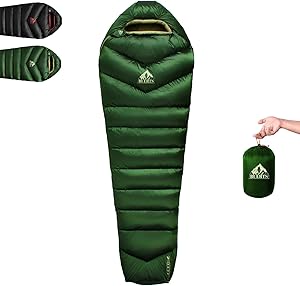
- Weight: 1.72 lbs
- Insulation: 620FP down
- Temperature Rating: 44°F limit
- Shell: 20D nylon
The BUERTS Backpacking Sleeping Bag is a lightweight and compact option for warm-weather adventures. Its ethical down insulation provides decent warmth while keeping weight low. The roomy design improves comfort compared to tighter mummy bags.
This bag is easy to pack and carry, making it ideal for backpackers and travelers. While not suited for cold conditions, it performs well in mild climates. The durable materials and thoughtful features make it a practical choice.
- Pros: Lightweight, compact, comfortable design
- Cons: Limited warmth for colder nights
See the BUERTS Backpacking Sleeping Bag
The Ultimate Guide to Choosing Waterproof Sleeping Bags
For any outdoor enthusiast, the quality of sleep can make or break an expedition. Whether you are trekking through the mist-covered Highlands, kayaking down a temperate river, or mountaineering in alpine conditions, moisture is the enemy of warmth. A wet sleeping bag is not just uncomfortable; in sub-zero temperatures, it can lead to hypothermia. This has led to the rise of the “waterproof” sleeping bag—a specialized piece of gear designed to shield the sleeper from external moisture while maintaining internal loft. However, choosing the right one requires a deep understanding of materials, construction, and the specific environment you intend to explore.
Understanding the Myth of Total Waterproofing
Before diving into specifications, it is vital to clarify what “waterproof” means in the context of sleeping bags. Unlike a dry bag or a hardshell jacket, a sleeping bag needs to breathe. If a bag were 100% hermetically sealed, the moisture produced by your body (insensible perspiration) would remain trapped inside, soaking the insulation from the inner side. Therefore, most “waterproof” sleeping bags are actually highly water-resistant or feature a waterproof/breathable membrane.
Key Materials and Technologies
The primary way a sleeping bag achieves water resistance is through its outer shell fabric and the treatment of its insulation.
Durable Water Repellent (DWR) Coatings
Most high-quality bags feature a DWR coating on the shell. This chemical treatment causes water to bead up and roll off the surface rather than soaking into the fibers. While effective against light dew or condensation dripping from a tent ceiling, DWR alone does not make a bag waterproof. It is a first line of defense that requires occasional reapplication.
Waterproof-Breathable Membranes
Technical bags designed for extreme conditions often utilize membranes like GORE-TEX Infinium or Pertex Quantum Pro. These membranes are engineered with microscopic pores that are small enough to block liquid water droplets from entering but large enough to allow water vapor (sweat) to escape. This is the gold standard for bags used in snow holes or bivy sacks where direct contact with moisture is inevitable.
Hydrophobic Down vs. Synthetic Fill
The insulation inside the bag reacts differently to water.
- Hydrophobic Down: This is natural down treated with a molecular-level water-resistant polymer. It lofts better than untreated down when damp and dries significantly faster.
- Synthetic Fill: Made of polyester fibers, synthetic insulation does not absorb water into the fiber itself. It remains the best choice for consistently wet, humid environments because it can still provide about 50-70% of its warmth even when fully saturated.
Evaluating Temperature Ratings and Loft
When choosing a waterproof bag, you must match the temperature rating to your destination. Remember that moisture affects the “effective” temperature. If a down bag gets damp, its EN/ISO comfort rating becomes irrelevant because the clumps of wet feathers lose their ability to trap air.
EN and ISO Standards
Look for bags tested under EN 13537 or ISO 23537 standards. These provide three main figures: Comfort (the temperature at which a standard woman can sleep comfortably), Limit (the temperature at which a standard man can sleep for eight hours without waking), and Extreme (a survival rating only). For wet conditions, it is wise to choose a bag with a comfort rating slightly lower than the lowest temperature you expect to encounter.
Construction Details That Matter
A waterproof shell is useless if water leaks through the seams or the zipper. High-end waterproof bags pay attention to the “weak points” of the construction.
Taped Seams and Stitching
In a standard sleeping bag, every stitch creates a tiny hole where water can enter. True waterproof bags often feature factory-taped seams on the shell or are constructed with minimal stitching in high-exposure areas like the hood and the footbox.
The Role of the Baffles
Baffles are the internal chambers that keep the insulation from shifting. For waterproof bags, look for “box-wall construction” rather than “stitch-through.” Stitch-through construction creates cold spots and more entry points for moisture. Box-wall baffles allow the insulation to loft fully, creating a consistent thermal barrier.
Weight vs. Protection: The Hiker’s Dilemma
Adding a waterproof membrane and seam taping adds weight and bulk. Ultralight backpackers often prefer a standard bag paired with a separate bivy cover. However, an integrated waterproof sleeping bag is often more efficient. It eliminates the friction and condensation issues sometimes found when using two separate layers (bag + bivy). When choosing, consider if the weight penalty of a waterproof shell (usually 3 to 6 ounces) is worth the peace of mind in your specific climate.
Practical Considerations for Selection
Beyond the technical specs, the physical fit and utility of the bag are paramount.
Shape and Fit
Mummy-shaped bags are the most thermally efficient and offer the most protection because they have less internal air to heat up and include a snug hood. If you are camping in wet, cold environments, a mummy bag with a well-designed draft collar is essential to prevent heat from escaping every time you move.
The Footbox and Hood
These are the areas most likely to touch the damp walls of a tent. Ensure the bag you choose has reinforced waterproof fabric in these zones. A “3D hood” that wraps around the face without squeezing is vital for keeping respiratory moisture from being trapped inside the bag’s main body.
Maintenance and Longevity
A waterproof sleeping bag is a significant investment, often costing between $300 and $800. Proper care is essential to maintain its water-repellent properties.
Cleaning and Storage
Never dry-clean a waterproof bag; the chemicals can destroy the DWR and the membrane. Use a specialized technical wash (like Nikwax or Granger’s). Always store the bag uncompressed in a large mesh storage sack. Constant compression damages the loft of the insulation and can create permanent creases in the waterproof membrane, leading to leaks.
Field Repairs
If you snag the waterproof shell on a branch or rock, a standard patch won’t suffice. Carry specialized Tenacious Tape or a waterproof repair kit designed for technical fabrics to ensure the integrity of the moisture barrier is maintained during your trip.
Conclusion
Selecting the right waterproof sleeping bag is a balancing act between weight, breathability, and the level of moisture protection required. For those heading into the Amazon or the temperate rainforests of the Pacific Northwest, a synthetic bag with a DWR shell is often the safest bet. For mountaineers facing snow and spindrift, a down-filled bag with a waterproof-breathable membrane like GORE-TEX is the gold standard. By understanding the nuances of fabric technology and construction, you can ensure that no matter how wet the world is outside, your micro-climate remains warm, dry, and restorative.