Best Hardshell Rooftop Tents of 2026
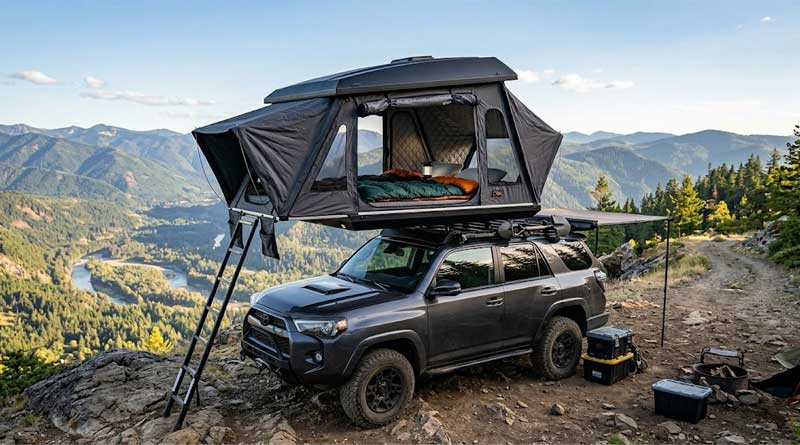
For overland travelers and weekend campers alike, a hard-shell rooftop tent is a game-changer. Unlike bulky soft-shells, these rigid tents pop open in seconds, offering better weather protection and improved aerodynamics. Whether you face sudden rain or rough trails, a hardshell model keeps you dry and comfortable. This guide breaks down the best options for durability, ease of setup, and value, helping you choose the perfect rooftop home for your next adventure.
1. iKamper BDV Duo

- Seasons: 4-season
- Sleeping Capacity: 2-person
- Packed Size: 90 x 56 inches
- Canopy Fabric: 300 g poly-cotton canvas with 75-denier ripstop waterproof polyester rainfly
The iKamper BDV Duo is a well-engineered hardshell rooftop tent built for two-person adventures across all four seasons. Its 300 g poly-cotton canvas canopy breathes exceptionally well while the aluminum floor panel adds structural rigidity and insulation. The expansive windows are a standout feature, framing sweeping views of your surroundings whether parked in a forest clearing or a desert canyon.
Setup is pole-free and impressively quick, making it a favorite among solo travelers who want convenience without compromising comfort. The high-density polyfoam mattress delivers solid sleeping support night after night. Packing down to 90 x 56 inches, it fits cleanly on most mid-size rooftop racks without excessive overhang or wind drag on the road.
- Pros: Pole-free setup, excellent ventilation, quality poly-cotton canvas, compact packed size
- Cons: Heavy at 200 lbs, no vestibule, single door limits entry options
2. HEYFUN Adventurer Pro

- Shell Material: Aircraft-grade aluminum hardshell
- Sleeping Capacity: 2–3 persons, max load 660 lbs
- Opened Dimensions: 83.86 x 51.57 x 62.99 inches
- Fabric: 320 g polyester with flocked lining floor and 5,000 mm waterproof rating
The HEYFUN Adventurer Pro punches well above its price bracket with an aircraft-grade aluminum hardshell and hydraulic gas struts that open the tent in a remarkable five seconds. The flocked lining floor is a practical upgrade over standard polyester bases, actively resisting condensation buildup and keeping the sleeping surface dry even on cold nights. Thirteen interior storage pouches keep the cabin organized on longer overlanding trips.
The integrated LED light strip and attachable side awning add genuine utility without requiring aftermarket accessories. At a closed height of just 7 inches, it sits low on the roof for reduced wind resistance during drives. The dual buckle locking system ensures the shell stays firmly shut over rough terrain, and rust-resistant gas struts promise longevity through years of regular use.
- Pros: 5-second open/close, built-in LED and awning, anti-condensation floor, high load capacity
- Cons: Requires crossbars rated for 165+ lbs, no listed weight specification
3. WildFinder Rooftop Tent

- Shell Material: Aircraft-grade aluminum alloy
- Waterproof Rating: 5,000 mm with Level 6 wind resistance and Level 4 snow protection
- Mattress: 5 cm non-deforming comfort mattress with condensation pad
- Windows: 3 mesh windows with stainless steel air pressure support rods
The WildFinder Rooftop Tent earns its stripes as a no-compromise all-weather shelter built from aircraft-grade aluminum that resists thermal expansion and contraction better than plastic-shelled competitors. The three-layer floor system — recessed marine pad, condensation pad, and 5 cm mattress — is one of the more thoughtful sleeping setups in its class, targeting moisture at every level rather than relying on a single barrier.
Stainless steel air pressure rods replace the cheaper alternatives found in budget tents, meaning the lid lifts smoothly and won’t corrode after a wet winter season. The accessory bundle is thorough: 7.5 ft telescoping ladder, ten organizer bags, LED strip, and dual shoe organizers cover most campsite needs out of the box. Sunproof performance reaches 99.99%, making it ideal for desert camping.
- Pros: Triple-layer floor system, stainless steel rods, comprehensive accessories, excellent UV protection
- Cons: No listed dimensions or weight, crossbar not included
See the WildFinder Rooftop Tent
4. iKamper Skycamp 3.0

- Seasons: 4-season
- Sleeping Capacity: 4-person, floor area 44.3 sq ft
- Floor Fabric: Insulating honeycomb aluminum panels
- Canopy Fabric: 300 g poly-cotton canvas with 75-denier ripstop polyester rainfly
The iKamper Skycamp 3.0 is a flagship family rooftop tent that redefines what hardshell camping can offer. Its king-size 83 x 77 inch floor provides genuine room for four, and the 9-zone mattress system targets pressure points across the body for restorative sleep after long trail days. Insulating honeycomb aluminum floor panels keep the sleeping surface warm and structurally sound in demanding conditions.
At 165 pounds, it’s notably lighter than many comparably sized tents, which eases installation and reduces strain on roof rack systems. The 300 g poly-cotton canvas strikes the right balance between weather resistance and breathability, curbing condensation on cool nights. Six aluminum and nickel-plated poles provide a rigid, stable structure in high-wind camping scenarios, making this tent a trustworthy companion year-round.
- Pros: 4-person capacity, 9-zone mattress, honeycomb insulating floor, lighter than competitors
- Cons: Premium price point, 90 x 60 inch packed size needs a large rack
5. iKamper Skycamp 3.0 Mini

- Seasons: 4-season
- Sleeping Capacity: 2-person, floor area 29.9 sq ft
- Packed Size: 62 x 60 x 15 inches
- Floor Fabric: Insulating honeycomb aluminum panels
The iKamper Skycamp 3.0 Mini brings the premium engineering of the full Skycamp into a compact footprint designed for smaller vehicles including compact trucks, crossovers, and shorter-wheelbase SUVs. The fold-out floor panel expands usable sleeping space well beyond what the packed dimensions suggest, resulting in an 83 x 52 inch interior that comfortably fits two adults. The same 9-zone mattress from the larger model ensures comfort isn’t sacrificed for size.
Weighing just 125 pounds, it’s one of the lighter hardshell two-person options available, reducing the dynamic load on your vehicle at highway speeds. Honeycomb aluminum floor panels offer genuine thermal insulation, keeping ground cold from transferring upward in winter conditions. Six poles deliver the structural rigidity that makes iKamper tents so reliable in unpredictable mountain weather.
- Pros: Compact packed size, lightweight, 9-zone mattress, fits small vehicles
- Cons: Smaller floor area, single door, premium price
See the iKamper Skycamp 3.0 Mini
6. Sanhima Rooftop Tent

- Fabric: 420D double ripstop Oxford + 280GT polyester-cotton, 5,000 mm waterproof, UV 50+
- Interior Dimensions: 78.7 x 51.6 x 58.3 inches
- Weight: 163.14 lbs with 5.43-inch slim packed profile
- Mattress: 1.97-inch memory foam with 1.18-inch raised water-resistant base
The Sanhima Rooftop Tent (Hotham series) makes a compelling case with its slimline 5.43-inch packed height — 45% slimmer than the previous generation — making it ideal for vehicles stored in standard garages. The 420D double ripstop Oxford shell paired with AquaShield coating delivers UV 50+ protection and a 5,000 mm waterproof rating that holds up across wet seasons. The skyview window is a genuine feature, not a gimmick, opening the ceiling for stargazing on clear nights.
Memory foam mattress support at 1.97 inches thick is among the most comfortable in this category, contouring well to different sleeping positions. The 30-second setup is backed by a reliable hydraulic mechanism and dual lock system. The tri-color LED strip offering white, warm, and amber mosquito-repellent modes shows thoughtful design for real-world camping comfort. A 2-year warranty adds peace of mind.
- Pros: Ultra-slim profile, memory foam mattress, skyview window, tri-color LED strip
- Cons: Crossbars support only 220.5 lbs of gear, ladder rated to 330.7 lbs only
7. Naturnest Rooftop Tent

- Shell: Rigid aluminum with sound and thermal insulating honeycomb structure
- Interior Dimensions: 79.5 x 48 inches sleeping area
- Mattress: 1.97-inch non-deformable foam with blackout fabric
- Gas Struts: STABILUS brand with YKK zippers throughout
The Naturnest Rooftop Tent distinguishes itself with a 20% expanded interior that gives two adults legitimate room to sit upright, dress, and move without the usual cramped maneuvering common in this format. The dual-layer fabric system actively reduces condensation on interior walls, a practical advancement that keeps mattresses drier through humid and cold nights. The rigid aluminum shell with honeycomb insulation performs well in both heat and cold.
STABILUS gas struts — the same brand used in premium automotive applications — and YKK zippers signal a commitment to component quality that cheaper tents cut corners on. A dedicated climate vent supports connection to an external heater or cooler for year-round comfort control. The included roof crossbars allow carrying solar panels, skis, or bikes alongside the tent, maximizing overland utility without sacrificing sleeping space.
- Pros: 20% more interior space, STABILUS struts, dual-layer anti-condensation fabric, climate vent
- Cons: Condensation reduced but not eliminated, no listed weight or packed dimensions
See the Naturnest Rooftop Tent
8. JOYINRUTE Aluminum Rooftop Tent
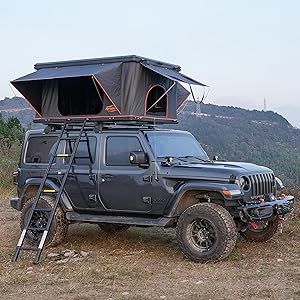
- Shell Material: Aircraft-grade aluminum alloy with flocked lining floor
- Fabric: 320 g polyester, blackout coating, 5,000 mm waterproof, 99% UV protection
- Support: 4 high-strength hydraulic rods
- Windows: 4 windows each with mesh and windproof layers
The JOYINRUTE Aluminum Rooftop Tent takes a comprehensive approach to all-season camping with its aircraft-grade aluminum shell and a removable winter thermal liner that genuinely extends usability into cold-weather trips. The flocked lining floor is a practical addition, preventing the condensation that plagues standard polyester base panels when temperatures drop overnight. Four hydraulic support rods deliver smooth, reliable opening and closing under regular use.
Four windows with both mesh and windproof layers represent more ventilation options than most competing tents, allowing precise airflow management depending on conditions. The 320 g polyester fabric with blackout coating blocks light effectively for late sleepers and provides solid 5,000 mm rain protection. The included accessory pack — 7.5 ft ladder, LED strip, condensation pad, and dual shoe organizers — covers the essential bases without extras inflating the cost.
- Pros: Removable winter liner, 4 ventilation windows, flocked anti-condensation floor, good accessory kit
- Cons: No listed sleeping dimensions or total weight, limited product info available
See the JOYINRUTE Aluminum Rooftop Tent
9. ARCTWONDER Rooftop Tent

- Shell Material: Full aluminum alloy bottom plate, top cover, and all 4 corners
- Interior Dimensions: 85 x 52 x 59 inches with 3 awning-equipped windows
- Solar Panel: 12V 216W panel included for mobile power charging
- Fabric: 320 g polyester with black rubber UV coating and 5,000 mm waterproofing
The ARCTWONDER stands out in a crowded hardshell category by including a 12V 216W solar panel in the standard package — a genuine differentiator for off-grid campers who need to keep devices charged without a separate power station. Full aluminum construction across the bottom plate, top cover, and all four corners is a meaningful upgrade over tents that use plastic corners, which are prone to cracking, deforming, and failing the seal over time.
The 85 x 52 x 59 inch opened interior accommodates two adults and a child or pet comfortably, with three large windows each fitted with awnings for simultaneous rain protection and ventilation. At a closed height of just 7 inches, the aerodynamic profile reduces wind noise and drag noticeably on highway drives. The 10-second open time with a simple two-step close process makes setting up and packing down effortless at any campsite.
- Pros: Solar panel included, all-aluminum corners, 7-inch closed height, fast 10-second setup
- Cons: No stated weight, solar panel installation requires separate setup time
See the ARCTWONDER Rooftop Tent
10. Intrepid Camp Gear Geo 2.5 Pro

- Seasons: 4-season
- Sleeping Capacity: 2.5-person, floor area 31.65 sq ft
- Canopy Fabric: 300-denier high-tenacity double-rip polyester, 10,000 mm PU waterproof coating
- Floor Fabric: Honeycomb aluminum, 3 doors, peak height 58 inches
The Intrepid Camp Gear Geo 2.5 Pro brings a wedge-shaped hardshell design with a hinged roof that creates generous interior volume relative to its footprint. The standout specification is its 10,000 mm polyurethane waterproof coating on 300-denier double-rip polyester — double the waterproof rating of most competitors — making it a compelling choice for campers who frequently deal with prolonged heavy rain. Three doors offer exceptional access flexibility compared to the single-door standard.
The 7-inch ultralight honeycomb aluminum shell balances structural strength with reduced weight, and the 60-second setup time is backed by a simple hinged mechanism. At 251 pounds, it’s the heaviest tent in this roundup, so verifying roof rack load ratings before purchase is essential. The Geo 2.5 Pro’s large 88.5 x 58 x 55 inch packed size warrants a full-size truck or large SUV with a robust rack system to handle it properly.
- Pros: 10,000 mm waterproof rating, 3-door access, wedge design maximizes interior height, 60-second setup
- Cons: Heaviest in category at 251 lbs, large packed size limits vehicle compatibility
See the Intrepid Camp Gear Geo 2.5 Pro
The Ultimate Guide to Choosing the Perfect Hardshell Rooftop Tent
Over the last decade, overlanding and vehicle-dependent camping have exploded in popularity. Among the most sought-after upgrades for modern outdoor enthusiasts is the hardshell rooftop tent (RTT). Unlike traditional ground tents or even softshell rooftop tents, hardshell models offer rapid deployment, superior weather protection, aerodynamic profiles, and exceptional durability. However, with dozens of brands, shapes, and materials flooding the market, selecting the right one can feel overwhelming. This comprehensive guide will break down everything you need to know to make an informed investment for your vehicle and camping style.
Understanding the Core Benefits of Hardshell Tents
Before diving into specific features, it is essential to understand why hardshell rooftop tents command a premium price. The primary advantage is setup time. Most hardshell tents utilize gas struts or internal scissor lifts, allowing them to be opened or closed in under sixty seconds. This eliminates the tedious process of staking out lines or wrestling with wet rainflies in the dark.
Furthermore, hardshell tents are highly aerodynamic when closed. Their slim, hard-sided profiles minimize wind drag on the highway, preserving fuel economy and reducing cabin noise compared to bulky softshell alternatives. From a durability standpoint, the solid top shell acts as a protective shield against low-hanging branches, road debris, and heavy snow loads, ensuring a much longer operational lifespan.
Evaluating the Three Main Opening Styles
Hardshell rooftop tents are not built to a single geometric standard. They generally fall into three distinct design categories, each catering to different spatial needs, vehicle types, and weather conditions.
1. Clamshell Tents
The clamshell design is hinged at one end (typically the front of the vehicle) and opens at an angle from the other, resembling an open clam. This is arguably the most popular style for rugged off-roaders. Because it opens into a wedge shape, it presents a very steep, aerodynamic angle to the wind, making it incredibly stable during high-velocity desert storms or high-altitude alpine gales. The mechanical simplicity of a single hinge line also means there are fewer moving parts to fail. The main drawback is interior foot room; because the roof slopes down sharply at one end, you can only sit upright at the highest point of the wedge.
2. Pop-Up or Vertical Lift Tents
Pop-up tents utilize internal or external mechanisms to lift the entire roof horizontally. This creates a uniform box shape with identical vertical clearance from head to toe. The primary advantage here is maximizing usable interior volume. Two adults can sit facing each other comfortably, change clothes with ease, and enjoy a much less claustrophobic sleeping environment. However, because they present tall, flat vertical walls to the elements on all four sides, they tend to catch the wind more than clamshells, which can lead to noise and rocking during stormy nights.
3. Hybrid or Fold-Out Hardshell Tents
Hybrid designs attempt to offer the best of both worlds. They feature a hardshell top that opens up, but a portion of the mattress and tent floor folds out horizontally past the footprint of the vehicle roof. This design circumvents the traditional spatial limitations of hardshells, offering massive sleeping areas suitable for families or small groups, while retaining a compact, aerodynamic footprint when closed on the road. The compromise is that setup and pack-down times are slightly longer than standard clamshells, and they possess more fabric and hinges that require manual folding.
Shell Materials: Fiberglass vs. ABS Plastic vs. Aluminum
The material composition of the outer shell dictates the tent’s weight, durability, and cost. There are three dominant materials used in premium manufacturing today.
Fiberglass Shells
Fiberglass has been a staple of premium hardshell tents for decades. It is incredibly rigid, offers excellent natural insulation against heat and cold, and can be molded into smooth, aerodynamic curves. If a fiberglass shell suffers a crack from a stray rock or low branch, it can easily be repaired using standard marine-grade repair kits. However, fiberglass is heavy and can become brittle over long-term exposure to intense ultraviolet (UV) radiation if not properly maintained or coated.
ABS Plastic Shells
Acrylonitrile Butadiene Styrene (ABS) plastic is a lightweight, flexible alternative to fiberglass. These shells are highly impact-resistant and typically more affordable to manufacture, making them common among entry-level and mid-tier hardshell tents. Many manufacturers reinforce ABS with UV-inhibitors or layer it with acrylic coatings to prevent fading and cracking. While lightweight and budget-friendly, ABS can flex under heavy snow or wind loads more than fiberglass or aluminum.
Aluminum Shells
Aluminum is the gold standard for heavy-duty, overland-ready rooftop tents. It is virtually indestructible, highly resistant to UV degradation, and will not crack when scraped against rocks or trees on tight trails. Most aluminum tents feature built-in T-slot accessory rails along the perimeter, allowing campers to bolt recovery gear, solar panels, surfboards, or crossbars directly to the outside of the tent. The downsides to aluminum are weight and thermal conductivity; it is heavy, and without proper internal insulation or headliners, it can radiate ambient heat in the summer and condensation in the winter.
Weight, Vehicle Dynamics, and Rack Compatibility
Before purchasing any hardshell tent, you must verify that your vehicle and roof rack system can safely support the load. Hardshell tents are heavy, usually weighing between 130 and 200 pounds.
You need to check your vehicle owner’s manual for two specific metrics: Dynamic Weight Capacity and Static Weight Capacity. Dynamic weight capacity refers to the weight your roof can safely hold while the vehicle is in motion, cornering, and braking. Your chosen tent and roof rack combined must fall below this rating to prevent dangerous body roll or structural damage. Static weight capacity is the load the roof can support when parked. Because a stationary vehicle distributes weight through its frame and suspension, static limits are typically three to four times higher than dynamic limits, easily supporting the weight of the tent, rack, mattress, and occupants.
Additionally, factory crossbars that come standard on many SUVs are rarely rated for rooftop tents. You will almost certainly need to upgrade to a high-quality, aftermarket overland rack or heavy-duty crossbars engineered specifically for dynamic off-road loads.
Interior Features and Comfort Considerations
Once you have narrowed down the exterior design and structural specifications, it is time to look at the living quarters. The quality of your sleep depends heavily on the interior details.
Mattress Thickness and Anti-Condensation Mats
Look closely at the included mattress. Premium hardshell tents usually feature high-density foam mattresses ranging from 2 to 3 inches thick. Some brands incorporate memory foam or quilted covers for extra luxury. Crucially, check if the tent includes an anti-condensation mat beneath the mattress. Human breath and body heat create moisture that settles under the mattress when sleeping in cold weather. An anti-condensation mat creates a mesh air gap that allows this moisture to evaporate, preventing dangerous mold and mildew growth.
Fabric Weight and Weatherproofing
The canvas body of the tent should be constructed from a heavy-duty, ripstop poly-cotton blend, typically rated by weight (e.g., 280G or 300G canvas). Look for polyurethane coatings with high waterproof ratings (measured in millimeters, such as 2000mm or 3000mm) and taped seams. Heavy fabric not only blocks torrential rain but also acts as an excellent dampener for wind noise and morning sunlight.
Storage and Accessibility
Because space is at a premium, look for tents that incorporate overhead storage nets, side pockets for phones and flashlights, and dedicated boot bags that hang outside the tent entrance to keep mud off your sleeping pad. Finally, ensure the tent includes a telescoping aluminum ladder that extends long enough to match your vehicle’s lifted height and features wide, comfortable rungs for barefoot midnight exits.
Final Checklist for Your Purchase
To conclude your decision-making process, contrast your lifestyle against these critical factors. If you value fuel economy, lightning-fast setup, and travel solo or as a couple, a slim aluminum or fiberglass clamshell is your best match. If you plan to spend days basecamping in one location, require maximum elbow room, or camp with kids, a pop-up or hybrid model is worth the extra weight and investment. Always double-check your vehicle’s roof ratings, buy from a reputable manufacturer with a robust warranty, and prepare to enjoy an elevated, hassle-free camping experience.