
Best Freestanding Backpacking Tents of 2026
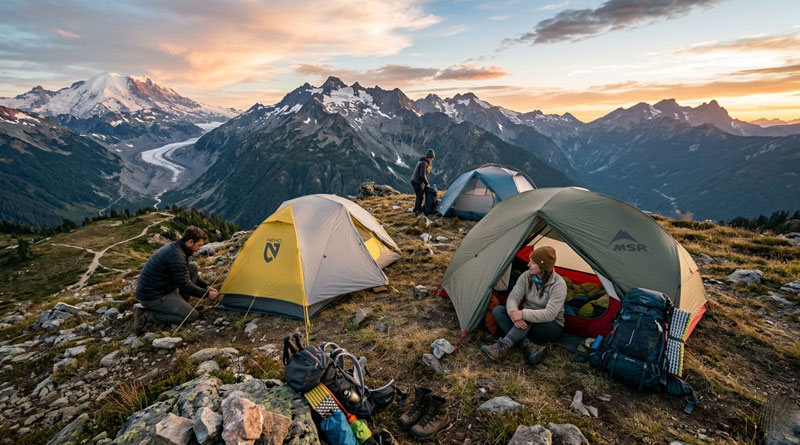
Setting up camp shouldn’t feel like a puzzle. Freestanding backpacking tents stand on their own, so you don’t need stakes or guy lines to get started. Just unfold, click the poles together, and you’re done. That means you can pitch on rocky ground, wooden platforms, or even sand without trouble. In this guide, we’ve picked the best freestanding tents for backpackers who want something light, strong, and easy to use. No fuss, no extra gear — just a reliable shelter after a long day on the trail.
1. REI Co-op Trailmade 2

- Minimum Trail Weight: 4 lbs. 10 oz.
- Floor Area: 31.8 square feet
- Peak Height: 40 inches
- Pole Material: 8.5mm Aluminum
The REI Co-op Trailmade 2 is an excellent entry-level shelter designed for those new to the backcountry. It focuses on a user-friendly experience with a simple two-pole freestanding architecture that makes setup nearly foolproof. The inclusion of a custom-fit footprint adds significant value, ensuring the floor fabric remains protected from abrasive terrain for many seasons to come.
Inside, the tent provides a symmetrical layout with two doors and two vestibules, meaning partners don’t have to climb over each other for midnight exits. The 75-denier polyester materials are robust and less prone to sagging when wet compared to nylon. While it is not the lightest option for ultra-distance trekking, its durability and internal storage pockets make it a reliable home base.
Pros: Includes footprint, durable 75D fabrics, easy two-pole setup.
Cons: Relatively heavy packaged weight, lower peak height than competitors.
See the REI Co-op Trailmade 2 See the REI Co-op Trailmade 1
2. Naturehike Mongar 2

- Total Weight: 5.3 lbs (including groundsheet)
- Waterproof Rating: 3000mm PU coating
- Dimensions: 82.7 x 53.2 x 41.3 inches
- Pole Material: 7001 Aluminum alloy
The Naturehike Mongar 2 stands out for its Y-frame pole structure, which creates nearly vertical side walls to maximize internal headroom. This design feels much roomier than traditional dome tents, allowing two adults to sit up comfortably. The double-layer construction uses a high-density B3 mesh inner, which is highly effective at preventing condensation while keeping insects at bay.
One of the Mongar’s best features is its versatility; the rainfly can be used independently as a sunshade, and the vestibules can be partially opened for customized ventilation. The 210T polyester is treated for UV protection and heavy rain, making it a solid three-season performer. It is a budget-friendly alternative that does not skimp on essential features like dual doors or factory-sealed seams.
Pros: Great headroom, versatile fly usage, excellent ventilation.
Cons: Included stakes can be soft, slightly bulky when packed.
3. Marmot Tungsten 2P
- Minimum Trail Weight: 4 lbs. 15.7 oz.
- Floor Area: 30.1 square feet
- Peak Height: 42.1 inches
- Setup Type: Color-coded easy-pitch
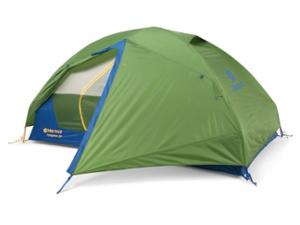
Marmot has optimized the Tungsten 2P for livability by using pre-bent poles that create more vertical space at the sleeping level. This “Zone Construction” prevents the tent walls from encroaching on your personal space, making the 30 square feet feel much larger. The color-coded clips and poles ensure that setting up in the dark or during a storm is a stress-free process.
The tent is built with a rugged polyester taffeta floor and fly, designed to resist stretching when wet. With two D-shaped doors and two large vestibules, gear storage is plentiful. While the floor tapers slightly at the foot end, the overall verticality makes it one of the most comfortable 2-person tents for hanging out during a rain delay. It also comes standard with a footprint.
Pros: Pre-bent poles for extra room, color-coded setup, footprint included.
Cons: Tapered floor design, heavier than premium ultralight models.
See the Marmot Tungsten 2P 3P 4P
4. ALPS Mountaineering Lynx 1P

- Total Weight: 4 lbs. 1 oz.
- Center Height: 36 inches
- Floor Dimensions: 7’6″ L x 2’8″ W
- Rainfly Material: 75D 185T Polyester (1500mm)
The ALPS Mountaineering Lynx 1 is a dedicated solo shelter that prioritizes durability and ease of assembly. Its two-pole aluminum design is completely freestanding, allowing for quick placement on rocky or hard ground where stakes are difficult to drive. The half-mesh walls are a standout feature, providing a balance between privacy and the necessary airflow to reduce interior moisture.
Despite its compact footprint, the Lynx 1 includes a sizable vestibule for storing a pack and boots outside the sleeping area. Inside, a gear loft and mesh pockets help organize smaller items like headlamps and electronics. While it is on the heavier side for a single-person tent, its heavy-duty fabrics and factory-sealed seams offer peace of mind during inclement weather on solo adventures.
Pros: Very affordable, easy solo setup, durable floor fabric.
Cons: Narrow interior, heavy for a 1-person capacity.
See the ALPS Mountaineering Lynx 1P 2P
5. Naturehike Cloud-Up 2

- Weight: 4.25 lbs (excluding footprint)
- Waterproof Rating: PU3000mm+
- Packed Size: 15.7 x 5.1 inches
- Pole Material: 7001 Aluminum alloy
The 2024 Cloud-Up 2 Base is a refined version of Naturehike’s popular ultralight model, featuring an upgraded front door and enhanced ventilation. The addition of a window above the entrance significantly improves airflow, addressing common condensation issues found in front-entry tents. It utilizes a lightweight 210T polyester that balances weight savings with tear resistance, making it ideal for fast-paced trekking.
This tent uses a semi-freestanding hubbed pole system that tapers toward the rear, creating a wind-shedding aerodynamic profile. The front-loading design includes a vestibule that serves as a protected porch for gear or cooking in poor weather. Because it packs down so small, it is a favorite for bikepacking and long-distance hiking where pack volume is just as critical as total weight.
Pros: Compact pack size, upgraded ventilation, excellent weight-to-price ratio.
Cons: Front entry can be awkward for two people, requires staking at feet.
6. The North Face Stormbreak 2P

- Packaged Weight: 5 lbs. 14.2 oz.
- Peak Height: 43 inches
- Number of Poles: 4 (DAC Aluminum)
- Floor Area: 30.56 square feet
The North Face Stormbreak 2 is built for those who prioritize headroom and easy access. Unlike many two-pole designs, it utilizes four poles to create steep walls and a tall 43-inch peak height, offering a voluminous interior. The large doors provide expansive views and make entering or exiting the tent effortless, while the dual vestibules offer nearly 20 square feet of combined external storage.
Material quality is a highlight here, featuring DAC aluminum poles and high-denier polyester fabrics that can withstand rough handling. While it does not include a footprint, the 68-denier floor with a 3,000mm coating is quite rugged. This tent is a classic choice for backcountry pairs who want a stable, freestanding structure that feels like a tiny cabin rather than a cramped shelter.
Pros: High peak height, very easy access, premium DAC poles.
Cons: Footprint not included, heavier and bulkier when packed.
See The North Face Stormbreak 2 3P
7. REI Co-op Half Dome 2P

- Minimum Trail Weight: 4 lbs. 13.3 oz.
- Floor Dimensions: 88 x 52 inches
- Rainfly Fabric: 40D Ripstop Nylon
- Pole Material: 7000-series Aluminum
The Half Dome 2 is a legendary piece of gear that has been refined over four decades based on hiker feedback. It features a single-pole hubbed system that creates tensioned, vertical walls for maximum elbow room. The 31.8 square feet of floor space is generous, and the dual vestibules are uniquely shaped to maximize storage while allowing for excellent cross-ventilation through the mesh upper walls.
The rainfly is particularly well-engineered, utilizing 40-denier ripstop nylon that provides a high strength-to-weight ratio. It also features roof vents that can be opened from the inside to combat humidity. Including a footprint as standard, this tent offers a premium experience with a focus on longevity and comfort, making it a staple for both weekend warriors and serious backpackers.
Pros: Superior interior volume, high-quality ripstop fly, proven design.
Cons: Single pole hub can be awkward to manage alone, mid-range weight.
See the REI Co-op Half Dome 2P 3P
8. Kelty Grand Mesa 2P

- Packed Weight: 4 lbs. 12 oz.
- Floor Area: 30 square feet
- Packed Size: 16 x 7 x 7 inches
- Pole Material: DAC Pressfit Aluminum
The Kelty Grand Mesa 2P is a straightforward, reliable shelter that received a significant update in 2020. It now features Kelty Quick Corners, which are essentially deep pockets that hold the pole ends securely in place during setup, preventing them from popping out while you attach the clips. This makes it one of the easiest tents on the market for a single person to pitch alone.
The tent uses a single-door, single-vestibule layout to save weight, making it one of the lighter budget-friendly options. The “Shark Mouth” carry bag is a thoughtful addition, designed with a wide opening to make packing the tent away much less frustrating. While it lacks a second door for partner convenience, its compact packed size and DAC poles make it a highly dependable choice for soloists or close pairs.
Pros: Quick Corner setup, compact pack size, quality DAC poles.
Cons: Only one door/vestibule, limited ventilation options.
9. Clostnature Backpacking Tent
- Minimum Trail Weight: 2.97 lbs.
- Waterproof Rating: PU 5000 coating
- Floor Dimensions: 7’3″ x 2’8″
- Poles: 2 Aluminum
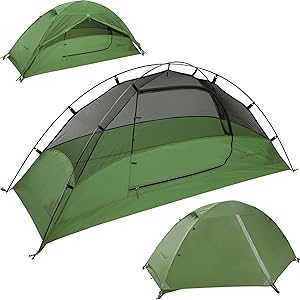
The Clostnature 1-person tent is an ultralight solution for solo hikers who need a high level of weather protection. With an impressive 5000mm waterproof rating on both the rainfly and bathtub floor, it is designed to keep occupants bone-dry in torrential conditions. The tent is surprisingly roomy for a solo shelter, providing enough length for taller hikers to stretch out without touching the walls.
The design features a D-shaped door and a large side vestibule, which is essential for keeping gear protected and out of the main sleeping area. Interior mesh walls facilitate airflow, though the high waterproof coating can limit breathability in very humid environments. For its price point, the inclusion of aluminum poles and a pole emergency repair kit makes it a very attractive value for budget-conscious soloists.
Pros: Exceptional waterproof rating, very lightweight, great for tall hikers.
Cons: Can get stuffy due to heavy coatings, narrow floor width.
See the Clostnature Backpacking Tent
10. MC TOMOUNT Backpacking Tent

- Total Weight: 5.4 lbs.
- Materials: 210T Rip-stop Polyester / 210D Oxford
- Waterproof Rating: PU3000mm
- Pole Material: 7001 Aluminum
The MC TOMOUNT tent is a versatile all-rounder that works well for everything from mountain climbing to beach camping. It uses a heavy-duty 210D Oxford fabric for the groundsheet, providing extra puncture resistance compared to the thinner fabrics found on high-end ultralight tents. The 7001 aluminum poles offer a significant strength advantage over fiberglass, ensuring the structure remains stable during high winds.
Designed with a classic double-layer architecture, the inner mesh tent provides a shield against mosquitoes while the rip-stop rainfly offers UV protection and warmth. A rear window helps facilitate airflow to prevent water vapor from collecting on the interior walls. While it is one of the heavier models in this list, its rugged build and multi-scenario utility make it a great choice for those who need a “do-it-all” tent.
Pros: Durable Oxford floor, high wind resistance, very affordable.
Cons: Heavier than most backpacking options, slower setup time (10-15 mins).
See the MC TOMOUNT Backpacking Tent
How to Choose the Right Freestanding Backpacking Tent
Choosing a backpacking tent is one of the most critical decisions any hiker will make. As one of the “Big Three” items—alongside your sleep system and your pack—the tent is your primary sanctuary against the elements. While there are many styles available, freestanding backpacking tents remain the most popular choice for everyone from weekend warriors to long-distance thru-hikers. Their ability to hold their shape without being staked into the ground makes them incredibly versatile and user-friendly.
This guide will walk you through the essential factors to consider when selecting a freestanding tent, ensuring you find the perfect balance between weight, livability, and durability for your specific adventures.
Understanding the Freestanding Design
Before diving into the technical specs, it is important to understand what “freestanding” actually means. A freestanding tent uses a dedicated pole system that creates a rigid structure capable of supporting itself. Unlike “trekking pole tents” or “non-freestanding” models, you can pick a freestanding tent up and move it around after it is pitched to find the flattest spot or the best view.
Advantages of Freestanding Tents
The primary benefit is ease of setup. Because the poles provide the tension, you do not need to master complex guying techniques to get a taut pitch. They are also ideal for camping on platforms, rocky terrain, or desert sand where driving stakes into the ground is difficult or impossible. Furthermore, they generally offer more internal volume and vertical walls because the poles are engineered to pull the fabric outward.
Semi-Freestanding vs. Fully Freestanding
You may encounter the term “semi-freestanding.” These tents usually have a hubbed pole system that supports the head and torso area but requires the foot end to be staked out to achieve its full volume. These are often lighter than fully freestanding models but require a bit more care during site selection.
Weight: The Backpacker’s Constant Trade-off
In the world of backpacking, every ounce counts. However, as weight goes down, the price usually goes up, or the durability of the fabric goes down. When looking at tent weights, you will see two different numbers.
- Trail Weight: This usually includes only the tent body, rainfly, and poles. This is the minimum amount of weight you must carry to have a functional shelter.
- Packaged Weight: This includes everything that comes in the box: stakes, guy lines, stuff sacks, and sometimes a footprint.
For most 2-person freestanding tents, a weight between 3 and 5 pounds is considered the “sweet spot.” If you are looking for ultralight options under 3 pounds, expect thinner fabrics (lower denier) and a higher price tag. If you are on a budget, you might end up in the 5 to 6-pound range, which is perfectly manageable if shared between two people.
Capacity and Interior Livability
Tent capacity is almost always optimistic. A “2-person” tent typically fits two standard 20-inch sleeping pads side-by-side with very little room for anything else. If you value your personal space or have a large dog, many solo hikers prefer a 2-person tent, and pairs often step up to a 3-person model.
Floor Dimensions and Peak Height
Check the floor dimensions carefully. Some tents taper at the feet to save weight, which can be problematic if you use rectangular sleeping pads. Peak height is another crucial metric; if you are tall, look for a peak height of at least 40 to 42 inches so you can sit up comfortably to change clothes or wait out a rainstorm.
Vertical Walls and Hubbed Poles
Modern freestanding tents often use hubbed pole systems or “brow poles” (a short cross-pole at the top) to pull the side walls closer to vertical. This creates significantly more “elbow room” and makes the tent feel much larger than its square footage would suggest.
Weather Protection and Materials
Your tent’s primary job is to keep you dry and shielded from the wind. This comes down to the quality of the rainfly and the floor materials.
Denier and Fabric Types
Fabric thickness is measured in “Denier” (D). A 15D fabric is very light and translucent, while a 68D or 75D fabric is much more rugged and abrasion-resistant. Most backpacking tents use Polyester or Nylon. Nylon is stronger for its weight but tends to sag when wet. Polyester is slightly heavier but stays taut in the rain and handles UV exposure better.
Waterproof Ratings
Look for the “Hydrostatic Head” rating, measured in millimeters (e.g., 1,500mm or 3,000mm). This indicates how much water pressure the fabric can withstand before leaking. Anything above 1,200mm is generally considered waterproof for three-season use.
Ventilation and Condensation
Condensation is the enemy of a comfortable night’s sleep. It occurs when your warm breath hits the cool walls of the tent. Double-wall tents—which feature a mesh inner body and a separate waterproof rainfly—are the gold standard for ventilation in freestanding designs. The gap between the mesh and the fly allows air to circulate, carrying moisture away.
Look for tents with “fly vents”—small windows in the rainfly that can be propped open. Even in a downpour, these vents allow fresh air to enter without letting rain in.
Storage: Doors and Vestibules
When you are living in a few square feet of space, organization is key. Vestibules are the “porches” of your tent, created by the rainfly extending past the tent body. They provide a dry place to store your muddy boots and bulky backpack so they don’t take up space inside the sleeping area.
If you are sharing a tent, dual doors and dual vestibules are non-negotiable for many. Having your own exit means you won’t have to crawl over your partner for a midnight bathroom break, and you’ll each have your own dedicated gear storage area.
The Importance of a Footprint
A footprint is a ground cloth custom-cut to the shape of your tent floor. While some argue it is an unnecessary extra weight, it serves a vital purpose: protecting your expensive tent floor from rocks, thorns, and groundwater. Some freestanding tents allow for a “Fast Fly” setup, where you use only the poles, rainfly, and footprint for an ultra-lightweight (though less bug-protected) shelter.
Summary: Making Your Decision
To choose the right freestanding backpacking tent, start by defining your budget and your typical group size. From there, weigh the following priorities:
- The Casual Hiker: Prioritize durability and price. Look for 68D-75D fabrics and a slightly higher weight (5+ lbs) to save money.
- The Thru-Hiker: Prioritize weight and packability. Look for sub-3-pound models with 15D-20D fabrics and a high-quality hubbed pole system.
- The Tall Hiker: Prioritize peak height and non-tapered floor dimensions. Look for tents with “brow poles” that maximize vertical space.
Ultimately, a freestanding tent offers the most reliable, adaptable, and comfortable way to spend a night in the wilderness. By paying attention to weight, interior volume, and material quality, you can find a shelter that will be your home away from home for years to come.