Best Budget 1-Person Backpacking Tents of 2026
Choosing a tent for solo backpacking can be a hassle because there are just too many options available. Also, when you backpack alone, you carry all the weight on your shoulders and a tent is one of the heavy pieces of gear. So, choosing a lightweight tent that is also durable, provides a good amount of features, and interior space can be very tricky. Last but not least, if you are on a tight budget, making this decision becomes even more difficult. So, below I’ve rounded up a list of top 1-person tens available on the market that provide a good set of features at an affordable price.
1. Camppal 1 Person Tent

- Water Resistance: 3500mm–4000mm fabric with fully taped seams and PVC zipper wraps.
- Total Weight: 3.75 lbs, making it highly portable for solo wilderness travel.
- Interior Dimensions: Inner tent measures 8.2ft Long x 2.95ft Wide x 2.95ft High.
- Frame Structure: Single aluminum ridge pole design engineered for quick assembly.
The Camppal solo shelter is engineered to endure harsh weather conditions while keeping your pack relatively light. Its impressive waterproofing capability combined with anti-tearing ripstop fabric ensures you remain completely dry during heavy downpours and protected against intense wind gusts. The extended length of over eight feet is a major benefit for taller hikers who often find standard solo setups cramped.
Setting up camp takes just minutes due to the single ridge pole system, which reduces frustration at the end of a long hiking day. The manufacturer also includes an oversized carry bag, allowing you to quickly pack the gear away loosely without struggling to roll it perfectly. It serves as a reliable, rugged fortress for solo adventurers facing unpredictable backcountry environments.
Pros:
– Exceptional high-grade water resistance
– Extended length accommodates taller campers easily
– Generously sized storage bag simplifies packing
Cons:
– Low peak height limits interior headroom
– Single pole design provides less structural stability than multi-pole domes
2. REI Co-op Trailmade 1

- Minimum Trail Weight: 3 lbs 11 oz (Packaged weight reaches 5 lbs 4 oz).
- Floor Space: 22 square feet with additional 9.5 square feet of vestibule area.
- Peak Height: 40 inches, providing excellent vertical clearance to sit upright.
- Materials: 75-denier polyester taffeta floor and rainfly with a polyurethane coating.
Designed specifically to welcome newcomers into the world of backpacking, this freestanding model prioritizes livability and straightforward utility. The dual-aluminum pole configuration creates vertical sidewalls that optimize the generous floor space, letting you organize gear comfortably inside. It also boasts a tall peak height that allows most users to sit completely upright without brushing the ceiling mesh.
A standout benefit of this package is the inclusion of a custom footprint, saving you an additional purchase while extending the floor lifespan. While it leans slightly heavier than premium ultralight models when carrying the full retail packaging, its durability and reliable three-season protection make it an excellent investment for entry-level trail exploration.
Pros:
– Included footprint adds exceptional value and protection
– Freestanding design allows for easy positioning and setup
– Generous headroom and floor space for a solo shelter
Cons:
– Packaged weight is heavy for long-distance backpacking
– Bulky packed size takes up substantial internal pack volume
3. Night Cat Backpacking Tent

- Fabric Composition: 190T polyester rainfly paired with a 150D oxford floor.
- Waterproof Rating: PU3000mm hydrostatic head rating for moisture protection.
- Interior Footprint: 6.8ft x 3.9ft with a peak center height of 3.6ft.
- Packed Weight: 5 lbs total weight with a 17-inch compact packed length.
- Total Weight: 5 lbs total weight with a 17-inch compact packed length.
The Night Cat solo dome utilizes specialized pre-bent poles that arch outward to expand elbow room and usable interior volume. This design element ensures that the walls do not slope aggressively inward, making the floor area feel like a true personal cabin. It relies on a classic sleeve and clip attachment mechanism that lets beginners pitch the structure smoothly.
For airflow, the inner canopy integrates premium B4 no-see-um mesh panels on the door and windows, which prevents summer stuffiness while keeping out tiny insects. Secured with heavy-duty metal stakes and integrated guylines, it holds its ground well during unexpected storms. It serves as a comfortable, reasonably priced choice for motorcycle touring and short weekend treks.
Pros:
– Pre-bent poles maximize shoulder room and liveable space
– High-density B4 mesh delivers superior airflow and bug protection
– Very simple, intuitive sleeve-and-clip assembly process
Cons:
– Total weight of five pounds is heavy for extended hiking
– Short overall length might feel tight for exceptionally tall users
See the Night Cat Backpacking Tent
4. Kelty Discovery 1

- Minimum Weight: 3 lbs 6 oz, keeping trail burdens minimal.
- Floor Area: 19 square feet of internal space with a single vestibule.
- Peak Height: 40 inches of vertical clearance at the center.
- Eco-Features: Built using DWR and PFC-free fabrics and coatings.
Kelty aims squarely at budget-conscious hikers and traditionalists with the clean, functional design of the Discovery Trail series. Setup is made remarkably easy by incorporating custom Quick Corners, which lock the pole tips securely in place before you even clip the body. Pre-attached guylines eliminate tedious knot-tying in the field, getting you under shelter fast when weather turns bad.
The single-door design keeps construction simple and lightweight while providing a reliable gear vestibule beneath the taped-seam waterproof fly. A built-in fly vent works passively to exhaust moisture and keep interior condensation under control overnight. It is a smart, planet-friendly choice that avoids unnecessary frills to maximize pure outdoor enjoyment.
Pros:
– Quick Corners keep pole tips locked during solo setup
– Environmentally conscious PFC-free water-resistant coatings
– Smart shark-mouth stuff sack allows for effortless packing
Cons:
– Compact 19 square foot floor provides limited interior gear storage
– Single vestibule design restricts access options in tight campsites
5. Naturehike Cloud Up 1

- Material: 20D ripstop nylon with a silicone waterproof coating.
- Waterproof Rating: Exceeds PU4000mm for high-grade storm protection.
- Total Weight: 3.57 lbs including all standard trail components.
- Poles: Heavy-duty 7075 aluminum alloy structural pole frame.
The upgraded Cloud Up Pro stands out by utilizing technical 20D nylon fabric, which provides incredible strength and weatherproofing without packing heavy. Its double-layer structure incorporates a highly breathable B3 mesh inner canopy that can be used alone on warm nights, or paired with the silicone-coated rainfly. A dedicated ventilation window sits right above the oversized front entrance to facilitate cross-breeze ventilation.
This premium solo shelter packs down to an incredibly small cylinder, slipping vertically into crowded backpacks alongside your sleeping system. The package arrives fully loaded with a custom ground footprint, wind ropes, and stakes, removing the need for any aftermarket accessories. It is optimized for serious long-distance hikers, alpine cyclists, and wilderness minimalists alike.
Pros:
– Premium 20D silicone-nylon offers superb strength-to-weight ratio
– High waterproof rating effortlessly handles heavy downpours and hail
– Includes a matching footprint for added floor durability
Cons:
– Front-entry door design can make entering and exiting awkward
– Tapered foot box area limits movement at the bottom of the bed
6. ALPS Mountaineering Lynx 1

- Total Weight: 4 lbs 1 oz, balancing weight with durable construction.
- Rainfly Material: 75D 185T polyester with a 1500mm water-resistant coating.
- Floor Spec: 75D 185T poly taffeta floor featuring a 2000mm coating.
- Architecture: Freestanding two-pole design utilizing durable aluminum poles.
The Lynx 1 is a classic, dependable backcountry staple built around a robust two-pole freestanding aluminum frame. This freestanding nature means you can pitch it anywhere, even on hard-packed soil or rock ledges where stakes cannot easily penetrate. The factory-sealed seams on both the floor and fly provide excellent defenses against ground moisture and driving rain.
Inside, half-mesh walls run along the upper canopy to draw fresh air upward, drastically lowering condensation on chilly mornings. A sizable side vestibule provides a protected outdoor area for your muddy boots and pack, leaving the interior clean and uncluttered. Handy internal mesh pockets and an included gear loft keep small essentials organized and within arm’s reach.
Pros:
– True freestanding design simplifies placement on rough terrain
– Factory-sealed seams on the fly and floor offer reliable water protection
– Included gear loft maximizes interior organization options
Cons:
– At over four pounds, it is heavier than pure ultralight alternatives
– The 1500mm fly coating is lower than some heavy-rain competitors
See the ALPS Mountaineering Lynx 1
7. Underwood Aggregator 1

- Total Weight: 4.2 lbs with a compact packed size of 15 x 5.1 x 5.1 inches.
- Waterproof Spec: Heavy-duty rainfly featuring a PU5000mm protective coating.
- Dimensions: 86.6 inches Long x 31.8 inches Wide x 35.8 inches High.
- Components: Includes 2 aluminum poles, 12 stakes, and 4 guy lines.
The Underwood Aggregator solo tent focuses heavily on storm resilience, utilizing a rainfly armed with an exceptional PU5000mm coating. This heavy-duty shielding easily repels relentless precipitation and blocks harmful UV rays during exposed summer trips. Reinforced seams along the base combine with dual aluminum poles to create a highly stable, wind-resistant geometry.
A broad D-shaped door makes entering and exiting effortless, avoiding the acrobatics required by cramped front-entry models. To combat stuffiness, the inner wall is constructed from breathable micro-mesh, which pairs with rear ventilation vents to keep air moving. It is a highly efficient option tailored for solo backpackers who prioritize bad-weather safety and quick, foolproof setups.
Pros:
– Massive PU5000mm waterproof coating handles severe downpours
– Side D-shaped door provides easy, comfortable entry and exit
– Compact packed length fits easily inside standard backpacks
Cons:
– Trail weight of 4.2 pounds can feel heavy over long miles
– Interior height of 35.8 inches limits head space for taller campers
See the Underwood Aggregator 1
8. Clostnature Lightweight Tent
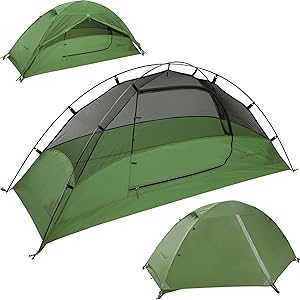
- Minimum Trail Weight: 2.97 lbs (Total packaged weight is 4.0 lbs).
- Waterproof Layer: Rainfly and bathtub floor with a PU5000 coating.
- Setup Profile: Freestanding structure supported by 2 aluminum poles.
- Expanded Dimensions: 7ft 3in Long x 2ft 8in Wide x 3ft High.
Clostnature delivers a remarkable balance of lightweight performance and rugged weatherproofing with this freestanding solo shelter. Stripping away the heavy storage bags leaves you with a trail weight under three pounds, making it competitive with far more expensive gear. The combination of a factory-sealed rainfly and a deep bathtub floor prevents ground water from creeping inside.
The inner tent layout features expansive mesh walls that work well to maximize cross-ventilation and prevent morning condensation. A generous side vestibule acts as a protective bunker, keeping your backpack and muddy boots safely isolated from the sleeping cabin. It is a highly portable, resilient choice for backpacking, kayak touring, or high-altitude mountaineering.
Pros:
– Incredible sub-three-pound minimum trail weight for easy hauling
– Tough PU5000 coating provides superb long-term waterproofing
– Comes with a handy pole emergency repair sleeve
Cons:
– Vestibule fabric can flap loudly if guy lines are not perfectly tensioned
– Interior width of 32 inches feels tight if storing gear inside
See the Clostnature Lightweight Tent
9. ShinHye Backpacking Tent

- Total Weight: 3.9 lbs, offering a lightweight profile for mobile camping.
- Season Rating: 3-season design optimized for spring, summer, and autumn.
- Door Layout: Single D-shaped entry door with integrated ventilation holes.
- Stability Kit: Heavy-duty metal stakes and specialized tensioning cables.
The ShinHye solo tent is crafted specifically for adventurers who want to transition smoothly between hiking, fishing, and cycling trips. Weighing under four pounds, it packs down into a highly compact shape that secures neatly to a bike rack or backpack base. The structural frame relies on resilient poles that flex without snapping under sudden wind loads.
The interior layout supplies ample floor space to stretch out fully, while leaving a dedicated zone at the entryway for dirty footwear. On hot summer nights, the breathable ventilation holes in the door panel let you control airflow while maintaining your privacy. When your journey ends, the components slip back into the zippered carry bag without tight folding.
Pros:
– Light, compact profile is well-suited for multiple outdoor sports
– Specialized door vents improve airflow without sacrificing privacy
– Fairly priced choice for occasional three-season recreational use
Cons:
– Interior storage pockets are small for holding larger gear items
– Materials feel thinner and less durable than heavy-duty polyester models
See the ShinHye Backpacking Tent
How to Choose a Budget 1-Person Backpacking Tent
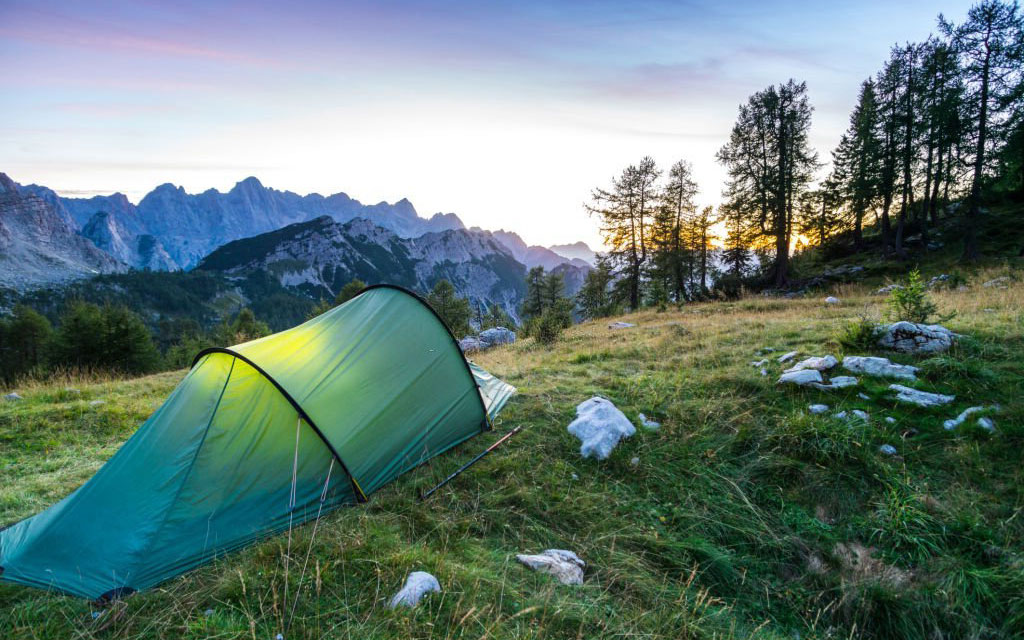
Backpacking solo is one of the most liberating ways to experience the great outdoors. It allows you to set your own pace, choose your own trail, and immerse yourself completely in nature. However, carrying all your gear on your back means every ounce matters. For solo hikers, a reliable shelter is the most critical piece of equipment next to a good pair of boots. While high-end ultralight tents can easily cost upwards of $400, it is entirely possible to find a budget-friendly, dependable 1-person backpacking tent that keeps you safe, dry, and comfortable without breaking the bank.
Choosing a budget tent requires a careful balancing act. You must weigh cost against weight, durability, and weather resistance. This article breaks down the essential factors to consider when shopping for an affordable 1-person backpacking tent, helping you maximize value and performance on your next solo adventure.
Understanding the Budget Spectrum
Before diving into technical specifications, it is important to define what “budget” means in the context of backpacking gear. Generally, budget 1-person tents fall into the $80 to $200 price range. Tents priced under $70 are often intended for casual backyard camping or festivals; they usually utilize heavy, fragile materials like fiberglass poles and lack the waterproofing necessary to withstand a sustained mountain downpour.
In the true budget backpacking category, manufacturers achieve lower prices by using slightly heavier fabrics and standardized aluminum poles rather than proprietary, cutting-edge ultralight materials. The goal is to find a tent that compromises slightly on weight while remaining fully functional, durable, and weather-resistant.
Weight vs. Price: Finding the Sweet Spot
In the outdoor gear world, there is a famous adage: “Lightweight, durable, affordable—pick two.” When shopping on a budget, weight is usually where you will compromise. Standard ultralight 1-person tents weigh between 1.5 and 2.5 pounds. Budget 1-person tents typically weigh between 2.8 and 4.5 pounds.
While a four-pound tent might sound heavy to an ultra-marathon backpacker, it is perfectly manageable for most hikers, especially if the rest of your gear is reasonably compact. When evaluating weight, look for two specific terms:
Trail Weight
This includes only the essential components needed to set up the shelter: the tent body, the rainfly, and the poles. This is the minimum weight you will carry if you leave extra stakes, packaging, and repair kits at home.
Packaged Weight
This includes everything that comes in the box when you buy it, including instructions, extra stakes, guy lines, and stuff sacks. Use trail weight as your primary point of comparison between different models.
To optimize your budget, aim for a tent with a trail weight under 3.5 pounds. Anything heavier will quickly become a burden during long days on the trail with significant elevation gain.
Tent Construction: Double-Wall vs. Single-Wall
Budget 1-person tents generally fall into two architectural categories, each with distinct advantages and drawbacks regarding price, weight, and interior comfort.
Double-Wall Tents
A double-wall tent consists of two separate pieces: a breathable mesh inner tent body and a waterproof outer rainfly. This design is highly recommended for most budget backpackers. The primary benefit of a double-wall tent is excellent ventilation and condensation management. As you breathe at night, moisture vapor passes through the inner mesh and condenses on the underside of the outer fly, keeping your sleeping bag dry. Additionally, on warm, clear nights, you can leave the rainfly off entirely and sleep under the stars while remaining protected from insects.
Single-Wall Tents
Single-wall tents combine the canopy and rainfly into a single layer of waterproof fabric. This design reduces weight and setup time because there are fewer pieces and poles. However, cheap single-wall tents are notorious for condensation issues. Without proper airflow, moisture from your breath will collect on the interior walls, dripping onto your gear. If you choose a budget single-wall tent, ensure it features prominent, well-placed vents to promote cross-ventilation.
Freestanding vs. Non-Freestanding Designs
How a tent maintains its structure is another critical choice that impacts weight, cost, and ease of use.
Freestanding Tents
Freestanding tents utilize an interconnected pole system that allows the tent to hold its shape completely on its own. You can pick up a freestanding tent, move it around to find the flattest ground, and shake out dirt before staking it down. They are incredibly easy to pitch, making them ideal for beginners. However, the extra poles required for a freestanding structure add weight and drive up manufacturing costs.
Non-Freestanding Tents
Non-Freestanding tents require stakes and guy lines to remain upright. Many budget solo backpackers opt for trekking-pole tents, which use your existing hiking poles instead of dedicated tent poles to save weight. While these tents can be exceptionally light and affordable, they require practice to pitch correctly. They can also be difficult to set up on hard, rocky ground or wooden camping platforms where driving stakes into the earth is impossible.
Materials and Durability
The materials used in budget tents dictate how long the shelter will last and how well it will protect you from harsh weather elements.
Fabric Types
Most budget tents are made from nylon or polyester coated with polyurethane (PU) for waterproofing. Polyester is highly resistant to UV damage and stretches less than nylon when wet, keeping your tent taut during a midnight storm. Look for a fabric thickness denoted by “Denier” (D). A higher Denier number (e.g., 68D vs. 20D) indicates thicker, more durable fabric. Budget tents often feature higher Denier fabrics, which means they are heavier but inherently more resistant to punctures and tears than delicate ultralight fabrics.
Poles
Avoid fiberglass poles entirely. They break easily under wind stress and splinter into dangerous shards that can rip your tent fabric. Instead, look for budget tents equipped with aluminum poles (such as 7000-series aluminum). Aluminum offers an excellent strength-to-weight ratio, flexes without breaking in high winds, and lasts for years.
Livability and Interior Space
A 1-person tent is inherently cozy, but it should not feel like a coffin. Pay close attention to the interior dimensions before purchasing.
Floor Area and Length
Ensure the tent floor is long enough for your height, plus a few extra inches so your sleeping bag doesn’t press against the wet walls. A standard length is around 84 to 90 inches. If you are tall, look for tents with near-vertical walls at the head and feet to maximize usable length.
Peak Height
Peak height determines whether you can sit up straight to change clothes, read, or organize gear. Look for a peak height of at least 36 to 40 inches. Tents with a cross-pole at the top offer significantly more headroom by pulling the side walls outward.
Vestibules and Storage
Because space inside a 1-person tent is limited, a vestibule—the covered storage area created by pulling the rainfly away from the door—is essential. A good vestibule provides a dry place to store your muddy boots and large backpack overnight, keeping the interior of your tent clean and spacious.
Final Tips for Budget Buyers
When buying an affordable 1-person tent, remember to factory-seal seams if the manufacturer hasn’t done so, or verify that the tent comes with taped seams. Additionally, budget fabrics are tough, but purchasing or making a lightweight footprint (a ground cloth) will protect your tent floor from sharp rocks and roots, extending the lifespan of your investment for many miles to come.