
Best Base-Layers for Men of 2026
When the temperatures drop, having the right base layer is key to staying comfortable outdoors. This essential piece of clothing sits against your skin, and its main job is to manage moisture. A good base layer will pull sweat away from your body, keeping you dry and warm, while a poor one will leave you cold and clammy. Whether you are hitting the slopes or just walking the dog, choosing the right fabric makes all the difference in your comfort.
1. REI Co-op Midweight

- Fabric: 92% recycled polyester/8% spandex
- UPF Rating: 50+
- Weight: Midweight
- Moisture Wicking: Yes
The REI Co-op Midweight base layer is built for cold days when you need reliable warmth without bulk. The recycled polyester blend feels soft against the skin while offering enough stretch to move freely during hikes, ski days, or general outdoor activity. Thumbholes are a nice touch, keeping sleeves in place and hands warmer during breaks.
Overall, this top strikes a good balance between comfort and function. It layers well under shells and jackets, and the sun protection rating is a bonus for high-altitude outings. It’s a dependable choice for anyone building a versatile layering system.
Pros: Soft recycled fabric, UPF 50+ protection, comfortable thumbholes, good stretch
Cons: Not ideal for extreme cold, synthetic feel isn’t for everyone
2. Merino.tech Base Layer

- Fabric: 100% Superfine 17.5 Merino Wool
- Weight Options: Lightweight 165 g/m²
- Odor Resistance: Yes
- Care: Machine washable
The Merino.tech Base Layer is a great pick for those who want natural comfort without the itch often associated with wool. The superfine 17.5 micron merino wool keeps things breathable and soft against the skin, even during long days of continuous wear. It also comes bundled with a pair of merino wool hiking socks, adding extra value to the package.
Its natural wicking ability keeps moisture and odor at bay, making it ideal for multi-day trips where washing isn’t always possible. The temperature-regulating properties mean it performs well across seasons, not just in winter.
Pros: Itch-free merino wool, includes bonus socks, naturally odor resistant, great gift option
Cons: Hand wash recommended for longevity, pricier than synthetic options
See the Merino.tech Base Layer
3. REI Co-op Lightweight

- Fabric: 94% recycled polyester/6% spandex
- UPF Rating: 50+
- Weight: Lightweight
- Quick Drying: Yes
The REI Co-op Lightweight base layer is designed for moderate temperatures, making it a solid choice for shoulder-season adventures. Whether you’re hiking through the mountains or crossing open desert terrain, this synthetic top keeps you dry thanks to its moisture-wicking and quick-drying properties. The recycled polyester construction adds an eco-conscious element without sacrificing performance.
It layers comfortably under jackets or can be worn alone on cooler days. The stretch fabric moves naturally with your body, and the built-in sun protection is a welcome feature for exposed trails. It’s a reliable, versatile option for three-season use.
Pros: Breathable and quick-drying, UPF 50+ sun protection, eco-friendly materials, comfortable stretch fit
Cons: Too light for deep winter, less durable than heavier fabrics
4. Smartwool Classic

- Fabric: Merino wool
- Weight: Midweight
- Moisture Wicking: Yes
- Sleeve Length: Long sleeve
The Smartwool Classic Thermal Merino Crew is a dependable base layer built from premium merino wool. It excels at regulating body temperature, keeping you warm during cold hikes or ski sessions without causing overheating during exertion. The natural fibers offer a soft feel against the skin, avoiding the itchiness some wool products are known for.
This top holds up well across a range of winter activities, from casual outdoor wear to more demanding multisport use. Its moisture-wicking properties help maintain comfort even as you work up a sweat, making it a solid midweight option for colder climates.
Pros: Excellent temperature regulation, soft merino feel, good moisture control, versatile for multisport use
Cons: No stated sun protection, wool care requires more attention
5. Smartwool Intraknit

- Fabric: 53% merino wool/45% polyester/2% elastane
- Weight: Midweight
- Moisture Wicking: Yes
- Design: Minimalist knit construction
The Smartwool Intraknit Thermal Merino Crew is built specifically for high-output, sweaty cold-weather activities. Its blended fabric combines merino wool with polyester and elastane, giving it a lightweight feel while still delivering warmth and moisture control. The minimalist knit design allows for excellent range of motion, making it ideal for aerobic pursuits like backcountry skiing or trail running.
Its performance-driven construction sets it apart from more traditional base layers, offering targeted ventilation zones that help regulate temperature during intense effort. This makes it a great pick for athletes who run hot but still need core warmth in cold conditions.
Pros: Highly breathable knit design, great mobility, effective moisture wicking, blended fabric for durability
Cons: Less warmth than pure wool options, premium price point
6. Outdoor Research Echo Hooded
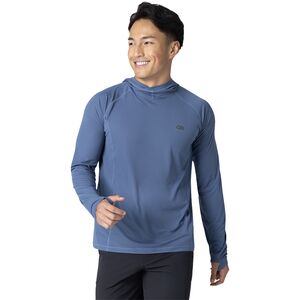
- Style: Hoodie with fixed hood
- UPF Rating: 15
- Weight: 5.2oz
- Anti-Odor: ActiveFresh treatment
The Outdoor Research Echo Hooded shirt is a versatile piece that goes beyond a typical base layer, doubling as a lightweight layer for casual wear, hiking, climbing, or running. The fixed hood adds extra coverage on windy or sunny days, while thumbholes help keep sleeves secure during active movement. Its ActiveFresh anti-odor treatment keeps things fresh over long days on the trail.
At just 5.2oz, this shirt is remarkably lightweight, making it easy to pack or wear as an extra layer without added bulk. The reflective logo adds a small safety element for low-light activities, rounding out a functional, multi-use design.
Pros: Lightweight and packable, versatile hooded design, odor-resistant treatment, reflective detailing
Cons: Lower UPF rating than other options, less insulation for deep cold
See the Outdoor Research Echo Hooded
7. Smartwool Classic Quarter-Zip

- Fabric: 100% merino wool
- Shirt Type: Partial-zip
- Moisture Wicking: Yes
- Quick Drying: Yes
The Smartwool Classic Thermal Merino Quarter-Zip is tailored for high-intensity winter activities like skiing and running. The quarter-zip design offers adjustable ventilation, letting you dump heat quickly when you start to overheat during exertion. Made from 100% merino wool, it provides natural warmth and comfort without feeling heavy or restrictive.
This top handles moisture well, wicking sweat away and drying quickly to keep you comfortable throughout demanding activities. It’s a strong choice for those who need adjustable warmth control during aerobic winter sports, offering both performance and classic merino comfort.
Pros: Adjustable zip ventilation, pure merino warmth, quick drying, great for high-intensity sports
Cons: No listed sun protection, wool may require gentle care
See the Smartwool Classic Quarter-Zip
8. REI Co-op Merino 185 Half-Zip

- Fabric: 100% merino wool
- UPF Rating: 30
- Weight: Lightweight
- Quick Drying: Yes
The REI Co-op Merino 185 Half-Zip is a well-rounded base layer made entirely from ultrafine merino wool. The fabric naturally resists odor and pilling, making it a great option for extended trips without frequent washing. Flat seams add to the comfort factor, reducing chafing during long days of movement.
The half-zip design allows for quick temperature adjustments, venting heat when needed during activity. Combined with its lightweight construction and moisture-wicking performance, this top works well across a range of multisport conditions, from hiking to backcountry travel.
Pros: Naturally odor-resistant, flat seam comfort, adjustable half-zip venting, quick-drying merino wool
Cons: Lower UPF than some synthetic options, lightweight may not suit extreme cold
See the REI Co-op Merino 185 Half-Zip
How to Choose Base Layers for Men: A Complete Guide
Walking into a store or scrolling online to buy a base layer can feel overwhelming. There are tight fits, loose fits, wool, synthetic, blends, heavy weights, light weights—the list goes on. But here is the simple truth: a base layer is the most important piece of clothing you own for cold weather. It sits right against your skin, and its job is to manage moisture, regulate temperature, and keep you comfortable. Pick the wrong one, and you will shiver or sweat through your day. Pick the right one, and you will barely notice it is there—except that you feel great. This guide breaks down everything you need to know to choose the perfect base layer for men, in plain, no-nonsense language.
Why Base Layers Matter More Than You Think
Many guys think any long-sleeve thermal shirt will do. That is a mistake. A cotton t-shirt or a cheap fleece might feel soft, but they trap sweat against your skin. When you stop moving, that sweat turns cold, and you get chilly fast. A proper base layer is designed to wick moisture away from your body and push it to the outer layers, where it can evaporate. This keeps your skin dry and your core temperature stable. Whether you are skiing, hiking, commuting, or just shoveling snow, a good base layer is your first defense against the cold.
The Golden Rule: Never Wear Cotton
Let us get this out of the way immediately. Cotton is terrible for base layers. It absorbs water like a sponge, holds it against your skin, and takes forever to dry. In cold weather, wet cotton can actually make you colder than wearing nothing at all. Save cotton for summer t-shirts or lounging at home. For any activity where you might sweat or face chilly air, choose wool or synthetic fabrics instead.
Step 1: Choose Your Fabric
This is the single most important decision. Your fabric determines how warm you stay, how much you sweat, and how the layer feels against your skin. There are three main categories to consider.
Merino Wool – The Natural Performer
Merino wool comes from a specific breed of sheep, and it is nothing like the scratchy wool your grandfather wore. Modern merino is incredibly soft, almost like cashmere. It naturally regulates temperature—keeping you warm in winter and cool in summer. It also resists odors because the fibers trap bacteria that cause smell. You can wear a merino base layer for days without it stinking, which is great for multi-day trips. The downside? It is more expensive than synthetics, and it can be less durable if you wash it roughly.
Synthetic Fabrics – Polyester, Nylon, and Spandex
Synthetics are the workhorses of the base layer world. They are lightweight, dry very fast, and wick moisture extremely well. They also stretch, so they move with your body. Most synthetic base layers are also more affordable and more durable than wool. The main drawback is odor—synthetics tend to hold onto smells after heavy sweating. Some brands add silver or other anti-odor treatments to help, but they still need more frequent washing than wool.
Blends – The Best of Both Worlds
Many top-quality base layers now blend merino wool with synthetic fibers. For example, a 70% wool / 30% polyester blend gives you the odor control and comfort of wool with the durability and stretch of synthetics. These blends are often the best choice for most men because they balance performance, price, and care. If you are unsure where to start, look for a blend with at least 50% merino.
Step 2: Understand Weight and Thickness
Base layers come in different weights, which determine how warm they are. Choosing the right weight is about matching the layer to your activity and the weather.
| Weight | Best For | Temperature Range | Typical Thickness |
|---|---|---|---|
| Lightweight | High-intensity activities (running, cycling, cross-country skiing) | 40°F to 60°F (or as a liner in extreme cold) | Thin, like a t-shirt |
| Midweight | All-around use (hiking, skiing, daily wear in winter) | 20°F to 40°F | Moderate, like a thin sweatshirt |
| Heavyweight | Low-activity or extreme cold (ice fishing, sitting in a stand, polar expeditions) | Below 20°F | Thick, fleecy interior |
Here is a pro tip: if you are going to be very active, go lighter than you think. You will generate plenty of body heat, and a heavy base layer will make you sweat. For low-output days, go heavier to trap more warmth.
Step 3: Get the Fit Right
Fit is not about looking good—it is about performance. A base layer must be snug against your skin to do its job. If there is any gap, moisture cannot be wicked away properly, and cold air can sneak in. But snug does not mean tight or restrictive. You should be able to move your arms and torso freely without the fabric pulling or bunching.
Two Main Fit Types
Compression fit: Very tight, like a second skin. Best for high-performance sports where you want maximum moisture transfer and minimal drag. Some men find compression uncomfortable for all-day wear.
Regular fit: Snug but with a little breathing room. This is the most popular choice for everyday use, hiking, skiing, and general cold-weather layering. It is comfortable and still performs well.
Also, pay attention to length. A good base layer should be long enough to tuck into your pants or underwear so that no skin is exposed when you bend or reach. Sleeves should reach your wrists without riding up.
Step 4: Match Your Base Layer to Your Activity
Not all base layers work for all situations. Here is a simple breakdown based on what you plan to do.
For High-Output Sports (running, cycling, backcountry skiing)
Choose lightweight synthetic or a lightweight wool blend. You need maximum breathability and fast drying. Odor control is less important than performance here because you will wash it after every use.
For Moderate Activities (hiking, snowshoeing, resort skiing)
Midweight wool or midweight blend is your sweet spot. It keeps you warm during breaks, manages sweat on the climbs, and stays comfortable for hours.
For Low-Output or Static Activities (ice fishing, hunting stands, winter camping)
Go with heavyweight wool or a thick synthetic fleece-lined base. You are not generating much heat, so you need the layer to trap and hold warmth. Some guys even wear two base layers in extreme cold—a lightweight next to skin, and a midweight over it.
For Everyday Wear and Commuting
A lightweight or midweight wool blend is ideal. It looks nice enough to wear under a casual shirt or sweater, resists odor so you can wear it multiple times, and keeps you comfortable during short walks and long sits in the office.
Step 5: Consider Features and Extras
Beyond fabric, weight, and fit, there are small details that make a big difference.
- Zippers: A half-zip or quarter-zip lets you vent heat quickly when you warm up. Great for variable conditions.
- Flat seams: Look for seamless or flat-stitched seams to prevent chafing, especially if you wear a backpack or harness.
- Thumb loops: These keep sleeves in place and add a little extra warmth for your hands. Nice for running or skiing.
- Gusseted underarms: Extra fabric in the armpit area allows better arm movement without riding up.
- Anti-odor treatments: Many synthetic brands add silver or zinc to fight bacteria. It helps, but it is not as effective as wool.
Step 6: Care and Longevity
Even the best base layer will fail early if you do not take care of it. Here are simple rules to follow.
- Wash in cold water – Hot water damages fibers, especially wool.
- Use mild detergent – Avoid bleach, fabric softeners, or enzyme-based cleaners.
- Air dry – Tumble drying shrinks wool and melts synthetics over time. Lay flat or hang dry.
- Wash less often – Wool can be worn several times before washing. Air it out between uses.
- Turn inside out – This protects the outer face from pilling and friction.
If you treat your base layers well, they can last for many winters. Cheap synthetics may pill or lose shape after a season, but quality merino and premium blends can last five years or more.
Common Mistakes to Avoid
Many men make these errors when buying their first base layers. Learn from them.
- Buying too big: A loose base layer does not wick. Size down if you are between sizes.
- Overdressing: Wearing a heavy base for a high-energy activity leads to sweat, which leads to cold.
- Ignoring the weather: A base layer is not a jacket. It works with your mid-layer and shell. Do not expect it to block wind or rain.
- Assuming all wool is itchy: Merino is soft. If you have not tried it in the last ten years, give it another chance.
- Forgetting the bottoms: Your legs get cold too. Invest in base layer bottoms if you spend time outdoors.
Budget vs. Premium: What Should You Spend?
Base layers range from $30 to over $200. Here is a general rule: if you use it occasionally (a few ski trips a year), a mid-priced synthetic or blend around $50–$80 is perfectly fine. If you live in a cold climate or go outdoors weekly, invest in premium merino or a high-end blend. The comfort, durability, and odor resistance are worth it. Remember, you get what you pay for—but you do not need the most expensive option to stay warm and dry.
Final Checklist Before You Buy
To make your decision easy, ask yourself these questions before clicking “add to cart.”
- What weather will I face? (Check the temperature range.)
- How active will I be? (Light, moderate, or high output?)
- Do I care about odor between washes? (Wool wins here.)
- What is my budget? (Set a range and stick to it.)
- Will I wear it often? (If yes, invest more.)
Conclusion: Your Perfect Base Layer Is Out There
Choosing a base layer does not have to be complicated. Start with fabric—merino, synthetic, or blend. Then pick the weight that matches your activity level and the temperature. Make sure the fit is snug but comfortable, and pay attention to small features like zippers and flat seams. Take care of it properly, and it will take care of you for years. Whether you are summiting a peak, carving down a slope, or just walking the dog on a frosty morning, the right base layer makes all the difference. Now go out there, stay warm, and enjoy the cold in comfort.