Best Base-Layers for Women of 2026
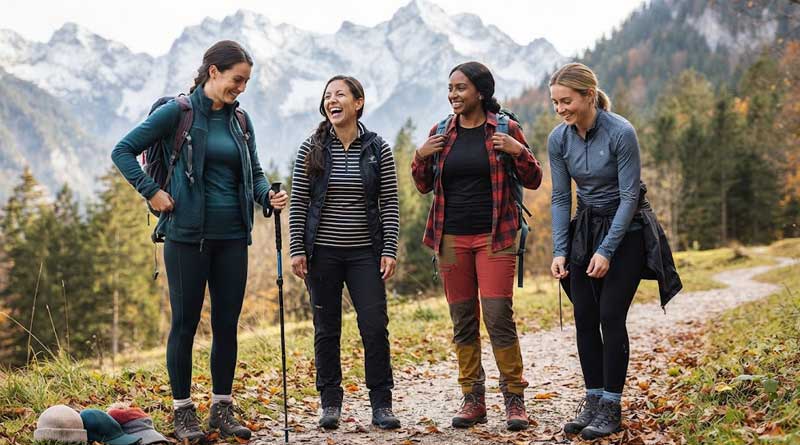
When the temperature drops, what you wear under your clothes matters more than you think. A good base-layer is your first defense against the cold. It sits against your skin to trap warmth and wick away sweat, keeping you dry and comfortable. Whether you are hiking, skiing, or just walking the dog on a chilly morning, the right top makes all the difference. This guide breaks down the best base-layers for women, so you can stay cozy and active all winter long.
1. REI Co-op Midweight

- Fabric: 92% recycled polyester/8% spandex
- UPF Rating: 50+
- Moisture Wicking: Yes
- Thumbholes: Yes
The REI Co-op Midweight base layer is built for women who need dependable warmth without sacrificing breathability. The recycled polyester and spandex blend moves with your body, making it ideal for hiking, skiing, or general outdoor use in cold conditions. Its bluesign approved fabric also reflects a more sustainable manufacturing process, which is a nice bonus for eco-conscious shoppers.
Beyond warmth, this top handles moisture well, keeping skin dry during high output activities. The thumbholes are a small but appreciated detail, helping seal in heat around the wrists on chilly mornings. It layers easily under jackets or fleece without feeling bulky.
Pros:
- Soft, stretchy, sustainable fabric
- Great sun protection with UPF 50+
- Thumbholes add extra warmth
Cons:
- Not as warm as merino wool options
- Synthetic feel may not suit everyone
2. Merino.tech Base Layer
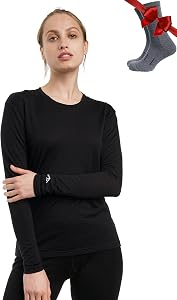
- Fabric: 100% superfine 17.5 micron merino wool
- Weight Options: Lightweight, midweight, heavyweight
- Moisture Wicking: Yes, naturally odor resistant
- Care: Machine washable, hand wash recommended
The Merino.tech Base Layer offers a soft, itch-free alternative to synthetic thermals, built entirely from ultrafine merino wool. It is designed for daily wear without the rubbing or overheating often associated with cotton layers. Because it comes in multiple weights, it adapts easily to different seasons and activity levels, from light hikes to alpine adventures.
Its natural fibers regulate temperature exceptionally well, keeping you warm in the cold and cool when you heat up. The included wool socks add extra value, making this a practical gift option. Odor resistance means fewer washes are needed, which is handy on multi-day trips.
Pros:
- Soft, non-itchy merino wool
- Comes with bonus wool socks
- Naturally regulates temperature
Cons:
- Hand washing recommended for longevity
- Sizing may run differently than expected
See the Merino.tech Base Layer
3. Icebreaker Merino 200 Oasis

- Fabric: Merino wool
- UPF Rating: 20
- Moisture Wicking: Yes
- Quick Drying: Yes
The Icebreaker Merino 200 Oasis is a reliable midweight thermal designed for snowsports and cold-weather adventures. Its offset shoulder seams are a thoughtful touch, reducing irritation from backpack straps during long days on the mountain. The pure merino wool construction offers natural insulation while remaining breathable during high exertion activities.
This top wicks moisture efficiently and dries quickly, so you stay comfortable even during intense effort. It layers well under shells and jackets without adding bulk. The soft wool texture feels gentle against the skin, making it suitable for extended wear on multi-day trips without discomfort.
Pros:
- Offset seams reduce pack strap irritation
- Quick drying and moisture wicking
- Comfortable, breathable merino wool
Cons:
- Lower UPF rating than synthetic options
- Merino wool requires gentler care
See the Icebreaker Merino 200 Oasis
4. Smartwool Classic All-Season

- Fabric: 88% merino wool/12% nylon
- Moisture Wicking: Yes
- Underwear Weight: Lightweight
- Sleeve Length: Long sleeve
The Smartwool Classic All-Season base layer blends merino wool with nylon for added durability, making it a versatile choice for everything from spring skiing to winter hikes. The lightweight construction means it will not feel overly warm during moderate activity, yet it still provides a solid layer of insulation when temperatures drop.
Its moisture wicking properties keep sweat away from the skin, preventing that clammy feeling during aerobic activities. The stretch from the nylon blend allows for a closer, more athletic fit compared to pure wool tops. It is easy to layer under a shell or fleece for added warmth.
Pros:
- Durable wool and nylon blend
- Versatile for multiple seasons
- Comfortable athletic fit
Cons:
- Lightweight may not suit extreme cold
- No listed UPF protection
See the Smartwool Classic All-Season
5. REI Co-op Lightweight

- Fabric: 94% recycled polyester/6% spandex
- UPF Rating: 50+
- Moisture Wicking: Yes
- Quick Drying: Yes
The REI Co-op Lightweight base layer is designed for moderate temperatures, making it a great pick for shoulder season adventures. Whether you are trekking through the desert or climbing into the mountains, this synthetic top keeps you dry and comfortable without feeling too warm during active pursuits.
Its recycled polyester and spandex blend provides a stretchy, breathable fit that moves naturally with the body. The strong UPF 50+ rating adds valuable sun protection for long days outside, while the quick drying fabric helps manage sweat during high intensity efforts. It is also produced using a bluesign approved process.
Pros:
- Excellent sun protection
- Breathable and quick drying
- Sustainable, bluesign approved fabric
Cons:
- Too light for very cold conditions
- Synthetic feel compared to wool
6. Smartwool Classic

- Fabric: Merino wool
- Moisture Wicking: Yes
- Underwear Weight: Midweight
- Sleeve Length: Long sleeve
The Smartwool Classic Thermal Merino Crew is a reliable midweight base layer made entirely from premium merino wool. It excels at regulating body temperature, keeping you warm during cold hikes or ski days without causing overheating during periods of exertion. The natural fibers also resist odor buildup over multiple wears.
This top wicks moisture effectively, pulling sweat away from the skin so you stay comfortable even during strenuous activity. The classic crew design layers easily under jackets and shells, making it a dependable option for winter outings. Its soft wool texture also feels gentle against sensitive skin.
Pros:
- Excellent temperature regulation
- Naturally odor resistant
- Soft and comfortable against skin
Cons:
- No listed UPF rating
- Wool may need special washing care
7. Smartwool Intraknit

- Fabric: 53% merino wool/45% polyester/2% elastane
- Moisture Wicking: Yes
- Underwear Weight: Midweight
- Sleeve Length: Long sleeve
The Smartwool Intraknit Thermal Merino Crew is built for high output cold-weather activities where sweat management matters most. Its blend of merino wool, polyester, and elastane creates a minimalist design that moves freely with the body, making it ideal for backcountry skiing, running, or aerobic winter workouts.
This top wicks moisture efficiently while maintaining warmth, thanks to its strategic knit construction that targets high sweat zones. The added stretch from elastane provides a close, unrestrictive fit that feels almost weightless during movement. It layers well under shells for added protection in colder conditions.
Pros:
- Lightweight, highly breathable knit
- Great stretch and mobility
- Effective moisture management
Cons:
- No listed sun protection rating
- Less wool content than pure merino tops
8. Outdoor Research Echo Hooded

- Style: Hoodie with fixed hood
- UPF Rating: 15
- Thumbholes: Yes
- Anti-Odor: ActiveFresh treatment
The Outdoor Research Echo Hoodie is a versatile lightweight layer suited for casual wear, hiking, climbing, and running alike. Its fixed hood offers added coverage from sun and wind, while the reflective logo boosts visibility during low light activities. At just 5.2 ounces, it feels barely noticeable while worn.
The ActiveFresh anti-odor treatment helps keep the fabric fresh across multiple wears, ideal for multi-day trips. Thumbholes provide extra hand coverage on cooler mornings, and the breathable fabric transitions well between activities. This hoodie works equally well as a standalone piece or as part of a layering system.
Pros:
- Versatile for many activities
- Lightweight and breathable
- Built-in odor control
Cons:
- Lower UPF rating than other picks
- Not ideal for extreme cold
See the Outdoor Research Echo Hooded
9. Smartwool Classic Quarter-Zip

- Fabric: 100% merino wool
- Shirt Type: Partial-zip
- Moisture Wicking: Yes
- Quick Drying: Yes
The Smartwool Classic Thermal Merino Quarter-Zip is tailored for high-intensity winter activities such as skiing, hiking, and running. The quarter-zip design allows for quick ventilation control, making it easy to regulate body temperature during changing effort levels without needing to remove the layer entirely.
Made from 100% merino wool, this top offers natural warmth along with effective moisture wicking and quick drying performance. It handles sweat well during aerobic bursts, then dries fast during rest periods. The midweight construction strikes a good balance between insulation and breathability for varied winter conditions.
Pros:
- Adjustable ventilation with quarter-zip
- Pure merino wool warmth
- Quick drying performance
Cons:
- No listed UPF protection
- Zip can feel bulky under tight layers
See the Smartwool Classic Quarter-Zip
10. REI Co-op Merino 185 Half-Zip

- Fabric: 100% merino wool
- UPF Rating: 30
- Moisture Wicking: Yes
- Quick Drying: Yes
The REI Co-op Merino 185 Half-Zip is a lightweight, fully wool base layer designed for year-round adventure. Its ultrafine merino fibers naturally resist odor and pilling, keeping the top fresh even after repeated wear on multi-day trips. Flat seams reduce friction, adding comfort during long days of movement.
This half-zip design offers easy temperature regulation, allowing you to vent heat when working hard and seal it back in when resting. The fabric wicks moisture efficiently and dries quickly, making it a solid choice for aerobic activities in cooler climates. It also provides decent sun protection with a UPF 30 rating.
Pros:
- Odor and pill resistant wool
- Flat seams for added comfort
- Adjustable half-zip ventilation
Cons:
- Lightweight may limit warmth in deep cold
- Lower UPF than some synthetic tops
See the REI Co-op Merino 185 Half-Zip
How to Choose Base-Layers for Women: A Complete Guide
Walking into a sports store or scrolling through online shops, you are often flooded with terms like merino wool, synthetic, thermal, and lightweight. It can get confusing fast. But choosing the right base-layer is not as hard as it seems. Once you understand a few basic rules, you will be able to pick the perfect top and bottom for any activity, any weather, and any budget. This guide breaks down everything you need to know in plain, simple language.
Why Base-Layers Matter More Than You Think
Many women make the mistake of wearing a regular cotton t-shirt under their winter coat. Cotton feels soft, but it is actually one of the worst fabrics for cold weather. When you sweat, cotton soaks up the moisture like a sponge and holds it against your skin. This makes you feel damp, chilly, and uncomfortable. A proper base-layer is designed to do two important jobs: keep you warm and keep you dry. It does this by wicking sweat away from your body and trapping a thin layer of warm air next to your skin. Whether you are skiing down a mountain, hiking up a steep trail, or just running errands on a freezing day, a good base-layer changes everything.
The Two Main Fabrics: Which One Is Right for You?
All base-layers fall into two main fabric categories: synthetic and natural wool. Each has its own strengths and weaknesses. Your choice depends on what you plan to do and how much you want to spend.
Synthetic Base-Layers (Polyester, Nylon, Spandex)
Synthetics are the most common and affordable option. They are made from man-made fibers that are excellent at moving sweat away from your body. They dry very quickly, which is great for high-energy activities like running, cycling, or cross-country skiing. They are also durable, stretchy, and easy to wash. However, synthetics tend to hold onto odors more than wool. If you wear one for multiple days in a row, it will start to smell. They also offer less warmth when wet compared to wool.
Best for: High-intensity workouts, budget shoppers, and day trips where you can wash your gear afterward.
Merino Wool Base-Layers
Merino wool comes from a special breed of sheep. Unlike regular wool, it is incredibly soft and does not itch. Merino is a natural fiber that regulates your temperature better than any synthetic. It keeps you warm in the cold and cools you down when you heat up. It is also naturally odor-resistant, meaning you can wear it for several days without smelling bad. The downside? It is more expensive and less durable than synthetics. It can also take longer to dry. Many women choose merino for multi-day backpacking trips or travel.
Best for: Low-to-medium intensity activities, travel, and anyone who wants to avoid frequent washing.
Blends (The Best of Both Worlds)
Many brands now mix merino wool with synthetic fibers. These blends give you the softness and odor control of wool with the durability and quick-dry power of synthetics. They are often the most versatile choice for everyday winter wear.
Weight and Thickness: Light, Mid, or Heavy?
Base-layers come in different weights, which refer to how thick and warm the fabric is. Choosing the right weight is just as important as choosing the right fabric.
| Weight | Best Temperature Range | Best Activities |
|---|---|---|
| Lightweight (150–200 gsm) | Above 40°F (4°C) to 60°F (15°C) | Running, hiking, indoor workouts, layering under a light jacket |
| Midweight (200–300 gsm) | 20°F (-6°C) to 40°F (4°C) | Skiing, snowboarding, winter hiking, everyday cold-weather wear |
| Heavyweight (300+ gsm) | Below 20°F (-6°C) and extreme cold | Ice climbing, polar expeditions, stationary activities in freezing temps |
Tip: If you are unsure, go for a midweight. It works well for most winter conditions and can be paired with a lighter or heavier outer layer as needed.
Fit and Feel: Snug but Not Tight
The fit of your base-layer is critical. It should sit close to your skin without squeezing or restricting your movement. If it is too loose, it cannot wick sweat properly and will leave cold spots. If it is too tight, it can feel uncomfortable and limit your blood flow. Look for a “second-skin” feel. Most good brands offer a slim or athletic fit. When you try one on, raise your arms and bend over. The shirt should stay in place and not ride up. The sleeves should reach your wrists without bunching.
Also, pay attention to the length. A longer hem is helpful because it stays tucked into your pants or leggings. Many base-layers now have thumbholes to keep the sleeves from riding up under your gloves or jacket.
Features to Look For
Beyond fabric and weight, here are some extra features that can make a big difference in your comfort.
- Flat seams: These prevent chafing and irritation, especially under backpack straps or tight outer layers.
- Zippers: A half-zip or full-zip at the neck lets you vent heat quickly when you start to overheat. This is very useful for high-energy activities.
- Odor control: Some synthetics come with silver or antimicrobial treatments to reduce smell. Merino wool naturally does this on its own.
- UPF protection: If you spend time in snowy or sunny high-altitude areas, look for base-layers with built-in sun protection.
- Pocket: A small chest or arm pocket can hold a key, card, or lip balm.
Base-Layer Bottoms: Do You Need Them?
Most guides focus on tops, but your legs need warmth too. Base-layer bottoms work the same way as tops. They wick sweat and trap heat. You wear them under your snow pants, hiking trousers, or even under jeans on extra cold days. The same fabric and weight rules apply. Lightweight bottoms are great for running, while heavyweight ones are better for sitting still in a cold hunting blind or ski lift. Many women prefer a 3/4 length (calf-length) bottom because it fits easily inside ski boots without bunching.
How to Layer Properly
Your base-layer is just the first layer. To stay warm and dry, you need a proper layering system.
- Layer 1 (Base-layer): Your chosen top and bottom. This sits against your skin.
- Layer 2 (Mid-layer): An insulating layer like a fleece, puffy vest, or lightweight down jacket. This traps extra heat.
- Layer 3 (Outer shell): A waterproof and windproof jacket and pants. This protects you from rain, snow, and wind.
Remember, you can always take off layers if you get too warm. The goal is to stay dry, not just warm. Sweating into a heavy coat is actually more dangerous in cold weather because the moisture will eventually make you freeze.
Care and Maintenance
Taking care of your base-layers will make them last for many seasons.
- Washing: Turn them inside out before washing. Use a gentle detergent and cold water. Avoid fabric softeners—they block the fabric’s wicking ability.
- Drying: Air dry your base-layers whenever possible. Heat from a dryer can shrink wool and damage synthetic fibers. If you must use a dryer, use the lowest heat setting.
- Storage: Fold them rather than hanging, as hanging can stretch out the shoulders over time.
Budget vs. Premium: What Should You Spend?
Base-layer prices can range from $25 to over $150. Here is how to decide.
| Price Range | What You Get | Who It Is For |
|---|---|---|
| Under $50 | Basic synthetic fabrics, good for light use, fewer features | Occasional users, beginners, or as a spare layer |
| $50 – $100 | Better synthetics or wool blends, flat seams, good fit | Regular winter sports enthusiasts and commuters |
| Over $100 | Premium merino wool, advanced fabric tech, excellent durability | Frequent travelers, serious outdoor adventurers, and those who value comfort above all |
A good mid-range base-layer from a trusted brand is often the sweet spot for most women. You get quality without overspending.
Common Mistakes to Avoid
Even with all this information, it is easy to make small errors. Here are the most common ones and how to avoid them.
- Wearing cotton: Just don’t. Cotton kills warmth. Save it for summer.
- Buying too big: A loose base-layer cannot do its job. Size down if you are between sizes.
- Ignoring the weather forecast: Check the conditions before you leave. A lightweight layer will fail you in a blizzard, and a heavyweight one will make you sweat on a sunny winter day.
- Overlooking zippers: A simple half-zip can save you from overheating during a steep climb. Do not underestimate its value.
- Forgetting about socks: Base-layer socks are just as important. Choose wool or synthetic blends designed for your activity.
Final Thoughts: Trust Your Comfort
At the end of the day, the best base-layer for you is the one that feels right on your body. Everyone runs warm or cold differently. What works for your friend may not work for you. Start with a midweight synthetic or wool blend from a reputable brand. Test it on a short walk or light hike before you commit to a full-day adventure. Pay attention to how your skin feels, how well you stay dry, and whether any seams bother you. Over time, you will learn which fabrics and fits suit your lifestyle best. A good base-layer is an investment in your comfort, health, and enjoyment of the outdoors. Choose wisely, and you will stay warm and happy all winter long.