Best Hiking Leggings for Cold Weather
Women have found out that hiking in leggings is more comfortable than their usual choice of hiking pants. Leggings allow movement in more flexible ways than the usual apparel which is apparent as they are used in yoga. In recent times, we have seen many women adopt tights for hiking. One thing that makes leggings good is that they can keep the legs warm in low temperatures during a hike as they can be worn as an undergarment.
So here is the list of top leggings for hiking in cold weather.
1. Topo Designs StayWarm

- Fabric: 300 g/m², 78% recycled nylon / 22% spandex
- Fit: High-rise, medium compression, ankle length (27″ inseam)
- Pockets: 2 side panel + 1 zip back
- Extras: Brushed interior, reflective logos, internal drawcord
The Topo Designs StayWarm Trail Leggings are a winter-focused hybrid of comfort and technical detail. The brushed interlock interior feels supremely soft against skin while the 300 g/m² blend gives noticeable warmth without a bulky feel. Medium compression and a wide 3.5-inch waistband deliver a secure, next-to-skin fit that stays put during climbs or long approaches. The internal infinity-loop drawcord is a welcome, subtle adjuster when you layer midlayers over the waist.
Practical touches elevate these from basic tights to true trail-ready leggings: two roomy side panel pockets and a secure zippered rear pocket handle phone and keys reliably, and reflective logos improve low-light visibility. The fabric’s stretch keeps mobility high for scrambling and steep ascents, and WRAP-certified production is a plus if ethical manufacturing matters to you. If you want cozy, breathable, and responsibly made winter tights that perform on cold-weather hikes, these are a smart pick.
Pros: Soft brushed lining; warm yet flexible; secure pocketing; ethical manufacturing.
Cons: Higher weight may feel warm for vigorous aerobic efforts; limited colorways.
2. baleaf Fleece Lined Leggings
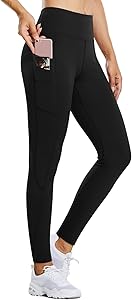
- Warmth: Soft fleece lining for sub-40°F comfort
- Water resistance: Light water resistance for snow/light rain
- Fit: High-waist with tummy control and high stretch
- Pockets: Four large side pockets + zip back pocket
The baleaf fleece-lined leggings strike a clear value-for-performance note: plush inner fleece traps heat effectively and the outer fabric resists light precipitation and wind, making them practical for chilly hikes and winter errands. The high-elastic fabric is more durable than basic polyester blends, so these leggings keep their shape through repeated movement. The high-rise waistband offers gentle compression and a smoothing silhouette, which many will appreciate for both comfort and function on the trail.
Storage is a highlight — multiple large side pockets and a zippered rear pocket make it easy to carry phone, snacks, and a trail map without an extra pack for short outings. They’re versatile enough for running, skiing, or casual winter wear, but if you’re seeking a trim, race-ready layer for intense aerobic efforts, the fleece warmth and water-resistant shell may feel slightly heavy. For cold-weather adventurers on a budget who want practical warmth and excellent pocketing, these work very well.
Pros: Warm fleece, lots of pockets, durable stretch, water resistant.
Cons: Can be too warm for high-output activities; bulkier than minimalist tights.
See the baleaf Fleece Lined Leggings
3. Fjallraven Abisko Tights

- Fabric: 71% polyester / 29% elastane, recycled
- Length: 7/8-length, pairs well with boots and socks
- Waist: High waistband with internal drawstring
- Pockets: Secure leg pockets with envelope closures
Fjallraven’s Abisko Tights are a pared-back, durable option for hikers who want breathable, stretchy performance that doubles as everyday wear. The recycled polyester blend has a matte, opaque finish that resists snagging and looks smart on the trail. The high waistband and internal drawstring keep the fit locked in during climbs and scrambling, while the 7/8 length is ideal for layering with gaiters or taller socks without bunching at the ankle.
Storage is thoughtfully placed with secure leg pockets that use envelope closures to keep essentials accessible but protected. These aren’t the warmest fleece-lined option, so they suit milder winter days or high-exertion activities where breathability matters. If you want a durable, comfortable pair of tights that handle varied terrain and still look good off-trail, the Abisko tights are a versatile, well-made choice.
Pros: Durable recycled fabric; sleek matte finish; secure pockets; adjustable waist.
Cons: Not heavily insulated—better for milder cold or active use.
See the Fjallraven Abisko Tights
4. Outdoor Research Deviator

- Construction: Hybrid mapped — windproof front + stretch back
- Protection: Water-resistant front panels, UPF 50+
- Fit: Full length, high-rise, articulated knees (28″ inseam)
- Pockets/closure: Drop-in + zip thigh pockets, zippered ankle cuffs
The Outdoor Research Deviator Wind Leggings are purpose-built for high-output winter activities where wind protection and breathability must coexist. The hybrid construction places windproof, lightly water-resistant fabric at the fronts and ankles while keeping stretch and ventilation in the backs of the legs—this mapping feels intelligent on fast uphill efforts or windy ridgelines. ActiveTemp™ treatment helps regulate microclimate so you don’t overheat on long climbs.
Functionality is a standout: articulated knees, zipper cuffs for on-the-fly ventilation, and multiple pockets (including a zip thigh pocket) make these leggings a solid choice for trail running, ski touring, or brisk winter hikes. Reflective details aid visibility in low light. They’re technical and purpose-driven; if you want lightweight insulation rather than windproof performance, pair with a warm base layer. For pace-driven winter outings, these deliver excellent balance of protection and freedom of movement.
Pros: Smart hybrid mapping; windproof yet breathable; secure pockets; technical details for movement.
Cons: Less insulating—best paired with insulating base layers in very cold temps.
See the Outdoor Research Deviator
5. Heathyoga Fleece Lined Leggings

- Warmth system: Heat-reflective fleece lining
- Shell: Durable, water-resistant outer for light snow/rain
- Storage: 2 side pockets + zip pocket + waist loop
- Waist: 4.5″ elastic wide waistband with contour seams
Heathyoga’s fleece-lined leggings focus squarely on warmth and everyday trail usability. The heat-reflective lining traps body warmth while remaining breathable so you can keep moving without overheating on steady climbs. The outer fabric’s water resistance helps shed light snow and drizzle, and thoughtful pocketing — including a zippered pocket and a waist loop — keeps essentials close at hand for short winter outings and urban commutes alike.
Cosmetic seam shaping and a wide waist add a flattering, secure fit for dynamic movement. These leggings are designed to be comfortable and supportive across a wide range of activities, from winter hiking to casual downhill sled runs. They’re less technical than some alpine-specific tights, but for those who prioritize warmth, storage, and a flattering, secure fit on a budget, Heathyoga is a practical, comfortable option.
Pros: Very warm lining; extensive pocketing; water resistance; flattering wide waistband.
Cons: Bulkier than minimalist active tights; not designed for heavy precipitation.
See the Heathyoga Fleece Lined Leggings
6. Fjallraven Abisko Trekking Tights HD

- Fabric: 70% recycled polyester / 30% elastane; reinforced seat/knees
- Protection: Reinforcements with water-repellent finish
- Fit: High-rise, full length, inside drawstring
- Pockets: 1 zippered + 1 envelope leg pocket
The Abisko Trekking Tights HD are built for rugged terrain where durability matters as much as stretch and comfort. Reinforcements over the seat and knees protect high-wear zones and the water-repellent finish adds resilience against trail spray and brush. The double-knitted stretch fabric still allows freedom of movement for scrambling or long approaches while providing a robust barrier against rougher surfaces.
These are trekking-first tights: they favor abrasion resistance, practical pocket placement, and a secure high waist over plush insulation. If your winter outings include rock, roots, and frequent contact with rough surfaces—or long days where gear rub could quickly wear standard tights—the HD model is a compelling choice. For coldest conditions you’ll want an insulating base layer underneath, but for durability and trail-focused performance these deliver.
Pros: Durable reinforcements; water-repellent panels; secure pockets; reliable fit.
Cons: Less insulating—better as a protective outer layer than a thermal base.
See the Fjallraven Abisko Trekking Tights HD
7. Ewedoos Fleece Lined Leggings

- Interior: Buttery soft fleece lining for warmth
- Stretch: 4-way high-tech stretch, squat-proof
- Fit: High waist with tummy control panel
- Pockets: 2 functional side pockets
Ewedoos fleece-lined leggings aim to be the do-it-all winter layer: comfortable for yoga and squat-heavy training, while warm and practical enough for brisk hikes. The 4-way stretch fabric delivers true freedom of movement and reliable recovery, so they remain squat-proof even when stretched. The soft fleece interior is cozy on cold mornings, and the high waist with a tummy control panel keeps the silhouette neat and movement secure.
Pocketing is simple but useful; two side pockets are handy for essentials on short outings. These leggings lean toward comfort and everyday versatility rather than hardcore, weatherproof performance, so they’re great for mixed-use adventurers who bounce between gym sessions and winter walks. For serious alpine conditions you’ll want layers with higher weather protection, but for warmth, stretch, and daily wearability, these are an excellent, affordable pick.
Pros: Extremely comfortable fleece; excellent 4-way stretch; good fit; versatile use.
Cons: Limited weather resistance; fewer technical features for alpine use.
See the Ewedoos Fleece Lined Leggings
8. Patagonia Maipo 7/8 Tights

- Fabric: NetPlus® 81% recycled nylon / 19% spandex knit (6.3 oz)
- Treatment: miDori™ bioSoft for moisture-wicking; HeiQ® Pure odor control
- Length: 7/8 performance tights, 25″ inseam
- Pocket: Center-back pocket; Fair Trade Certified sewn
Patagonia’s Maipo 7/8 tights are a lightweight, high-mobility option ideal for multisport days when you want a performance-first fabric that still feels good over long use. The NetPlus recycled nylon made from fishing nets is an eco-forward touch, while the miDori bioSoft finish and HeiQ odor control help the fabric stay fresh and wick sweat effectively during high-effort activity. The folded front waistband and enclosed elastic in back keep comfort high without digging.
With a 7/8 length and a streamlined silhouette, these feel excellent for trail running, climbing approaches, or layered winter training where bulk is the enemy. They’re not fleece-warm, so they suit milder winter days or aerobic efforts where breathability is essential. If you want ethical materials, lightweight performance, and odor control in a polished, packable package, the Maipo tights are a top contender.
Pros: Lightweight recycled fabric; moisture-wicking and odor control; Fair Trade sewn; comfortable waistband.
Cons: Limited insulation for very cold conditions; minimal pocketing.
See the Patagonia Maipo 7/8 Tights
9. Willit Fleece Lined Leggings
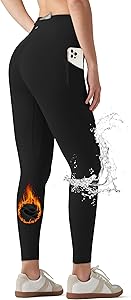
- Warmth: Buttery-soft fleece interior for warmth under 50°F
- Water resistance: Outer fabric repels light rain and stains
- Fit: High-waist with wide flat-seam waistband
- Pockets: 2 side drop-in pockets + secure zip back + hidden waistband pocket
Willit’s fleece-lined leggings are focused on everyday cold-weather utility and convenience. The plush inner fleece provides comfortable warmth for walks and gentle hikes, while the water-resistant outer fabric helps keep you drier on snowy days. The flat-seam wide waistband reduces pressure at the waist and the high-rise cut delivers reliable coverage for bending and movement without slippage.
Pocketing is generous and clever: dual side pockets, a zip back pocket, and a hidden waistband stash for keys make them great for running errands or heading out with minimal gear. These are a good mid-tier option for hikers who want warmth and storage without paying premium prices for high-end technical features. For heavy precipitation or steep alpine conditions, pair them with a shell layer; for casual winter adventures, they’re a comfortable, practical choice.
Pros: Warm fleece lining; multiple secure pockets; water-resistant shell; comfortable waistband.
Cons: Not suitable for heavy rain; moderate breathability.
See the Willit Fleece Lined Leggings
10. Opuntia Warm Tights

- Warmth: Soft inner fleece layer for fall/winter comfort
- Value: Often sold in multi-color 2-packs
- Stretch: Highly elastic outer layer, flexible for movement
- Care: Machine washable—wash in a mesh bag recommended
Opuntia Warm Tights are an inexpensive, comfortable solution if you want basic insulated leggings for daily cold-weather wear. The fleece inner layer provides pleasant warmth and the elastic outer layer allows full mobility for walking, casual hikes, or layering under skirts and dresses. Selling in multi-packs makes them convenient for rotation when you want multiple color choices without extra cost.
These tights aren’t marketed as heavy-duty technical gear but rather as accessible, reliable winter leggings that look good and do the job for everyday use. Pay attention to fit and wash care—using a laundry bag helps preserve the softness longer. If you want a no-fuss, budget-friendly pair that keeps legs warm and moves with you, Opuntia delivers solid value.
Pros: Affordable multi-pack option; comfy fleece interior; good stretch; easy care.
Cons: Basic weather resistance and fewer technical features; shorter longevity than premium brands.
How to Choose Cold Weather Leggings for Hiking?
Many women are susceptible to making the wrong choice when it comes to choosing a pair or pairs of leggings. This not only leads to serious discomfort during the hiking trip but may also become the cause of acquiring diseases like flu if in case tights are unable to provide proper protection against the cold weather. Here are a few tips on how to choose hiking leggings for the cold weather to ensure that you make the right choice for your trip so that your trip remains enjoyable.
Comfort and Fit
The main reason that you choose leggings for hiking over hiking pants is that leggings provide you with more comfort and an excellent fit. Without the fit, a pair of leggings is of no use. So why is this so important?
Unlike hiking pants which reduce mobility, hiking leggings have a form-fit ability that moves with you and makes you feel as if you are wearing nothing at all. This allows you to make long strides without problems. Leggings with a high content of elastane or spandex are ideal for this purpose. Leggings with a great fit are an investment in this aspect.
Most hiking leggings have a high-rise waistband which not only prevents slippage but also protects your lower abdomen. You should also keep an eye out for flat-lock seams which reduce chafing.
Even though a majority of brands offer flat-lock seams on their leggings, many cheaper brands do not. It is recommended that you should pay a few extra dimes for your comfort. Furthermore, brushed fabric is something to look for because it feels very comfortable.
Another thing to look for in hiking leggings for comfort is the gusseted crotch. A gusseted crotch not only reduces stress between your legs, it prevents chafing between the legs as well after long walks and also prevents camel toes without the need of something under it.
Moisture Management
When looking for tights, always look for tights that get rid of moisture quickly, that is, they are quick drying. What happens is that if sweat manages to stay between your skin and tights during cold weather, it will result in temperature drops in your lower body. If the temperature rises and you start sweating, it will cause a rash or sores on your skin.
What you need are fabrics with a high content of polyester or nylon. These fabrics have quick-drying properties and also resist absorbing moisture which makes them ideal for hiking purposes. Brands also add their moisture-wicking technologies to the fabric of the leggings which also adds to their quick-drying properties.
Durability
Something to look for in a pair of leggings is durability. Durability is essential in hiking. The reality is, you can’t expect the same level of durability from leggings as you can from a pair of hiking pants. They are just not meant for that much durability due to their thin fabric in comparison.
However, all is not lost. Science has allowed humans to develop synthetic fabrics that can provide a fair amount of durability even with thin layers. The most durable material to be used in the fabric is nylon. Leggings made of nylon would probably cost you more than other fabrics.
The other fabric that follows is polyester. Polyester is cheaper to manufacture, hence, you will find it more commonly and also relatively cheaper. Organic fabrics like wool and cotton are the least durable fabrics. Some brands add to the durability of their leggings by adding ceramics prints or other such materials.
Why should you NEVER opt for cotton leggings?
Cotton is the worst material for any hiking trip because of one simple reason; it absorbs body and external moisture. If you are hiking in an area where it rains or snows, you would get wet and stay wet leaving you open to hypothermia and pneumonia.
Cotton traps sweat as well which becomes sticky after a while. You become less insulated and constant rubbing against the body gives you rashes and sores. Furthermore, cotton is also a perfect cultivation ground for bacteria that can cause infections. Please avoid cotton during hiking trips.